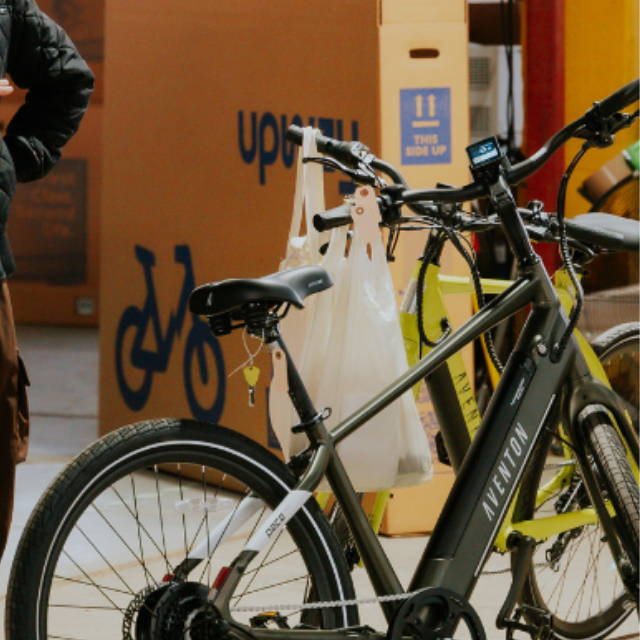
Start by checking that the battery is properly seated and locked, then inspect the battery connectors for corrosion, water, or debris. Also check for visible cable damage and any error codes on the display.
Electric Bike Repair Guide: How to Diagnose and Fix Common E-Bike Problems
E-Bike got a problem? Don’t sweat it— before you take it to the shop, here’s how to diagnose the most common problems and safely fix the issues you can handle at home.
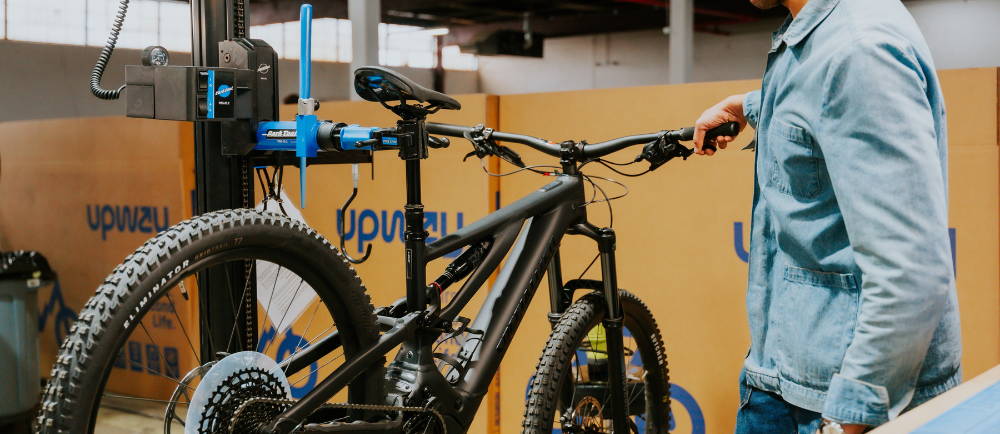
When your electric bike starts acting up, the solution may be simpler than you think. There are tons of resources and advice out there about the most common issues e-Bike owners run into, but it can be hard to know exactly where to turn when a pesky error code alert pops up. From a dead battery or loose connector to brake and drivetrain issues, this Upway guide will help you troubleshoot your electric bike safely and know when it’s time to call a pro.
👋 Welcome to Upway!
Upway is your top destination for buying and selling e-Bikes online. Discover your next e-Bike at up to 60% off retail prices, available in new or like-new condition.
Table of Contents
How To Troubleshoot an Electric Bike Safely
The Most Common Electric Bike Issues
DIY E-Bike Fixes You Can Safely Do At Home
Electric Bike Error Codes By Brand
E-Bike Problems That Usually Need a Bike Shop
How Much Do E-Bike Repairs Cost?
Is It Worth Fixing Your Electric Bike?
Preventive E-Bike Maintenance Checklist
How To Troubleshoot an Electric Bike Safely
Fixing any electric bike problems that pop up means you’re dealing with electronics, and that comes with another level of precaution. At some point or another, e-Bikes will run into the same issues as regular bicycles— mechanical components like the drivetrain, brakes, tires, etc.— but may also require troubleshooting the electric motor or battery.
These more complex parts are quite safe; however, by their nature, there’s the risk of overheating, battery fires, or melted connectors if things go wrong. The adage of “safety first” applies not only to riding an electric bike, but fixing one, too. This isn’t meant to scare you off from fixing your electric bike, though. As you’ll learn, the majority of e-Bike care is maintenance and easy troubleshooting with the right knowledge.
Safely troubleshoot any electric bike problems by knowing:
These more complex parts are quite safe; however, by their nature, there’s the risk of overheating, battery fires, or melted connectors if things go wrong. The adage of “safety first” applies not only to riding an electric bike, but fixing one, too. This isn’t meant to scare you off from fixing your electric bike, though. As you’ll learn, the majority of e-Bike care is maintenance and easy troubleshooting with the right knowledge.
Safely troubleshoot any electric bike problems by knowing:
- What to check before riding
- When to stop riding immediately
- Heeding any battery fire, overheating, or melted connector warnings
- How to address error codes
The Most Common Electric Bike Issues
Here are the most common issues you may come across on your electric bike. Check out each of Upway’s in-depth guides explaining the problem and how best to fix it:
| E-Bike Symptom | What To Do |
|---|---|
| E-Bike won’t turn on | Check the battery connection, charge level, and power button. |
| Battery not charging | Check the charger, outlet, charging port, and battery connections. |
| Battery drains too fast | Check tire pressure, riding conditions, battery age, and assist level. |
| Motor not working | Check the battery, connectors, cables, and display for error codes. |
| Pedal assist not working | Check the sensor, magnet alignment, connections, and assist settings. |
| Throttle not working | Check the throttle connection, cable, and display settings. |
| Brakes squealing or weak braking | Inspect brake pads and rotors; clean or replace worn components. |
| Charger not working | Check the outlet, charger cable, plug, and indicator lights. |
| Charging port problems | Check for dirt, moisture, damage, or a loose connection. |
| Flat tires and punctures | Find the puncture, repair or replace the tube, and inflate properly. |
| Intermittent power loss | Inspect and reseat loose, damaged, or dirty connectors. |
| Display error codes | Look up the code by bike brand and follow the recommended fix. |
| Chain and drivetrain wear | Clean, lubricate, and replace worn drivetrain components as needed. |
| Controller problems | Check connections and try a controller reset; seek professional help if needed. |
DIY E-Bike Fixes You Can Safely Do At Home
Before bringing your bike to a shop or going down the rabbit hole of electric bike repair, consider doing a few checks at home with minimal tools. Beyond the classic “turn it off and back on again”, there are several things you can do yourself to fix smaller issues or help diagnose any problems on your bike. These DIY e-Bike fixes are safe and don’t require any messing around with the electronics of the battery or motor.
- Reseat the battery: Ensure the battery is properly locked into place, either inside the frame or on the outside of the bike. Batteries can get bumped out of place by large impacts when riding, resulting in a loss of power to the mid-drive or hub motor.
- Inspect connectors: Check that the connectors where the battery makes contact are in good condition, clear of any corrosion, water, or other debris. Remove the battery and take a close look at the connectors and wipe away anything that shouldn’t be there.
- Test the charger: Bike not charging? Make sure the charger isn’t damaged, such as a kinked or fraying cable or a bent charging port. Consider trying a different electrical outlet to ensure that’s not the problem.
- Ensure correct tire pressure: E-Bikes feel sluggish when tires aren’t adequately inflated. Keep the tires inflated to the recommended PSI for ideal performance, optimal range, and lower risk of pinch flats.
- Brake pad inspection: Brakes can squeal, squeak, rub, or lack stopping power. Take a look at the brake pads to see if there is any debris, excessive wear, or unequal contact with the disc rotors.
- Chain cleaning and lubrication: A clean and well-lubricated chain makes any bike run smoother and can reduce drivetrain noise and wear. Keep up with proper chain maintenance.
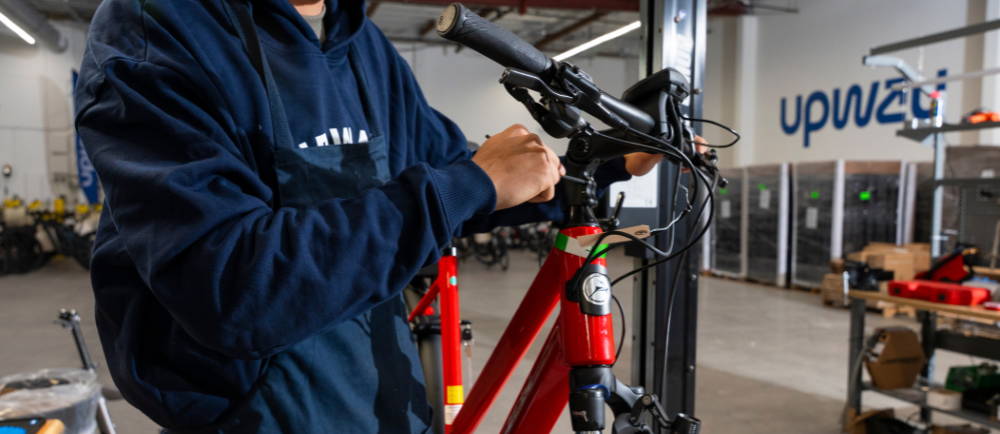
- Visible cable inspection: Ensure cables aren’t twisted, dangling, pinched, or damaged. Electric bikes have significantly more cables than regular bikes, so there’s a bit more to keep track of here.
Electric Bike Error Codes By Brand
Electric bikes utilize error codes to help you fix the issue. These notifications typically pop up on the display and alert you to the exact problem that requires attention. Of course, types of errors and specific fixes differ across the manufacturers of electric bike batteries and motors. Each bike brand has its own index of error codes— there are lots to keep track of, but luckily for you, Upway has guides to each brand’s specific electric bike error codes!
E-Bike showing an error code? Start here to learn how to fix it:
No results found.
E-Bike Problems That Usually Need a Bike Shop
Some electric bike problems go beyond the scope of at-home repairs or a DIY fix and require specialized attention. These issues fall into three categories: (1) safety risks, (2) software diagnostics, and (3) advanced repairs.
For example, if the battery is swelling or overheating, don’t attempt to fix or address it yourself. It’s extremely rare for that to happen, and there is technology built into the battery to combat any serious rise in temperature, but lithium-ion batteries are nothing to mess around with carelessly. Bring it into a specialized service center or bike shop that works on electric bikes.
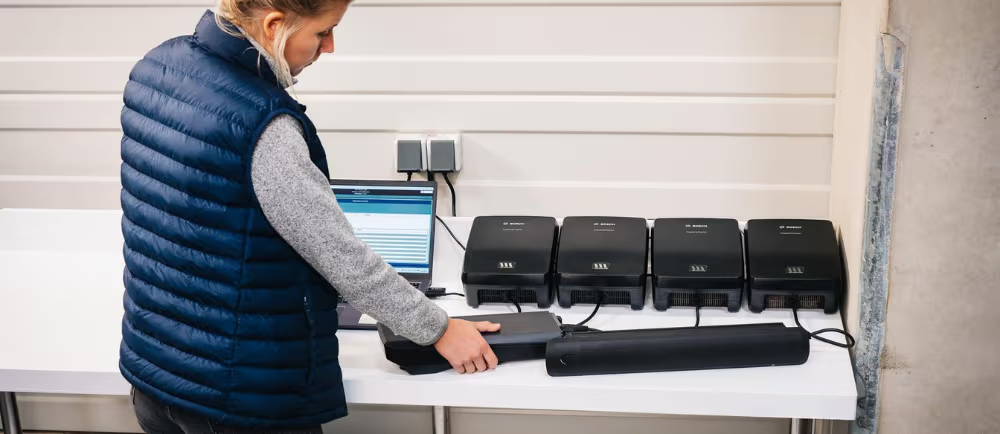
Specialized shops have the right tools and software to conduct system diagnostic tests on electric bikes. The most common are systems to analyze a Bosch motor, Specialized, or Shimano batteries, offering richer insight into what’s going on inside and exact battery health. They can install a software update or add firmware updates.
For example, if the battery is swelling or overheating, don’t attempt to fix or address it yourself. It’s extremely rare for that to happen, and there is technology built into the battery to combat any serious rise in temperature, but lithium-ion batteries are nothing to mess around with carelessly. Bring it into a specialized service center or bike shop that works on electric bikes.
Specialized shops have the right tools and software to conduct system diagnostic tests on electric bikes. The most common are systems to analyze a Bosch motor, Specialized, or Shimano batteries, offering richer insight into what’s going on inside and exact battery health. They can install a software update or add firmware updates.
And if there are repairs you don’t have the tools or knowledge for, it’s a good idea to bring your bike into the shop. Things like hydraulic brake issues if you’re not comfortable bleeding brakes and other more complex repairs. If you notice internal motor noise or grinding, a professional shop may be able to open up the motor and fix the issue— messing with electrical wiring isn’t something you’d want to try on your own.
How Much Do E-Bike Repairs Cost?
In general, electric bike repairs are largely similar to those of a traditional bicycle. In fact, the most common repairs during Upway’s reconditioning process are cassette, chain, and brake pad replacement, brake bleeding, and rotor truing— all of which don’t actually involve any electric parts.
| Repair | Cost estimation | What it involves... |
|---|---|---|
| Basic service | $100 to $200 | Brakes, shifting, chain lube, safety check |
| Full service | $200 to $400 | Includes wheel truing, cables, drivetrain, electrical check |
| Flat tire repair | $15 to $30 | Tube replacement; tubeless conversion $50 to $80 |
| Brake pad replacement | $30 to $60 per set | Parts only; add labor at shop rates |
| Hydraulic brake bleed | $40 to $80 per brake | Restores brake feel and performance |
| Chain replacement | $30 to $60 | Parts and labor; prevents cassette wear |
| Cassette replacement | $80+ | Basic e-Bike cassettes $60 to $150 |
| Wheel truing | $20 to $40 | Higher if spokes need replacing |
| Display replacement | $80 to $200 | Varies widely by brand and system |
| Throttle or pedal assist sensor | $50 to $150 | Parts and labor |
| Wiring repair | $60 to $200 | Depends on complexity and access |
| Controller replacement | $150 to $400 | Higher on integrated or proprietary systems |
| Hub motor replacement | $300 to $800 | Parts and labor; varies by motor |
| Mid-drive motor replacement | $500 to $1,500 | Bosch, Shimano, and Specialized systems at the higher end |
| Suspension fork service | $80 to $200 | Lower leg service; full rebuild costs more |
| Battery replacement | $500 to $1,000 | Depends on battery model/brand |
Is It Worth Fixing Your Electric Bike?
If your electric bike is riddled with issues, it may not actually be worth it to fix it— instead, it may be a smart idea to sell your used ride and put that money towards a newer model. To figure out whether it’s worth fixing an old e-Bike, start by identifying the specific problems and compare those repair costs with the value of the bike.
If it’s a newer bike with relatively minor issues, it’s probably worth repairing— fixes having to do with the chain, brakes, connectors, and such. And for a bike that’s still under manufacturer or retailer warranty, the cost of repairs (even big ones) may be partly or fully covered.
When there are serious problems with the battery or motor, that’s a much larger repair bill. A motor that’s several years old and isn’t working properly, or if there are multiple electronic issues, may be a sign it’s time to get a new bike. Having range problems? Heavily degraded batteries need replacement, while it’s normal for batteries to lose some capacity over time— compare the cost of replacing the battery to the resale value of your bike to make the most informed decision.
If it’s a newer bike with relatively minor issues, it’s probably worth repairing— fixes having to do with the chain, brakes, connectors, and such. And for a bike that’s still under manufacturer or retailer warranty, the cost of repairs (even big ones) may be partly or fully covered.
When there are serious problems with the battery or motor, that’s a much larger repair bill. A motor that’s several years old and isn’t working properly, or if there are multiple electronic issues, may be a sign it’s time to get a new bike. Having range problems? Heavily degraded batteries need replacement, while it’s normal for batteries to lose some capacity over time— compare the cost of replacing the battery to the resale value of your bike to make the most informed decision.
💸 Want to sell your electric bike?
- In case you didn't know yet, you can sell your e-Bike to Upway and get your cash in 3 simple steps.
- Want an estimation -> It takes only 2 minutes to complete this form.
There’s also the question of whether the bike is fixable. Electric bikes are beautiful beasts but are also quite picky, requiring specialized parts from the correct manufacturer. Do your research on whether the bike brand has a support network or if there are specialized service centers or bike shops that deal with the bike’s motor or battery. Serviceability and parts availability are often the limiting factors here, especially in the US where e-Bikes are not as ubiquitous as, say, in Europe.
For riders making the decision to sell rather than resuscitate an old, costly electric bike, Upway makes the process easy! Get a quick, competitive quote from Upway, and we’ll pick up your e-Bike when it works for you, sending over payment as soon as we receive the bike at our UpCenter. Even receive an extra $150 credit for your next electric bike from Upway!
Preventive E-Bike Maintenance Checklist
I suggest that you think of e-Bike maintenance as a constant game of listen, diagnose, fix. Pay attention to any unusual squeaks, rubbing, handling changes, or a softer-than-usual ride— these small problems are often early warnings that something needs attention before it snowballs into something larger.
This matters even more for electric bikes exposed to rough terrain, bad weather, and heavy use, which can accelerate wear and knock components out of alignment. Catching small problems and mechanical repairs early keeps your ride safer, smoother, and less expensive to repair.
- Regular maintenance tasks: Do a quick safety check each time you ride, do a deep clean every month, and schedule a professional tune-up once or twice a year to keep the bike in good condition.
- Battery charging and storage: For everyday use, charging after rides is fine, while long-term storage calls for a partial charge rather than leaving the battery full or empty. Bring removable batteries indoors rather than leaving them in a cold garage.
- Wet-weather care: After rainy or muddy rides, rinse off dirt, mud, and corrosive road salt, then thoroughly dry the bike. This is especially important in winter
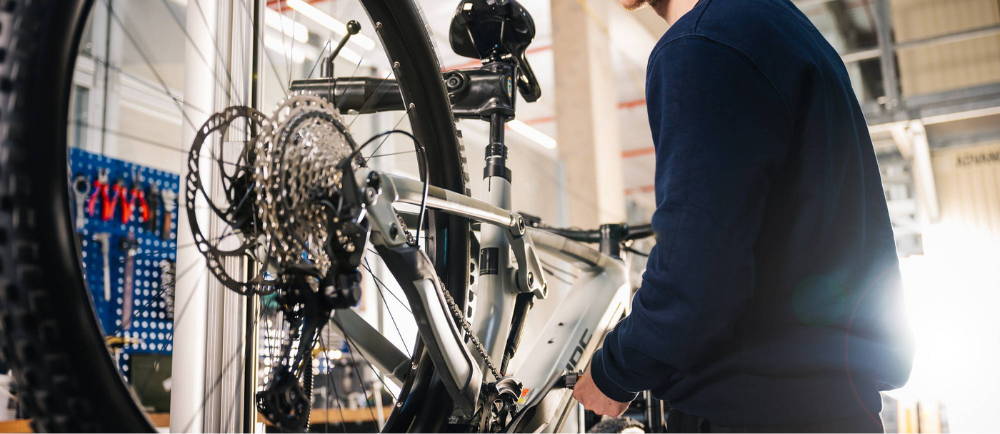
- Drivetrain care: Inspect the chain for dirt, dryness, or excessive wear. Clean and lubricate as needed, wiping away excess lube so it doesn’t attract grit.
- Brake inspection: Test both brakes for firm lever feel and reliable stopping. Look for worn pads, rubbing, squealing, or reduced braking power.
Frequently Asked Questions
How do I fix an electric bike that won’t turn on?
Why is my e-Bike battery not charging?
Check the charger for damaged cables or bent plugs and try a different electrical outlet. You should also inspect the battery connectors for corrosion, water, or debris. If the battery is swelling or overheating, stop using it and seek professional service.
How do I fix an electric bike motor that isn’t working?
First, check that the battery is properly connected and look for damaged or loose cables and connectors. If the motor makes internal grinding or unusual noises, professional repair is recommended rather than attempting to open the motor yourself.
What electric bike problems can I fix at home?
Safe DIY e-Bike repairs include reseating the battery, inspecting connectors, checking the charger, correcting tire pressure, inspecting brake pads, cleaning and lubricating the chain, and checking visible cables.
When should I take my electric bike to a repair shop?
Take your e-Bike to a specialized shop for safety risks such as a swelling or overheating battery, advanced electrical diagnostics, complex hydraulic brake work, or internal motor problems. Specialized shops have the tools and software needed for deeper diagnostics.
Key Takeaways
- Start with simple checks: Routine maintenance involves checking the battery, connectors, charger, cables, tires, brakes, and chain.
- Troubleshoot by symptom: Common problems like the e-Bike not turning on, battery issues, motor or pedal-assist failure, brake problems, and error codes can normally be diagnosed and fixed.
- Know when to stop DIY repairs: Battery swelling/overheating, internal motor problems, and advanced electrical or hydraulic repairs should be handled by a professional.