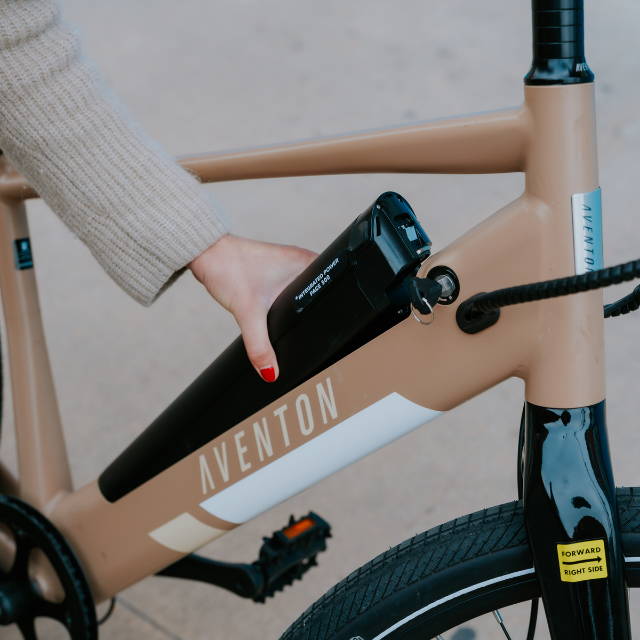
You would be surprised, but the most common problem is the electric bike's pedal-assist sensor (PAS) being dirty or needing replacement. It's rarely battery or motor-related.
How to Fix Pedal Assist on an E-Bike
Written by: Robbie Ferri | June 30, 2026 | Time to read 6 min
Most riders assume pedal assist is either working or not working. In reality, there is a huge middle ground where the system technically works but doesn't feel right. This needs fixing.
More about the Author: Robbie Ferri
Robbie is a UK-based ultra cyclist, former bike shop worker, and qualified bike fitter. Deeply passionate about e-Bikes and adventure cycling, he combines hands-on experience with real-world riding to help others go further on two wheels.
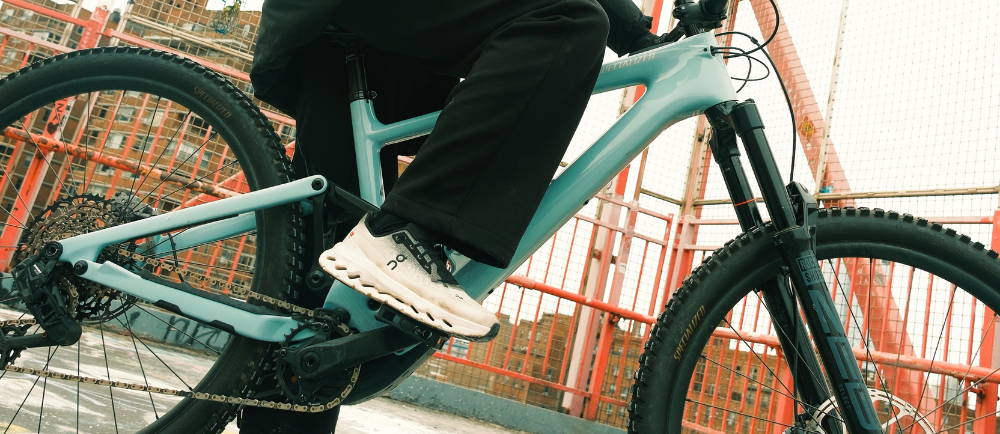
Pedal assistance on an e-Bike feels like overnight you have grown the legs of a professional cyclist. Hills, easy, headwinds, easy, big miles, easy. However, when it isn’t working, it feels like your cycling legs came from your grandma.
Fortunately, when pedal-assist systems do stop, they are not always difficult to sort. It’s often simple little issues that can be easily fixed. In this article, we’re going to be discussing how to fix your e-Bike and its pedal assist system with ease.
👋 Welcome to Upway!
Upway is your top destination for buying and selling e-Bikes online. Discover your next e-Bike at up to 60% off retail prices, available in new or like-new condition.
How Does A Pedal Assist System Work?
- You start pedaling: Your legs start moving, and the bike gets momentum.
- The sensor detects: The cadence or torque sensor tells the bike you're pedaling.
- The controller engages the motor: The bike's brain turns on, sending power to the motor.
- The motor helps you: Continues until you brake or stop pedaling.
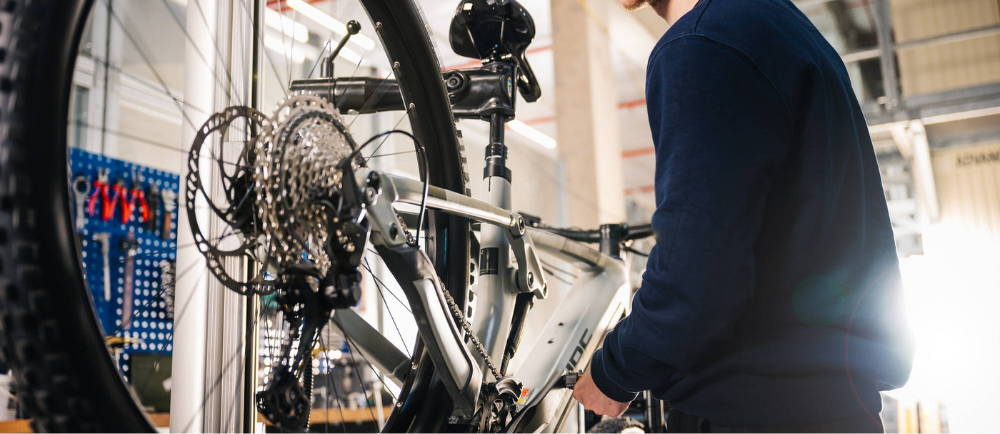
How To Diagnose And Fix A Pedal-Assisted System
Now for the exciting process of fixing your pedal assist. I personally am such a geek when it comes to repairing bikes and always think of it as a challenge or a game, probably should get out of the workshop more. The same process works on the majority of e-Bikes, from e-MTB to gravel, and even commuters.
Step One: The Basics
Every good repair starts with an inspection. I personally start by cleaning the bike. It’s really hard to find problems when your bike is dirty. Give the bike a good clean down, removing any mud or dirt. Dirt ingress into sensors is a common problem and can also hide broken components.
Next, in my opinion, the best thing to do is to fully charge it so you know it’s 100% ready to go. Check the screen for any warnings or error codes also. If you have an error code, investigate that first.
Then, although this might sound silly, check that the bike is in a pedal-assist mode. Something with some kick, so you know it's working again. I have even made this mistake before. As an e-Bike expert, I am embarrassed to admit that I often forgot to have the assist on when testing a bike.
Step Two: Check Your Pedal Sensors
Sensors are often the issue when pedal assist stops working. If your bike uses a cadence sensor, inspect the magnet ring or magnetic disk near the crank. If your bike uses a torque sensor, inspect the sensor area and its wiring for signs of damage or loose connections.
It's also good to check the sensor alignment to ensure the magnets pass closely together without touching. Other magnets are generally on the crank arm. The amount of time I have seen this, if I had a penny.
Step Three: Check Your Brake Cut-Offs
If step two has gone well, it’s time to check your brake sensors. These are small brake switches mounted on the brakes that engage when the lever is pulled. If your brakes haven’t fully returned to their original position, they will stop the bike’s pedal assistance from working.
Step Four: Inspect Wiring
Once the sensors have all been checked, it’s a good time to start looking at the wiring going to them. Looked for any broken or snagged wires. I feel it’s important to unplug each connector and check for bent pins or corrosion. Try to avoid removing the entire wiring harness, as tempting as it is, or you might run into motor issues, too.
If you see any problems here, such as cable breaks or damaged pins, get another sensor if you can. Repairs don’t always work great. Any corrosion can be cleaned with a connector cleaner. Please don’t use water and a tough wire brush.
Step Five: Update Firmware
If you have completed all of the above and are using a high-end system such as the Bosch or Shimano system, consider a firmware update. These updates can fix bugs that arise over time and should be applied regularly.
Step Six: Start Replacing Sensors Or Seek Help
Finally, we have step six. Here’s an interesting step. If your bike is still not working, you might want to consider replacing the cadence sensor if you have one. It could just have an internal fault and is often pretty cheap and easy to replace. If you have a torque sensor, it is often internal and can be expensive to replace, so I would avoid replacing it until I see an expert.
When To See An Expert
Once the cadence sensor has been replaced, you're at a funny place. Not “haha” funny, but incredibly awkward, and you're laughing because crying isn’t as fun. You could start replacing more and finding that it’s not fixing anything, but it’s costing you a lot of money.
A fresh expert set of eyes here is going to be your best bet. Let an expert have a look and help you find the problem. You don’t have to pay them to fix it, but paying for a diagnosis is well worth the money.
Why Does My Pedal Assist Feel Jerky?
We often get feedback from readers about pedal assist feeling jerky. It works, but it’s not smooth. This comes down to these problems commonly. In this situation, it's worth digging deeper into the bike model you're using to see if there are any simple fixes. The most common being a very deep clean of your bike. Other issues might be.
- Cadence sensor delay
- Loose sensor
- Dirty magnet ring
- Sticking brake sensor
- Low battery (voltage)
- Software issues
Is It Time To Upgrade?
Is your bike giving you problems? Maybe it’s time to upgrade. Upway sells pre-owned e-Bikes. These come with a year's warranty and are all professionally and mechanically inspected, with any necessary work completed before they reach you. You can even visit an UpCenter to take a test ride.
🤝 Enjoy an even greater discount when you trade in your old electric bike today!
Click here for a price estimation
Frequently Asked Questions
Why has my pedal assist suddenly stopped working?
What's the difference between a cadence sensor and a torque sensor?
A cadence sensor detects that you're pedaling, while a torque sensor measures how hard you're pushing on the pedals. Torque sensors provide a much more natural ride feel, and I find they offer a better experience than basic cadence-based bike pedal-assist sensors.
Can a low battery affect pedal assist?
They can, yes. You know when you have a torch, and it drops into its lower power modes to protect the battery from completely emptying, well, a bike is much the same.
Key Takeaways
- Start with the simple fixes: Many pedal-assist problems stem from dirt, loose connectors, misaligned sensors, or incorrect settings rather than expensive component failures.
- Work through the system step by step: Checking the battery, sensors, brake cut-offs, wiring, and software in a logical order is far more effective than replacing parts at random.
- Don't be afraid to ask for help: If you've completed the basic checks and the bike still isn't performing properly, a professional diagnosis can save time and money by accurately identifying the fault.