Yes. A loose battery, display, controller, or motor connector can briefly interrupt power or signal flow. That can shut the bike off, restart the display, stop pedal assist, or make the motor stutter, especially over bumps or when turning the handlebars.
How to Fix an E-Bike With Power Loss From a Loose Connector
Written by: Chris Van Leuven | June 14, 2026 | Time to read: 8 min
Learn how to find and troubleshoot e-Bike connectors that cause intermittent power loss, motor stutter, display shutdowns, corrosion issues, and battery connection problems.

More about the Author: Chris Van Leuven
Chris is a writer, climber, and founder of Yosemite E-Biking in Mariposa, CA. When he’s not tackling Sierra Foothills trails or scaling rock walls, he’s crafting adventure stories with his boxer, Fenster. His work has appeared in Outside, Men’s Journal, Gripped, and Best American Sports Writing.
An e-Bike that cuts out once is annoying. I’ve seen this happen plenty of times, and sometimes—often times—a simple restart fixes it. And sometimes it’s the first clue that something is loose. However, an e-Bike that cuts out, comes back, cuts out again, and then acts normal in the garage is worse. That kind of intermittent power loss can make you feel like you have no idea what’s going on.
The battery looks charged, the display turns on, and the motor may work for the first few minutes. Then you hit a bump, turn the handlebars, start up a hill, or roll through a rough stretch, and the bike loses power. A loose connector is one of the first things I’d check.
This is not a full electrical diagnosis. It’s the first-pass test for the kind of problem that only shows up when the bike moves. E-Bikes vibrate, get wet, get hauled on racks, and sit in garages or storage sheds. Batteries come on and off. Wires run through tight spaces near the motor, controller, display, brake sensors, and battery mount. Over time, a connector can loosen, corrode, bend a pin, or get dirty enough to interrupt power.
Some connector problems are easy to spot, while others are not worth poking at. Lithium-ion batteries and e-Bike wiring are not places to get creative. If you see melted plastic, burn marks, a swollen battery, damaged wiring, or anything that smells hot or electrical, stop riding and take the bike to a qualified e-Bike shop.
👋 Welcome to Upway!
Upway is your top destination for buying and selling e-Bikes online. Discover your next e-Bike at up to 60% off retail prices, available in new or like-new condition.
Table of Contents
What a loose connector feels like on an e-Bike
A loose connector doesn’t act like a dead battery, since a dead battery is usually more obvious. The bike won’t turn on, the display stays dark, or the battery won’t charge. A loose connection is harder to spot.
The bike may work fine on smooth pavement, then shut off over bumps. The display may flicker. Pedal assist may disappear for a second, then come back. The motor may stutter under load, and the throttle may work sometimes and not others. The screen may restart, and you may see an error code or get nothing useful at all.
Typical signs include:
- Power cuts out when you hit bumps
- Display turns off or restarts
- Motor stutters, surges, or stops assisting
- Battery shows a charge, but the bike acts dead
- Assist disappears when turning the handlebars
- Error codes appear but then disappear
- The problem gets worse in wet weather
- Light cable or battery movement causes the issue
That last one is important. If the bike loses power when you gently move the battery, display, handlebar wiring, or motor cable, you may have found the area causing the problem. But be careful with the wiggle test; you’re not trying to yank wires around. You’re noticing whether light movement causes a power interruption.
Where to check first
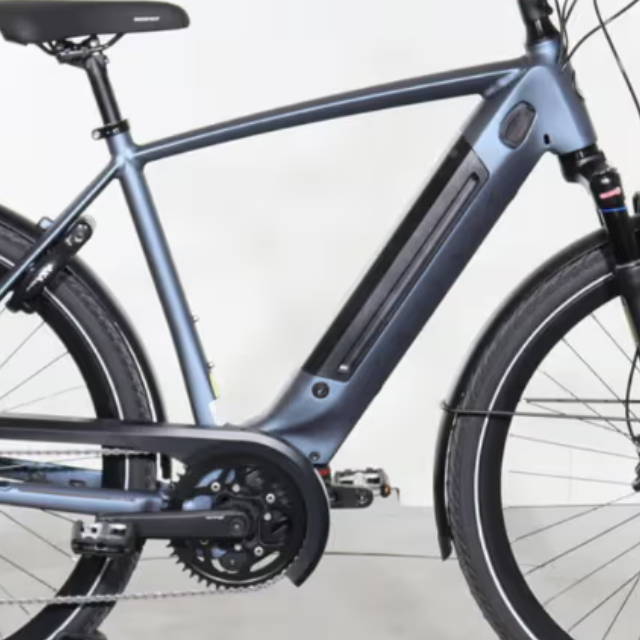
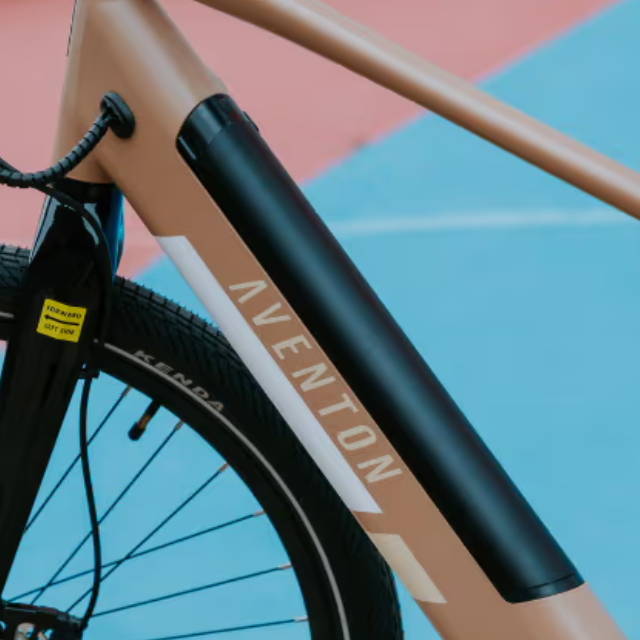
Start with the parts that move or are removable. The battery connection is the first place to look. If the battery is not seated all the way, if the locking mechanism is loose, or if the battery mount has worn slightly, the bike can lose contact for a split second. That’s enough to shut down the system.
Next, check the display and control unit. Some displays are removable, and if they’re not fully clicked into place, the bike may not power up correctly or may shut off during the ride. Handlebar controls can also get bumped, twisted, or pulled during transport.
Then check the wiring near the handlebars. This is a common trouble spot because the bars turn left and right. If a cable is too tight, routed poorly, or pulled at full steering lock, it can stress the connector. This happened to me once when I was way out in the field, and I fixed it with a Leatherman tool and a kid’s Band-Aid. It’s worked perfectly ever since.
After that, check the motor cable. On hub-drive e-Bikes, look near the rear axle. On mid-drive e-Bikes, look near the motor area. Motor connectors carry important power or signal wiring, so a loose plug can cause motor stutter, sudden power loss, or no assist.
The controller area matters too, especially on e-Bikes with an external controller box or wiring harness. The controller is basically the traffic manager between the battery, display, motor, sensors, and throttle. A loose controller connector can create confusing symptoms because the problem may look like a battery issue one day and a display issue the next.
| Area to check | What to look for | What it can cause |
|---|---|---|
| Battery mount and contacts | Loose battery, dirty contacts, corrosion, bent pins, heat marks | Bike shuts off, display goes dark, power cuts over bumps |
| Display and control unit | Display not clicked in, loose plug, worn mount | No power, flickering screen, random shutdown |
| Handlebar wiring | Cable pulled tight when steering, loose brake sensor or throttle plug | Cutouts while turning, throttle issue, brake sensor error |
| Motor cable | Loose connector, damaged wire, bent pin, water intrusion | Motor stutter, no assist, intermittent power |
| Controller wiring | Loose harness, moisture, corrosion, damaged connector | Random electrical issues, error codes, power loss |
How to inspect and reseat a connector safely
Before you touch anything, turn the e-Bike off and remove the battery. Don’t inspect connectors with the system powered on, and don’t poke metal tools into battery contacts. Don’t bridge pins. A short circuit can quickly damage components and be dangerous. Work somewhere dry and well-lit. If the bike is wet, dry it first.
Start with the battery. Remove it, then reinstall it firmly. Listen and feel for the lock or latch. Check that it doesn’t rattle in the mount. Look at the battery contacts and the bike-side contacts. You’re looking for dirt, green or white corrosion, dark spots, bent pins, or melted plastic.
If the contacts are only dusty or slightly dirty, use a clean, dry cloth. For grime, a small amount of electrical contact cleaner can help, but use the right product and let everything dry fully before reinstalling the battery. Don’t spray random household cleaners into an e-Bike battery mount.
Next, check visible connectors. Many e-Bikes use waterproof round connectors, often Higo or Julet-style plugs, with alignment arrows. Some use XT60, XT90, Anderson Powerpole, bullet connectors, JST plugs, or brand-specific wiring inside the frame.
Don’t try too hard to fit anything. If a connector has arrows, line them up. If it has a threaded collar, tighten it by hand. If it has a locking tab, make sure the tab seats. The connector should go together straight and firmly, not at an angle. If you push too hard, you can bend a pin. I’ve done that, too.

A basic connector reset looks like this:
Turn the e-Bike off, remove the battery, locate the troublesome connector, inspect it for moisture or damage, gently separate it, check that the pins are straight, reconnect it firmly, secure the cable so it is not pulled tight, reinstall the battery, and test the bike in a safe area.
If the problem only happens while steering, turn the handlebars slowly left and right while the bike is stationary. Watch the display. Make sure the cables are not stretched at either end of the turn. If power drops out or the display flickers, stop there. You’ve found a clue. If the connector is loose because a wire is too short or routed badly, the real fix may be cable routing, not just pushing the plug back together.
For corrosion, go slow. Light surface oxidation may clean up. Heavy corrosion, blackened pins, melted plastic, or arcing damage is different. That connector might require replacement. Replacing connectors can involve soldering, crimping, heat-shrinking, and waterproofing, and it depends on the wire gauge and polarity. That’s shop work for most riders.
When the fix is not a DIY job
There’s a line between maintenance and electrical repair, and you can damage your e-Bike badly if you get it wrong.
Take it to a shop if you see:
- Burn marks or melted connector plastic
- A hot smell near the battery, controller, or motor cable
- Exposed copper wire
- A swollen, cracked, or deformed battery case
- Bent battery terminals
- A connector that sparks repeatedly
- A wire pulled partly out of a plug
- Error codes that return after reseating connectors
- Water inside a connector or controller box
- A problem that affects braking sensors or throttle control
This is also where warranty matters. If the bike is still under warranty, don’t cut connectors, solder wires, or replace plugs before checking with the brand or dealer. That can and will void your warranty and turn a covered repair into your problem.
A multimeter can help diagnose voltage or continuity problems, but only if you know what you’re testing. Guessing with a multimeter around an e-Bike battery is not the same as checking AA batteries in a TV remote. E-Bike battery packs store a lot of energy.
The best at-home fix is often simple: make sure the battery is seated, connectors are clean and fully inserted, cables are not under tension, and nothing looks damaged. If that solves it, great. If it doesn’t, the next step is a real diagnosis or a trip to a shop.
This is one place where Upway’s inspection process is great. Certified pre-owned e-Bikes on Upway undergo a 50-point inspection and come with a 1-year warranty and a 14-day return period, so you’re not starting from a mystery bike with unknown wiring, battery, and connector issues.
Frequently Asked Questions
Can a loose connector make an e-Bike shut off while riding?
Is it safe to clean e-Bike battery contacts?
Light cleaning can be okay if the bike is off, the battery is removed, and you use the right method, or take the bike to a shop. A clean, dry cloth is the safest first step. Electrical contact cleaner may help with dirty contacts, but do not use water, household cleaners, metal tools, or anything that could short the terminals. If you see burn marks, melting, or heavy corrosion, stop and go to a shop.
Should I solder a new connector onto my e-Bike?
Only qualified experts should. Connector replacement requires correct polarity, wire gauge, waterproofing, soldering or crimping, heat-shrink tubing, and safe battery handling. If you get it wrong, you will damage the controller, battery, motor, or wiring. For a damaged connector, a qualified e-Bike shop is the best call.
Key Takeaways
- Intermittent power loss often points to something moving: battery mount, display, handlebar wiring, motor cable, or controller connector.
- Turn the bike off and remove the battery before inspecting connectors. Never poke metal tools into battery contacts.
- Light dirt is one thing. Melted plastic, burn marks, bent pins, exposed wire, water intrusion, or a swollen battery mean stop riding and call your shop.
There is more to Explore
Visit below articles for more info about electric bikes