New brake pads and rotors typically take time to bed in properly. A thin layer of pad material transfers to the rotor, making it gritty and improving braking performance. They are often a bit weak and noisy until bedded in.
How To Fix E-Bike Brakes: Common Problems and Solutions
Written by: Robbie Ferri | June 23, 2026 | Time to read 6 min
Your motor might help you go faster, but it's the brakes that keep you out of trouble. Whether your e-Bike brakes are making strange noises, rubbing constantly, or struggling to stop the bike effectively, most issues are easier to fix than you might think.
More about the Author: Robbie Ferri
Robbie is a UK-based ultra cyclist, former bike shop worker, and qualified bike fitter. Deeply passionate about e-Bikes and adventure cycling, he combines hands-on experience with real-world riding to help others go further on two wheels.
Brakes are fairly important on bikes… actually, you probably shouldn’t leave the house without them. I remember years ago going to see a bike to buy, went to take it for a test, and pulled the brakes, but they just wouldn't work. I got the bike really cheap, but I had to invest in therapy afterward.
Surprisingly, brakes are not the worst thing to fix on a e-Bike and can mostly be done at home with basic bike tools. I have been lucky enough to have a lot of experience with brakes and actually love working on them because of how much better they feel when they're done.
👋 Welcome to Upway!
Upway is your top destination for buying and selling e-Bikes online. Discover your next e-Bike at up to 60% off retail prices, available in new or like-new condition.
What Are The Different Types Of Brakes On E-Bikes?
Most e-Bikes are equipped with pretty good brakes. This is because they need them. Not only do you have all this power from the motor, but you also have the extra weight of all the components, which makes it harder to slow down. There are different types of brakes on e-Bikes, and it’s good to know what they are before you attempt a fix.
Rim Brakes
Rim brakes use a cable to press two pads against the rim. This friction slows the bike down. These brakes are not great for e-Bikes. They are terrible in the wet, not very powerful, and, personally, I don’t think they are always suitable for e-Bikes because they wear down rims over time.
Mechanical Disc Brakes
Mechanical disc brakes use a cable to pull pads in a caliper onto a disc attached to a wheel. They create friction through the disc and the pads to slow the bike down. These are much better than rim brakes: the disc is replaceable, and when it's in poor condition, they work much better, though not with amazing power.
Hydraulic Disc Brakes
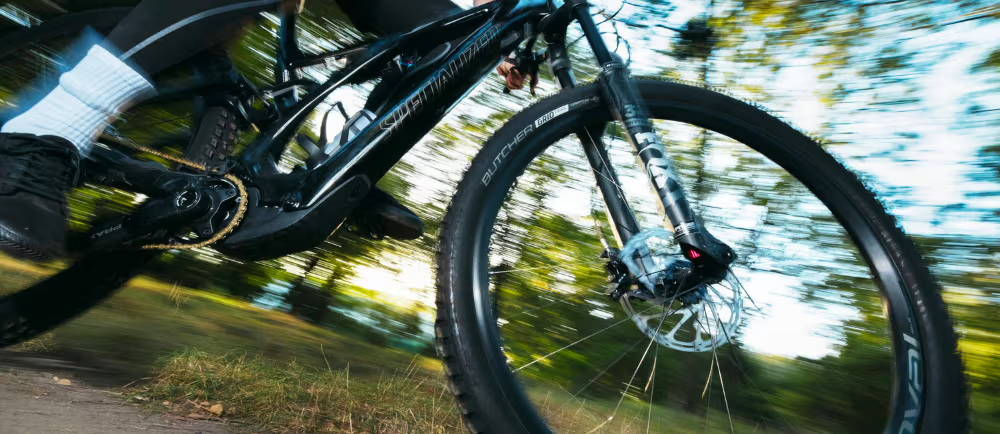
Hydraulic disc brakes are excellent. They work just like mechanical disc brakes, but instead of cables, they use hydraulic brake fluid. They are typically self-adjusting, incredibly powerful, and highly reliable, with minimal maintenance over time. Personally, these are the best and only brakes you should see on cargo, e-MTB, and gravel e-Bikes.
Common Problems And Causes
Now for the exciting part. Let’s discuss problems and causes, and then we will tell you how to fix them. Here’s what you need to know.
| Problem | Common Causes | Common Solutions |
|---|---|---|
| Brakes Squeal | Contaminated pads, dirty rotor, glazed pads, wet conditions | Clean the rotor with brake cleaner, lightly sand glazed surfaces, and replace contaminated pads if necessary. |
| Brake Rub | Bent rotor, misaligned caliper, loose wheel | Realign the caliper, straighten or replace the rotor, and ensure the wheel is correctly seated. |
| Poor Stopping Power | Worn pads, contaminated pads, worn rotor, poor adjustment | Replace worn pads, clean the rotor, adjust the brakes, and consider a brake bleed or cable replacement. |
| Spongy Brake Lever | Air in the hydraulic system, old fluid, leaking seals | Bleed the brakes, replace the hydraulic fluid, and inspect the system for leaks. |
| Brakes Feel Weak in Wet Weather | Wet rotors, contaminated pads, worn pads | Dry the rotors, replace contaminated pads, and consider upgrading pad compounds if needed. |
| Brakes Lock Up Easily | Poor adjustment, contaminated rotor, aggressive pad compound | Adjust the brake setup, clean the rotor, and consider switching to a different pad compound. |
| Brake Lever Pulls to the Handlebar | Worn pads, stretched cable, hydraulic leak, air in system | Replace pads, adjust or replace cables, repair leaks, or bleed the hydraulic system. |
| Grinding Noise When Braking | Worn-out pads, damaged rotor, trapped dirt | Replace pads immediately, inspect the rotor for damage, and remove any debris. |
| Vibration Under Braking | Bent rotor, loose wheel, worn bearings, contaminated rotor | True or replace the rotor, check wheel security, inspect bearings, and fit new pads if required. |
| Uneven Braking Performance | Sticky piston, uneven pad wear, caliper misalignment | Clean and lubricate pistons where appropriate, replace pads, and re-center the caliper. |
I have been a bike mechanic for a long time and have worked on many different brakes. As you can see in this list, a lot of it comes down to contamination and neglected maintenance over time.
How To Fix Your E-Bike Brakes
Next, let’s discuss how we are going to fix your brakes. Although we offer some simple solutions, the most success you will have comes from getting everything apart and back to normal with some fresh parts. We will discuss disc brakes as they are on 99% of e-Bikes. Only do this if you feel confident working on a bike and know how to spot potential issues that could cause the brakes to fail. If not, head to a bike shop.
You Will Need
- Allen Keys
- Brake Cleaner
- Sandpaper (Optional)
- Bike Stand (Optional)
- Bleed Kit (Optional)
Step One - Take It All Apart
First, you'll want to get it all apart. Remove the wheel from the bike, and then find the pad safety clip and remove it. Once removed, pull the pads out and set them aside.
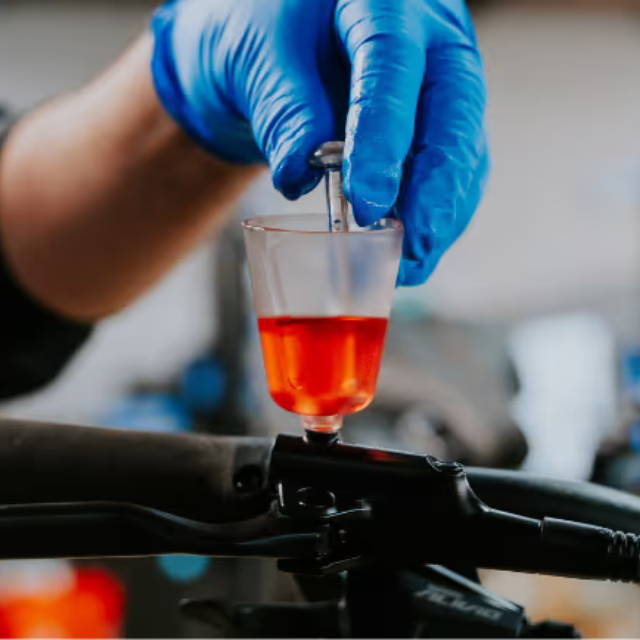
If you are using hydraulic braking systems on a bike such as a full-suspension e-MTB, you will want to reset the pistons. You can do this with a blunt object, such as a tire lever, by pushing it back into the caliper. On mechanical cable brakes, you won’t need to do this.
Step Two - Inspect And Replace Parts
It’s really important when working on brakes not to go cheap and push parts past the end of their life. Start by checking your pads. If shiny and glazed over or low, just throw them away and replace with new pads. The next discs must be at least 1.5 mm wide on most bikes, or they must be replaced.
You will now want to check the caliper. Look for anything that might look broken, loose, or leaking. If you are using hydraulic brakes and they feel spongy, you can bleed them here. This is where you put new oil in using a bleed kit. Different bleed kits work differently, so follow the instructions with the kit you get. For cable brakes, just swap the cable over now.
When you’re ready, get the new parts, such as discs and pads. If you are not replacing the discs, I recommend cleaning them with disc brake cleaner and maybe running some sandpaper over them to roughen them up.
🤝 Enjoy an even greater discount when you trade in your old electric bike today!
Click here for a price estimation
Step Three - Rebuild And Adjust
Next, you’re going to want to get the parts all back together with the pads in first, not forgetting the safety pin and clip, and then get the wheel back in. Make sure everything is tight and that no cables are in the way of the wheel.
Now time for adjustments. Take the Allen key and go to the brake caliper. Slowly loosen the caliper screws by just half a turn until they are slightly loose. Pull the brake tight. You might need to do this a couple of times on hydraulic brakes. Then hold super tight and tighten the caliper bolts back up.
Once tight, you should be able to spin the wheel without tinking from the disc brakes on the pads. If you do, slightly loosen the caliper and move it to where it is free. If you are using cable brakes, loosen the cable and tighten it until it sits 1mm from the disc. Finally, get it out for a quick test, and you should be all perfect.
If you’re looking for an amazing e-Bike, why not consider Upway? Refurbished e-Bikes at up to 60% less than the cost, with mechanical and electrical inspections and any servicing done prior. Make sure to check out our bikes!
Frequently Asked Questions
How long do new e-Bike brakes take to bed in?
Is upgrading to hydraulic brakes worth it?
E-Bikes are heavier and often travel at higher average speeds than standard bicycles. Hydraulic brakes are more powerful, require less maintenance, and are much easier on the hands. Get rid of the brake cable on electric bikes and replace it with a brake line full of hydraulic fluid, in my opinion.
Why are my e-Bike brakes squealing?
Squealing is usually caused by contamination from oil, cleaning products, and nasty road grime. As soon as it's on the brake pads and rotors, it's incredibly hard to clean and needs a decontaminant.
Key Takeaways
- Most Brake Problems Are Simple Fixes: Squealing, rubbing, poor braking power, and weak levers are often caused by worn pads or contaminated pads. Brakes very rarely go wrong. They just get contaminated and need a service.
- E-Bikes Put More Stress on Brakes: The extra weight and speed of an e-Bike wear everything out much faster. Not only are the pads being ripped through, but the disc rotors and much more are as well.
- Don't Ignore Brake Issues: Small problems can quickly become safety concerns. Letting pads hit metal and rotors fall apart is so dangerous; just avoid it altogether and stay on top of the issues.