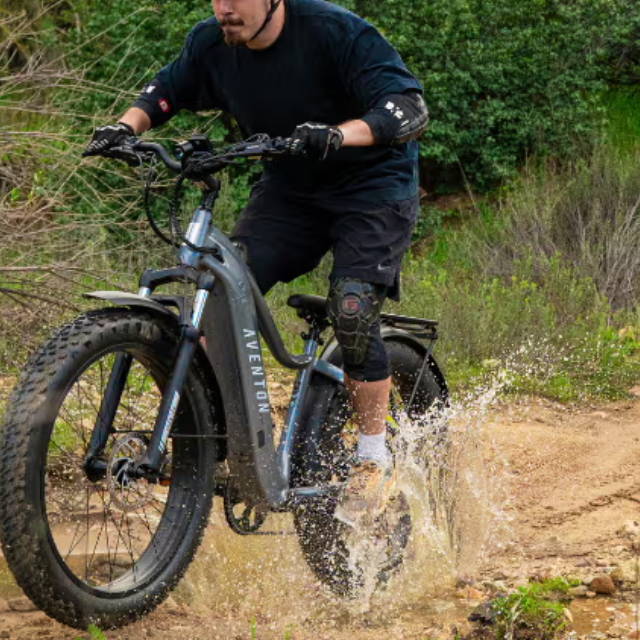
Hills create a sustained load. The motor, controller, and battery all work harder, especially if you’re climbing slowly, using high assist, carrying cargo, or riding in hot weather. Shift into an easier gear and lower assist on long climbs.
Electric Bike Overheating: Causes, Warning Signs, and Fixes
Written by: Chris Van Leuven | June 28, 2026 | Time to read: 7-8 min
Learn why electric bikes overheat, including motor, controller, and battery causes, warning signs, hill-climbing issues, cooling tips, and when to call a mechanic for e-Bike repair.

More about the Author: Chris Van Leuven
Chris is a writer, climber, and founder of Yosemite E-Biking in Mariposa, CA. When he’s not tackling Sierra Foothills trails or scaling rock walls, he’s crafting adventure stories with his boxer, Fenster. His work has appeared in Outside, Men’s Journal, Gripped, and Best American Sports Writing.
An e-Bike can feel like it can go anywhere, do anything, until it gets too hot. One especially long hill, a heavy load, a slow climb in high assist, or a hot summer ride can make a smooth bike feel overstressed on its systems, cut power, flash an error code, or smell like something is off.
That’s when overheating happens. Electric bike overheating can happen in the motor, controller, battery, wiring, or even the drivetrain. Sometimes the bike protects itself and cuts power before anything serious happens. Sometimes it gives you warning signs first: weaker assist, a hot battery, a burning smell, strange noises, sluggish acceleration, or repeated shutdowns under load.
Most overheating problems get worse because riders keep asking the bike for maximum power after the warning signs start showing up (don’t do that). Let the bike cool down, then decide whether it’s a riding style issue or a maintenance problem.
In this blog, I’ll walk through what causes e-Bike overheating, what warning signs to watch for, what you can do on the road, and when to stop riding and call a mechanic.
👋 Welcome to Upway!
Upway is your top destination for buying and selling e-Bikes online. Discover your next e-Bike at up to 60% off retail prices, available in new or like-new condition.
Table of Contents
Why do e-Bikes overheat?
Heat usually shows up when the e-Bike is working hard and not getting enough relief. The classic setup is a long climb at low speed. The motor is pulling hard, the controller is sending current, the battery is under load, and the bike isn’t moving fast enough for much airflow. Add hot weather, rider weight, cargo, soft tires, high assist, and a steep hill, and the system can get cooked pretty quickly.
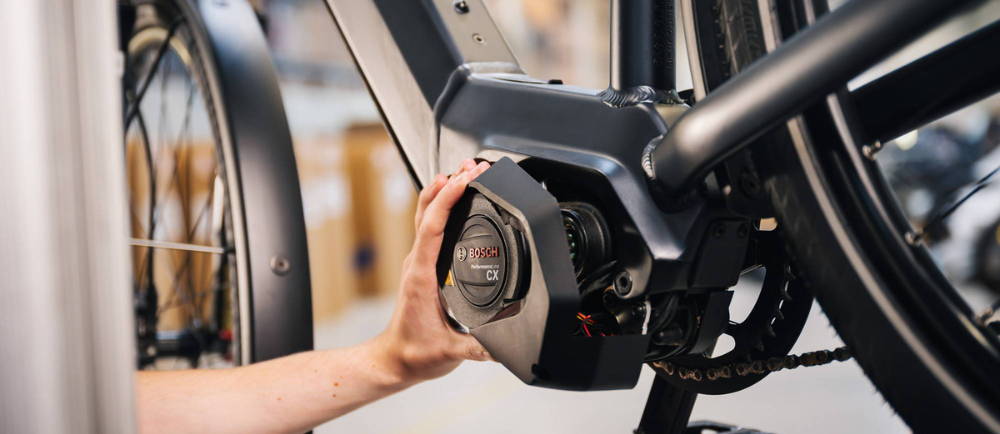
Hub motors and mid-drive motors can both overheat, but they do so in different ways. A rear hub motor can struggle when it’s pushed hard at low speed for a long time. Think steep hills, heavy cargo, soft sand, mud, or stop-and-go climbing. The motor may build heat faster than it can shed it.
A mid-drive motor uses the bike’s gears, which helps on climbs. But if you grind uphill in too hard a gear, the motor, chain, cassette, and chainring all work harder than they should. That can create heat, poor performance, and faster drivetrain wear. The controller can also overheat because it manages power between the battery and the motor.
The battery is another piece of the story. Lithium-ion batteries don’t like extreme heat. A battery that’s been sitting in the sun, stored in a hot car, or pushed hard on a climb may heat up more than normal.
Sometimes the cause is simple bike maintenance. Low tire pressure, rubbing brakes, dry bearings, a dirty drivetrain, or a wheel that doesn’t spin freely can make the whole system work harder.
| Heat source | Common cause | What to check first |
|---|---|---|
| Motor | Long climbs, low speed, heavy load, high assist | Grade, cadence, assist level, motor temperature |
| Controller | Sustained load, poor airflow, high ambient heat | Power cutouts, mounting area, error codes |
| Battery | Heat, heavy current draw, poor storage, damage | Battery case, charge behavior, smell, warning lights |
| Wiring | Loose connection, damaged insulation, high resistance | Connectors, melted plastic, hot spots |
| Bike parts | Soft tires, brake rub, dry drivetrain, bad bearings | Tire pressure, rotor rub, chain, wheel spin |
What are the warning signs of overheating?
An overheating e-Bike just starts acting differently. The bike may feel great on flat ground, then fade halfway up a climb. It may cut power, sit for a few minutes, and come back to life once it cools. It may feel weaker than it did ten minutes earlier, even though the battery still shows a charge. The display may throw a heat or system error. The motor shell, controller area, or battery may feel hotter than normal when you stop.
Sometimes the warning is more obvious. A burning smell near the wiring, battery, or motor means it’s time to stop riding and take it to a shop. So is smoke, melted plastic, a battery that smells odd, or a bike that repeatedly shuts down under load.
Power loss on hills but not on flat roads is also worth paying attention to. A bike that cuts out under heavy load and then comes back after resting may be protecting itself from heat. It may also be dealing with voltage sag, controller trouble, a weak battery, or a bad connection. The symptom alone doesn’t prove the motor is dying. Warm is normal. Too hot to touch comfortably is not. If you smell burning plastic or see smoke, stop. That’s not a “ride it home and see” situation.
What should you do if your e-Bike gets hot?
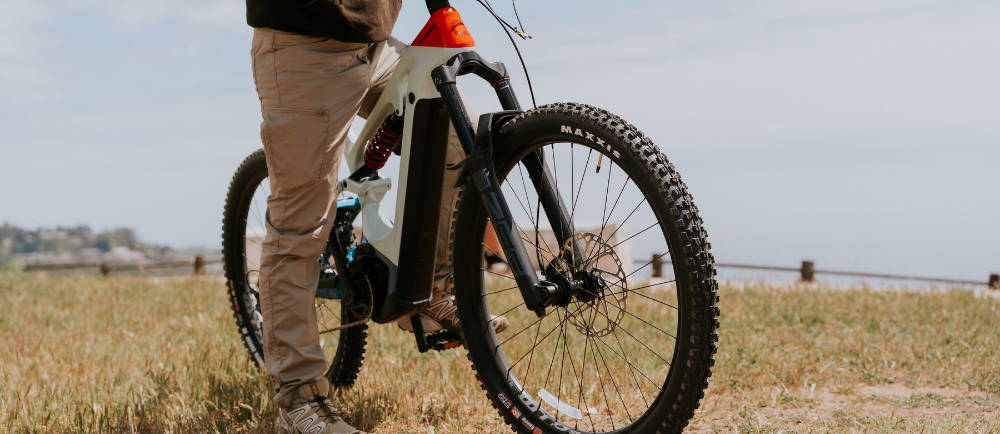
First, stop asking the bike for more power. Pull over somewhere safe. Turn the assist down or turn the bike off. Let the motor, controller, and battery cool. Don’t keep cycling through assist modes, mashing the throttle, or restarting the bike every thirty seconds.
Even a short break can make a big difference if the bike is simply hot from a climb. If the battery is hot, damaged, swollen, smells strange, or the bike shows repeated errors, don’t charge it and don’t keep riding.
While you wait, look at the basics. Check tire pressure, brake rub, and any visible wiring damage. Make sure a bag, jacket, cargo item, or accessory isn’t blocking airflow around the controller or battery area. Don’t yank on connectors.
Then think about what happened right before the heat showed up. Were you climbing slowly in high assist? Carrying cargo? Riding into a headwind? Using throttle heavily? Riding on soft tires? Crawling up a dirt road? Riding in 95-degree heat? That context matters more than any single symptom.
If the bike cools down and rides normally again, take it easy. Use lower assist, shift into an easier gear, pedal at a steady cadence, and avoid going right back into the same hard climb.
How can you prevent overheating?
The easiest way to deal with overheating is to avoid making the bike fight you.
Start with riding style. On climbs, use the right gears. Don’t lug the motor in a hard gear at low speed. Shift earlier than you think you need to, especially on a mid-drive e-Bike. Keep your cadence comfortable and steady. If the bike feels like it’s grinding its way uphill, it probably is. On a hub-drive e-Bike, be careful with long, slow climbs and heavy throttle use. Hub motors don’t get the same mechanical advantage from the bike’s gears. If your speed drops way down and the motor is still working hard, heat can build up.
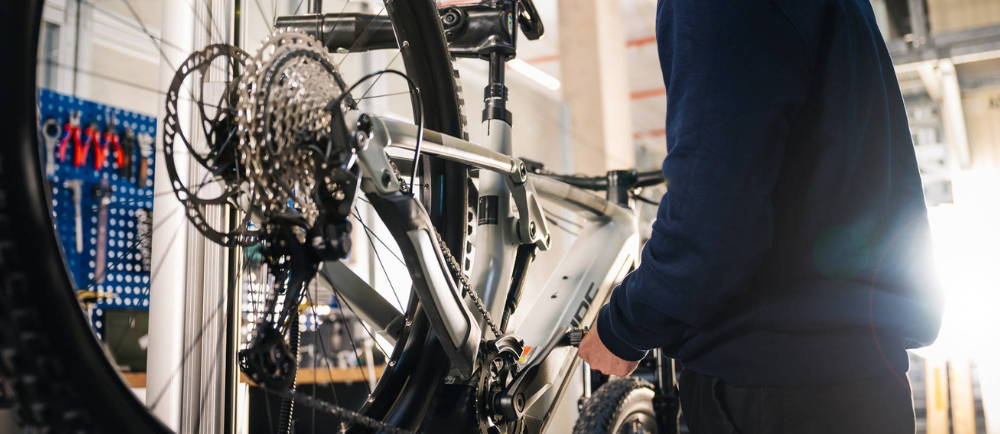
Use high assist when the terrain allows it, but don’t live there if the bike is hot, loaded, and climbing a long grade. Dropping one or two assist levels and adding more of your own pedaling keeps the ride moving without cooking the system. And keep tires properly inflated. A soft tire makes the motor work harder and drains the range faster. Check the brakes for rotor rub. A dragging brake is like riding uphill all day. Keep the chain clean and lubricated, and watch for rough bearings, bad wheel spin, or drivetrain noise. A bike that rolls poorly requires more from the electrical system.
Finally, storage matters. Don’t leave the battery baking in a hot car or sitting in direct summer sun. Charge in a dry, climate-controlled place. Use the correct charger, and don’t cover the battery or charger while charging.
When is overheating a more serious problem?
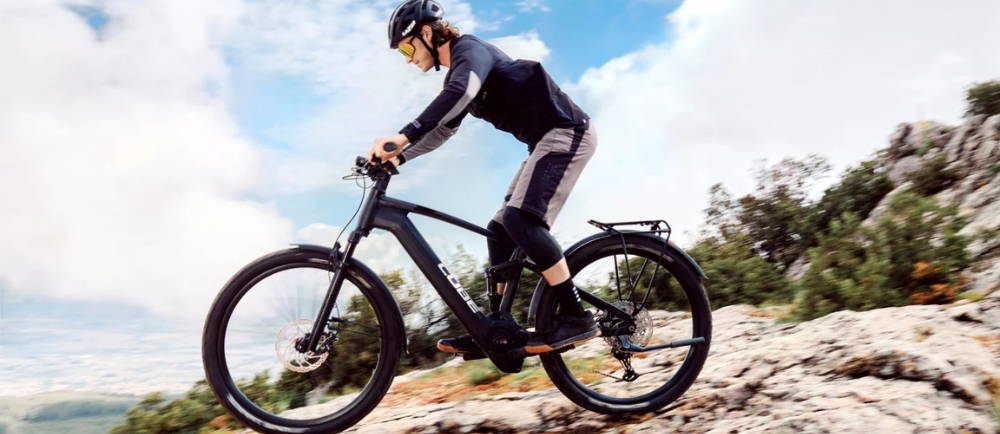
A bike getting warm on a hard ride is one thing. Repeated shutdowns are another. That’s when I’d stop troubleshooting and get the bike checked. Repeated power cuts, heat-related error codes, damaged wiring, battery overheating, burning smells, or insulation damage are all signs to stop riding and to have the bike looked at by your local shop.
Also, visit your shop if the motor stutters, the controller area gets hot quickly, the display goes blank during climbs, the battery won’t charge after a hot ride (once it's cooled), or the bike feels weaker than it used to.
Don’t open the battery, bypass the battery management system, cut wiring, upgrade the controller blindly, or add cooling parts to fix a problem I haven’t diagnosed. A shop can check the battery, controller, motor, connectors, firmware, error history, brake drag, drivetrain load, and wheel bearings. That’s the right choice if overheating keeps coming back.
Shop for certified pre-owned e-Bikes on Upway
Overheating is one reason buying a used e-Bike can feel risky. A bike may look great in photos, but still have a weak battery, a worn motor, damaged wiring, a dragging brake, a worn drivetrain, or a controller issue that only shows up under load.
That’s why you should shop for certified pre-owned e-Bikes on Upway. Before an e-Bike appears on Upway, it goes through a 50-point inspection and is backed by a 1-year warranty and a 14-day return period. You’ll still need to ride smart and maintain the bike. But starting with a professionally inspected e-Bike is the only way to go.
Frequently Asked Questions
Why does my e-Bike overheat on hills?
Can an e-Bike battery overheat?
Yes. Heat, heavy load, poor storage, damage, charging issues, or battery faults can all create problems. If the battery feels unusually hot, smells odd, looks damaged, won’t charge, or shows repeated errors, stop using it and contact the brand or a qualified e-Bike shop.
Is it normal for an e-Bike motor to get warm?
Yes. Warm is normal after climbing, carrying weight, or riding in higher assist. Too hot to touch comfortably, paired with power loss, error codes, burning smells, or repeated shutdowns, is different.
Key Takeaways
- E-Bike overheating often comes from long climbs, low speed, high assist, heavy loads, hot weather, soft tires, brake rub, or poor airflow.
- Warning signs include power loss under load, heat errors, weak assist, burning smells, hot battery or controller areas, and shutdowns that improve after cooling.
- If overheating repeats, comes with smells, smoke, melted wiring, battery heat, or error codes, stop riding and have the bike checked.