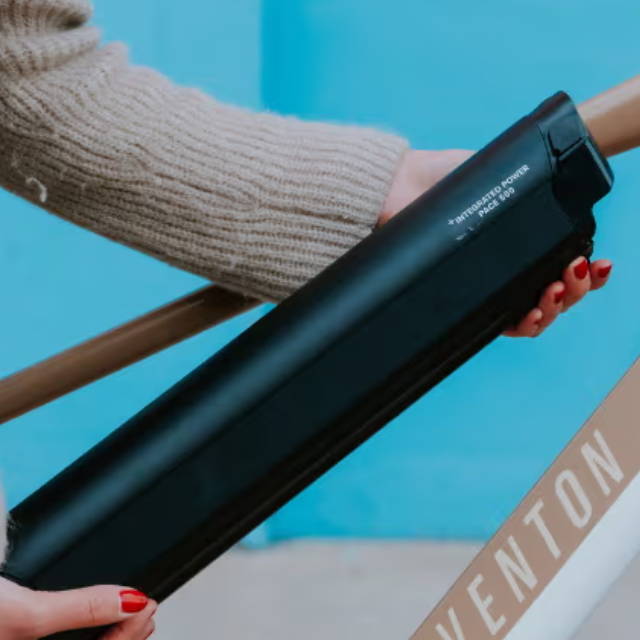
Yes, as long as it’s compatible with your e-Bike and you can secure it without exceeding the bike or rack’s weight limits. Protect it from impacts and extreme temperatures, and check the charge before you leave.
Carrying a Second E-Bike Battery on a Ride: Pro Tips
Written by: Chris Van Leuven | September 25, 2026 | Time to read: 6-7 min
Carrying a second e-Bike battery can extend a long ride. Learn how to carry a spare battery, plan charging stops, and compare range extenders and bigger batteries.

More about the Author: Chris Van Leuven
Chris is a writer, climber, and founder of Yosemite E-Biking in Mariposa, CA. When he’s not tackling Sierra Foothills trails or scaling rock walls, he’s crafting adventure stories with his boxer, Fenster. His work has appeared in Outside, Men’s Journal, Gripped, and Best American Sports Writing.
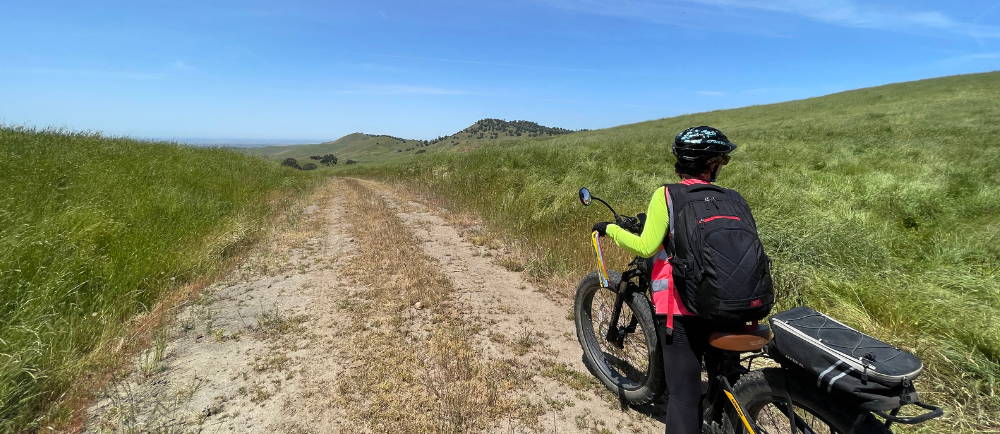
Range estimates are useful, but I wouldn’t plan a long ride around one. I’ve logged roughly 20,000 miles on e-Bikes here in California’s Sierra Foothills over the years. That’s included plenty of long days, but also flat tires, a broken chain, dead batteries, and more than a few calls for a pickup. I’ve also pedaled and pushed fat-tire e-Bikes up hills with dead batteries in places without cell service.
That’s one reason I carry a spare battery on long rides. But simply throwing another battery on the bike isn’t always the best answer. The extra weight adds up, and there are other ways to keep riding. Depending on your bike and where you’re going, a larger battery, dual-battery system, range extender, charger, or planned charging stop may make more sense.
In this blog, I’ll cover when carrying a second e-Bike battery is worth it, how I carry mine, and other ways to make sure you have enough battery to finish a long ride.
👋 Welcome to Upway!
Upway is your top destination for buying and selling e-Bikes online. Discover your next e-Bike at up to 60% off retail prices, available in new or like-new condition.
Table of Contents
Do You Need a Second E-Bike Battery?
Not necessarily. Start with the ride. How far are you going? More importantly, how much climbing is involved? How heavily loaded is the bike? What assist level do you normally use? And will there be somewhere to charge?
Where I live, climbing is the big one. A 30-mile ride through the Sierra Foothills isn’t the same battery problem as 30 relatively flat miles. Some of my rides have included more than a mile of climbing, and that’s where a range estimate can fall apart pretty quickly.
Rider weight matters, too. Two riders on identical bikes can finish the same route with very different battery levels. Add cargo, wind, temperature, and heavy pedal assist, and the difference can grow. Upway’s guide to how rider and cargo weight affect e-Bike battery life explains that in more detail.
For shorter rides, carrying another full-size battery may not make much sense. For a long ride through hilly or remote terrain, it can make the difference between finishing normally and spending the last few miles staring at the battery indicator and getting range anxiety. Published range numbers are a starting point, but they aren’t a route plan.
How I Carry a Spare E-Bike Battery
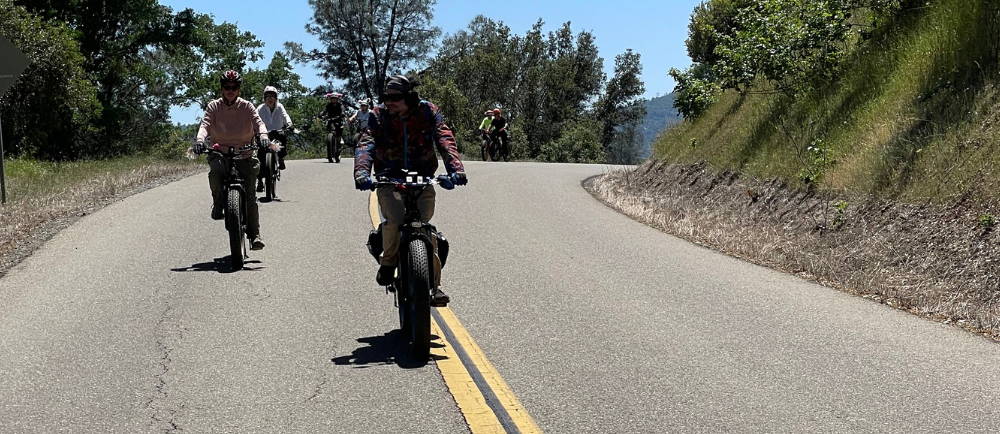
I’ve tried carrying a battery in a backpack, but I don’t recommend it if you have a better option. E-Bike batteries are heavy. Put the weight on the bike, not you.
On my Aventon Aventure, I use a waterproof battery carrier secured to the rear rack (I got it on Amazon). It can hold two batteries, but honestly, two spares are a lot. Most of the time, I carry one and use the remaining space for a water bottle, charger, and bike lock. I also pad the battery with a cut-up insulated mat so it isn’t bouncing against the rack or other gear. On my Aventon Aboundcargo bike, I use the same basic idea with panniers. And I’ve learned another lesson the hard way:
Don’t assume your spare is charged. Check it on the bike.
Once, I grabbed a battery that should have been charged, put it in the bike, and discovered it had about 10% left. To make things worse, the battery got stuck in the frame. That’s why I carry a mini flathead screwdriver now, so I can work with the locking mechanism if it doesn’t release all the way with the key. Now, before a long ride, I put each spare into the bike and turn it on. It takes seconds and confirms the battery has the charge I think it does. I don’t rely on the charger.
When I’m guiding, my support vehicle can carry spare batteries for the group. Without it, I’ve carried as many as four on the cargo bike. It works. But I wouldn’t call it fun (on the legs), especially when I have two tours in the same day, which equates to 60 or so miles.
The Pros and Cons of Carrying a Second Battery
The biggest advantage is obvious: range. If your e-Bike has an easily removable battery, swapping in a charged spare can get you moving again in a few minutes. You don’t have to search for an outlet or wait around while the battery charges. I’ve used two batteries on longer rides through the Sierra Foothills, including rides approaching 50 miles (sometimes even using a third battery). That’s exactly the kind of day when the extra weight starts making sense. And weight is the biggest drawback. A spare battery has to go up every hill with you.
There’s also the cost. A compatible replacement battery is expensive (mine are $500 each), and not every e-Bike is designed for quick battery swaps. For me, one spare is usually the sweet spot. Two is possible. I do four because I’m working, not because I’d recommend it for a normal ride.
Can You Charge an E-Bike During a Ride?
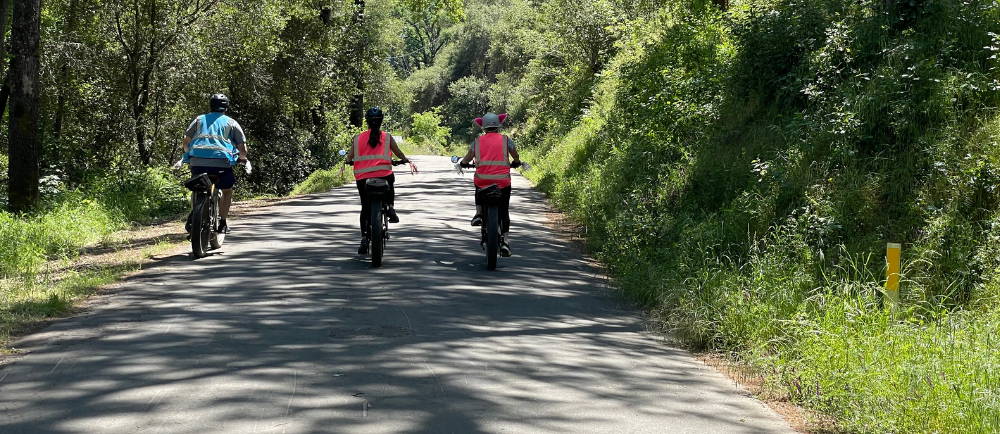
Yes, and I’ve planned entire days around doing exactly that. Sometimes, on fun rides with friends, I’ll carry the charger instead of another battery and build the route around places where I know I can find AC power. Gas stations, restaurants, county parks, and other stops can work, as long as you’re allowed to charge there (no one seems to mind, but that’s just been my experience). I’ve done rides where I’ll pedal for roughly an hour, stop and charge for about an hour, then get back on the bike and repeat.
Pack snacks and cold drinks, and the charging stop becomes part of the day. You don’t necessarily need to get back to 100%, either. If the stop gives you enough range for the next section, that’s what matters. But field charging isn’t foolproof. I’ve had chargers simply refuse to charge a battery. More than once. Battery temperature can also affect charging, so charge inside on a hot or cold day, and give the batteries some time to reach room temperature before plugging them in. Upway’s guide to charging and storing an e-Bike battery goes deeper into charging habits and battery care.
And make sure it’s actually charging before settling in for lunch, as charging in the field doesn’t always work as you’d expect it to. The more remote the ride, the less I’d rely on finding somewhere to plug in.

Bigger Batteries, Dual Batteries, and Range Extenders
A spare isn’t the only way to increase e-Bike range. If you regularly take long rides, a bike designed around more battery capacity makes more sense. A higher-capacity battery stores more energy, although it can also add weight and cost. Upway’s guide to choosing the right e-Bike battery replacement goes deeper into matching capacity to terrain and riding style.
Some e-Bikes are designed to run two batteries. That’s a cleaner solution because the bike and electrical system are built around the additional capacity. Range extenders are another option. These smaller secondary batteries are available for certain systems and can add useful capacity without the bulk of another full-size battery.
The trade-offs are straightforward:
- A bigger battery adds capacity but usually adds weight and cost.
- A full-size spare can add substantial range, but you have to carry it.
- A range extender is smaller, but generally adds less capacity.
- A dual-battery system can work well for cargo and long-distance riding.
- A charger is lighter but requires dependable power and time.
There isn’t one right setup. Think about the rides you actually do.
How to Get More Range Without Another Battery
Before buying another battery, look at how you’re using the one you already have. Assist level makes a difference. If you’re using maximum assistance on every flat section, you’re spending battery power you may want later on a climb.
Carry what you need, but don’t load the bike with gear you’ll never use. Tire pressure, terrain, wind, temperature, climbing, rider weight, and riding style can all change your actual range. Upway’s guide to extending e-Bike battery range and lifespan covers more ways to stretch a charge.
Route planning matters, too. If I know a long route has reliable power halfway through, I’ll consider carrying a charger. If I’m heading somewhere remote, I’ll take the spare. I’ve spent plenty of time riding in Sierra Foothills cell-phone dead zones, which is risky. These days, I use a phone that can send satellite messages, and before a long remote ride, I share my location with a friend. After enough miles, I’ve learned not to plan for everything to go right. Know the route. Verify the spare is charged before leaving. Have a backup plan. And leave yourself some margin.
Buy an E-Bike on Upway Today
If you’re regularly carrying another battery just to finish your rides, I’d look at the bike before buying even more gear. An e-Bike with a larger battery, dual-battery compatibility, or a range extender may be a better solution.
Battery condition matters when you’re buying used, though. That’s why Upway checks the batteries on its certified pre-owned e-Bikes and replaces batteries that fall below its required capacity threshold. Upway’s guide to how it tests e-Bike batteries before resale explains the process. That means you can shop around the rides you actually do rather than simply looking for the biggest advertised range. If your normal rides are long and hilly, battery capacity and charging options should be near the top of the list.
Carrying a spare is useful. Needing several every time you ride (which is rare for most people) is a different problem you can fix with planning and DIY solutions.
Frequently Asked Questions
Can you carry a spare e-Bike battery?
Is it better to carry a second battery or a charger?
It depends on the ride. A spare makes more sense when you need extra range right away or won’t have reliable power. A charger works well when your route has dependable places where you’re allowed to stop and charge. Or do both.
Are e-Bike range extenders worth it?
They can be, especially if your e-Bike was designed for one. A range extender adds capacity without the bulk of another full-size battery, but the additional range varies by system and riding conditions.
Key Takeaways
- Don’t plan around a best-case range estimate. Climbing, weight, assist level, wind, temperature, and battery age can all change your actual e-Bike range.
- If you carry a spare battery, put the weight on the bike. Secure and pad it on a rack or cargo setup, and verify the charge before leaving.
- A second battery isn’t the only solution. Bigger batteries, dual-battery systems, range extenders, charging stops, and support vehicles can all extend a long ride.