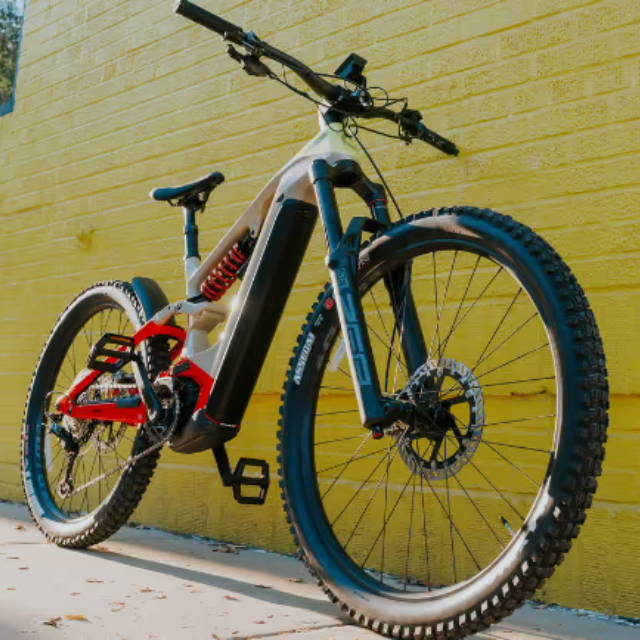
Usually, yes. A torque sensor bike feels steady and proportional to your effort, while a cadence sensor bike tends to deliver a more constant, on-off feeling push once the pedals start turning.
Torque Sensor vs Cadence Sensor On E-Bikes: What’s the Difference?
Written by: Tom Fortune | September 23, 2026 | Time to read 5 min
The sensor your e-Bike uses changes how it feels to ride, so it’s important to check what you’re getting.

More about the Author: Tom Fortune
Tom is a Brit living in the French Alps. When he's not creating written and video content for various brands, he's either pedalling or snowboarding around his local mountains. E-Bikes have unlocked the potential for Tom to explore Alpine terrain and get away from the crowded bike parks. He is only too keen to share his knowledge and experience with other riders.
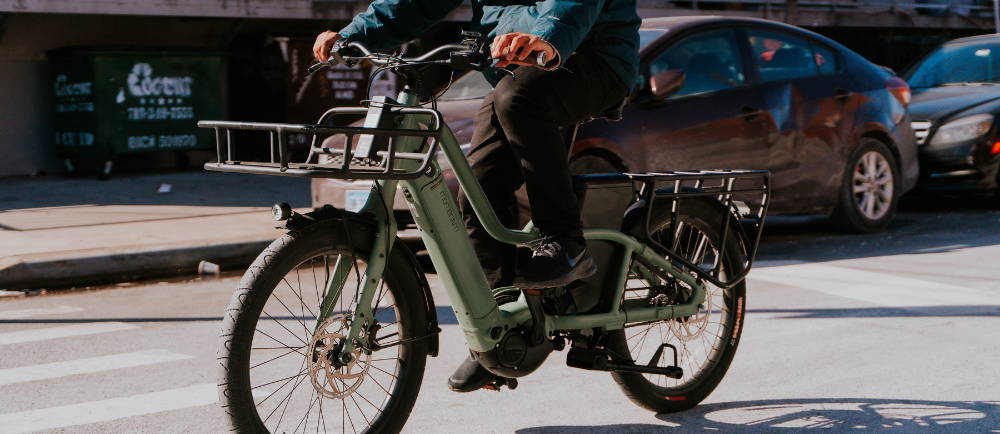
Torque sensors and cadence sensors on an electric bike tell the motor when to kick in and how much assistance to give. They work completely differently, which changes the riding experience.
👋 Welcome to Upway!
Upway is your top destination for buying and selling e-Bikes online. Discover your next e-Bike at up to 60% off retail prices, available in new or like-new condition.
How a Cadence Sensor Works
A cadence sensor uses magnets fitted around the bottom bracket, combined with a sensor that counts how fast the pedals are turning. Once it detects you’re pedaling, it tells the motor to switch on and deliver whatever pedal assist level you’ve selected. How hard you’re pushing down on the pedals has no influence on how much assistance you get from the motor.
This makes cadence sensors simple and cheap to build, which is why electric bike manufacturers use them on a lot of budget and mid-range e-Bikes. The compromise of a cadence sensor is that the assist can feel a bit on-off rather than scaling to your effort. This is because the motor delivers the same push at a given PAS level no matter if you’re barely turning the pedals or pedaling hard.
How a Torque Sensor Works
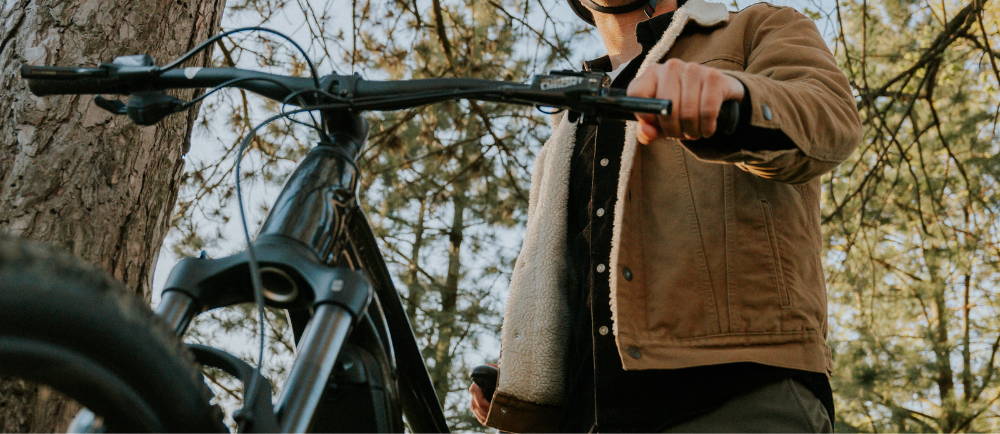
A torque sensor uses a strain gauge, usually built into the bottom bracket. It measures how much force you’re putting into the pedals and scales its assistance to match. This means that you get more help from the motor when you pedal harder.
The way a torque sensor works is what gives bikes a more natural feel. Electric bikes with torque sensors are often described as feeling more like riding a regular bike, only with your efforts now being amplified.
Ride Feel Compared
When comparing the two systems, you’ll notice the differences as soon as you set off. On a cadence sensor bike, you may experience a brief delay before the motor kicks in, then a sudden burst of power. On a torque sensor bike, power comes in as soon as you start pushing down, enhancing your pedaling effort, which feels more familiar if you’ve ridden regular bikes.
The same applies once you’re moving. Cadence sensors deliver a flatter, more constant motor assistance. Torque sensors ease off automatically the moment you back off the pedals.
Which One Uses Less Battery?
Torque sensors generally provide more battery efficiency, as the electric motor supplies only as much assistance as your pedaling effort calls for, rather than a fixed amount. If you were to go from a cadence sensor bike to a torque sensor bike, you’ll probably notice that you get more range on the same size battery. This is especially the case on flatter routes where a cadence sensor system can sometimes assist you more than you need.
Cadence sensors aren’t bad or wasteful; they’re just less responsive to exactly how much help you need at any given moment.
Hills and Heavy Loads
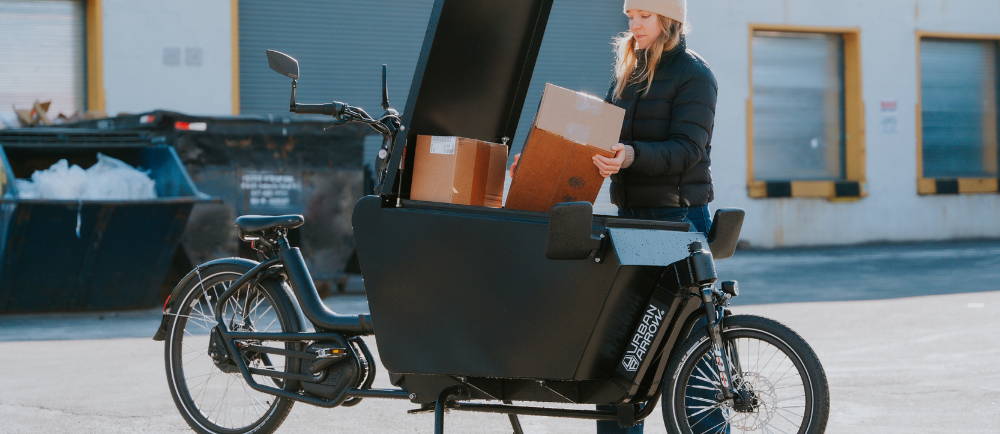
Torque sensors handle hilly areas and cargo-carrying more naturally, as the system responds directly to the extra effort you’re putting in as the load increases. You get more from the motor the harder you pedal, without having to select a higher assistance level every time the gradient changes.
A cadence system can still get you up a hill, but you’ll often find yourself adjusting the PAS level by hand to get the right amount of help. This is because the system can’t read how hard you’re working.
Cost and Where You’ll Find Each
Cadence sensors are the more common choice on budget, commuter, and mid-range e-Bikes, since they’re cheaper to manufacture and simpler. You’ll often find torque sensors on more expensive bikes and mid-drive electric mountain bikes, though that’s changing as they are becoming cheaper to produce. It’s increasingly common now to find torque sensors on rear hub motors, on bikes that wouldn’t have had one a few years ago.
Which One Should You Choose?
Each system suits different styles of riding better. For example, if your rides are mostly flat and casual, and the feel through the pedals doesn’t bother you too much, a cadence sensor bike will likely do the job and probably cost less.
If you commute daily, ride somewhere hilly, or want your electric bike to feel more like pedaling a normal bike, you’d be better off with a bike with a torque sensor. Proper electric mountain bikes usually have torque sensors, as you need precise power and control when riding technical trails. A cadence sensor’s on-off burst of assist can throw off your balance at the worst possible moment.
Torque sensor bikes tend to cost more new, so you might want to check out Upway’s certified pre-owned selection if you want one without paying full price.
Frequently Asked Questions
Can I tell which sensor a bike uses just by riding it?
Do torque sensors only come on mid-drive motors?
No. While torque sensors are common on mid-drive systems, rear hub motors can use them too, and it’s becoming more common on budget-friendly hub-motor bikes than it used to be.
Is a torque sensor worth paying extra for?
If you ride daily, tackle hills, or care about how natural the assist feels, yes. For occasional, flat, casual riding, a cadence sensor bike covers the basics for less money.
Key Takeaways
- A cadence sensor turns the electric motor on based on whether the pedals are moving, while a torque sensor scales assistance to how hard you’re pedaling.
- Torque sensors feel steadier and more natural, handle hills and cargo more responsively, and tend to give you better battery performance, but they cost more to build.
- Cadence sensors remain common on budget and mid-range e-Bikes and work fine for flat, casual riding, even if the assist feels less refined.