


The Prodigy V2 ECO is a Class 3 e-Bike with pedal assistance up to 28 mph. Its Brose mid-drive produces up to 90 Nm of torque. It doesn’t have a throttle, so the motor only assists while you’re pedaling.

Ride1Up Prodigy E-Bike Review: Brose Mid-Drive Power
Written by: Chris Van Leuven | November 8, 2026 | Time to read: 8 min
Ride1Up Prodigy V2 ECO review: Brose mid-drive performance, 504Wh battery range, hill climbing, commuter comfort, and whether it’s worth buying.

More about the Author: Chris Van Leuven
Chris is a writer, climber, and founder of Yosemite E-Biking in Mariposa, CA. When he’s not tackling Sierra Foothills trails or scaling rock walls, he’s crafting adventure stories with his boxer, Fenster. His work has appeared in Outside, Men’s Journal, Gripped, and Best American Sports Writing.
I just got back from my daily ride on my Ride1Up Café Cruiser here in the Sierra foothills outside Yosemite. The backroads were so quiet I don’t recall seeing a single car for the first 30 minutes. Yesterday, I got in three rides: one to the store, one to a friend’s house, and another in the crisp late afternoon.
After years of heavy use, I’ve become attached to this bike. I love the handling, the upright riding position, and how it feels like surfing on pavement.
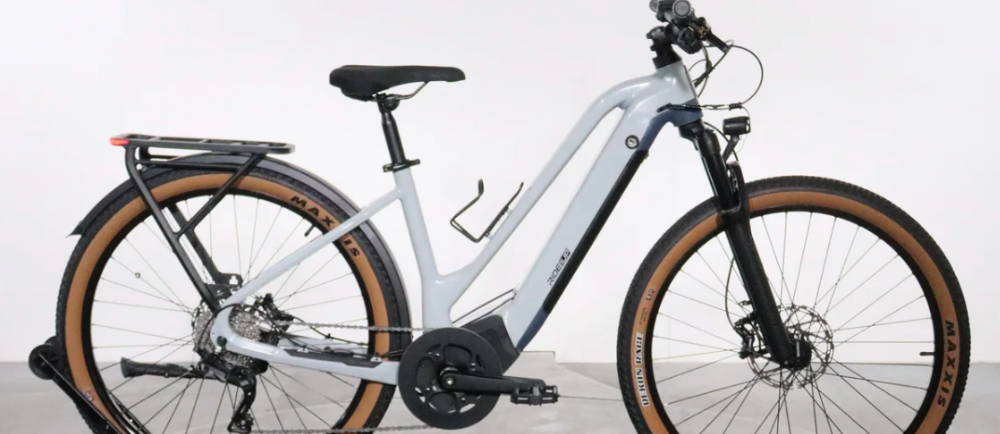
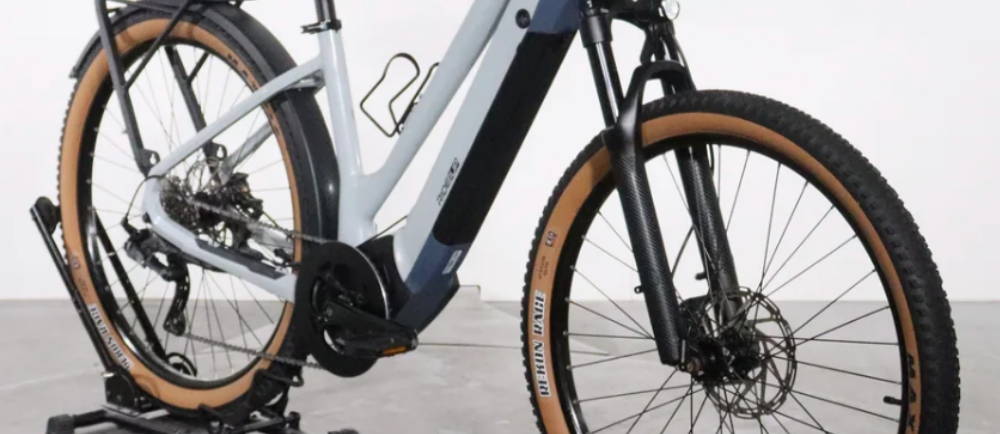
My Café Cruiser is an older model, but the Ride1Up Prodigy V2 ECO has some of the same appeal. It’s a comfortable commuter e-Bike with swept-back handlebars and a relaxed riding position. Unlike my cruiser, though, it has a German-made Brose mid-drive motor that responds to how hard you’re pedaling. And at $1,295, it’s a great and affordable way to get a mid-drive electric bike.
In this Ride1Up Prodigy review, I’ll look at the V2 ECO’s motor performance, battery range, hill-climbing ability, components, and how it compares alongside the original Prodigy V2.
👋 Welcome to Upway!
Upway is your top destination for buying and selling e-Bikes online. Discover your next e-Bike at up to 60% off retail prices, available in new or like-new condition.
Table of Contents
What Makes the Brose Mid-Drive Motor Different?
How Does the Prodigy V2 ECO Ride?
Battery Range, Speed, and Hill-Climbing Performance
Comfort, Components, and Everyday Commuting
Ride1Up Prodigy V2 ECO vs. Prodigy V2
Is the Ride1Up Prodigy V2 ECO Worth Buying?
Buy a Certified Pre-Owned E-Bike on Upway & Save!
Ride1Up Prodigy V2 ECO Specs
My first e-Bike was a beach-style cruiser, and it’s still my favorite way to get around. You’re upright, taking in the world around you rather than staring down at your handlebars. But I also notice the difference when switching between my cruiser and an e-MTB. My legs get sore in different places, especially my inner thighs, and I feel rough pavement through my lower back. That’s why I particularly like suspension seatposts on cruisers.
The Prodigy V2 ECO has a spring saddle and front suspension, and though the spring saddle is a step up from a basic saddle, I’d still recommend considering a suspension seatpost for additional comfort.
| Feature | Ride1Up Prodigy V2 ECO |
|---|---|
| Motor | Brose TF Sprinter, 250W mid-drive |
| Torque | 90 Nm |
| Battery | 36V, 14Ah (504Wh) |
| Advertised range | 30–50 miles |
| Top assisted speed | 28 mph, Class 3 |
| Drivetrain | MicroShift Advent 9-speed |
| Pedal sensor | Integrated torque sensor |
| Front suspension | 100mm fork with lockout |
| Tires | 27.5 × 2.10 inches (ST); 27.5 × 2.25 inches (XR) |
| Brakes | Hydraulic discs, 180mm rotors |
| Display | Brose Allround, 1.5-inch color |
| Weight | 58 pounds |
| Maximum load | 300 pounds |
| Rear rack rating | 40 pounds |
| Advertised price | $1,295 |
What Makes the Brose Mid-Drive Motor Different?
My Café Cruiser has a 750W rear-hub motor, while the Prodigy V2 ECO uses a 250W Brose TF Sprinter mid-drive. You might assume my cruiser has three times the power, but those wattage numbers don’t tell the whole story. A rear-hub motor drives the wheel directly. A mid-drive works through the bike’s chain and gears, allowing the motor to benefit when you shift into an easier gear for climbing.
The Brose motor produces up to 90 Nm of torque and has an integrated torque sensor that measures how hard you’re pushing on the pedals. The harder you pedal, the more assistance you get. My Café Cruiser uses a cadence sensor, which responds differently to pedaling effort. That’s why I’d expect the ECO to feel different from my hub-drive Café Cruiser. Its torque-sensing assistance is closer to what you’d expect from a mid-drive e-MTB, although the ECO is designed for commuting rather than technical trails.
To learn more, check out Upway’s guide to electric bike systems, which explains the differences between motor types. But there’s one thing to remember with the Prodigy V2 ECO: there’s no throttle, so you’ll have to pedal to get assistance.
How Does the Prodigy V2 ECO Ride?
With 90 Nm of torque, the Prodigy V2 ECO has the kind of motor I’d want for climbing hills. That’s important out here near Yosemite. I live on top of a ridgeline, so no matter which direction I go, it’s always an uphill ride home. And when I say hilly, I’m talking 1,500 to 2,500 feet of elevation gain over 10 to 20 miles. It’s called the Sierra foothills for a reason. Gorgeous terrain, especially for riding, but it’s never flat.
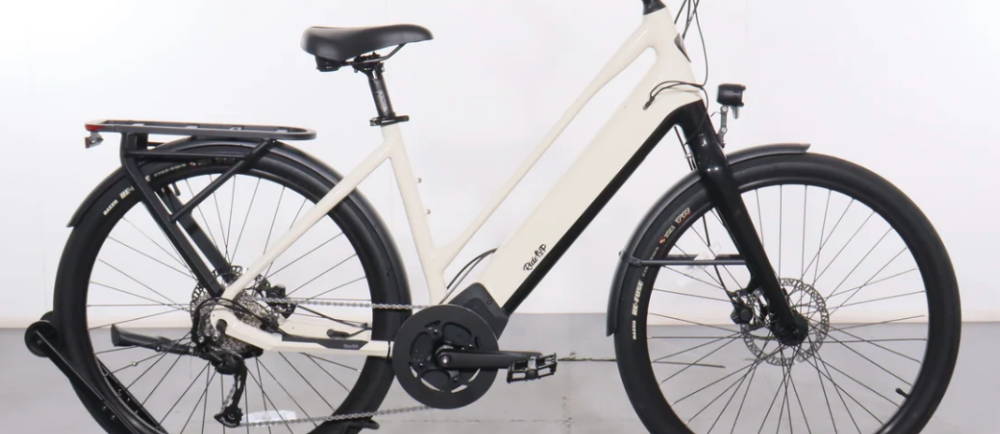
I also like sitting upright rather than stooped over my handlebars when there are black oaks, steep hillsides, and deep valleys all around me. The ECO’s swept-back bars, adjustable stem, and 9-speed drivetrain are perfect for that kind of riding. And for more climbing options, see Upway’s best e-Bikes for hills guide.
Battery Range, Speed, and Hill-Climbing Performance
Ride1Up says the Prodigy V2 ECO can get 30 to 50 miles from its 504Wh battery. Maybe so, but I wouldn't count on getting 50 miles around here. When I ride my Café Cruiser the 10 miles into town, I hardly use any battery. Coming home is another story. It's almost entirely uphill, and I can burn through more than half the battery just getting back to my house.
So if I were heading out on the Prodigy V2 ECO, I'd plan on 25 miles or so, especially with the kind of climbing we have in the Sierra foothills. I'd also bring a charger if I knew there was somewhere to plug in. I've ridden enough e-Bikes to know that running out of battery when you've still got a few thousand feet of climbing ahead of you isn't much fun.
The ECO also has four pedal-assist levels, which helps with hill climbing, etc. But remember that rider weight, weather, terrain, and how much assistance you use all affect battery range, and that’s why Upway covers those variables in how far an e-Bike can really go.
As a Class 3 electric bike, the ECO provides pedal assistance up to 28 mph, but that doesn’t mean the bike can’t travel faster downhill under gravity. Speaking of downhill riding, I don’t love going over 30 mph; it’s just too fast. And that’s why I’ve put knobby tires on my Café Cruiser for better traction on dirt roads, which also adds some rolling resistance, although I still rely on my brakes to control my speed on descents.
Comfort, Components, and Everyday Commuting
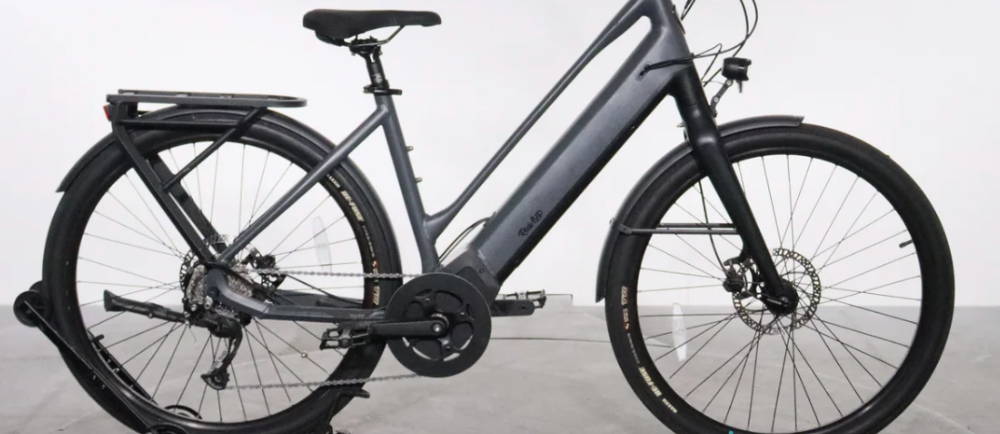
I'd use the ECO for just about anything: riding into town, picking up a light load of groceries, or heading out on the backroads for a few hours. With a rear rack, I can carry a lock, some food, and whatever else I might need. It's also a great setup for commuting, especially if you've got some hills between home and work.
Plus, Ride1Up includes most of the equipment I’d want on an everyday commuter:
- Hydraulic disc brakes: Useful for controlling speed on long descents.
- 100mm suspension fork: Helps with potholes, rough pavement, and occasional gravel.
- Integrated lights: Convenient for commuting and improving visibility.
- Fenders and a 40-pound-rated rear rack: Handy for groceries, a work bag, or extra layers.
- Adjustable stem and spring saddle: Great additions for a more relaxed riding position.
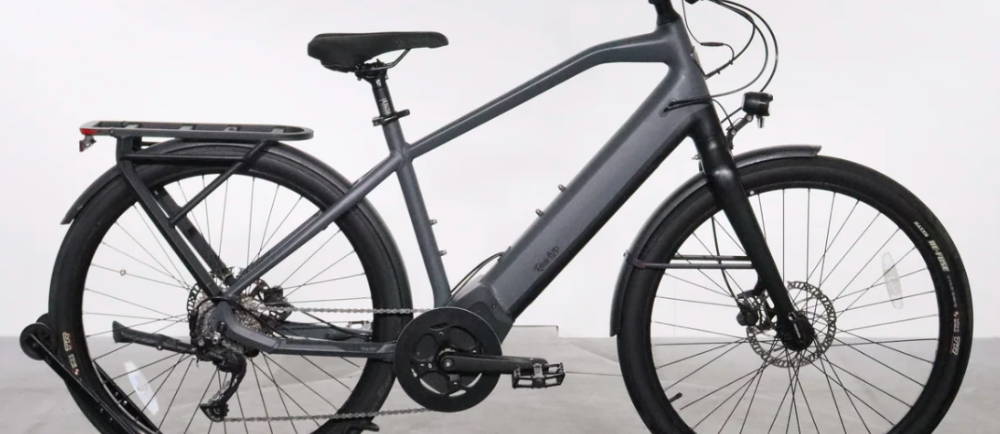
But I wouldn’t treat the Prodigy V2 ECO like a mountain bike. It’s primarily a commuter and touring-style e-Bike. At 58 pounds, it’s also not something I’d enjoy carrying upstairs. That’s why I use a small ramp to move my bikes onto my porch and into my office in town. Little things like that matter when you’re riding almost every day.
Ride1Up Prodigy V2 ECO vs. Prodigy V2
The ECO isn’t a completely different bike from the first Prodigy V2. Both use the Brose TF Sprinter mid-drive and a 504Wh battery, with Class 3 pedal assistance up to 28 mph. The differences come down largely to components and price. The ECO has a MicroShift Advent 9-speed drivetrain, a simpler 100mm suspension fork, and a spring saddle. The first Prodigy V2 was offered with a 9-speed chain drivetrain or an Enviolo continuously variable transmission (CVT) paired with a Gates Carbon belt drive. It also came with a 100mm air suspension fork. The belt-drive version requires less routine drivetrain maintenance, which is great. And there’s no greasy chain marking your pant leg or ankle.
The first Prodigy V2 came out in 2023 with a starting price of $2,395 for the chain-drive model. Now Ride1Up is selling the ECO for $1,295, and you still get the Brose mid-drive motor. That's a great deal! Just pay attention to which Prodigy you're looking at, since the components have changed between versions.
Is the Ride1Up Prodigy V2 ECO Worth Buying?
My Café Cruiser cost roughly what Ride1Up is asking for the Prodigy V2 ECO, about half the price of some of the fat-tire e-Bikes in my fleet. And I’ve used the heck out of that bike.
I even wore out the motor once after years of heavy riding. After replacing it, though, the bike has continued to do me good, and I keep piling on the mileage. More expensive isn’t necessarily better. Sometimes simple is enough.
If I were shopping for one e-Bike to handle pavement, hills, errands, and weekend rides, I’d seriously consider the ECO. The Brose motor is the biggest selling point, and I like that Ride1Up includes the useful commuting accessories. But there are compromises. The battery isn’t particularly large for someone climbing steep hills every day, and the weight could be a problem if you have stairs. Plus, the chain drivetrain needs regular maintenance. I’d also check if your local bike shop can service the Brose motor before buying.
For someone who wants a comfortable mid-drive commuter without spending several thousand dollars, the ECO is worth checking out!
Buy a Certified Pre-Owned E-Bike on Upway & Save!
At $1,295 new, the Prodigy V2 ECO is already competitively priced. But I’d still compare it with certified pre-owned mid-drive e-Bikes on Upway before buying. Upway has carried Ride1Up Prodigy models, although the first V2 and newer ECO aren’t the same bike. Inventory changes, so check the model, year, battery, and components.
Plus, every Upway e-Bike goes through a 50-point inspection by certified mechanics and comes with a limited one-year warranty and a 14-day return policy. Depending on the model, you can save up to 60%! And when you consider the cost of gas, how little electricity an e-Bike uses, and the absolute joy of riding, it’s easy to see the appeal.
Frequently Asked Questions
How fast does the Ride1Up Prodigy V2 ECO go?
What’s the difference between the Ride1Up Prodigy V2 ECO and the regular Prodigy V2?
Both use a Brose mid-drive and a 504Wh battery. The ECO has a 9-speed MicroShift drivetrain and a simpler suspension fork. Some original Prodigy V2 versions have an Enviolo CVT and Gates belt drive.
Is the Ride1Up Prodigy V2 ECO good for commuting?
It has the right equipment, including hydraulic disc brakes, front suspension, lights, fenders, and a rear rack. Its torque-sensing motor also performs well on hills.
Key Takeaways
- The Brose motor is the main attraction. A 90 Nm mid-drive on an e-Bike advertised at $1,295 makes the ECO a great buy.
- It’s built for everyday riding. Class 3 assistance, a 504Wh battery, suspension, lights, fenders, and a rear rack make it a useful commuter.
- Know which Prodigy you’re buying. The ECO has a conventional 9-speed drivetrain, while some original V2 models use a Gates belt drive and Enviolo CVT.
MY WISHLIST
Your wishlist is empty.
Continue shopping
Drop Us A Line
We’re happy to answer any questions you have or provide you with an estimate. Just send us a message in the form below with any questions you may have.
Continue shopping