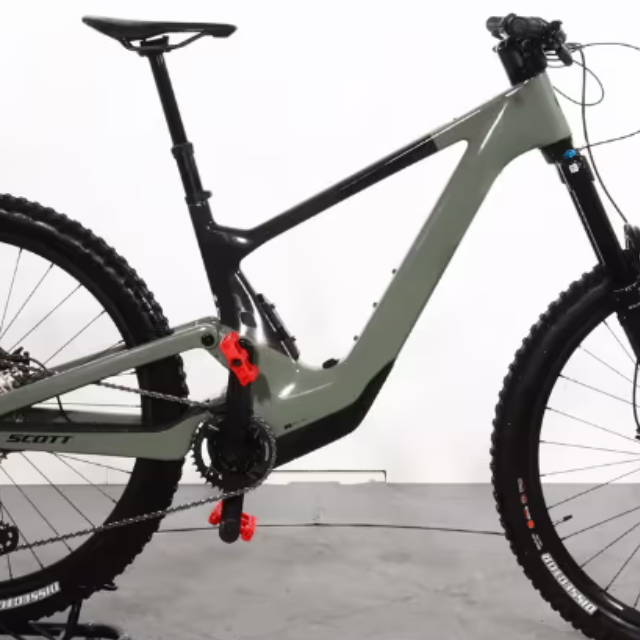
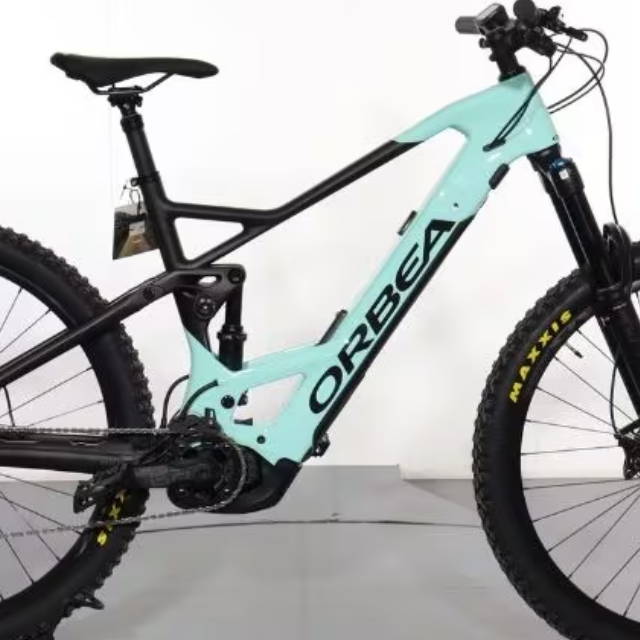
Yes. It’s a great choice for riders who want a full-power electric mountain bike for technical climbs, rough descents, and long trail days. The Bosch system, capable suspension, and balanced geometry give it broad all-mountain usefulness.
Cannondale Moterra Neo E-MTB Review
Written by: Chris Van Leuven | July 20, 2026 | Time to read: 8 min
Read Upway’s Cannondale Moterra Neo review to learn how it rides, which version fits your trails, and what to inspect before buying used.

More about the Author: Chris Van Leuven
Chris is a writer, climber, and founder of Yosemite E-Biking in Mariposa, CA. When he’s not tackling Sierra Foothills trails or scaling rock walls, he’s crafting adventure stories with his boxer, Fenster. His work has appeared in Outside, Men’s Journal, Gripped, and Best American Sports Writing.
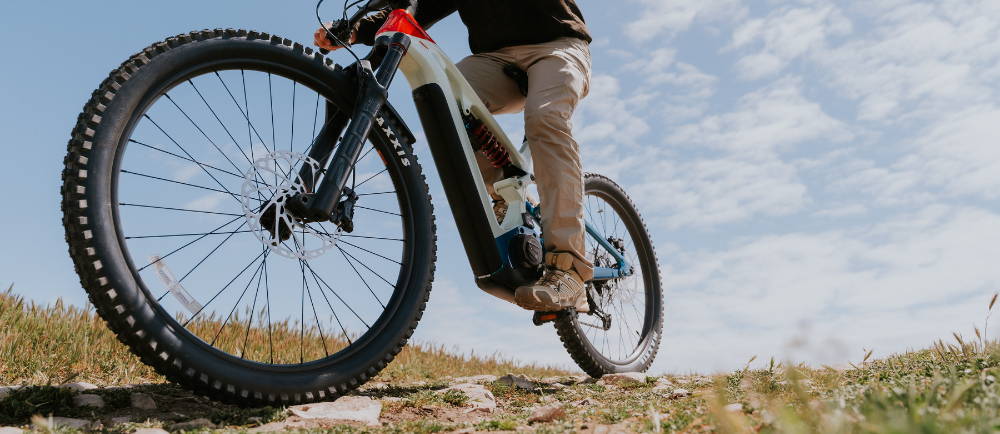
A good electric mountain bike shouldn’t constantly remind you it’s electric. The motor should feel natural, the suspension should disappear beneath you, and the bike should leave you thinking about the next corner rather than the next battery percentage.
That’s what has made the Cannondale Moterra Neo one of the more respected names in full-power electric mountain bikes. It isn’t built to win a parking-lot weight contest. It’s built for riders who look at a long climb and wonder what’s on the other side.
One thing is worth clearing up before going farther. Cannondale has used the Moterra name across several generations and platforms. Earlier Moterra Neo models, current full-power Moterra bikes, longer-travel LT versions, and the lighter Moterra SL don’t all share the same motor, battery, suspension travel, wheel setup, or frame construction.
Cannondale’s current full-power Moterra models use Bosch Performance Line CX systems, while the lighter Moterra SL uses a separate Shimano-powered platform. Older Moterra Neo bikes also vary by model year and build, so I’d always check the complete specification rather than assuming every Moterra rides the same way.
In this blog, I’ll look at how the Cannondale Moterra Neo rides, why it works so well on technical terrain, how to decide which version fits your trails, what hard use leaves behind, and why shopping for a certified pre-owned Moterra on Upway makes sense.
👋 Welcome to Upway!
Upway is your top destination for buying and selling e-Bikes online. Discover your next e-Bike at up to 60% off retail prices, available in new or like-new condition.
Table of Contents
What makes the Cannondale Moterra so capable on technical trails
The Moterra's useful parts show up when the trail gets steep, loose, or tricky. Cannondale’s Proportional Response design is a big part of that. Rather than scaling a single suspension layout across all frame sizes, Cannondale adjusts geometry, suspension kinematics, and rider position for each size.
That can sound like background engineering until you ride a bike that feels too tall, too short, or oddly balanced for you. The Moterra’s goal is to give riders of different sizes a similar relationship with the suspension and wheels.
The current full-power Moterra range uses Bosch’s Smart System with integrated 600Wh or 800Wh batteries, depending on the model. Many earlier Moterra Neo and Moterra Carbon bikes used Bosch PowerTube 625Wh or 750Wh batteries.
Depending on year and build, a used Cannondale Moterra Neo 3 or Moterra Neo 4 may pair a Bosch Performance Line CX motor and PowerTube battery with a RockShox fork, Shimano drivetrain, hydraulic disc brakes, and roughly 150mm of rear travel.
That variation matters. A Moterra Neo 3, Neo 4, Carbon model, LT, and SL aren’t simply trim levels of an identical chassis. Frame material, motor, battery, suspension, wheels, drivetrain, and intended terrain may all change. The standard trail-oriented Moterra generally uses about 150mm of rear suspension with a 160mm fork. That’s enough travel to handle real mountain biking without automatically pushing the bike into enduro-race territory.
Hit several roots or square edges in a row, and the better builds hold their line instead of asking for a last-second rescue move. Good suspension isn’t exciting because you notice it. It’s exciting because eventually you stop thinking about it.
In a special video, the Upway team goes hands-on with the Cannondale Moterra Neo LT! Check it out below to see this amazing e-MTB in action, available on Upway at a huge discount:
How the Cannondale Moterra climbs and descends
Electric mountain bikes make climbing easier. They don’t automatically make climbing better. On a loose, stair-stepped climb, controllable power matters more than the biggest torque number. The Bosch Performance Line CX system has earned its reputation because the assistance builds progressively enough that you can keep searching for traction instead of constantly spinning the rear tire. You still need to pick a line through rocks, roots, and ledges. The motor simply gives you more chances to stay on it. The first rough descent tells you more about the Moterra than another page of motor numbers.
Its weight becomes less obvious once the suspension is working and the trail opens up. Repeated roots, loose rock, and square-edge impacts don’t unsettle the bike as quickly as they would a shorter-travel or lighter-duty trail bike. Fox, RockShox, Shimano, and SRAM components vary throughout the Moterra lineup, but the full-power versions share a balanced, substantial feel. They encourage you to look farther down the trail instead of staring at the obstacle directly in front of the tire. No full-power electric-assist mountain bike hides its weight forever. You’ll notice it when lifting the bike onto a rack, pushing through a steep hike-a-bike, or turning around on a tight switchback.
The Moterra SL and bikes such as the Specialized Turbo Levo SL belong in a lighter-assist category. They prioritize agility and a more traditional trail-bike feel. The full-power Moterra trades some of that lightness for stronger assistance, larger batteries, and the ability to cover more terrain.
That isn’t better for every rider. It’s better when the ride includes a lot of climbing and you still want enough bike for a rough descent.
How much Moterra do you actually need?
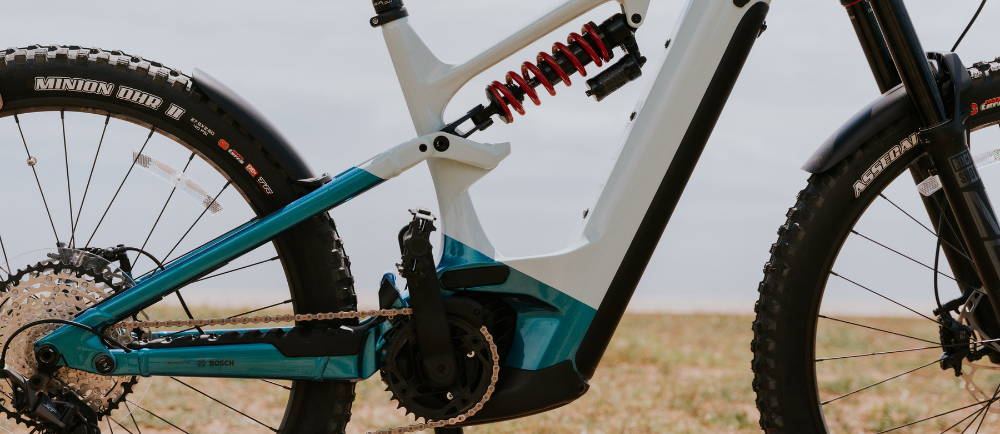
Buying the longest-travel or most expensive Moterra doesn’t automatically give you the best bike for your trails. A standard Moterra with around 150mm of rear travel is the more balanced choice for everyday trail riding. It can handle technical climbs, rocky descents, and long mountain days without feeling like every ride needs to resemble an enduro race.
The Moterra LT makes more sense if your local trails are consistently steep, fast, and rough. Its extra suspension is useful for repeated drops, larger impacts, and sustained descents, but it also brings more bike to pedal, turn, and move around. The Moterra SL belongs in a separate conversation. It uses a different Shimano-powered platform and is designed to feel lighter and more agile than the full-power Bosch bikes. I’d choose by terrain, not status.
If most of your riding is ordinary trail riding with a mix of climbing and descending, the standard Moterra is probably enough. If every descent is steep, blown out, and full of rock, the LT starts making a stronger case.
Things to consider when buying a used e-MTB
Mountain bikes usually tell their story beneath the frame rather than on top of it. A few paint chips don’t concern me much. Neglected suspension, loose bearings, and a worn battery do.
| What rough miles leave behind | What I’d want to know |
|---|---|
| Suspension fork and rear shock | Do they move smoothly, hold pressure, and show evidence of regular servicing? |
| Drive system and battery | Are there error codes, abnormal motor noises, charging issues, display faults, or impact marks around the battery mount? |
| Suspension linkage bearings | Is there play, creaking, or rough movement through the pivots? |
| Wheels | Are the rims dented, spokes loose, or tires hiding repeated rock strikes? |
| Hydraulic disc brakes | How much pad and rotor life remains, and do both levers feel firm? |
| Drivetrain | Is the chain stretched, the cassette worn, the derailleur bent, or the shifting inconsistent? |
| Frame and motor area | Rock strikes and paint chips are normal; cracks, deep impacts, damaged skid plates, or repairs around pivots, welds, and the motor mount are not. |
| Dropper post | Does it return smoothly without sticking or excessive side-to-side play? |
I’d also ask where the bike spent most of its life. A Moterra ridden in dry Colorado dust will age differently from one that spent years in Pacific Northwest mud or New England winter grime. Moisture and grit accelerate wear on linkage bearings, drivetrains, brake rotors, suspension seals, and hardware.
Service records matter more than a spotless top tube. A rider who knows when the fork, rear shock, and pivots were serviced usually gives me more confidence than someone who only says the bike was “barely ridden.”
Buying a certified pre-owned Cannondale Moterra Neo on Upway
Premium electric mountain bikes can hide expensive problems surprisingly well. A quick parking-lot ride won’t tell you when the suspension was last serviced, whether the battery was stored properly, or how much life remains in the drivetrain and linkage bearings.
That’s where buying through Upway can be easier than judging a private listing from a few photos. A certified pre-owned Moterra has already been inspected, making it easier to compare battery condition, suspension, brakes, drivetrain wear, wheels, electronics, and overall mechanical condition. Upway also backs its certified pre-owned e-Bikes with a 50-point inspection, a 1-year limited warranty and a 14-day return period.
The listings also make model-year differences easier to sort through. You can compare aluminum and carbon frames, Bosch battery sizes, suspension builds, and component levels without assuming that every Moterra Neo 3, Neo 4, Carbon, or LT follows the same recipe.
I’d rather own a slightly older Moterra with documented suspension work and a healthy battery than a newer one that spent three seasons being pressure-washed after every muddy ride.
Frequently Asked Questions
Is the Cannondale Moterra Neo a good electric mountain bike?
What is the difference between the Cannondale Moterra Neo and Moterra LT?
The Moterra LT uses more suspension travel and is aimed at steeper, rougher, more aggressive enduro riding. The standard Moterra is the more balanced option for general trail and all-mountain use.
Should I buy a used Cannondale Moterra Neo?
A well-maintained used Moterra Neo can be an excellent value. Check the exact model year and build, then focus on suspension service history, battery condition, linkage bearings, wheels, brakes, drivetrain wear, and frame damage.
Key Takeaways
- The Cannondale Moterra Neo family includes several generations and platforms, so motor, battery, suspension, frame, and wheel specifications vary by model.
- Full-power Bosch Moterra models are built for technical climbs, rough descents, and long trail days, while the LT and SL serve more specialized riders.
- When buying used, prioritize suspension maintenance, battery health, bearings, wheels, brakes, drivetrain wear, and frame condition; an Upway inspection reduces much of that uncertainty.