It depends on the bike and how you'll use it. Bosch offers more maximum torque with compatible Performance Line CX systems and has a well-established Smart System. Yamaha’s PW-X4 delivers 100 Nm in Boost mode, up to 800 W, quick assistance, and strong performance at higher cadence.
Bosch vs Yamaha E-Bike Motors: In-Depth Comparison
Written by: Chris Van Leuven | September 16, 2026 | Time to read 7 min
Bosch vs Yamaha e-Bike motors compared for 2026, including torque, power, cadence, batteries, displays, reliability, range, and E-MTB performance.

More about the Author: Chris Van Leuven
Chris is a writer, climber, and founder of Yosemite E-Biking in Mariposa, CA. When he’s not tackling Sierra Foothills trails or scaling rock walls, he’s crafting adventure stories with his boxer, Fenster. His work has appeared in Outside, Men’s Journal, Gripped, and Best American Sports Writing.
Bosch and Yamaha have been building e-Bike motors for decades, but the comparison looks different in 2026. Yamaha’s new PW-X4 produces 100 Nm in Boost mode and up to 800 W. Bosch’s Performance Line CX can reach 120 Nm and 750 W with Performance Upgrade 2.0 on compatible bikes.
That puts the two close enough that the decision isn’t just about torque. The PW-X4 brings Yamaha’s quickest response, stronger high-cadence performance, and a new 48V system. Bosch still has more maximum torque and a larger selection of batteries, displays, riding modes, and software options.
In this blog, I’ll compare current Bosch and Yamaha e-Bike motors, including power, cadence, batteries, displays, reliability, and what to know when buying one on the used market or a certified pre-owned model on Upway.
👋 Welcome to Upway!
Upway is your top destination for buying and selling e-Bikes online. Discover your next e-Bike at up to 60% off retail prices, available in new or like-new condition.
Table of Contents
Top of the Range: Yamaha PW-X4 and Bosch Performance Line CX
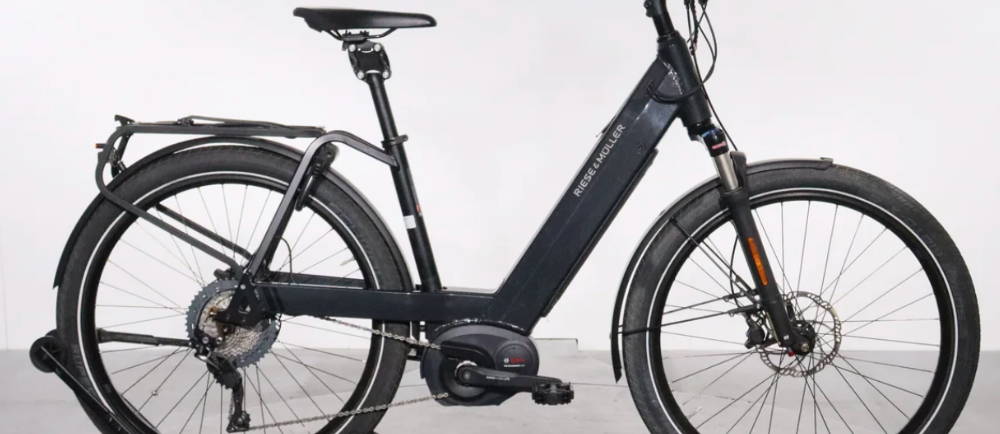
Bosch and Yamaha are both established e-Bike motor manufacturers, but you’ll encounter them somewhat differently when shopping for a bike. Many brands use Bosch systems, including Cannondale, Gazelle, and Riese & Müller. Bosch has also built a broad range of mid-drive motors for everything from city bikes and cargo bikes to full-power e-MTBs.
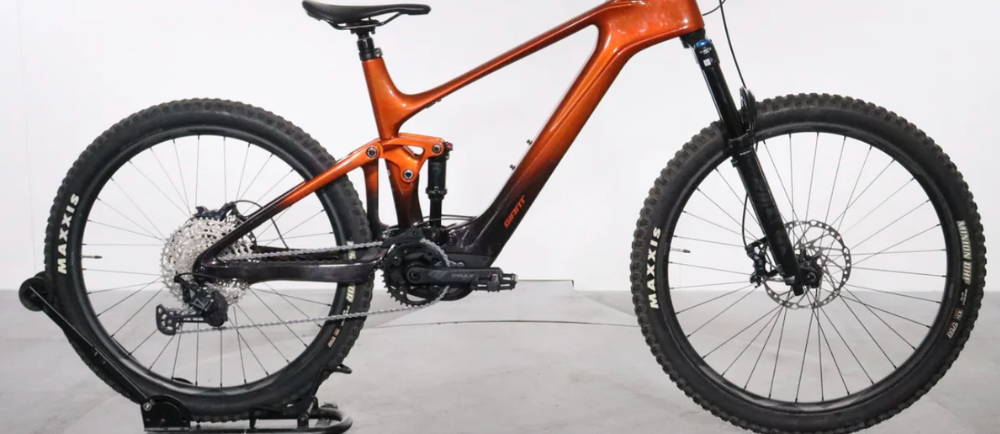
Yamaha has been developing pedal-assist bicycle systems since the early 1990s. Other manufacturers use its motor technology, most notably Giant. Giant’s SyncDrive motors have a long history with Yamaha, which means plenty of Giant and Liv e-Bikes use Yamaha motor technology without carrying a Yamaha PW model name.
That difference matters when shopping, especially in the used market. Seeing “Bosch” on an e-Bike is common across many manufacturers, while Yamaha technology may appear under another name, particularly Giant’s SyncDrive.
Used bikes also feature several generations of Yamaha-branded motors. The PW-X3 remains common on e-MTBs. The lighter PW-XM is another performance-oriented motor, while the PW-series S2 was designed for trail and everyday riding. At the top of Yamaha’s current performance range is the PW-X4, its latest full-power e-MTB motor. Bosch’s comparable full-power e-MTB motor is the Performance Line CX.
I’ll focus on those two motors for the performance comparison below. They represent the top end of each brand’s mainstream full-power e-MTB systems, rather than their full motor lineups. Both companies also make mid-drive systems for less demanding applications, including city, gravel, and lightweight e-MTB use.
Power, Torque, and Cadence
With Performance Upgrade 2.0, an approved Bosch Performance Line CX can reach 120 Nm of torque and 750 W of maximum power. However, the exact settings depend on the motor generation and what the bike manufacturer enables. Yamaha’s PW-X4 reaches 100 Nm in Boost mode and 85 Nm continuously, with maximum power of 800 W. It weighs about 5.7 pounds.
Here’s how the motors compare:
| Motor | Maximum torque | Maximum power | Weight | Main use |
|---|---|---|---|---|
| Bosch Performance Line CX | 85–120 Nm* | 600–750 W* | 6.2 lbs | Full-power e-MTB |
| Bosch Performance Line SX | 60 Nm | 600 W | 4.4 lbs | Lightweight e-MTB, gravel |
| Yamaha PW-X4 | 100 Nm Boost / 85 Nm continuous | 800 W | 5.7 lbs | Full-power e-MTB |
| Yamaha PW-XM | 85 Nm | 250 W rated** | 5.7 lbs | Performance e-MTB |
| Yamaha PW-X3 | 85 Nm | 250 W rated** | 6.1 lbs | Performance e-MTB |
*Maximum CX settings depend on the drive unit and bike manufacturer. **Yamaha publishes rated rather than maximum power for these 36V motors.
Bosch has the higher maximum torque figure, but Yamaha publishes slightly more maximum power for the PW-X4. The more useful difference is response. Yamaha’s Zero Cadence technology is designed to provide assistance as soon as you apply pressure to the pedal. That can help when starting on a steep hill or getting moving again halfway through a technical climb.
Cadence matters too. Yamaha says the PW-X4 maintains stronger power at higher cadence than its previous motors. That’s useful on an e-MTB because riders aren’t always grinding uphill in a tall gear; sometimes you’re spinning quickly and still need the motor to keep working. Bosch offers more maximum torque, especially at low speeds, with the latest Performance Line CX settings.
So this isn’t simply a 120 Nm versus 100 Nm comparison. Starting response, cadence, traction, gearing, and the bike itself all change how useful that power is on the trail.
To learn more, check out e-MTB motors for steep climbs.
Batteries, Displays, and Technology
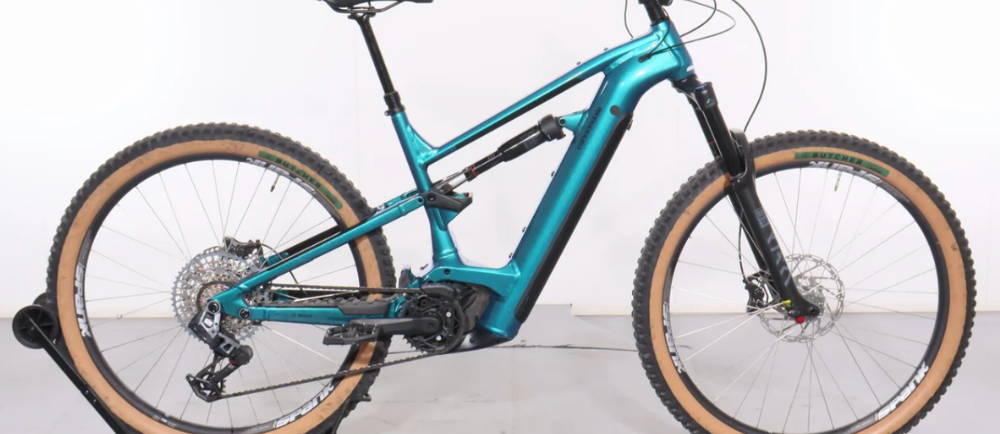
PW-LINK is one of Yamaha’s biggest changes for 2026. The new platform runs at 48 volts and includes 560Wh and 840Wh integrated battery options. PW-X4 can also support dual batteries for longer rides or bikes that need more capacity. Yamaha also offers new color displays for PW-LINK. Depending on the setup, they can show speed, battery level, range, cadence, and pedaling power. The Yamaha app adds battery and charging information, riding history, fitness data, service information, and security features.
Bosch has had this type of connected system for longer. Its Smart System ties the motor to the battery, display, riding modes, navigation, software updates, and compatible security features through the eBike Flow app. Display choices include the Purion 200, Kiox 300, and Kiox 500. But Bosch still gives bike manufacturers and riders more choices within one established system. Yamaha’s PW-LINK, however, makes the technology around the PW-X4 much more competitive than Yamaha’s older 36V setups.
Reliability and Buying Used on Upway
Bosch also has several generations on the used market, and an older CX isn’t automatically the same system as the current Smart System motor. So check battery condition, mileage, service history, parts availability, and whether a local shop can work on that specific drive unit.
That’s more useful than trying to decide which brand is more reliable in general. And that’s why Upway’s 50-point inspection checks the electrical system, battery, brakes, drivetrain, and other components before a certified pre-owned e-Bike is listed.
🤝 Why you can trust us for buying an e-Bike?
- Great prices: Get your next e-Bike for up to 60% off retail prices, in new or like-new conditions.
- Quality Guaranteed: Every e-Bike is rigorously certified by a team of professional mechanics, and comes with a 1-year warranty.
- Delivered to Your Door: Delivered to your home within a week. Change your mind? Return it thanks to our 14-day return policy.
🚲 We also buy e-Bikes. Click here for an estimation!
Which Motor Makes More Sense?
If maximum torque is the priority, Bosch has the advantage. A compatible Performance Line CX can reach 120 Nm, compared with 100 Nm in Boost mode from the PW-X4. Yamaha answers with up to 800 W, a 5.7-pound motor, quick initial assistance, and an emphasis on maintaining power as cadence rises.
That gives the two systems noticeably different strengths:
- Bosch: More maximum torque, a well-established Smart System, and a large selection of bikes using its motors.
- Yamaha: Quick response, strong high-cadence performance, slightly higher published maximum power, and the new 48V PW-LINK system.
Twenty extra Newton-meters shouldn’t decide the purchase by itself. If the Yamaha-powered bike handles better, has the battery you want, or comes with better suspension and components, the Bosch torque advantage may not matter much. The same goes the other way around.
Upway’s guide to the best e-Bike motor systems also compares Bosch and Yamaha with Shimano, Brose, Bafang, Fazua, and other alternatives.
Frequently Asked Questions
Is a Bosch or Yamaha e-Bike motor better?
Which is more powerful, Bosch or Yamaha?
Bosch has more maximum torque. A compatible Performance Line CX can reach 120 Nm and 750 W with Performance Upgrade 2.0. Yamaha’s PW-X4 reaches 100 Nm in Boost mode and up to 800 W. Yamaha publishes the higher maximum power figure, while Bosch has more maximum torque.
Which e-Bike motor is more reliable, Bosch or Yamaha?
There isn’t enough public failure-rate data to say one is more reliable than the other. On a used e-Bike, motor generation, battery condition, mileage, service history, parts availability, and local service support tell you more than the brand name.
Key Takeaways
- Bosch has higher maximum torque. A compatible Performance Line CX can reach 120 Nm with Performance Upgrade 2.0, compared with 100 Nm in Boost mode for Yamaha’s PW-X4.
- PW-X4 changes the Yamaha side of the comparison. It produces up to 800 W, weighs about 5.7 pounds, and introduces Yamaha’s new 48V PW-LINK platform.
- Check the motor that’s actually on the bike. The used market includes several generations of Bosch and Yamaha systems, and the newest specifications don’t apply to all of them.