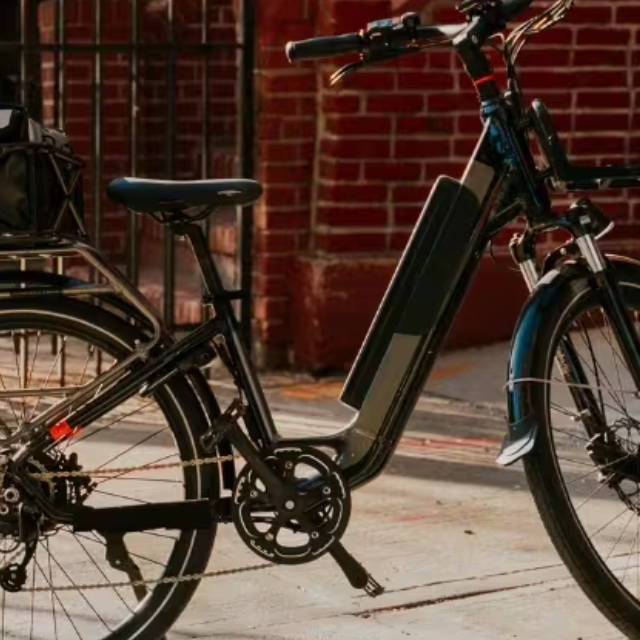
There isn’t one mileage that determines an e-Bike’s lifespan. Maintenance, storage, battery condition, riding conditions, and parts availability all matter. My own fleet includes e-Bikes with between 2,000 and 7,000 miles that are still working well.
What Happens to Old Electric Bikes?
Written by: Chris Van Leuven | August 20, 2026 | Time to read: 8 min
What happens to old electric bikes? Learn how e-Bikes are maintained, repaired, refurbished, resold, and recycled, plus what happens to old lithium-ion batteries.

More about the Author: Chris Van Leuven
Chris is a writer, climber, and founder of Yosemite E-Biking in Mariposa, CA. When he’s not tackling Sierra Foothills trails or scaling rock walls, he’s crafting adventure stories with his boxer, Fenster. His work has appeared in Outside, Men’s Journal, Gripped, and Best American Sports Writing.
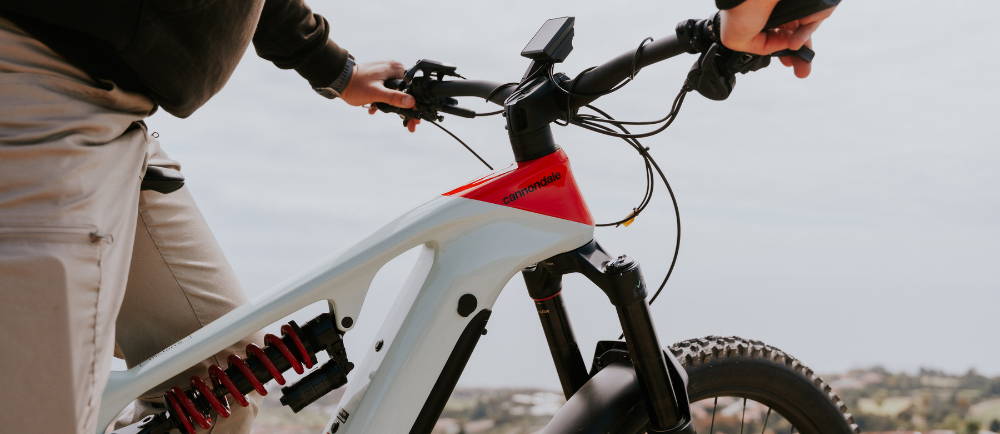
An old e-Bike can look pretty rough and still have a lot of riding left in it. Tires wear out. Chains stretch. Brake pads get thin. Even a battery that doesn’t deliver the range it once did may still be usable.
I see this with my own bikes. I run an e-Bike tour business in California, and several bikes in my fleet have between 2,000 and 7,000 miles on them. They still work great. I store them indoors, keep up with regular maintenance, and replace parts as they wear out.
In this blog, I’ll look at what happens to old electric bikes, what can be repaired or replaced, what to do with an old e-Bike battery, and how refurbishment can give a bike another life.
👋 Welcome to Upway!
Upway is your top destination for buying and selling e-Bikes online. Discover your next e-Bike at up to 60% off retail prices, available in new or like-new condition.
Table of Contents
Old Doesn’t Necessarily Mean Worn Out
There’s no specific mileage number or age that suddenly makes an electric bike too old to ride. Some of the batteries in my fleet have lost range as the miles have added up, but I pack a spare, so it hasn’t affected my daily riding much.
A five-year-old e-Bike stored indoors and serviced regularly will have considerably more life left than a newer bike that spent every winter and summer outside. Condition matters more than the date on the receipt.
Once one of my bikes gets into the hundreds and thousands of miles, I expect to replace things. Tires, chains, brake pads, rotors, pedals, and other components wear out. That’s normal. I’d rather replace them as they go than wait for several small problems to become one expensive problem.
A few things make a big difference:
- Indoor storage: Keeping an e-Bike out of prolonged rain, heat, and weather is easier on its mechanical and electrical components.
- Regular maintenance: Chains, brake pads, tires, and other wear items are cheaper to deal with before they cause problems elsewhere.
- Battery care: How you charge, store, and use a lithium-ion battery affects how well it holds capacity as it ages.
- Fixing problems early: A loose bolt, worn chain, or damaged cable is easier to deal with before it becomes something more expensive.
Upway’s Ultimate E-Bike Maintenance Checklist goes further into what to check and when. The electrical system is where age can become expensive. Motors, batteries, displays, sensors, and proprietary controls can cost more to replace, and parts availability can worsen as models age. A ten-year-old e-Bike with an obsolete battery is much harder to keep running than a ten-year-old conventional bicycle.

What Actually Wears Out on an Old E-Bike?
Start by separating normal wear from problems that can actually retire an e-Bike. A worn chain doesn’t mean the bike is worn out. Neither do ground-down brake pads, worn tires, a damaged cassette, or thinning rotors. Those are replaceable parts.
The battery is more expensive, but it’s still a wear item. Lithium-ion batteries gradually lose capacity through age, use, storage conditions, and charge cycles. If a compatible replacement is available, a new battery can keep an otherwise healthy e-Bike going for years. I’ve also worked with a third party to fix a problematic battery. Upway’s How to Know It’s Time to Replace Your E-Bike Battery goes deeper into battery capacity and replacement.
| E-Bike Part | What Happens as It Ages? | What Usually Comes Next? |
|---|---|---|
| Chain, cassette, brakes, tires | Normal wear from riding | Replace |
| Lithium-ion battery | Gradually loses capacity | Replace; recycle at end of life |
| Electric motor | Internal components can eventually wear | Diagnose, repair, or replace |
| Display, sensors, controller | Electronics can fail or become obsolete | Repair or replace if parts are available |
| Frame | Can remain serviceable for years | Keep using if structurally sound |
| Complete e-Bike | May outlast its first owner’s needs | Sell, donate, refurbish, or recycle |
Structural damage is different. A cracked frame or badly damaged fork can make an e-Bike unsafe or uneconomical to repair. Proprietary electronics can also become a limiting factor if replacement parts are no longer available.
Sometimes an old e-Bike needs new parts. Sometimes bringing it back costs more than the bike is worth (I’ve done that). I’d look at the whole bike before deciding which side of that line it falls on.
What Happens to an Old E-Bike Battery?

The battery deserves its own answer because you can’t treat it like the rest of the bike. Lithium-ion e-Bike batteries don’t belong in household trash or curbside recycling. They need to go to an appropriate battery-recycling or household hazardous-waste collection point.
Many participating bike shops and battery-recycling sites accept many e-Bike batteries. Call2Recycle operates an e-Bike battery recycling program, although acceptance depends on the battery and location.
There’s also a difference between a battery with reduced capacity and one that is unsafe. Losing some range is a normal part of lithium-ion battery aging and doesn’t necessarily mean the battery has reached the end of its useful life. However, if a battery is swollen, leaking, overheating, cracked, or otherwise damaged, stop using it and follow the manufacturer’s directions for handling and recycling.
I’ve worn out a few motors and ridden more than one bike pretty much into the ground. I upgraded the motor and battery on one (and swapped out the hub-drive with a mid-drive). I gave another to a friend, who fixed it up and gave it a new life.
Reuse Comes Before Recycling
If an e-Bike still works, recycling the whole thing probably shouldn’t be the first option. Depending on its condition, you can:
- Keep riding it if it’s safe and reliable.
- Repair it when replaceable components are the problem.
- Sell or donate it when it still works, but you no longer use it.
- Refurbish it when the underlying bike is sound but needs work.
- Recycle the battery properly when it reaches the end of its usable life.
Mileage doesn’t necessarily rule out a second life, either. Upway buys some higher-mileage e-Bikes for refurbishment, and its Can I Sell My E-Bike With High Mileage? guide looks more closely at mileage and condition. Selling or donating a serviceable e-Bike keeps the frame, electric motor, wheels, and other usable components in circulation rather than sending the entire bike toward recycling before it needs to go there.
What Happens When an Old E-Bike Is Refurbished?

When an eligible used e-Bike reaches Upway, it doesn’t simply get photographed and put back up for sale.
Every certified pre-owned e-Bike goes through a professional 50-point inspection covering its mechanical and electrical systems. Components that don’t meet Upway’s standards are repaired or replaced. Upway’s How Are Refurbished E-Bikes Inspected and Certified in the US? explains that process in more detail.
The battery gets particular attention. Upway tests battery condition and requires batteries on the e-Bikes it sells to retain at least 80% of their original capacity. Upway replaces any battery below that threshold.
That’s one way an e-Bike can stay on the road after its first owner is finished with it. Worn tires, brakes, and drivetrain components can be replaced, while the battery, motor, and electronics can be diagnosed rather than leaving the next owner to guess.
If you’re shopping for one, Upway’s What to Look for When Buying a Refurbished E-Bike covers battery condition, mechanical condition, and other things worth checking.
For an old e-Bike that still has useful life left, the best outcome may be pretty simple: keep riding it, or sell it to Upway!
Frequently Asked Questions
How many miles can an electric bike last?
Can you recycle an old e-Bike battery?
Yes. Lithium-ion e-Bike batteries should go through an appropriate battery-recycling or hazardous-waste collection program, not household trash or curbside recycling. A battery that has merely lost some capacity may still have useful riding life left.
Is an old e-Bike worth selling?
It can be. Brand, model year, battery condition, mileage, condition, parts availability, and demand all affect resale value. High mileage alone doesn’t necessarily make an electric bike worthless, particularly if it has been well maintained.
Key Takeaways
- Mileage alone doesn’t determine an e-Bike’s lifespan. Maintenance, storage, battery condition, and overall condition matter more than the odometer alone.
- Most e-Bikes wear out piece by piece. Tires, chains, brakes, batteries, motors, and other components can often be replaced while the rest of the bike keeps going.
- Reuse makes sense before recycling when the bike is still serviceable. Selling, donating, or refurbishing an e-Bike can give it another life before its battery and other components eventually need recycling.