


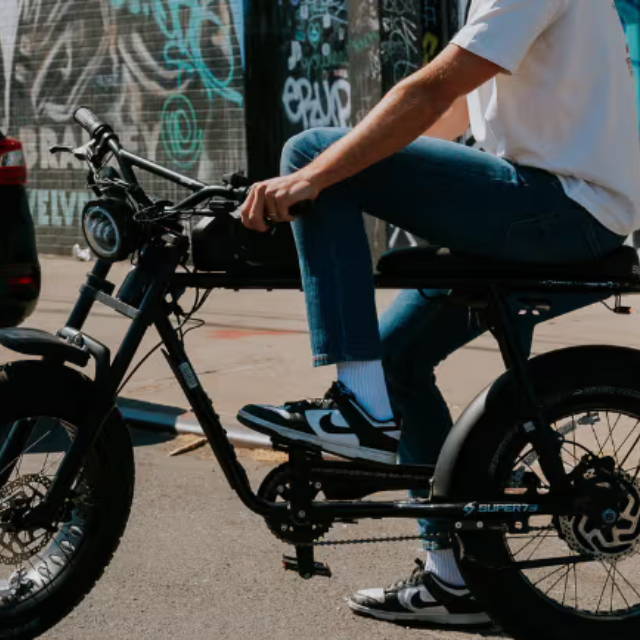
Front and rear bike lights protect others even more than they protect the rider. A motorist needs to be able to see a cyclist from a distance to remain safe, and things like white headlights and rear reflectors make this easier.

Clocks Go Back Nov 1: How to Set Up Your E-Bike for Dark Commutes
Written by: Nick Cowie| October 18, 2026 | Time to read 5 min
When the time changes and winter rolls around, everyone’s commute gets tougher. The weather gets colder, and visibility is harder to come by. Let’s make sure you and your e-Bike are set up for success before the clocks fall back.

More about the Author: Nick Cowie
Nick is a writer with seven years of experience in the cycling industry. In his free time, he enjoys swimming, Jiu Jitsu, and spending time outdoors.
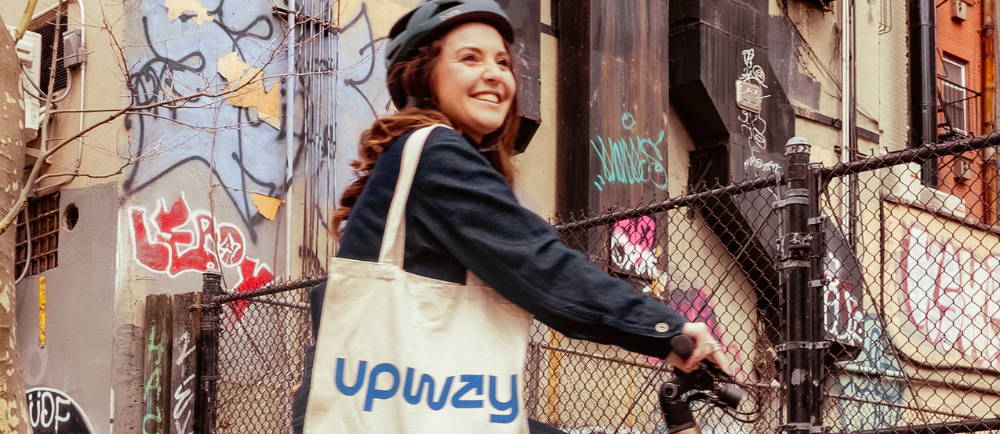
On November 1, 2026, at 2:00 am, your commute will change overnight. The clocks will fall back an hour, instantly turning pleasant twilight rides, or even illuminated commutes, into pitch-black treks home. With the sun setting earlier in the afternoon rather than when you are already at home, you need to prepare.
For e-Bike riders, preparation means safety. Sharing the road with cars and other vehicles gets more dangerous the darker it is, so you have to remain seen. Set up your bike with proper lighting and navigation. It is also important to think about what the cold weather will do to your battery, tires, and other components. Take a look and see what you can do to enhance your bike for dark and cold-weather riding.
👋 Welcome to Upway!
Upway is your top destination for buying and selling e-Bikes online. Discover your next e-Bike at up to 60% off retail prices, available in new or like-new condition.
Table of Contents
How can I remain visible to other motorists?
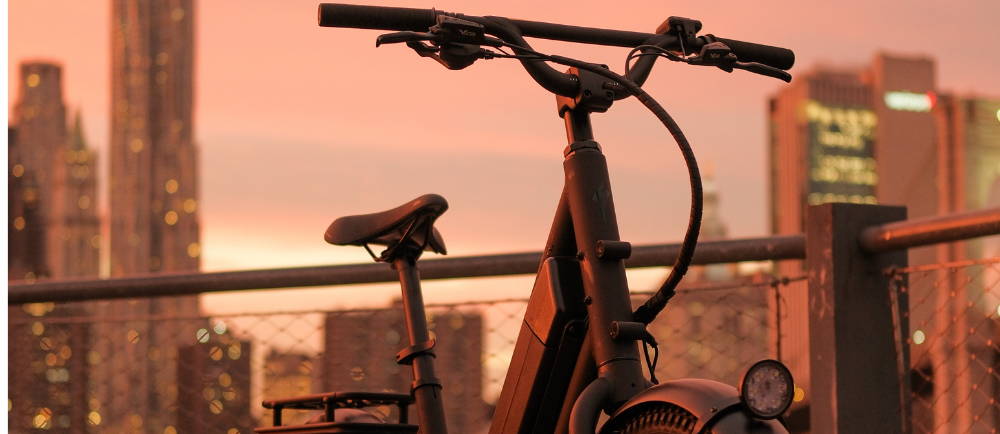
When the sun goes down, the most important detail to remaining safe on a commute becomes visibility. Most states have electric bike light laws that require a front light and a rear flasher in low-visibility conditions. It is also a good idea to dress in reflective gear, so that others on the road can see you instantly when you are illuminated.
- Front Lights: For proper safety when commuting in the dark or in bad weather, your e-Bike should have a white front light that emits at least 500 lumens. This will illuminate things like potholes and other road hazards in time for you to see them. It will also alert other commuters on the other side of the road that you are approaching. Carefully angle your front light down to avoid blinding oncoming traffic.
- Tail Lights: In addition to a powerful white light at the front, most states also require some form of tail light. This is often a rear reflector, which alerts other cars and bikes to your presence from a safe distance. There are also solid tail lights, which often connect to your drive unit to work as a brake light or even a turn signal. Before winter falls and the darkness takes over your commute, make sure your e-Bike is up to the task.
- Reflective Gear: In addition to illuminating your bike, you can make yourself visible. It is normal for a motorist to be alerted more easily by the biomotion tracking patterns of reflective clothing than by a static bike light. Reflective ankle straps and high-visibility pants are great ways to remain seen as you ride. You can also wear cycling attire with reflective strips or a patch on your backpack for additional safety.
How should I prepare for the changes the winter brings?
The time change implies more than the sun setting earlier. It also comes with colder temperatures and variable weather conditions that can make riding more dangerous if you don’t adapt properly. Take proper steps to make sure that your battery is ready to go and that you ride intelligently for dark and cold conditions.
- Battery Management: The colder the conditions, the more power your drive unit will demand from your battery. Extreme cold can also degrade battery cells, making it more difficult to hold a charge. It is important to keep track of your charging cycles to do your part to maintain the lifespan of your battery. When it is not in use, store the battery in a warm area until you are ready to ride again.
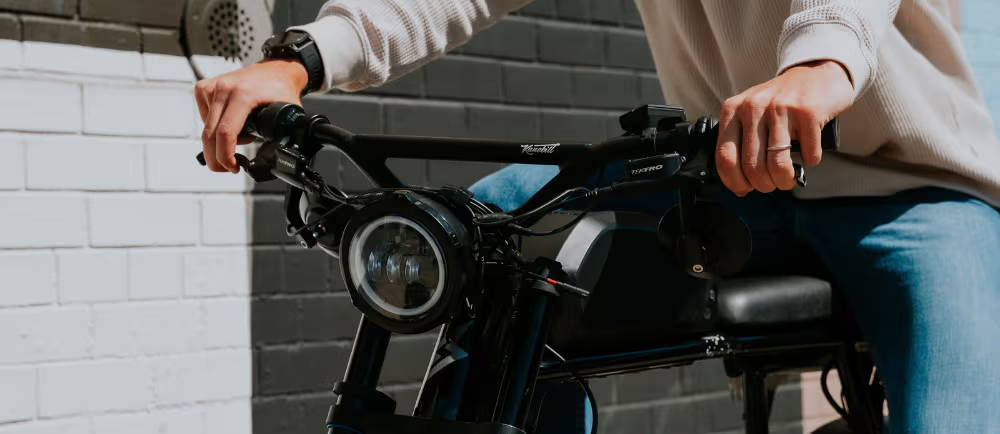
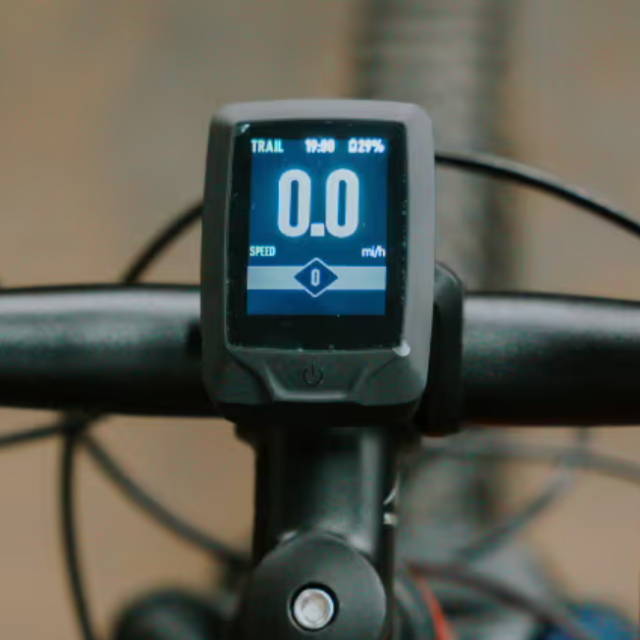
- Display Adjustments: At night, your digital cockpit requires a bit more attention. If the backlight is too intense, it can produce a glare that makes it difficult to see and negatively affects your night vision. This will make it difficult to spot sudden hazards or pedestrians. For everyone’s safety, tune your cockpit lighting and display to a safe level.
- Riding Habits: Defensive driving isn’t just for cars. When visibility is low, you should take more precautions than you would during a summer commute. Dial back your assistance level and be willing to ride slower than you would in the daytime. Modify your route to take well-lit streets if you notice that visibility is becoming an issue. You can even look for designated bike paths to avoid cars altogether.
What maintenance should I do to prepare?
As the cold and dark season approaches, you should do a full inspection of your bike. When ice becomes a factor and precipitation becomes more common, you need your safety features to be in top shape. When it is darker for more of your ride, you also need to be prepared to react quickly. Look at these things first when preparing your e-Bike for winter riding.
- Brake Inspection: The last thing you need is malfunctioning brakes in icy weather. Before winter hits, inspect your brakes and brake pads to see if they are functioning at a high level or if they might need some maintenance. Make sure that brake fluid is good to go and that the pad wear indicators show a lot of remaining compound. When it is dark out, the need for sudden stopping can happen more. It is best to be confident in your brakes when this happens.
- Tire Pressure and Traction: Temperature changes tire pressure. When it is cold out, you can expect the pressure in your tires to drop. Still, you should fill your tires to 2 to 5 PSI below your summer standard to increase contact area. This increases cornering grip and provides additional traction. Examine your tire casing before the season to check for rips, punctures, or worn tread.
- Drivetrain Preparation: Moisture, salt, and general grit are all factors for your drivetrain when winter rolls around. These things can ruin your chain, cassette, and other metal components. Apply a heavy-duty wet-weather chain lubricant to avoid rust and optimize shifting. Having a reliable drivetrain also keeps you prepared for the darkness by making you quicker to react in high-pressure situations.
Frequently Asked Questions
Why are bike lights required by law?
Why are reflective clothes more effective?
Reflective pants and ankle straps are the most effective way to alert a driver of your presence on the road. This is because the motion of your legs pedaling is easier to see than a reflector that does not move.
What do I do if my usual route feels dangerous in the winter?
If you want to keep commuting by e-Bike but your route feels dangerous in the winter, look for a new way home. You might be able to find a path that is more illuminated or even one with bike paths to keep you out of traffic.
Key Takeaways
- Winter is the most important time to have a bike light: You should have a bike light all year, but it becomes extremely important in the winter. It might regularly be pitch black when you leave work, and your lights can keep you safe.
- Your full bike needs to prepare for the season: Every part of your bike has unique winter challenges. The battery will struggle more, the drivetrain will have to deal with salt, and the tires will lose pressure naturally. Plan ahead!
- Upway sells bike lights: Upway is one of the best places to buy bike lights online. Check out our selection of street-legal bike lights and pick the best one for your electric bike and your commute.
MY WISHLIST
Your wishlist is empty.
Continue shopping
Drop Us A Line
We’re happy to answer any questions you have or provide you with an estimate. Just send us a message in the form below with any questions you may have.
Continue shopping