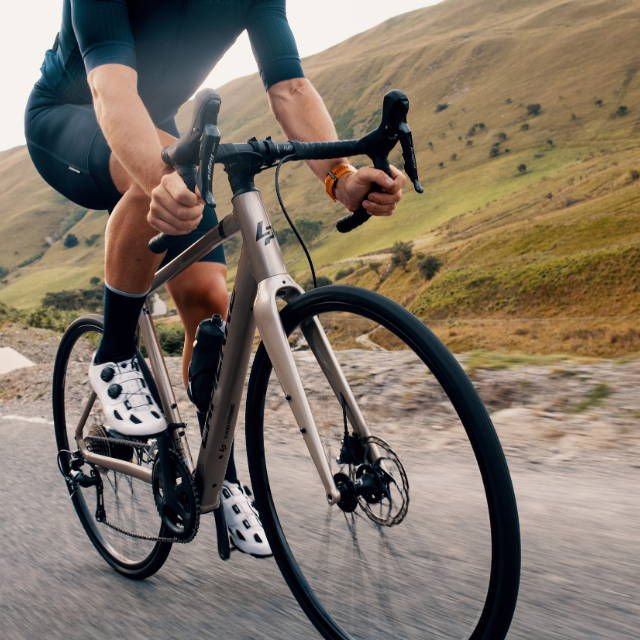
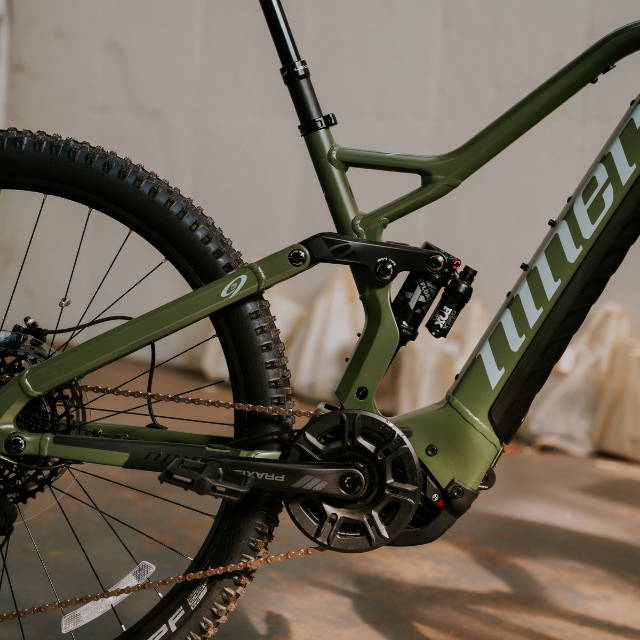
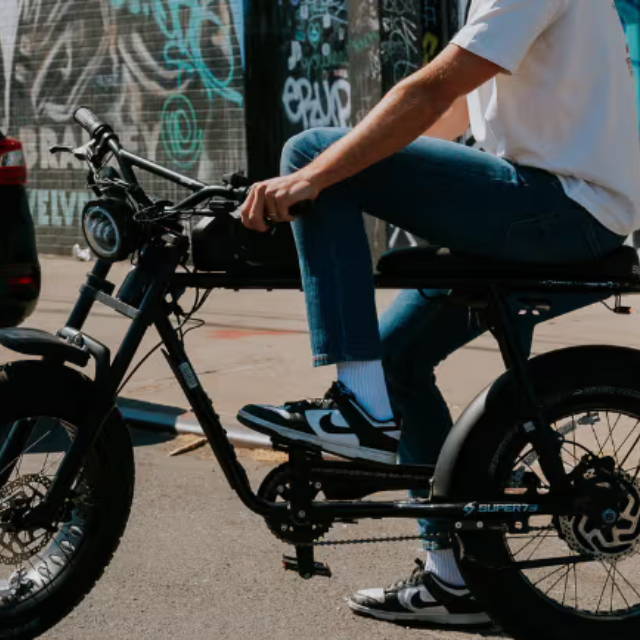
Road bikes with thin tires run the highest tire pressures, while fat bikes run the lowest. This is due to tire size and the types of terrain they typically come into contact with.
Complete Guide To Bicycle Tire Pressures
Written by: Nick Cowie | June 2, 2026 | Time to read: 5 min
Having the right tire pressure can enhance your ride a surprising amount. Dial in the right pressure for the type of bike and type of terrain you ride, and end up with the best-feeling ride ever.

More about the Author: Nick Cowie
Nick is a writer with seven years of experience in the cycling industry. In his free time, he enjoys swimming, Jiu Jitsu, and spending time outdoors.
When we think about ride quality, our mind often wanders to expensive frames, electronic shifting, and ceramic bearings. The reality is that something as seemingly trivial as tire pressure can enhance your ride quality just as much as those big-ticket items.
Finding the right tire pressure depends on you as a rider. The type of bike you have, rider weight, and the kind of terrain you ride all play a factor. If you can find the perfect pressure range for you, every ride will feel better than ever.
👋 Welcome to Upway!
Upway is your top destination for buying and selling e-Bikes online. Discover your next e-Bike at up to 60% off retail prices, available in new or like-new condition.
Table of Contents
Tire pressure by bike type
Optimal tire pressure has a lot to do with the width of the tire, which changes greatly through the range of bike types. Obviously, a 28mm road bike tire will run at a different pressure than an electric fat bike tire. Wider tires can roll more effectively at lower pressures due to a larger contact surface area, while thinner tires need more pressure. Here is a range for each.
- Road bikes:Road bikes run the thinnest tires, meaning they need the highest tire pressure. Depending on tire width and riding conditions, most road bike tires are at their best from 75-100 PSI.
- City bikes: Urban bikes have a lot of the same characteristics as road bikes, but their tires will be run at slightly lower pressures. This is due to the prioritization of comfort, the terrain changes, and the puncture risks of city riding. City bike tires should be set around 40-65 PSI.
- Gravel Bikes: Gravel bike tires are usually run at much lower pressures than road tires due to the terrain they encounter and their increased rim width. Expect to stay around 25-45 PSI for gravel bikes, depending on what type of terrain you are going after.
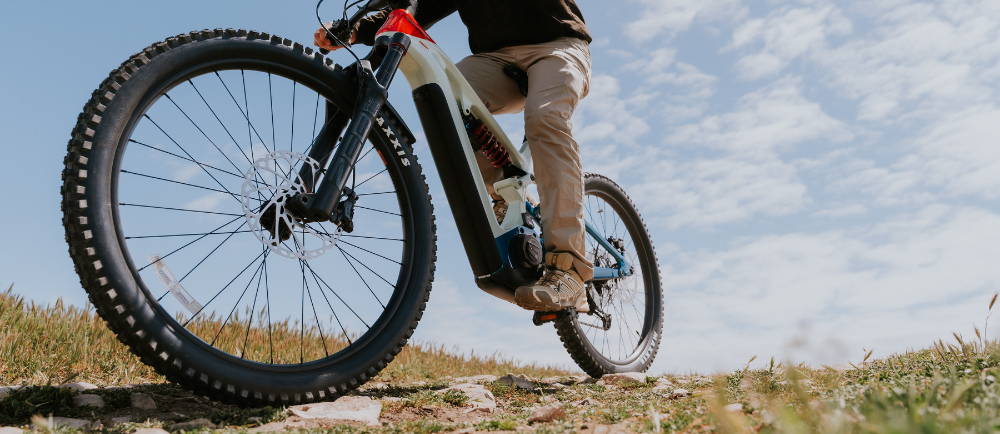
- Mountain bikes: As the tires get wider and the terrain gets tougher, the optimal tire pressure decreases. Mountain bikes tackle a wide range of terrain and include loads of sub-classifications, but the pressure range for “mountain bikes” as a whole comes in around 15-30 PSI.
- Fat bikes: Since fat bikes utilize massive tire widths, their pressures are usually the lowest. The pressure range starts all the way down at 1-5 PSI for riders tackling sand and snow, but can go all the way up to 30 PSI when you take your fat bike on the road.
Other variables that influence tire pressure
There is no magic number for what your tire pressure should be. In addition to your bike type and tire type, other factors need to be considered. Knowing yourself, your riding style, and environment is vital when it comes to setting your tire pressure for the ride ahead.
- Terrain: The surface conditions of where you ride play a huge role in where you want your tire pressure to be. A general rule of thumb is that the firmer the riding surface, the higher the pressure should be. On softer terrain, lower pressure is best for increasing contact area, traction, and comfort.
- Weight: The rider's weight and the mass of any cargo should be accounted for when inflating a tire. Heavier riders and cargo loads will need a higher tire pressure to maintain tire form properly throughout a ride.
- Weather: Hotter riding temperatures lead to increases in pressure, including inside your bike tires. This means if you want to ride on a particularly hot day, pump your tires to a slightly lower pressure than you normally would and expect natural increases. The opposite can be said for cold days of riding.
💸 Want to sell your electric bike?
- In case you didn't know yet, you can sell your e-Bike to Upway and get your cash in 3 simple steps.
- Want an estimation -> It takes only 2 minutes to complete this form
Getting the right pressure
Now that you know what pressure your bike tires should be at, let’s explore how to accurately get them to that number. Be sure to manually test your tires and learn how to recognize when they need to be pumped. Here are some tips for maintaining the best pressure:
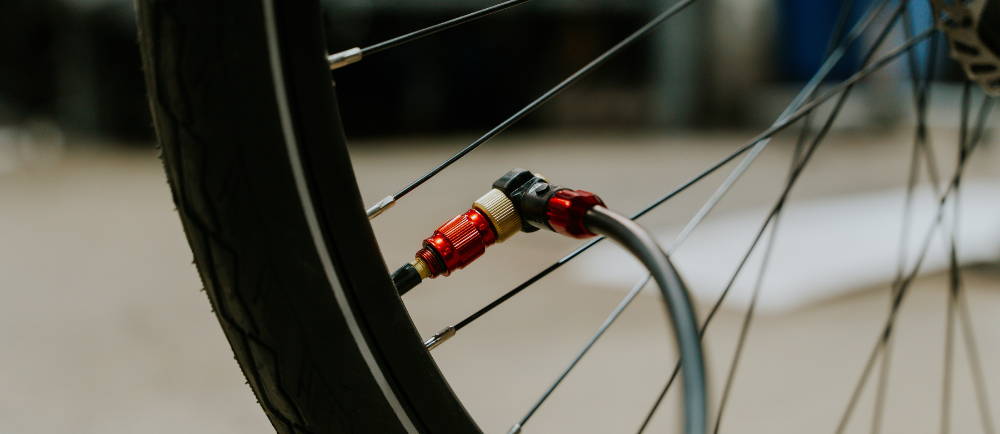
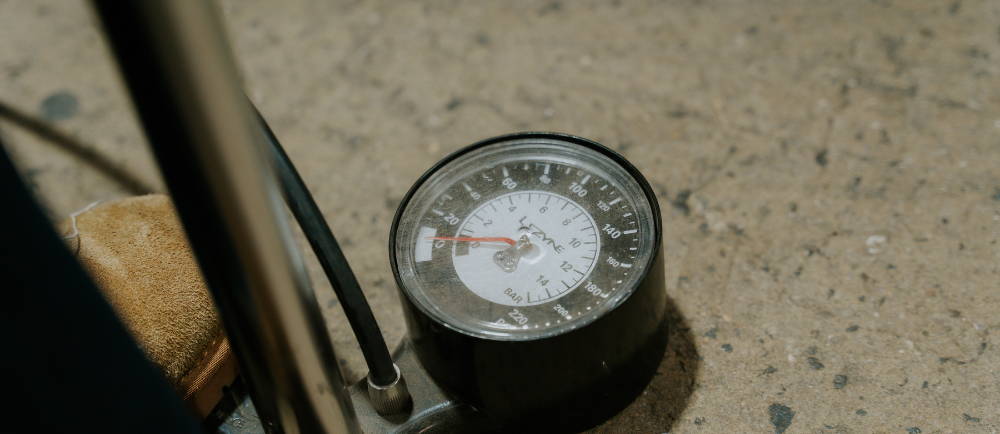
- Floor pumps: Having a big floor pump with a gauge at home is the best way to keep your tires in the ideal pressure range. It makes it extremely easy to dial in your pressure before you ride. Also, knowing what PSI your tires are actually running provides real information in case you want to tweak the pressure or create a bit of a mental map of ideal pressures for your favorite routes (especially off-road), rather than simply guessing.
- Bring backup: Sudden pressure changes can happen at any time, including on a ride. It is always best to bring a hand pump with you in case you need to pump a tire. Bringing valve adapters is also a great idea in case you only have access to a Schrader or Presta valve pump, and your bike tires feature the opposite.
- Be ready for flats: Flat tires, rips, and punctures are an unfortunate reality of cycling. It is a good idea to bring a patch kit, plugs, and an inner tube if applicable. Once your tire is patched up, you can use that hand pump to get the pressure to where it needs to be.
Frequently Asked Questions
What bikes run the highest pressure?
What pressure is best for larger riders?
Larger riders should run higher tire pressures than lighter ones. More rider weight means more downward pressure on the tire, leading to deformation. Some extra pressure will help it keep its shape for optimal performance.
What should I bring on a ride?
Ideally, bring a hand pump, valve adapters, a patch kit, and a spare tire or tube when you ride. This will make pressure changes, flats, and punctures much more manageable when they inevitably arise.
Key Takeaways
- Check pressure before each ride: You don’t have to do anything fancy, but give your bike tires a squeeze before you get on your bike to make sure they are ready for a long ride. Having a floor pump makes checking pressure and optimizing it much easier.
- Pay attention to variables: Keep an eye on the weather and know what type of terrain you’ll be riding each day. Combine that knowledge with the total system weight on your bike, and it will be easy to pick your perfect tire pressure.
- Be prepared: Getting stranded on your ride is never the plan. Bring everything you need to fix a flat and pump your tire on every ride so you can keep riding instead of calling an Uber.