Often, yes, but check the school’s rules first. A school district or university can have its own policies for riding, parking, storage, and lithium-ion battery charging.
Back to School E-Bikes: Specialized, Aventon, and Velotric Compared
Written by: Chris Van Leuven | September 16, 2026 | Time to read: 5-6 min
Compare the Velotric Discover 1, Specialized Turbo Como SL 5.0, and Aventon Level.2 for back-to-school commuting, safety, battery range, and e-Bike laws.

More about the Author: Chris Van Leuven
Chris is a writer, climber, and founder of Yosemite E-Biking in Mariposa, CA. When he’s not tackling Sierra Foothills trails or scaling rock walls, he’s crafting adventure stories with his boxer, Fenster. His work has appeared in Outside, Men’s Journal, Gripped, and Best American Sports Writing.
Three e-Bikes, six rounds, and three very different ways to get to school on two wheels. In Upway’s back-to-school video, the Velotric Discover 1, Specialized Turbo Como SL 5.0, and Aventon Level.2 go head-to-head regarding practicality, value, reliability, safety, raw power, and cool factor.
The Velotric is the comfortable value pick. The Specialized is lighter and feels more like a regular bicycle. The Aventon Level.2 splits the difference, with plenty of power and most commuter equipment already included.
If you’re still sorting out motors, batteries, e-Bike classes, and other basics, start with Upway’s complete electric bike buying guide. Then come back to check out these three back-to-school electric bikes for an in-depth comparison.
👋 Welcome to Upway!
Upway is your top destination for buying and selling e-Bikes online. Discover your next e-Bike at up to 60% off retail prices, available in new or like-new condition.
Table of Contents
Three Takes on the School Commute
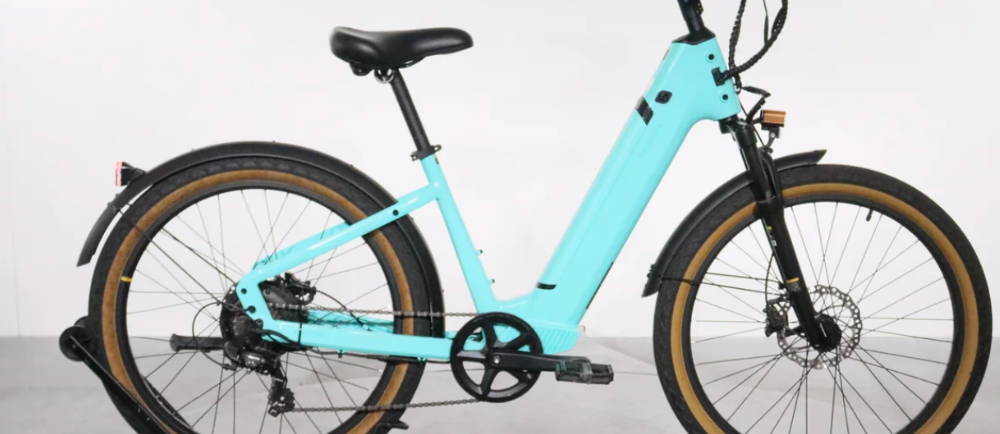
These bikes aren’t variations on the same commuter. The Discover 1 comes from Velotric’s early lineup and combines a 500W rear-hub motor with a large removable battery, hydraulic disc brakes, front suspension, and wide tires.
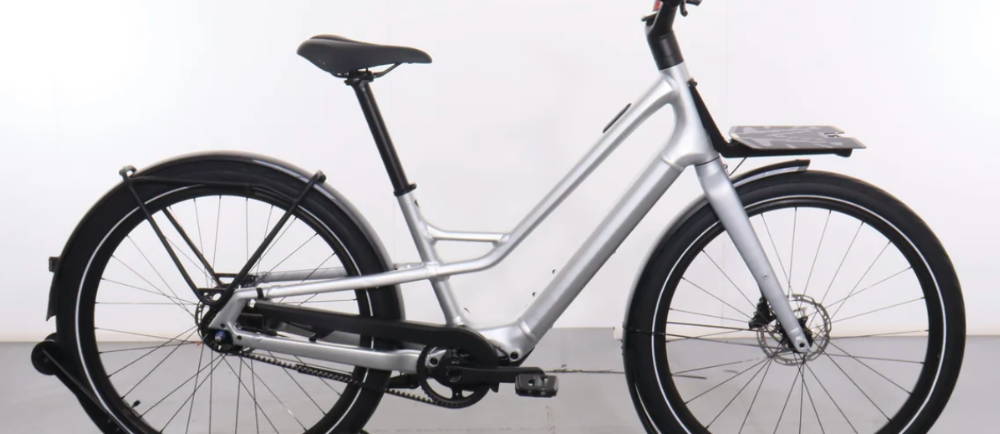
Specialized took almost the opposite approach with the Turbo Como SL 5.0. It uses a smaller mid-drive motor and battery but keeps the weight down and pairs an internally geared hub with a Gates belt drive.
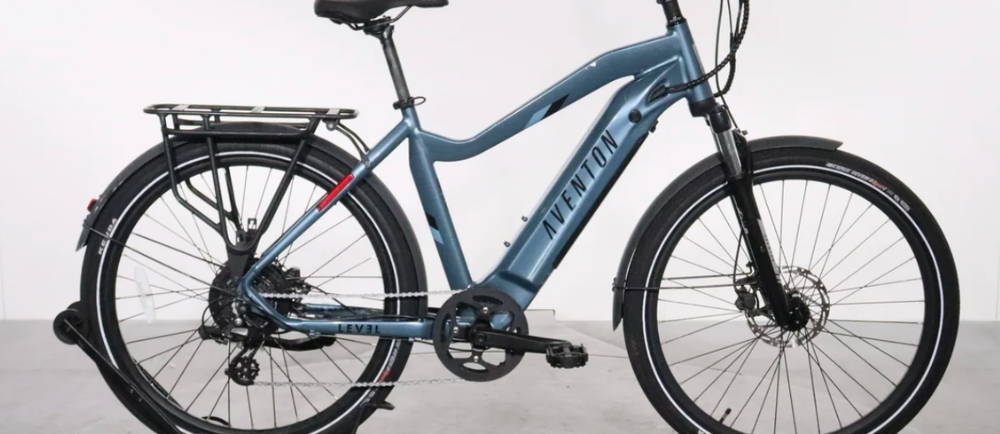
The Level.2 is more conventional. Aventon gave it a 500W rear-hub motor, a removable battery, a torque sensor, a throttle, a suspension fork, a rear rack, fenders, and integrated lights.
| Spec | Velotric Discover 1 | Specialized Turbo Como SL 5.0 | Aventon Level.2 |
|---|---|---|---|
| Motor | 500W rear hub | Specialized SL 1.1, 240W mid-drive | 500W rear hub |
| Battery | Roughly 670Wh | 320Wh | 672Wh |
| Pedal assist | Cadence sensor | Torque-sensing mid-drive | Torque sensor |
| Throttle | Yes | No | Yes |
| Drivetrain | Shimano 7-speed | Shimano Alfine 8-speed / Gates belt | Shimano 8-speed |
| Brakes | Hydraulic disc | Hydraulic disc | Hydraulic disc |
| Weight | About 60 lb | Roughly mid-to-upper 40s, depending on size | About 53 lb |
| Best argument | Comfort and value | Lower weight and drivetrain | Versatility |
Velotric Discover 1: Comfort and Value
The Discover 1 helped establish Velotric in the U.S. when it was founded in 2021 and started selling e-Bikes in 2022. Velotric has grown considerably since then. The company now says its bikes are available through more than 1,600 dealer shops, and its current Discover 3 shows how far the commuter line has come. It uses a 750W motor, a 730Wh battery, offers both torque- and cadence-sensing modes, and is UL certified. That context helps when you’re looking at an older Discover 1. You’re shopping an earlier generation of a commuter line that’s still being developed and supported.
The Discover 1 itself is pretty straightforward. A 500W rear-hub motor handles the assistance, while a large removable battery gives it considerably more capacity than the Specialized. You also get hydraulic disc brakes, a Shimano 7-speed drivetrain, front suspension, and wide 26-inch tires. Upway models of the Discover 1 weigh about 60 pounds. That’s substantial, but not unusual for a full-size commuter with a big battery and suspension.
For someone who wants an upright, comfortable e-Bike for riding to school without splurging for the newest generation, the Discover 1 still has a lot going for it.
If you’re considering an e-Bike for school or commuting, check out Upway’s head-to-head comparison of some of our favorite models. It’s a great chance to see three very different commuter e-Bikes compared directly before deciding what works best for your daily ride!
Specialized Turbo Como SL 5.0: Light and Low-Maintenance
The Turbo Como SL 5.0 doesn’t try to beat the other two with motor size. Its Specialized SL 1.1 mid-drive produces 240W and 35Nm of torque and works with a 320Wh integrated battery. There’s no throttle. This is an e-Bike for someone who expects to pedal. That smaller electrical system also helps keep the bike lighter. Depending on year and size, Upway models of the Como land roughly in the mid-to-upper 40-pound range.
The drivetrain is another advantage for a school commuter. The Como SL 5.0 uses a Shimano Alfine internally geared hub with a Gates belt drive. There’s no exposed rear derailleur, and the belt doesn’t need the regular lubrication of a chain. That means fewer greasy pant legs on the way to class.
Specialized also equipped the Como SL with hydraulic disc brakes, lights, fenders, and carrying capacity. The battery is integrated rather than removable, though, so charging means getting the bike close enough to an outlet. The current Turbo Como family has changed since the SL 5.0 was introduced. Specialized now lists newer Como 4.0 and Como 5.0 IGH models, including 2026 and 2027 model years. But the SL 5.0 still has something newer and more powerful that doesn’t automatically replace it: it’s relatively light, simple to pedal, and uses a low-maintenance belt-drive drivetrain.
If you’re comparing generations, Upway’s Specialized Turbo Como e-Bike review goes deeper into the Como family.
Aventon Level.2: The All-Around Commuter
I’ve put thousands of miles on a Level.2, so I know this bike best. Aventon gave it a 500W rear-hub motor, torque sensor, removable 672Wh battery, hydraulic disc brakes, front suspension, integrated lights, full fenders, and a rear rack. There’s also a throttle. Nothing there is especially exotic. It just works well together (but it’s not the best for climbing sustained hills, as I’ve seen here in the Sierra foothills).
The torque sensor responds to how hard you’re pushing the pedals rather than simply detecting that they’re turning. Around traffic, intersections, and other cyclists, that makes the assistance easier to control. The Level.2 ships as a Class 2 e-Bike with pedal assist and throttle operation up to 20 mph. It can also be configured for faster pedal assistance where local laws allow it. At about 53 pounds, the Level.2 sits between the lighter Specialized and the heavier Velotric. You give up the Specialized’s belt drive and lower weight, but you gain a throttle, more battery capacity, and a removable battery.
Aventon’s Level family has come a long way. The current Level 4 REC now uses a 750W hub motor and adds regenerative braking, up to 75 miles of claimed range, GPS/4G connectivity, theft-deterrence features, and UL certification.
That’s quite a jump in technology. It also shows why an older Level.2 can be a great choice on the used market. If you don’t need GPS connectivity, regenerative braking, or the latest electronics, the Level.2 already covers the basics of a school commute very well.
I’ve covered the model separately in my Aventon Level.2 resale-value guide, and Upway’s Aventon Level review and buyer’s guide goes deeper into the Level family.
Check E-Bike Laws Before Riding to School
A bike can work perfectly for the commute and still run into different rules depending on where you live. E-Bike laws vary by state and city. Schools and universities can add another set of rules covering where bikes can be ridden, parked, stored, and charged.
Before buying one for school, check:
- E-Bike class and assisted top speed
- Minimum rider age
- Helmet requirements
- Rules for local streets and bike paths
- Campus riding and parking policies
- Dorm or building rules for lithium-ion batteries
- UL certification requirements if you’re shopping in New York City
Shopping for These Older Models on Upway
The Discover 1, Turbo Como SL 5.0, and Level.2 have all been followed by newer bikes. That can make these earlier models a good value on the used market, especially if you don’t need the latest motor, display, connectivity, or security features.
You also don’t necessarily need the newest generation to get a capable school commuter. I’d focus on the features that will actually make a difference on the ride to school, whether that’s a removable battery, lower weight, a throttle, or a low-maintenance drivetrain.
When shopping on Upway, check the individual bike rather than relying on the model name alone. Battery condition, mileage, components, model year, weight, and UL status can vary. And remember, every e-Bike Upway sells also goes through its inspection process before being listed.
Frequently Asked Questions
Can you bring an e-Bike to school?
Which of these e-Bikes is best for a student?
It depends on the commute. The Discover 1 favors comfort and value, the Turbo Como SL 5.0 is lighter and uses a low-maintenance belt drive, and the Level.2 combines a torque sensor, throttle, removable battery, and 500W hub motor. For a student, I’d put just as much weight on where the bike will be stored and charged as I would on speed or range.
Can you buy these e-Bikes in New York City?
It depends on the individual bike. Upway has listed older examples of the Velotric Discover 1, Specialized Turbo Como SL 5.0, and Aventon Level.2 as non-UL and unavailable for purchase in New York City. Newer generations from these brands may be UL certified, so check the individual bike rather than assuming every model year is the same.
Key Takeaways
- These three e-Bikes take different approaches to commuting. The Discover 1 emphasizes comfort and value, the Turbo Como SL 5.0 keeps weight down and uses a belt drive, and the Level.2 combines a throttle, torque sensor, and commuter equipment.
- A newer model isn’t automatically the better school bike for everyone. The latest generations add power, range, connectivity, security, and other features, but the older bikes here already cover many of what matters on a daily commute.
- Check the exact bike before buying. Model year, components, battery condition, and UL certification can vary, especially when you’re shopping for an older e-Bike.