No. The cease-and-desist orders target prohibited e-motos, e-scooters, and other electric devices that fall outside New York City’s legal limits. Class 1, Class 2, and New York Class 3 e-Bikes remain legal.
NYC Crackdown On Retailers Selling Illegal E-Bikes: September Update
Written by: Chris Van Leuven | September 14, 2026 | Time to read: 5 min
NYC’s August 18 e-Bike deadline has passed. See which retailers stopped shipping prohibited e-motos, where sales continue, and what New York may do next.

More about the Author: Chris Van Leuven
Chris is a writer, climber, and founder of Yosemite E-Biking in Mariposa, CA. When he’s not tackling Sierra Foothills trails or scaling rock walls, he’s crafting adventure stories with his boxer, Fenster. His work has appeared in Outside, Men’s Journal, Gripped, and Best American Sports Writing.
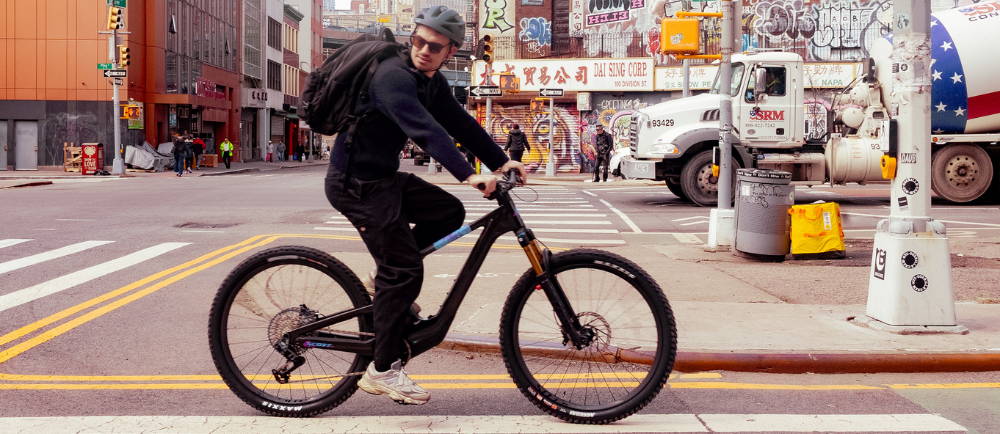
New York City gave 42 online retailers until August 18 to stop selling illegal high-speed e-motos, e-scooters, and other electric devices to city residents. The deadline has passed, and some of the biggest retailers complied. Amazon and Walmart are among roughly 19 companies that had stopped shipping the targeted devices to New York City addresses by August 28.
Others were still available. Facebook Marketplace and Craigslist continued to carry listings after the deadline, along with Alibaba and several direct-to-consumer brands. The city’s new policy blocked some of those products from reaching NYC customers, but hasn’t cut off every illegal transaction just yet.
In this blog, I’ll look at what changed after the August 18 deadline, where prohibited e-motos and other devices were still being sold, and what New York City may do about companies that haven’t complied.
👋 Welcome to Upway!
Upway is your top destination for buying and selling e-Bikes online. Discover your next e-Bike at up to 60% off retail prices, available in new or like-new condition.
Table of Contents
What Changed After the August 18 Deadline?
The August 5th cease-and-desist orders went to 42 companies selling electric devices that don’t meet New York City’s legal requirements. And the list wasn’t limited to obscure brands. Amazon, Walmart, Best Buy, Target, Temu, Wayfair, Segway, Facebook Marketplace, and several direct-to-consumer electric brands were among those targeted.
NYC says the prohibited products include e-Bikes with motors larger than 750 watts or capable of exceeding 25 mph, stand-up e-scooters weighing more than 100 pounds or capable of exceeding 20 mph, and seated mopeds without a valid VIN.
Companies had until August 18 to comply. Those that continue selling prohibited devices after receiving a cease-and-desist order can face civil penalties of up to $2,000 per illegal sale. By August 28, Streetsblog found that around 19 of the 42 companies had stopped shipping the targeted devices to New York City addresses.
The first three weeks looked like this:
| Date | What happened |
|---|---|
| August 5 | NYC sent cease-and-desist orders to 42 online retailers. |
| August 18 | Deadline for retailers to stop prohibited sales to NYC customers. |
| August 28 | Around 19 retailers had stopped shipping the targeted devices to city addresses. |
| September 30 | City Council micromobility safety hearing. |
Nineteen out of 42 isn’t everybody, but the orders clearly changed what some major retailers are willing to ship into the city. For someone shopping online, there’s another benefit. You shouldn’t have to find out after buying one that the “e-Bike” you ordered isn’t actually a legal e-Bike in New York City.
Some Major Retailers Stopped Shipping to NYC
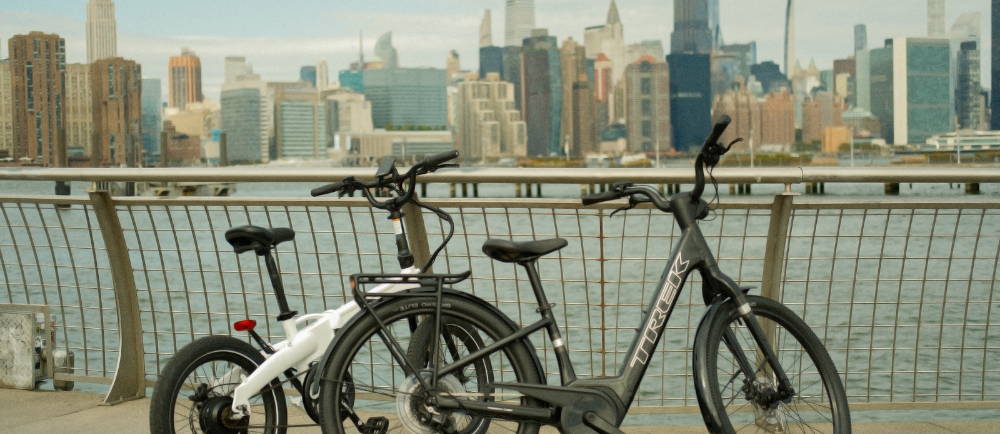
Amazon and Walmart were among the companies Streetsblog found had stopped shipping prohibited devices to city addresses. Some smaller sellers were handling the problem differently. Speedway Riders NYC told Streetsblog it was manually canceling New York orders while working on a way to block those sales through its website. A retailer doesn’t necessarily have to remove every one of these products from its website. The issue is whether it continues selling prohibited devices to customers in New York City’s 175 ZIP codes. The same vehicle may be legal to sell or operate somewhere else.
There are far fewer sellers for the city to deal with than individual riders, and NYC can intervene before another prohibited vehicle reaches a city customer.
Facebook Marketplace Is Harder to Rein In
Facebook Marketplace and Craigslist still carried listings for prohibited devices after the deadline. Alibaba and several direct-to-consumer brands also appeared to continue selling into New York City.
Streetsblog found that Movcan, Deepower, and Teverun, three brands whose vehicles have been involved in fatal NYC crashes, still appeared to be selling to city addresses. Seventeen-year-old Gabriel Nacato was killed in a July crash in Lower Manhattan while riding a Deepower e-moto. Streetsblog later found the same model listed on Facebook Marketplace for $200.
A Facebook Marketplace listing isn’t the same as Amazon shipping a new bike from a warehouse. Individual sellers can create listings, and used vehicles can change hands directly between people. The city can pressure large retailers to block a group of ZIP codes. Keeping every prohibited device off a resale marketplace is another problem entirely.

NYC Hasn’t Issued Fines Yet
The August 18 deadline came with a potentially expensive consequence: civil penalties of up to $2,000 for each prohibited device sold after a retailer was ordered to stop. As of August 28, those fines hadn’t gone out.
City Hall told Streetsblog it was in compliance discussions with more than 10 of the largest platforms and said those companies had expressed a desire to cooperate. At the same time, the administration said it was preparing further action against companies that hadn’t complied or made a good-faith effort to do so. That could eventually mean fines or litigation. When the cease-and-desist orders were announced, NYC Corporation Counsel Steven Banks said the city could pursue both if retailers continued prohibited sales. For now, the city appears to be giving companies a chance to comply before taking further action.
One result is getting companies such as Amazon and Walmart to change their shipping practices without going to court. The unanswered question is what NYC does with sellers that keep going.
Legal E-Bikes Aren’t the Target
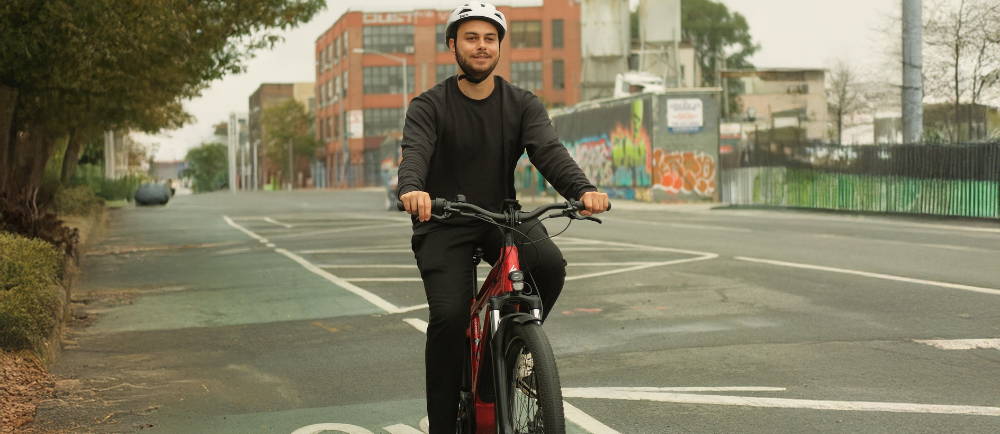
NYC’s cease-and-desist orders aren’t aimed at ordinary Class 1, Class 2, Class 3 e-Bikes. They target e-motos, e-scooters, and other electric devices that fall outside the city’s legal limits.
If you’re unsure where your bike falls, Upway’s New York City e-Bike laws and regulations guide explains the city’s e-Bike classifications and current riding rules.
The important distinction here is simpler. Putting pedals on a high-powered electric vehicle and advertising it as an “e-Bike” doesn’t necessarily make it one under New York law.
The Next NYC E-Bike Hearing Is September 30
The City Council has a joint micromobility safety hearing scheduled for September 30 at City Hall. The final agenda contains 16 items involving e-Bikes, e-scooters, delivery work, enforcement, and other street-safety issues. That’s separate from the August crackdown, and none of those proposals change what retailers were required to do by the August 18 deadline.
Upway’s September 30 NYC e-Bike hearing guide looks more closely at the proposals that could affect riders and buyers.
By the time the hearing arrives, more than six weeks will have passed since the cease-and-desist deadline. We should also have a better idea whether more retailers have stopped selling prohibited devices and whether NYC has started taking legal action against the holdouts.
Shopping for an E-Bike in NYC
If you’re shopping for an e-Bike in NYC, check the bike rather than trusting the product title. Motor power, assisted speed, throttle operation, and vehicle classification matter. Pedals alone don’t make an electric vehicle a legal e-Bike.
With Upway, you can see the specs, condition, and mileage of its certified pre-owned e-Bikes before buying. New Yorkers can also visit Upway’s Brooklyn UpCenter to see hundreds of e-Bikes in person.
Frequently Asked Questions
Are legal e-Bikes affected by NYC’s crackdown?
What e-Bikes are illegal in NYC?
Some products advertised as “e-Bikes” don’t legally qualify as e-Bikes. NYC specifically identifies e-Bikes with motors larger than 750 watts or capable of exceeding 25 mph among the devices that can’t legally be sold or operated on city streets. Calling one an “e-Bike” in an online listing doesn’t change that.
What happens if retailers keep selling prohibited e-motos in NYC?
Companies that continue prohibited sales after receiving a cease-and-desist order can face civil penalties of up to $2,000 per illegal sale. As of August 28, NYC hadn’t issued those fines, but the administration said it was preparing further action against companies that hadn’t complied or made a good-faith effort to do so.
Key Takeaways
- The crackdown has changed online sales. Around 19 of the 42 retailers targeted by NYC had stopped shipping prohibited devices to city addresses by August 28.
- Online marketplaces remain harder to control. Facebook Marketplace, Craigslist, Alibaba, and other sellers still carried prohibited devices after the deadline.
- Legal e-Bikes aren’t the target. The cease-and-desist orders focus on electric vehicles that exceed NYC’s existing legal limits.