No. Class 3 e-Bikes aren’t currently banned in NYC. Intro 244 would prohibit businesses from distributing, selling, leasing, or renting them if it becomes law. The proposal doesn’t say existing Class 3 e-Bikes would become illegal to own.
NYC Class 3 E-Bike Rules Could Change: 3 Proposals to Watch on September 30
Written by: Chris Van Leuven | September 14, 2026 | Time to read: 5 min
NYC Class 3 e-Bike rules could change in 2026. See three September 30 proposals covering Class 3 sales, e-Bike trade-ins, and e-moto advertising.

More about the Author: Chris Van Leuven
Chris is a writer, climber, and founder of Yosemite E-Biking in Mariposa, CA. When he’s not tackling Sierra Foothills trails or scaling rock walls, he’s crafting adventure stories with his boxer, Fenster. His work has appeared in Outside, Men’s Journal, Gripped, and Best American Sports Writing.

New York City’s next e-Bike fight could be over Class 3 bikes that are currently legal. On September 30, the New York City Council is scheduled to hold a joint hearing on micromobility safety. The final agenda includes 16 items, but three stand out if you already own an e-Bike or are shopping for one in NYC.
One could stop retailers from selling or renting Class 3 e-Bikes. Another would create a citywide trade-in program for Class 3 bikes and certain higher-powered electric vehicles. A third would change how vehicles requiring DMV registration can be advertised. None of these proposals is law yet. But unlike NYC’s recent crackdown on prohibited e-motos, these proposals could directly affect bikes that are currently legal to buy in the city.
In this blog, I’ll cover those three proposals regarding Class 3 e-Bikes in New York City, what they could mean for e-Bike owners and buyers, and what I’d watch for when the City Council takes them up on September 30.
For a wider look at what’s on the agenda, read Upway’s guide to the September 30 NYC e-Bike hearing. To see how e-Bike rules vary across the country, Upway’s electric bike laws by state guide covers e-Bike classifications and regulations across the U.S.
👋 Welcome to Upway!
Upway is your top destination for buying and selling e-Bikes online. Discover your next e-Bike at up to 60% off retail prices, available in new or like-new condition.
Table of Contents
NYC May Stop Retailers From Selling Class 3 E-Bikes
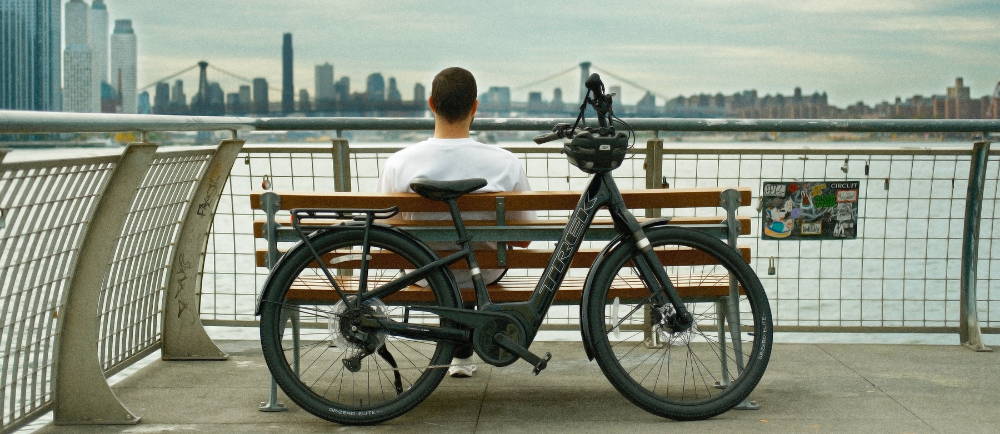
Of the proposals on the September 30 agenda, Intro 244 is the one I’d watch most closely. The bill would prohibit businesses in New York City from distributing, selling, leasing, renting, or proposing to sell, lease, or rent Class 3 e-Bikes. Under the current bill text, the first violation carries no civil penalty. Subsequent violations issued on different days within two years could carry penalties of up to $2,000. It doesn’t say owning an existing Class 3 e-Bike would become illegal.
And for now, that’s all it is: a proposal. There’s no guarantee Intro 244 will become law, and it would still have to move through the legislative process. But it has more support than you might expect. As of early September, 27 Council members were listed as sponsors, so I wouldn’t dismiss it. New Jersey has also recently tightened its e-Bike rules, adding licensing and registration requirements in 2026. That doesn’t tell us what New York City will do, but it shows that tougher regulation isn’t limited to one side of the Hudson.
There’s another important point here: Class 3 means something different in New York than it does in most states. New York’s Class 3 e-Bikes can provide motor assistance up to 25 mph and are specifically recognized for operation in cities with populations of one million or more. In most states using the familiar three-class system, Class 3 means pedal assist up to 28 mph.
NYC separately limits e-Bike riders to 15 mph, but Intro 244 isn’t another speed-limit proposal. It’s about whether retailers can continue selling new Class 3 bikes in the city. If you already own a Class 3 bike, Intro 244 doesn’t tell you to get rid of it. But replacing it locally with another one could become much harder.
That’s why I’d separate this proposal from the wider debate over how fast e-Bikes should be ridden in Manhattan, Brooklyn, Queens, the Bronx, and Staten Island. One is about riding speed. This one is about what stores can sell.
Upway’s New York City e-Bike laws guide gets further into the rules that currently apply to Class 1, Class 2, and Class 3 e-Bikes.
NYC Could Offer Class 3 Owners a Trade-In
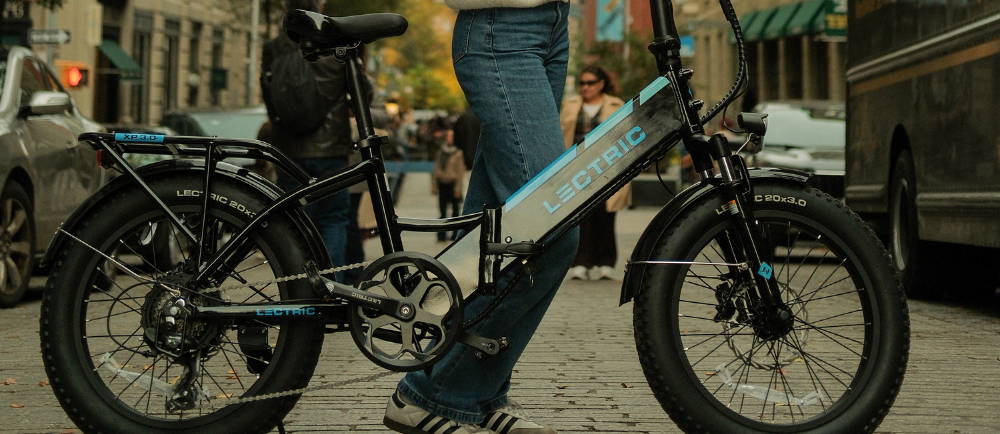
If Intro 244 is about new Class 3 bikes entering the city, Intro 985 deals with some of the bikes already here. The bill would create an NYC trade-in program for Class 3 e-Bikes and certain electric vehicles that don’t qualify as legal Class 1 or Class 2 e-Bikes. Eligible vehicles may include two- and three-wheeled electric vehicles that can exceed 25 mph using motor power alone or produce more than 750 watts. In exchange, an owner could receive a Class 1 or Class 2 e-Bike or a voucher to put toward one at a participating retailer.
For now, Intro 985 has considerably fewer sponsors than Intro 244. As of early September, only three Council members were listed as sponsors. That’s a small number, but the trade-in idea becomes more interesting if the Council also moves ahead with Intro 244. If the city makes new Class 3 bikes harder to buy, a program that gives current owners a way to switch to Class 1 or Class 2 bikes could become more important.
NYC has tried this idea before, but on a much smaller scale. A NYC DOT pilot that ended in 2025 gave 402 eligible food-delivery workers certified e-Bikes and batteries in exchange for uncertified e-Bikes, illegal mopeds, and other unsafe equipment. Intro 985 wouldn’t simply restart that program.
The Department of Consumer and Worker Protection would run the proposed program in coordination with DOT and other agencies. Eligibility couldn’t be restricted based on income or occupation. The bill also calls for participating retailers and at least one trade-in event in every community district each year.
If you already own a Class 3 bike, I’d read Intro 244 and Intro 985 together. One could make it harder to buy another Class 3 e-Bike in NYC. The other could give you a route into a Class 1 or Class 2 bike. The bill says trade-in values would account for make, model, condition, speed, and power capability. But we don’t yet know how much funding would be available or whether the resulting bike or voucher would be valuable enough to interest owners.
That matters. A Class 3 e-Bike can be a considerable investment. Telling somebody the city would prefer a different bike is one thing. Making that switch financially realistic is another.
NYC Could Put More Responsibility on E-Bike Sellers
Intro 988 approaches the e-Bike and e-moto problem from the advertising side. The bill would prohibit a seller from advertising a vehicle that requires DMV registration as a powered bicycle or powered mobility device. That’s different from simply enforcing the rules once a vehicle is on the street. If a vehicle needs DMV registration, the listing should make that clear before somebody buys it.
Legal e-Bikes don’t require DMV registration, a license plate, or a driver’s license. Mopeds do. Mopeds also aren’t allowed in NYC bike lanes. Of the three proposals, this one is the easiest for me to understand. If the vehicle needs DMV registration, don’t advertise it as an ordinary e-Bike.
For a closer look at where that line falls, Upway’s e-Bike vs. e-moto guide explains the differences between the two.
Three NYC E-Bike Proposals at a Glance
| Proposal | What it would do | Why it matters |
|---|---|---|
| Intro 244 | Stop NYC businesses from selling or renting Class 3 e-Bikes | Could make new Class 3 e-Bikes much harder to buy locally |
| Intro 985 | Create a trade-in program for Class 3 and certain higher-powered electric vehicles | Could give current owners a path into a Class 1 or Class 2 e-Bike |
| Intro 988 | Restrict how vehicles requiring DMV registration can be advertised | Could make it clearer before purchase whether a vehicle is legally an e-Bike |
The September 30 Hearing Won’t Change the Rules Overnight
None of these rules change on September 30. It’s a City Council hearing, not an implementation date. Council members will hear testimony and question city agencies, advocates, and other interested parties. The bills can still change before any vote.
What I’d watch after September 30 is whether Intro 244 and Intro 985 continue moving together. One could reduce the number of new Class 3 bikes entering the NYC market, while the other could give current owners a way to move into Class 1 or Class 2 bikes.
Plenty of riders have already spent real money on Class 3 bikes. If the Council wants fewer of them in NYC, what it offers those owners in return matters. Whether the trade-in is valuable enough to get riders interested, and whether the Council decides a Class 3 sales ban is necessary at all, are the two things I’d listen for on September 30.
Frequently Asked Questions
Is New York City banning Class 3 e-Bikes?
Is NYC starting another e-Bike trade-in program?
A new program has been proposed. Intro 985 would create a wider citywide trade-in program for Class 3 e-Bikes and certain higher-powered electric vehicles. It’s different from NYC DOT’s 2025 pilot for eligible delivery workers, which distributed 402 certified e-Bikes and has ended.
When is the NYC e-Bike hearing?
The New York City Council’s joint hearing on micromobility safety is scheduled for September 30, 2026. The final agenda includes 16 items covering e-Bikes, mopeds, delivery work, enforcement, street safety, and other micromobility issues.
Key Takeaways
- NYC could stop new Class 3 e-Bike sales and rentals. Intro 244 targets businesses that sell and rent Class 3 bikes, not people who already own them.
- The proposed trade-in program could give current owners another option. Intro 985 would cover Class 3 bikes and certain higher-powered electric vehicles, with Class 1 or Class 2 replacements or retailer vouchers.
- Nothing changes on September 30. It’s a City Council hearing, and all three proposals would have to move further through the legislative process before becoming law.