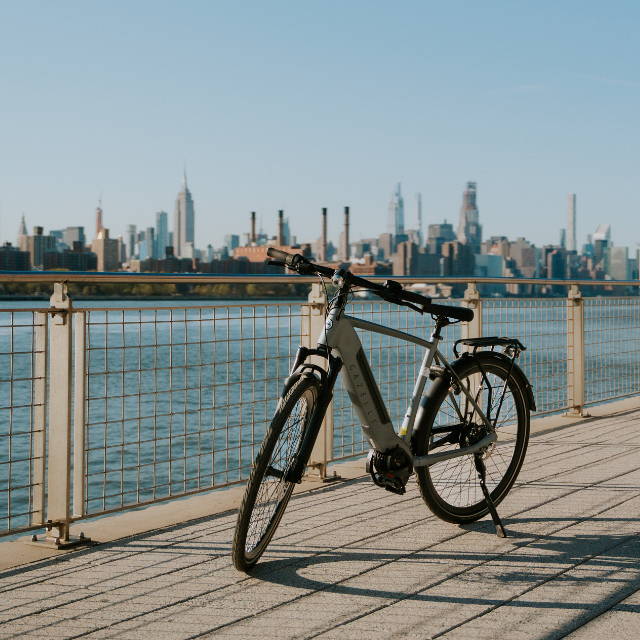
For most riders, Giant is the easier commuting pick. Bikes like the Explore E+ balance battery size, comfort, and mixed-surface versatility, while Scott’s Axis eRIDE suits riders who want a more premium all-terrain commuter.
Giant vs Scott: Which E-Bike Brand Fits Your Riding Style?
Written by: Chris Van Leuven | March 12, 2026 | Time to read 7 min
Giant vs Scott e-Bikes: compare 2026 models, specs, ride feel, electric mountain bike options, commuting performance, and why shop on Upway.

More about the Author: Chris Van Leuven
Chris is a writer, climber, and founder of Yosemite E-Biking in Mariposa, CA. When he’s not tackling Sierra Foothills trails or scaling rock walls, he’s crafting adventure stories with his boxer, Fenster. His work has appeared in Outside, Men’s Journal, Gripped, and Best American Sports Writing.
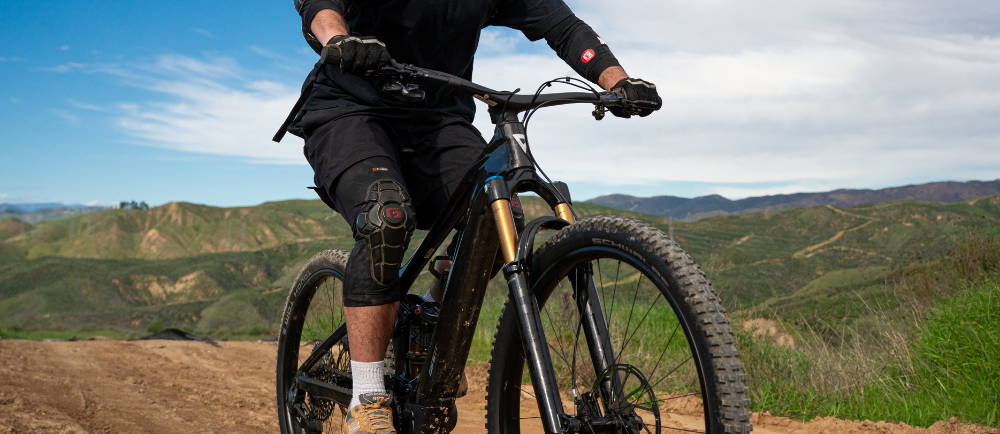
When riders compare Giant and Scott e-Bikes, they are not choosing between good and bad. They are choosing between two very legit bike brands that make strong electric road and mountain bikes, but solve slightly different problems. In this blog, you’ll learn how Giant and Scott compare across road, commuting, mixed-surface, and electric mountain bike riding, which 2026 models stand out, and which brand may make more sense for your riding style.
👋 Welcome to Upway!
Upway is your top destination for buying and selling e-Bikes online. Discover your next e-Bike at up to 60% off retail prices, available in new or like-new condition.
Table of Contents
Giant vs Scott: Brand overview
What are Giant electric bikes?
Giant is one of the world's biggest bike makers, and that scale shows up in its e-Bike range. The current U.S. lineup includes the Defy Advanced E+ Elite for road riding, the Explore E+ for mixed surfaces, the Talon E+ for hardtail trail use, and the Reign Advanced E+ for aggressive e-MTB riding. Giant uses proprietary SyncDrive motor systems and EnergyPak batteries. The new 48-volt SyncDrive Pro 3 motor delivers up to 800 watts of peak power and is designed to operate with 30 percent lower amperage, running cooler and more efficiently for smoother acceleration and greater support on trails.
What are Scott electric bikes?
Scott takes a different approach. Instead of building everything around one drive system, Scott uses different platforms depending on the bike. The Addict RC eRIDE uses the Mahle X20 system for lightweight road riding. The Lumen and Voltage eRIDE use TQ systems for lighter and more natural-feeling trail riding. The Axis eRIDE Evo Tour FS uses Bosch Performance Line CX for higher-power all-terrain riding. That gives Scott a more segmented lineup, but also a more customized one.
Giant vs Scott: Which brand to buy?
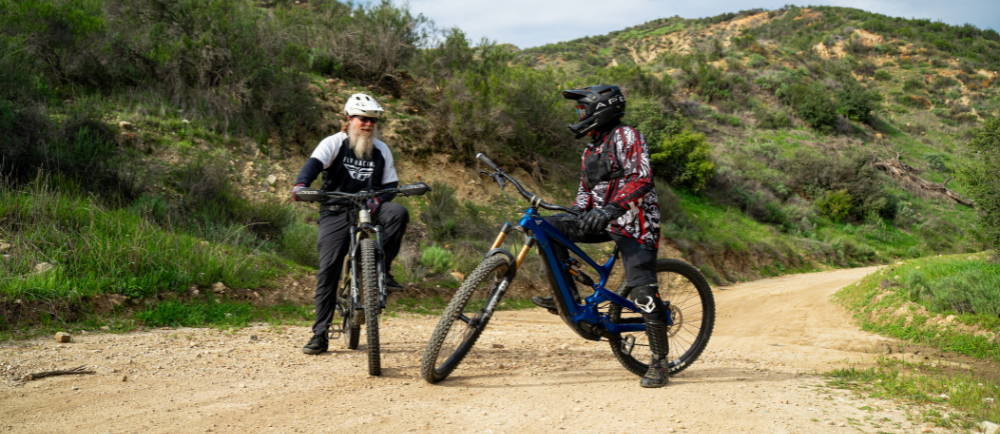
Giant makes a lot of sense for riders who want a wide range of electric bikes, solid value, practical spec packages, and a ride feel that is easy to understand right away. Scott tends to appeal to riders who want something a little more refined, category-specific, and performance-minded, especially in lightweight electric road bikes and lighter-feeling electric mountain bikes. Giant bikes often win on practicality and versatility, while Scott bikes often stand out for a more premium feel and sharper specialization.
Giant’s current U.S. e-Bike lineup includes road, hardtail, trail, and enduro models, while Scott’s current eRIDE range spans road, lightweight trail, and all-terrain urban categories with Mahle, TQ, and Bosch systems depending on the bike.
If you are shopping for the best e-Bike for commuting, fitness riding, road riding, gravel outings, or electric mountain bike trail use, this guide will help you narrow it down. Upway also makes it easier to compare certified pre-owned electric bikes from both brands, with e-Bikes up to 60% off.
When you walk into a bike shop and compare Giant bikes and Scott bikes side by side, that difference starts to make sense pretty quickly. Giant usually feels broad and practical. Scott regularly feels more category-driven and performance-specific. That does not make one brand better across the board, but it does shape the buying decision.
So the short version is this: Giant feels broader and more practical. Scott feels more tuned to specific riding styles.
Comparing top 2026 models
For Giant, some of the most exciting electric bike models are:
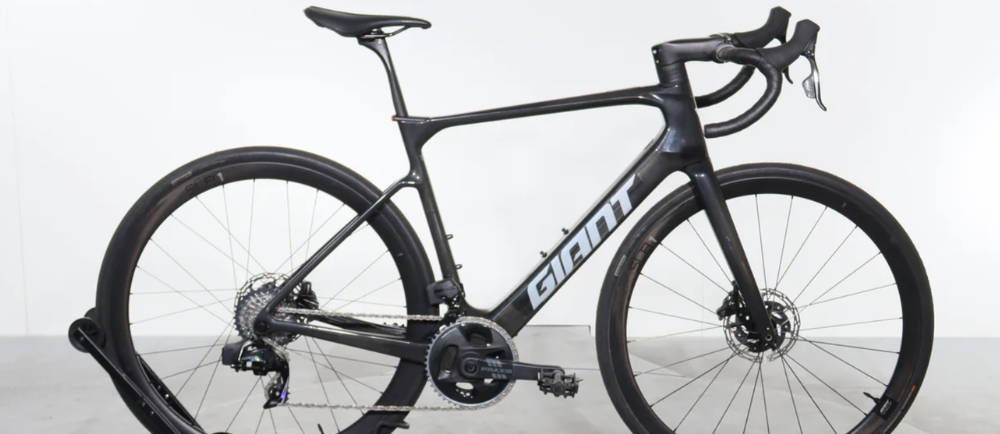
- Defy Advanced E+ Elite 0: SyncDrive Move Plus rear-hub motor, 30Nm at the hub, EnergyPak 400 battery, integrated taillight, and endurance-road positioning. The 30 Nm rear hub output feels comparable to 75 Nm from a mid-drive.
- Explore E+: SyncDrive Sport2 motor with 75Nm, 625Wh battery, upgrade path to EnergyPak 800, 100mm suspension fork, and wider tires for mixed-surface riding.
- Talon E+: SyncDrive Sport 2 motor with 75Nm, removable EnergyPak 430 battery, 100mm fork, and a listed 47.8-lb weight in size medium.
- Reign Advanced E+ 1: SyncDrive Pro 3 motor, 90Nm, up to 800W peak power, 560Wh battery, 170mm rear travel, and 180mm fork.
For Scott, the most popular current models are:
- Addict RC eRIDE: Mahle X20 hub motor, 55Nm, 250W, up to 407Wh internal battery capacity, 171Wh range extender option, and a claimed 23.4-lb complete-bike weight.
- Lumen eRIDE: TQ motor, 360Wh internal battery, 160Wh external range extender included on 2026 models, and a lightweight concept centered around a 34.2-lb build.
- Voltage eRIDE: TQ-HPR system, 360Wh battery, 160Wh range extender included on all 2026 models, 160mm/155mm travel, and a listed 39.5-lb weight for the SL model.
- Axis eRIDE Evo Tour FS: Bosch Performance Line CX motor, 85Nm, 750Wh removable battery, 140mm front and rear suspension, integrated lights, and all-terrain touring intent.
Those Scott models above make the comparison useful because you are looking at specs that matter for road riding, trail use, commuting, and everyday riding.
Road and all-road ride feel
If your riding leans toward road, fitness, endurance, or all-road, Giant and Scott build two different kinds of bikes. For riders coming from an analog bike background, especially those used to endurance road bikes, this is one of the simplest differences between the two brands.
Giant’s Defy Advanced E+ Elite is for the rider who wants a fast endurance road bike with discreet assistance, yet still has enough battery to ride big days. The 400Wh EnergyPak battery is one of the more practical numbers in this lightweight road category, and Giant built the system around steady support at speed, wireless shifting, and a smooth endurance-road setup.
Scott’s Addict RC eRIDE is more of a lightweight electric road bike for riders who want the closest possible feel to a non-electric performance road bike.
The Scott Addict RC eRIDE features the silent, drag-free Mahle X20 motor, designed to deliver electric assistance that seems natural to road cyclists, whether the motor is engaged or not. In contrast, Giant bikes may be better suited to riders who want road-bike speed featuring practical elements. Scott feels like the more exciting buy for riders who care a lot about low weight, clean integration, and a more race-bike style feel.
Electric mountain bike differences
Giant’s e-MTB lineup is built more around full-power assistance and a broad spread of trail categories. Its mountain range includes bikes like the Talon E+ for riders who want a simpler hardtail entry point, and the Reign Advanced E+ for riders looking for a more aggressive long-travel setup. Giant’s e-MTBs are built around the brand’s in-house SyncDrive motor systems, giving the lineup a more unified feel across models.
Scott’s approach is different. Its e-MTB range tends to emphasize lighter-weight systems, quieter ride feel, and handling that stays closer to a regular trail bike. Models like the Lumen and Voltage reflect that. Rather than pushing full-power e-MTB feel first, Scott puts more emphasis on natural ride character and lower overall bike weight.
At a brand level, the split is pretty simple:
- Giant makes more sense if you want fuller-power e-MTBs and a clearer path from entry-level hardtail to aggressive trail bike
- Scott makes more sense if you want a lighter, subtler e-MTB that feels closer to a non-electric mountain bike
Commuting, mixed surfaces, and everyday use
For many people, this is the real question about buying.
The Giant Explore E+ is one of the better examples of a do-it-all electric bike. Giant gives it a 75Nm motor, 625Wh battery, 100mm suspension fork, wider tires, hydraulic disc brakes, and an upgrade option to 800Wh. That is a great formula for commuting, fitness rides, bike paths, rough pavement, and gravel rides.
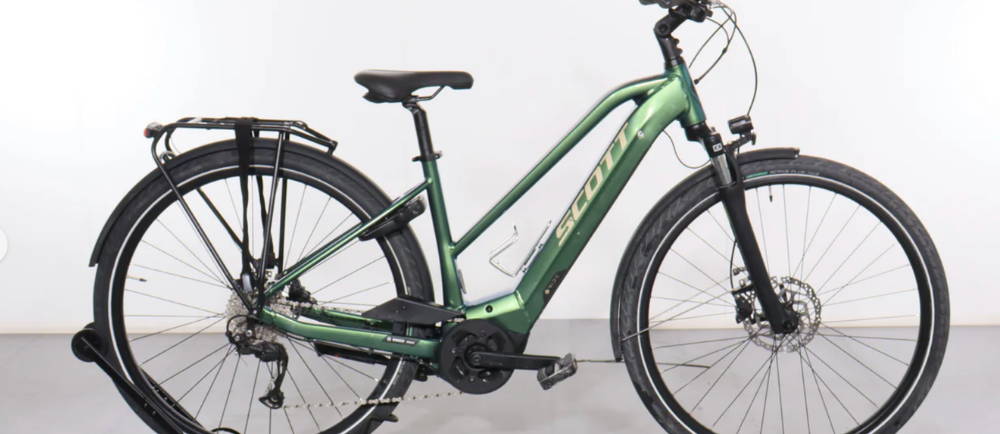
Scott’s answer is less one-size-fits-all. The Axis eRIDE Evo Tour FS is the higher-powered all-terrain choice, featuring Bosch Performance Line CX, 85 Nm, a 750Wh removable battery, full suspension, and integrated lights. That puts it in a more premium SUV-style electric bike category.
That means Giant is the easier recommendation for the rider who wants one electric bike for commuting and weekend exploring. Scott is stronger if the rider already knows they want a premium all-terrain commuter or a more specialized urban and touring setup.
For many riders, that matters more than shaving every last pound. They want electric bikes that can handle a daily ride, rough pavement, bike paths, and the occasional dirt outing while still helping them ride farther with less effort.

Why buy Giant or Scott e-Bikes on Upway
Once you know whether you want a practical all-rounder, a lightweight road bike, or an electric mountain bike with more trail bias, shopping gets easier.
That is where Upway helps. Upway’s certified e-Bikes are inspected, refurbished, and certified by mechanics at its UpCenters. The bikes undergo a 50-point inspection and come with a 1-year warranty and a 14-day return policy.
That is especially helpful if your local bike shop does not carry both brands, or if you want to compare more than one model without bouncing between stores.
For Giant, shopping for certified pre-owned can be a smart move because the lineup is broad, with many sensible everyday models that age well and hold second-owner value.
For Scott, certified pre-owned can be especially appealing because many of the bikes would have been priced higher when new. That can make Upway a more affordable way to buy something like a Scott Addict eRIDE, a Scott e-MTB, or a higher-end Giant electric bike, without paying new-bike retail prices.
Frequently Asked Questions
Is Giant or Scott better for commuting?
Which brand is better for a lightweight electric road bike?
Scott has the edge there. The Addict RC eRIDE is built around a lighter, more performance-focused road-bike feel, while Giant’s Defy Advanced E+ Elite is a little more endurance-oriented and practical.
Is Giant or Scott better for an electric mountain bike?
Giant is better if you want more powerful options and a simpler lineup, from hardtail to enduro. Scott is better if you want a lighter, more natural-feeling e-MTB with subtler assist.
Key Takeaways
- Giant is the more straightforward all-around option for riders who want strong value, broad model coverage, and practical electric bikes for commuting, fitness, and trail use.
- Scott is the more specialized option for riders who care about lightweight integration, refined ride feel, and performance-focused electric road bikes and trail bikes.
- Upway is a smart place to compare certified pre-owned Giant and Scott e-Bikes, especially if you want a premium model without paying full retail.