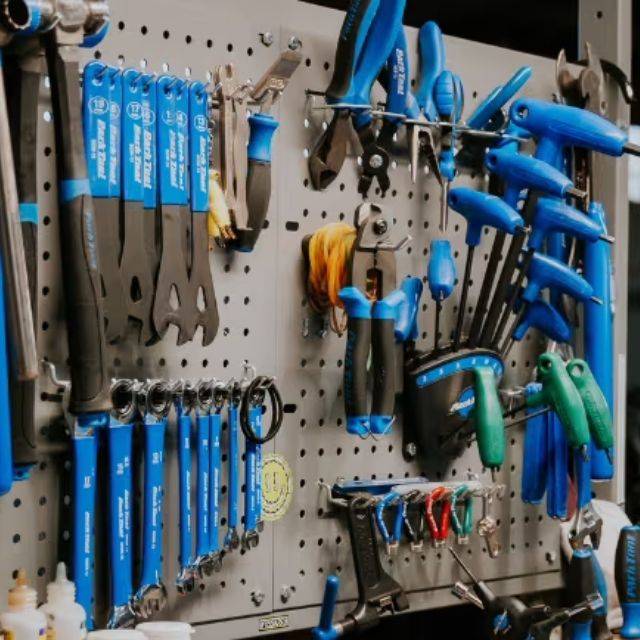
A basic service costs about $100 to $200. A comprehensive service, including electrical checks, typically costs $200 to $400, depending on the shop and the work involved.
Electric Bike Maintenance Costs in the U.S.
Written by: Tom Fortune | June 28, 2026 | Time to read 5 min
E-Bike maintenance costs more than most people expect. Here's what to budget for and what you can do to keep the bills down.

More about the Author: Tom Fortune
Tom is a Brit living in the French Alps. When he's not creating written and video content for various brands, he's either pedalling or snowboarding around his local mountains. E-Bikes have unlocked the potential for Tom to explore Alpine terrain and get away from the crowded bike parks. He is only too keen to share his knowledge and experience with other riders.
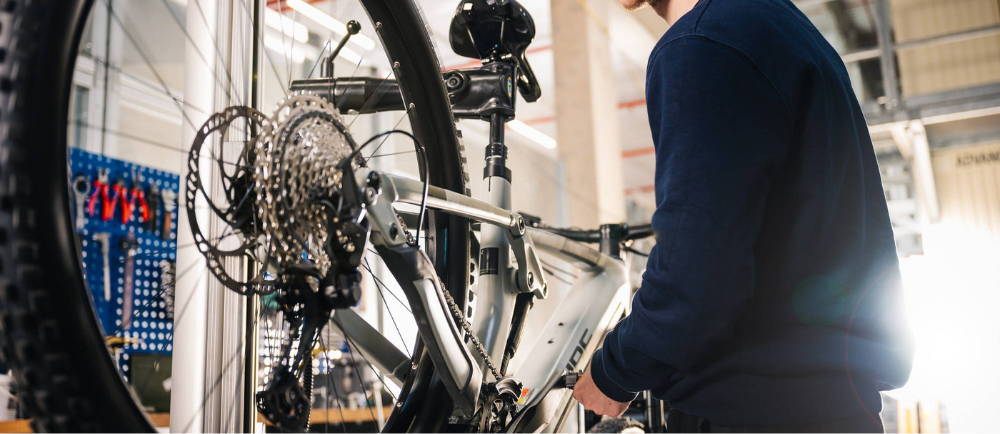
A lot of e-Bike owners don't think much about maintenance costs until they're sitting in a bike shop facing an unexpectedly high bill. Electric bikes need a bit more attention than regular bikes. The components can be more expensive, and technicians frequently have to spend a bit more time on them. Here's what you should expect regarding e-Bike maintenance costs.
Why E-Bike Maintenance Costs More Than a Regular Bike
The mechanical side of an e-Bike is essentially the same as that of any bike. Chains, tires, brake pads, and cables all wear out at similar rates and don’t cost much more to replace. What makes their electric equivalents more expensive is the electrical system and the labor rates that go with it.
If you were to go to a specialist e-Bike shop, they typically charge $135 to $165 per hour. A general bike shop runs $80 to $120. Any job touching the motor, battery, controller, or wiring takes longer and needs more expertise, so those extra dollars per hour add up quickly. Some electrical repairs also need specialist diagnostic tools that only authorized dealers carry. This isn't always a problem, but it can limit your options depending on where you live.
E-Bikes are heavier and faster than regular bikes, too, so brake pads wear faster, chains stretch sooner, and tires take more of a beating. If you're commuting daily or riding hard, those consumables need replacing more often than you might expect coming from a regular bicycle.
Routine Maintenance Costs
A basic service that covers brake adjustment, shifting, chain lubrication, and a safety check is about $100 to $200 at most shops. A more thorough service, including a suspension service and an electrical check, typically costs $200 to $400. Some shops price it in tiers. For example, a bike shop may charge $365 for a standard service and $530 for a major service.
You can expect to pay $15 to $30 to change an inner tube, or $50 to $80 for a tubeless conversion (which is well worth it in my experience). Brake pad replacement costs $30 to $60 per set for parts only, with labor added on top at shop rates. A hydraulic brake bleed is $40 to $80 per brake. Chain replacement, including labor, is $30 to $60 and is one of the most cost-effective things you can stay on top of, since a worn chain chews through a cassette fast. Service pricing varies more than you'd expect between shops, so it's worth knowing what each tier includes before you book anything.
However, these simple jobs, such as replacing brake pads, tires, or inner tubes, are skills worth learning. They are super simple, and doing them yourself means you're not left stranded or with a dangerous bike.
Common Repair Costs
| Repair | Typical US cost | Notes |
|---|---|---|
| Basic service | $100 to $200 | Brakes, shifting, chain lube, safety check |
| Full service | $200 to $400 | Includes wheel truing, cables, drivetrain, electrical check |
| Flat tire repair | $15 to $30 | Tube replacement; tubeless conversion $50 to $80 |
| Brake pad replacement | $30 to $60 per set | Parts only; add labor at shop rates |
| Hydraulic brake bleed | $40 to $80 per brake | Restores brake feel and performance |
| Chain replacement | $30 to $60 | Parts and labor; prevents cassette wear |
| Cassette replacement | $80 to $600+ | Basic e-Bike cassettes $60 to $150; high-end SRAM Eagle $400 to $500+ parts only |
| Wheel truing | $20 to $40 | Higher if spokes need replacing |
| Display replacement | $80 to $200 | Varies widely by brand and system |
| Throttle or pedal assist sensor | $50 to $150 | Parts and labor |
| Wiring repair | $60 to $200 | Depends on complexity and access |
| Controller replacement | $150 to $400 | Higher on integrated or proprietary systems |
| Hub motor replacement | $300 to $800 | Parts and labor; varies by motor |
| Mid-drive motor replacement | $500 to $1,500 | Bosch, Shimano, and Specialized systems at the higher end |
| Suspension fork service | $80 to $200 | Lower leg service; full rebuild costs more |
| Battery replacement | $500 to $1,000 | See section below |
Motor repairs are where the bills can get uncomfortable. Hub motor replacement can be $300 to $800 all-in, depending on the motor. However, it gets more expensive with a mid-drive motor. To replace a mid-drive motor on a name-brand system like Bosch, Shimano EP8, or Specialized SL1.1 can cost $1,500 or more, including parts and labor. I had to get a new Bosch motor for my bike when the bearings failed, but luckily, it was still under warranty.
The status of my wife's Shimano motor is currently hanging in the balance after a total shutdown, and we're a bit concerned she'll need a new motor. These jobs need authorized service equipment and trained technicians, and often need to be sent back to the factory, so there's not much room to shop around.
Replacing a controller varies a lot. On a generic hub motor bike, it might cost $150 to $300 installed. On a proprietary integrated system, the controller is often part of a larger assembly and costs considerably more.
👋 Welcome to Upway!
Upway is your top destination for buying and selling e-Bikes online. Discover your next e-Bike at up to 60% off retail prices, available in new or like-new condition.
Battery Replacement
Battery replacement is the big one, and it’s worth factoring in from the day you buy the bike.
Most lithium-ion batteries last 500 to 1,000 full charge cycles before capacity drops enough to affect range noticeably. For a daily commuter, that’s roughly four to six years. For a weekend rider, longer.
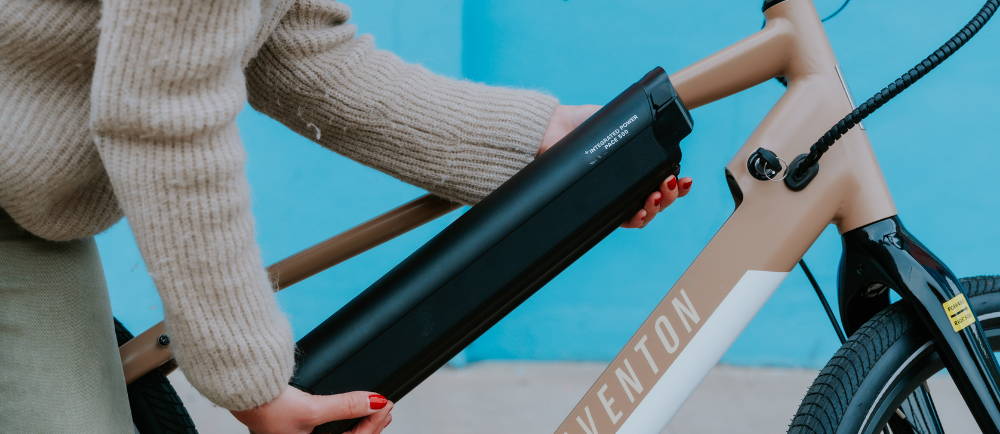
A Bosch PowerTube 500 costs around $550 to $650. A Shimano BT-E8035 is in a similar range. Specialized and Trek batteries range from $600 to $900, depending on capacity. Generic hub motor batteries cost $200 to $400, but compatibility and quality vary enough that it pays to be careful.
Most brands require battery replacements to be done through an authorized dealer, particularly for integrated systems. Fitting an aftermarket battery to save money often backfires. Compatibility problems can cause BMS faults, charging problems, or, in more serious cases, safety risks. If you’re not sure how often your battery needs attention or what the warning signs are, it’s worth reading up before the problem becomes urgent.
General Bike Shop vs E-Bike Specialist
Not all bike shops can work on e-Bikes. A general shop handles most mechanical work, such as tires, brakes, drivetrain, cables, and wheels, with no issues. For anything involving the motor, battery, or electrical system, you’ll usually need an authorized shop that has the right diagnostic tools. Some repairs simply can’t be done without proprietary software.
You also need to know that if the bike is under warranty, electrical work done by an unauthorized shop can void it, so it’s worth checking before you drop the bike off. Bosch-authorized dealers, Shimano service centers, and brand-specific shops have the software and tools for electrical repairs that a general shop can’t touch.
Buying a Pre-Owned E-Bike? Here's What to Know
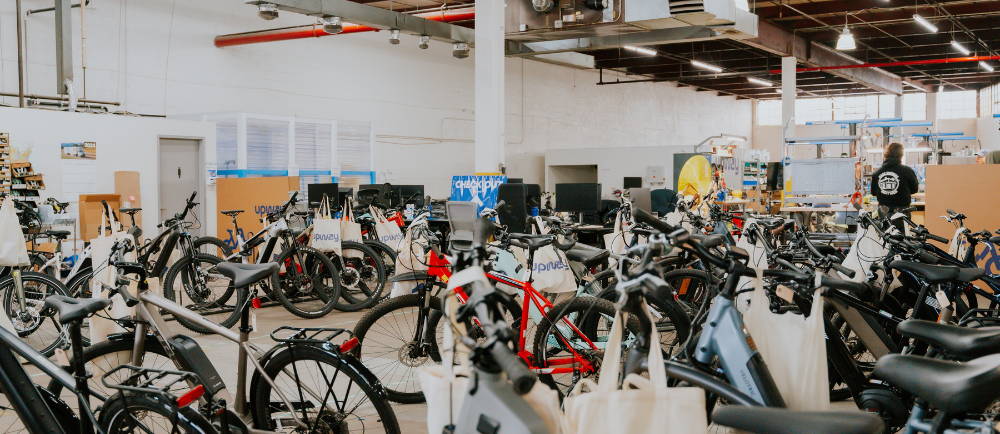
One of the easiest ways to cut the total cost of e-Bike ownership is to let someone else take the depreciation hit. A two- or three-year-old bike from a good brand can be significantly cheaper than new, and if the battery is in good shape, it should have years of reliable use left in it.
The issue with buying privately is that you don’t know its maintenance history. A battery that’s been regularly overcharged, a motor with a developing fault, or wiring that’s been poorly repaired can all look fine on a test ride and turn into expensive problems weeks later.
Upway’s 50-point inspection covers the electrical system, battery condition, and mechanical condition before any e-Bike goes on sale, and any battery with a capacity below 80% is replaced before listing. Each listing also shows the completed charge cycle count, which provides more insight into battery condition than a test ride ever could.
Browse used electric mountain bikes, used electric city bikes, the full range of certified pre-owned e-Bikes, or check the electric bikes on sale section for current deals.
Frequently Asked Questions
How much does an e-Bike service cost in the US?
How much does an e-Bike battery replacement cost?
Expect $500 to $1,000 for a replacement battery from a major brand like Bosch, Shimano, or Specialized. Generic hub motor batteries are cheaper but vary in quality and compatibility.
How often does an e-Bike need servicing?
Most riders benefit from a service every 1,000 miles or every six to twelve months, whichever comes first. Frequent riders or those in demanding conditions may need more regular attention.
Can a regular bike shop service an e-Bike?
For mechanical work, yes. For motor, battery, or electrical repairs, you’ll usually need a specialist or authorized dealer with the right tools and brand authorization.
How much do e-Bike motor repairs cost?
Hub motor replacement typically runs $300 to $800. Mid-drive motor replacement on a name-brand system can reach $1,500 or more, including parts and labor.
Key Takeaways
- Annual e-Bike maintenance typically costs $200 to $300 for routine servicing, but electrical repairs and battery replacement can add considerably to that figure.
- Battery replacement is the largest single maintenance cost most owners face, typically $500 to $1,000 for a name-brand pack, and is worth planning for from the start.
- Buying a certified pre-owned e-Bike through a reputable platform removes the risk of inheriting hidden maintenance costs, particularly on the battery and electrical system.