


The PATH allows all kinds of bikes on the train, but this is limited to folding bikes on weekdays from 6:30 am - 9:30 am and 3:30 pm - 6:30 pm.

Can You Bring an E-Bike on PATH? Rules and Tips
Written by: Nick Cowie | November 5, 2026 | Time to read 5 min
If you work in New York City but live in New Jersey, there is a good chance you take the PATH to work. If you want to ride your e-Bike once you get into the city, be sure to follow these rules and PATH regulations.

More about the Author: Nick Cowie
Nick is a writer with seven years of experience in the cycling industry. In his free time, he enjoys swimming, Jiu Jitsu, and spending time outdoors.
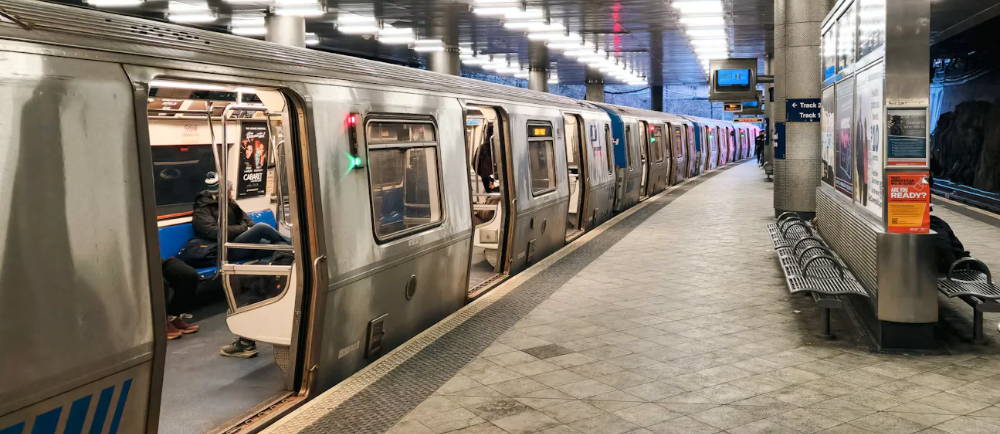
The PATH is one of the most popular ways for New Jersey commuters to get in and out of New York City. Connecting Jersey City and Hoboken directly to the city, the commute takes mere minutes. Once you get into the city, you might prefer to ride your electric bike to your destination rather than dealing with more subway rides. If you bring your electric bike on the PATH, be sure to note when and where your specific electric bike is allowed.
👋 Welcome to Upway!
Upway is your top destination for buying and selling e-Bikes online. Discover your next e-Bike at up to 60% off retail prices, available in new or like-new condition.
Table of Contents
What frame types are allowed?
What is allowed on the PATH is not a linear rule. It varies based on the time of day. This is because they want less congestion during peak commuting times when the trains are extra crowded. More leniency is given during off hours when there is more space to accommodate larger electric bikes.
- Folding Bikes: There are no restrictions placed on when folding bikes can be brought onto a PATH train. Because of their compact nature, these e-Bikes are permitted throughout the day. The only rule is that they must be fully collapsed before passing through the station fare gates.
- Non-Folding Bikes: If you don’t have a folding bike, things start to get more complicated. Non-folding e-Bikes are strictly prohibited during peak rush hours, which is defined as weekdays from 6:30 am - 9:30 am and 3:30 pm - 6:30 pm. Outside of these hours, you are permitted to have a non-folding e-Bike.
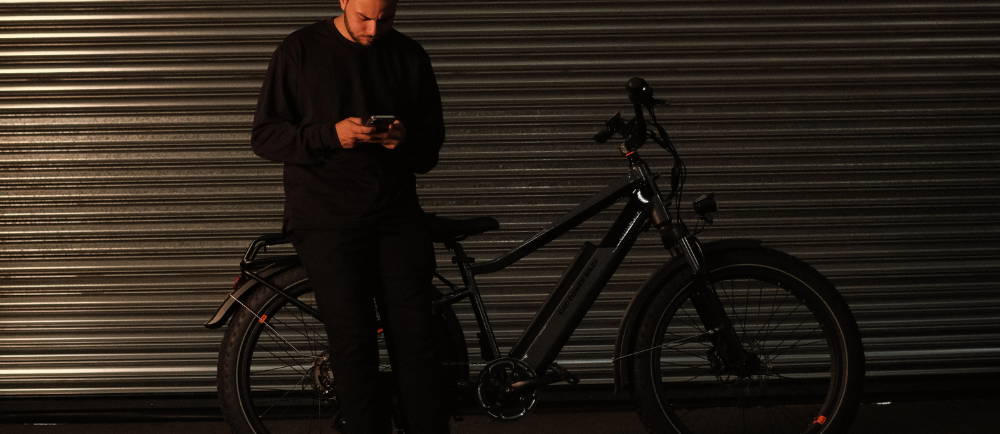
What is not allowed on the PATH train?
To keep travel pleasant and safe for everyone, the PATH has its share of restrictions, many of which apply to cyclists. Certain compact modes of transportation are banned for safety reasons, while others would simply take up too much room.
- Completely Banned: Regardless of the time of day, electric scooters, hoverboards, and electric skateboards are all banned from entering the system. This is because they carry a higher fire risk than e-Bikes.
- Quantity: The number of bikes you can have on the train at once is limited, regardless of type. A maximum of two bicycles are allowed inside of an individual rail car at any time. This means if you walk into a car and there are already two bikes in it, you need to find a different car.
- Location: Bicycles are completely banned from the first car of the train to ensure access to emergency exits. Bicycles are also banned from station escalators. Port Authority Police have the ability to tell cyclists to wait for the next train if overcrowding is an issue.
What rules need to be followed while on the train?
Even if you follow all the rules regarding what type of bike you can bring on the PATH and where you are allowed to bring it, you are still expected to follow a certain set of rules. These rules are mostly in place for passenger safety and to prevent overcrowding.
- Holding Your Bike: Passengers are required to hold their bike frames at all times during transit. The wheels should be positioned to avoid blocking walking aisles or sliding doors.
- Riding Your Bike: Regardless of whether you are on the train, in a station corridor, or on the platform, it is completely forbidden to ride your bike within the confines of the PATH station.
How should I plan my PATH commute?
If you want to use the PATH train to get to and from the city but want to ride your bike before and after, you have a few options. If you plan on being on the train during morning or evening rush hours, it makes the most sense to invest in a folding bike. A regular city bike is great, but will only be allowed if you are traveling during off hours. Check out Upway’s selection of folding bikes and see if we have one that you can make a part of your commute.
Frequently Asked Questions
Are only folding bikes allowed on the PATH?
Why can’t I use an escalator?
The PATH prohibits bikes on escalators for crowding and safety reasons. If you need to change floors with your bike, use the stairs or an elevator instead.
What do I do if there are two bikes in my train car?
The PATH has a strict two-bike limit for each train car. If you get on a car and there are already two bikes in it, you need to walk until you find a new car that is not at capacity.
Key Takeaways
- Folding bikes are easiest: Folding bikes are known for their ease of use in commuting situations, but when it comes to the PATH, they are even more convenient since you can bring one on the train at any time of day or night.
- Keep control of your bike: Regardless of whether you are on the train or the platform, it is your job to maintain control of your bike to make sure it doesn’t get in anyone’s way or obstruct an exit.
- Upway has PATH-ready bikes: Upway has tons of folding bikes for great prices, as well as other city bikes that can be used on the PATH during non-surge hours.

MY WISHLIST
Your wishlist is empty.
Continue shopping
Drop Us A Line
We’re happy to answer any questions you have or provide you with an estimate. Just send us a message in the form below with any questions you may have.
Continue shopping