Yes, sometimes. Federal agencies, state parks, and local trail managers can introduce their own speed limits for shared-use trails. Always obey posted speed limits and ride at a safe speed for the conditions.
Are E-Bikes Allowed on Roads, Bike Lanes, and Trails in the US?
Written by: Kazim Ladimeji | July 18, 2026 | Time to read 6 min
One of the biggest advantages of owning an e-Bike is the freedom to explore roads, bike lanes, trails, and parks. But where you can legally ride depends on more than simply owning an electric bike. Federal agencies, states, cities, and even individual park managers all have the power to set their own electric bike laws, and these often vary according to the class of e-Bike you're riding.
More about the Author: Kazim Ladimeji
Kazim is a UK-based cyclist and writer who discovered his passion for riding during lockdown six years ago and hasn’t looked back since. He now rides around 100 miles a week, exploring road and light gravel routes from his base in the Cotswolds, a cycling paradise. When he’s not riding or writing about e-Bike trails in the US, he’s exploring cafés, cooking, and keeping busy as a soccer dad
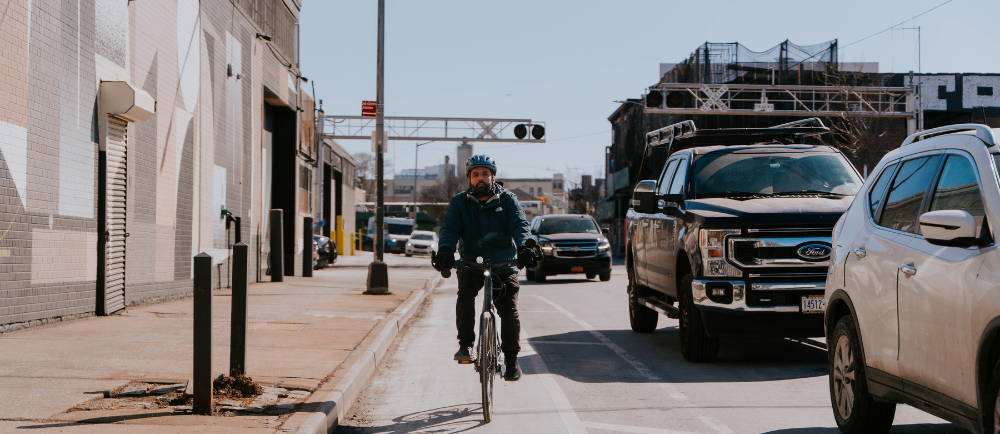
Most low-powered electric bikes are treated much like conventional bicycles, giving them access to many of the same roads, bike lanes and shared-use paths. However, there is no single nationwide rule governing e-Bike access across the United States.
Instead, different federal land agencies, state governments, local authorities and park managers each establish their own regulations. While Class 1 e-Bikes generally enjoy the broadest access, Class 2 throttle bikes and faster Class 3 models often face additional restrictions, particularly on shared-use trails.
In this article, I explain where Class 1, Class 2 and Class 3 e-Bikes can legally be ridden, how federal land agencies regulate access, and why it's always worth checking local signage before you ride.
👋 Welcome to Upway!
Upway is your top destination for buying and selling e-Bikes online. Discover your next e-Bike at up to 60% off retail prices, available in new or like-new condition.
Are e-Bikes allowed on roads, bike lanes and trails in the US?
There isn't a straightforward answer to this because e-Bike access is determined at the federal, state, and local level, and often depends on the class of electric bike.
Can e-Bikes ride on roads and trails on federal lands?
E-Bike access varies according to the land agency and the class of electric bike.
Bureau of Land Management (BLM)
Class 1, Class 2, and Class 3 electric bikes are generally allowed wherever conventional bicycles are permitted, provided the Class 2 throttle is not used for prolonged periods.
National Park Service (NPS)
Electric bikes may be ridden on roads and trails wherever conventional bicycles are permitted, subject to local rules established by the Park Superintendent, who can designate which areas and classes of e-bikes are permitted.
Always check local signage before riding. Electric bikes are prohibited in designated Wilderness Areas within National Parks. Again, prolonged use of the Class 2 throttle is generally discouraged.
US Forest Service
Class 1, Class 2, and Class 3 e-Bikes are generally permitted only on trails designated for motorized vehicles. By default, they are not allowed on trails designated as non-motorized, although individual trails may be redesignated through the National Environmental Policy Act (NEPA) process.
US Fish and Wildlife Service
Access is determined by the individual refuge manager. They may permit Class 1, Class 2 (without prolonged throttle use), and Class 3 e-Bikes wherever conventional bicycles are allowed. Again, check local signage before riding.
As a general rule, Class 1 and Class 2 e-Bikes enjoy the broadest access to recreational trails, although many federal agencies discourage prolonged use of the Class 2 throttle.
Are e-Bikes allowed on roads?
This is determined by state and local law. Generally, electric bikes that comply with the three-class system are treated like conventional bicycles and may be ridden on public roads, highways, bicycle lanes and shared-use paths wherever bicycles are permitted.
However, they are generally not permitted on freeways or interstate highways for obvious safety reasons.
Electric bikes that fall outside the three-class system (often referred to as e-Motos) are usually classified as motorcycles. As a result, they are generally confined to public roads and prohibited from bicycle lanes, shared-use paths, and non-motorized trails.
Some states and cities also introduce local speed limits. For example, New York City limits e-Bikes to 15 mph on city streets. Always check local guidance before riding, particularly in busy metropolitan areas.
Frequently Asked Questions
Are there speed limits for e-Bikes on trails?
Are there specific speed limits for e-Bikes on roads?
It depends on the state or city. Most Class 1, 2, and 3 e-Bikes simply follow the speed limits applicable to bicycles and the motor assistance limits set by their class. However, some cities, such as New York City, impose lower operating speeds for safety reasons.
Can I use my Class 2 throttle assist on trails?
It depends on who manages the trail. Many federal land agencies allow Class 2 e-Bikes but discourage prolonged throttle-only riding. Some state parks and local trail managers restrict or prohibit Class 2 throttle use altogether, so always check local regulations and posted signage before riding.
Key Takeaways
- There is no single nationwide rule governing where e-Bikes can be ridden in the US.
- Class 1 e-Bikes generally enjoy the broadest access to roads, bike lanes, and recreational trails.
- Federal land agencies each have their own rules, and many discourage prolonged use of Class 2 throttles on trails.