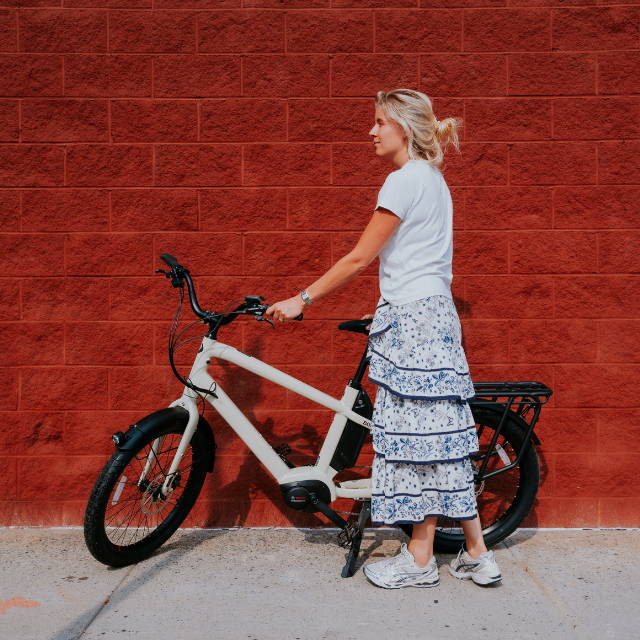
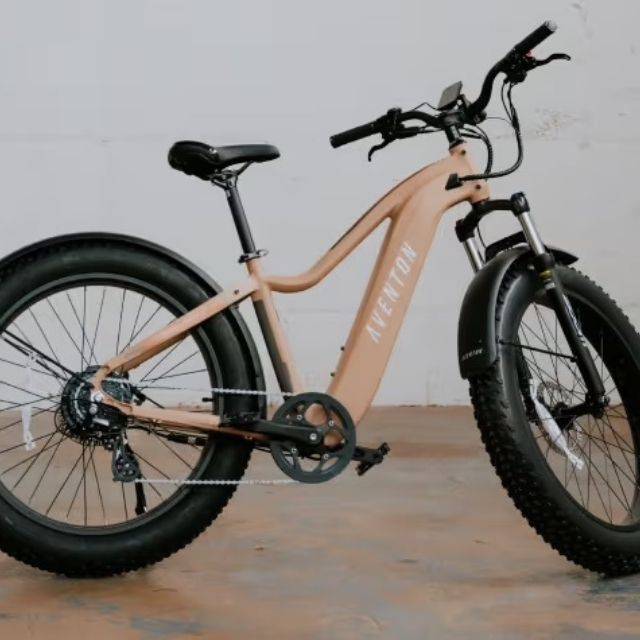
No. Vermont law explicitly exempts e-Bikes from registration, inspection, title, operator’s license, and insurance requirements. All three classes are treated as bicycles.
Vermont E-Bike Laws and Regulations (2026 Update)
Written by: Tom Fortune | June 29, 2026 | Time to read 5 min
Vermont is one of the more e-Bike-friendly states in the US, with no license, registration, or helmet requirement. Here’s what you need to know before you ride.

More about the Author: Tom Fortune
Tom is a Brit living in the French Alps. When he's not creating written and video content for various brands, he's either pedalling or snowboarding around his local mountains. E-Bikes have unlocked the potential for Tom to explore Alpine terrain and get away from the crowded bike parks. He is only too keen to share his knowledge and experience with other riders.
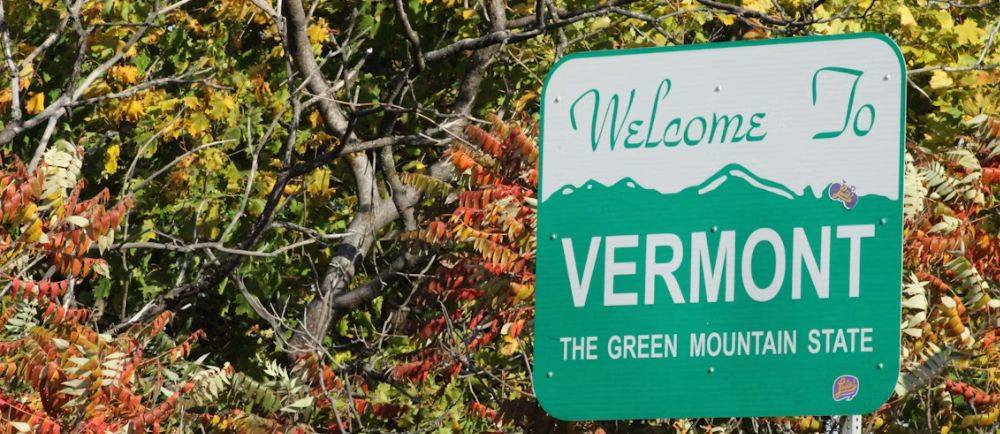
Vermont’s e-Bike law came into effect on January 1, 2022, and hasn’t changed much since. Nothing new passed in 2025, so the rules heading into 2026 are the same ones riders have been working with for a few years. It’s a pretty rider-friendly area, and most of what you need to know is fairly straightforward. Here’s what you need to know about electric bike laws.
Table of Contents
How Vermont Defines an E-Bike
Vermont defines an electric bicycle as a bike with fully operable pedals and an electric motor of less than 750 watts. If your bike ticks those boxes and falls into one of the three classes below, it’s treated as a bicycle under state law, not a motor vehicle. That distinction means you don’t need registration, a license, or insurance.
Every e-Bike sold in Vermont must have a permanent label showing the class, top assisted speed, and motor wattage.
The Three E-Bike Classes
Vermont uses the same three-class system you’ll find in most US states:
Class 1: Pedal-assist only. The motor helps when you pedal and cuts out at 20 mph. No throttle.
Class 2: Pedal-assist and throttle. You can use the motor without pedaling, but it cuts out at 20 mph.
Class 3: Pedal-assist only, up to 28 mph. Requires a speedometer. Riders must be at least 16 to operate one.
In all three classes, the motor must stop when you stop pedaling or squeeze the brakes.
License and Registration Requirements
The good news is that Vermont explicitly exempts e-Bikes from driver’s license requirements, vehicle registration, inspection, title, and insurance. This means you can just ride without worrying about red tape and paperwork.
This applies to all three classes. Vermont is one of the clearest states in the country on this point. If your bike fits the definition above, it’s a bicycle as far as the law is concerned.
👋 Welcome to Upway!
Upway is your top destination for buying and selling e-Bikes online. Discover your next e-Bike at up to 60% off retail prices, available in new or like-new condition.
Where You Can Ride
All three classes can ride anywhere bicycles are allowed in Vermont. That means public roads, bike lanes, and multi-use paths are all open to you.
Local authorities can restrict access, but there are rules around how they do it. Restricting Class 1 or Class 2 from a specific path requires a formal process including public notice and a hearing. Restricting Class 3 on a path is simpler and doesn’t require that same process.
It’s different when it comes to dirt and natural-surface trails, though. Those are managed by whoever owns or runs them, be it a trail association, a land manager, or a state agency, and they can set their own access rules independently of state law.
Sidewalk access depends on where you are. State law doesn’t ban e-Bikes from sidewalks, but most cities have their own rules. Burlington bans bikes in the downtown Inner Fire District. Montpelier bans them in the Central Business District. Elsewhere, sidewalk riding is generally fine unless signs say otherwise.
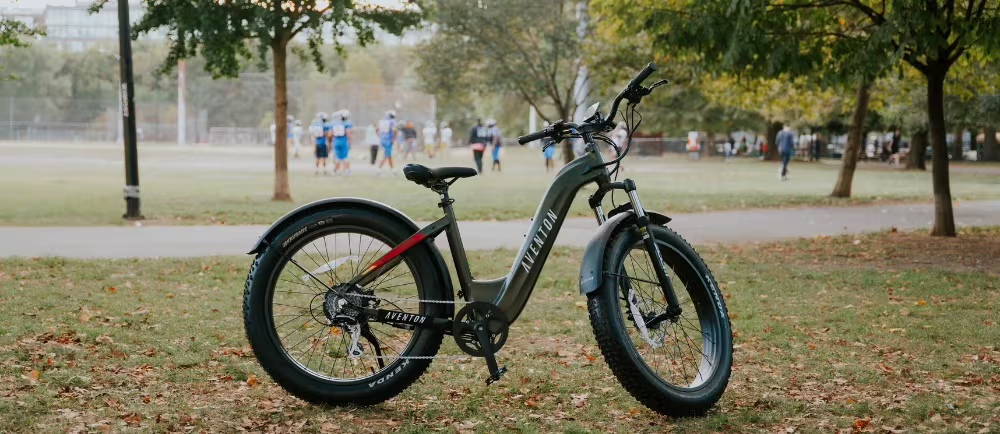
E-Bikes on Vermont Trails and State Lands
This is where it gets interesting, and Vermont’s trail scene has been moving quickly. Here’s the current situation.
Kingdom Trails (East Burke): Class 1 e-MTBs were welcomed onto the network in June 2025, which was a big deal. The trails had been off-limits to e-Bikes for years. Around 85% of the network is now open to Class 1. A handful of sections remain closed due to individual landowner preferences. Class 2 and Class 3 electric bikes are still not permitted.
Stowe area trails: Class 1 e-Bikes are allowed at Cady Hill Forest, Adams Camp, and Sterling Forest. The Billings Trail in Sterling Forest is the exception and is closed to all e-Bikes. Trapp Family Lodge has been open to Class 1 e-MTBs since September 2024.
Vermont state forests and parks: A new policy proposed in late 2025 would open designated mountain bike trails on state land to Class 1 e-bikes. The policy hasn’t been formally adopted yet, so for now, trail access on state land varies by site. Worth checking before you go.
Green Mountain National Forest: The US Forest Service classifies all e-Bikes as motor vehicles, which means they’re only permitted on motorized trails and forest roads. Non-motorized singletrack, including the Long Trail and Appalachian Trail, is off limits.
Burlington Bike Path and Island Line Trail: Class 1 and Class 2 are permitted by default. Check trailhead signage for any Class 3 restrictions.
Helmet Requirements
Vermont has no helmet law for e-Bike riders. No statewide requirement exists for any age or class. Wearing one is strongly recommended, and some trail networks and events require it, but it’s not a legal obligation anywhere in the state.
Age Requirements
There is no minimum age for Class 1 or Class 2, but it’s different for Class 3. You have to be at least 16 to ride one. Younger riders can still travel as passengers on a Class 3 e-Bike if the bike is built for more than one person, but they can’t be in the saddle.
Equipment Requirements
For riding after dark, Vermont law requires:
- A white front light visible from at least 500 feet
- Either a red rear light (steady or flashing) visible from at least 300 feet, or reflective material of at least 20 square inches visible from 300 feet to the rear
Class 3 e-Bikes also need a speedometer, and all e-Bikes must meet Consumer Product Safety Commission standards.
Buying an E-Bike in Vermont

Vermont is a great state for owning an e-Bike, and buying pre-owned is one of the smartest ways to do so. Every e-Bike on Upway goes through a 50-point inspection before going on sale, and each listing shows the class label, motor wattage, and completed charge cycle count.
Vermont is more permissive than most states on licensing and access, but trail rules and street legality for e-Bikes can vary a lot depending on where you ride. Understanding how e-Bike regulations vary across the US is a good idea before you head somewhere new.
Browse Class 1 e-Bikes, Class 2 e-Bikes, or Class 3 e-Bikes on Upway, or explore electric mountain bikes and the full range of certified pre-owned e-Bikes on Upway.
Frequently Asked Questions
Do I need a license or registration to ride an e-Bike in Vermont?
What is the minimum age to ride a Class 3 e-Bike in Vermont?
16 years old. There is no minimum age for Class 1 or Class 2.
Are e-Bikes allowed on Vermont mountain bike trails?
It depends on the trail. Kingdom Trails opened to Class 1 e-MTBs in June 2025. Stowe area trails allow Class 1. The Green Mountain National Forest is closed to e-Bikes on non-motorized trails. Always check the specific trail’s current policy before you go.
Is there a helmet law for e-Bikes in Vermont?
No. Vermont has no statewide helmet requirement for any age or class. Wearing one is strongly recommended.
Can I ride my e-Bike on sidewalks in Vermont?
State law doesn’t ban it, but cities have their own rules. Burlington bans bikes on downtown sidewalks; Montpelier bans them in the CBD. Elsewhere, it’s generally fine unless signs say otherwise.
Can Class 3 e-Bikes use multi-use paths in Vermont?
Yes, by default, but local authorities can restrict Class 3 on specific paths without the public hearing required to restrict Classes 1 and 2. Check posted signs before riding.
Key Takeaways
- Vermont treats e-Bikes as bicycles under state law, with no license, registration, insurance, or helmet requirements for any class or age.
- Trail access varies a lot by location. Kingdom Trails opened to Class 1 e-MTBs in June 2025, but the Green Mountain National Forest remains closed to e-Bikes on non-motorized trails.
- A proposed state policy to allow Class 1 e-Bikes on designated mountain bike trails on state land has not yet been formally adopted. Check individual site rules before riding.