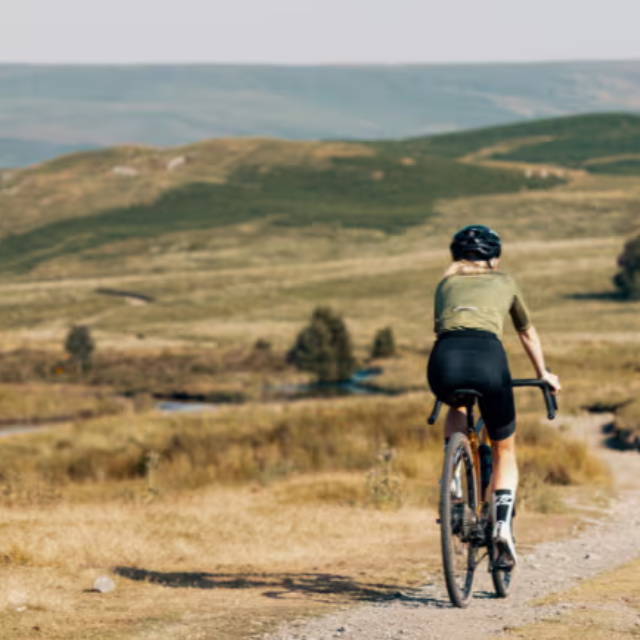
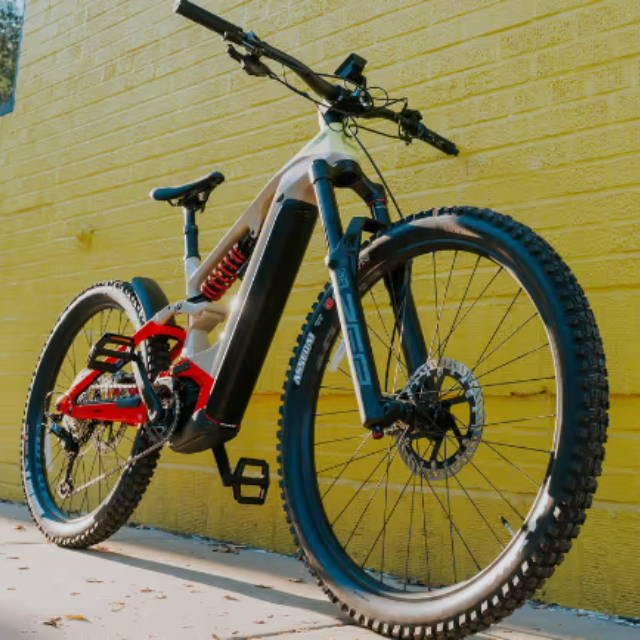
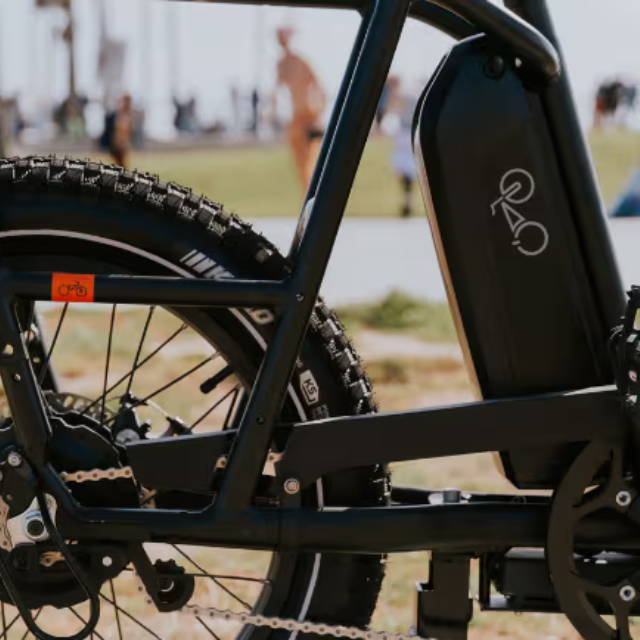
Trek e-Bikes are widely available through authorised Trek dealers and the Trek website if you're looking to buy new. If you'd prefer to save some money, you can also find professionally refurbished and second-hand Trek e-Bikes on Upway, as well as private sellers on marketplaces like eBay and Facebook Marketplace. If buying used, always check the bike's condition, battery health and service history, and whether or not it has been modified before purchasing.
Trek Adopts Voluntary E-Bike Speed Standards in the US
Written by: Kazim Ladimeji | July 29, 2026 | Time to read 6 min
Trek becomes one of the first major bicycle manufacturers to publicly commit to voluntary e-Bike speed standards across its US range. While its road and commuter bikes continue to follow the familiar three-class system, the decision to produce only Class 1 electric mountain bikes could have important implications for the wider e-Bike market.

More about the Author: Kazim Ladimeji
Kazim is a UK-based cyclist and writer who discovered his passion for riding during lockdown six years ago and hasn’t looked back since. He now rides around 100 miles a week, exploring road and light gravel routes from his base in the Cotswolds, a cycling paradise. When he’s not riding or writing about e-Bike trails in the US, he’s exploring cafés, cooking, and keeping busy as a soccer dad.
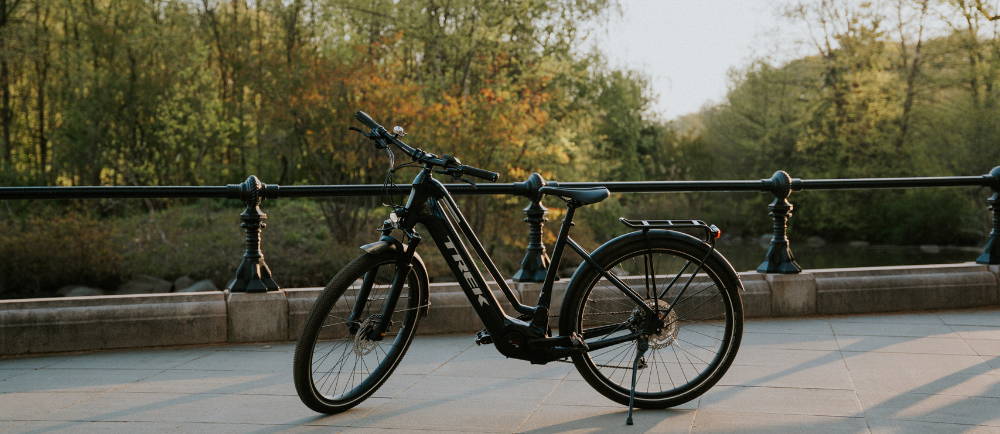
Trek has announced a voluntary commitment to e-Bike speed standards in the United States, becoming one of the first major manufacturers to publicly define the types of electric bikes it will produce across different categories.
For road, commuter and pavement riding, Trek will continue to offer Class 1, Class 2 and Class 3 e-Bikes. However, its decision to produce only Class 1 electric mountain bikes represents a notable shift and aligns with the growing preference for lower-powered e-Bikes on shared-use trails.
In this article, I look at exactly what Trek has announced, how cyclists have reacted, and what impact these voluntary standards could have on consumers, other manufacturers, and the future of the US e-Bike market.
👋 Welcome to Upway!
Upway is your top destination for buying and selling e-Bikes online. Discover your next e-Bike at up to 60% off retail prices, available in new or like-new condition.
What exactly did Trek announce?
Trek has recently announced a commitment to responsible e-Bike speeds. It has adopted the following first-of-its-kind voluntary e-Bike speed standards in the US.
Mountain bikes: Trek will now only produce and distribute Class 1 mountain bikes, with a pedal-assist speed limit of 20 mph and no throttle assistance.
Pavement e-Bikes: Trek will continue to produce Class 1, Class 2 (pedal assist + throttle assist up to 20 mph), and Class 3 (pedal assist up to 28 mph) e-Bikes.
Of course, this three-class system for e-Bikes has been around for years, but it has been adopted mainly by state and city governments to regulate bike access. Most electric bike brands have produced models that align cleanly with those three categories, making for a generally straightforward regulatory landscape that’s easy to understand for riders and customers. What’s new is that a big brand specifies that certain e-Bike types will fall into specific classes— for example, all Trek e-MTBs will be Class 1 (even though, in theory, Trek could make Class 2 or 3 e-MTBs).
Has there been any industry or user pushback or support for this?
It's interesting to see how the cycling community has responded to this announcement because Trek, other cyclists, and bike manufacturers will all be influenced by the public response.
I had a quick scan of comments on a Facebook post about the announcement from what I would describe as a fairly informed cycling community. Early signs suggest it has not been particularly well received, with many comments expressing skepticism, cynicism, distrust of Trek's motives, or simply a general dislike of additional rules. We'll see how this develops over time.
It was still early days, but I was surprised there wasn't more specific commentary about Trek only distributing Class 1 mountain bikes, as I think this is a first for a major US bike brand. Interestingly, that aspect of the announcement didn't appear to ruffle as many feathers.
How will this announcement impact the marketplace?
Pavement e-Bikes
One or two of the negative comments focused on the fact that Trek's pavement e-Bike standard is no different from the three-class system already promoted by PeopleForBikes for voluntary adoption and which many states have already incorporated into legislation.
While I agree that Trek has not created this standard (and I'm not sure they ever claimed they had), they do appear to be one of the first manufacturers to publicly state that they will only distribute electric bikes that follow the three-class system.
I think that clear communication has value for lay people, parents, and others who are unfamiliar with e-Bike motors and classifications (and who may be concerned about the growing e-Moto problem). It means they can buy an electric bike from the Trek brand and trust that it is a legal, low-powered e-Bike rather than an e-Moto, without having to delve too deeply into electric bike lore.
This could encourage safety-conscious buyers (or parents worried about e-Motos) to favor the trusted Trek brand. If that happens, I wouldn't be surprised to see other manufacturers follow suit by publicly clarifying their own low-powered e-Bike credentials.
Class 1-only mountain bikes
Again, without trying to define Trek's motives, being first to market with a Class 1-only mountain bike message could, if it is well received, give the company a commercial advantage.
This commitment also aligns with many of the policies and ordinances being adopted by US federal and state park authorities and forest managers, who often discourage or prohibit Class 3 e-Bikes and, in some cases, extended use of Class 2 throttles on shared-use trails.
By being one of the first manufacturers to align itself so publicly with the shared-use trail philosophy, Trek positions its mountain bikes as more environmentally friendly, more compatible with shared-use paths and eligible for the broadest trail access.
Making Trek synonymous with Class 1 mountain bikes—and therefore with the type of e-Bike most widely accepted on shared-use off-road trails—is a strong marketing message for both casual buyers and more knowledgeable cyclists.
Those riders who disagree with Trek's Class 1-only approach still have plenty of choice from other manufacturers, which may explain why this part of the announcement generated relatively little reaction. It’s kind of a win-win.
Frequently Asked Questions
Where can I buy a Trek e-Bike?
Is Trek's new e-Bike policy good news for parents?
I think so. One of the biggest concerns for parents is knowing whether they're buying a legal, low-powered e-Bike or a much faster e-Moto. Trek's public commitment to selling only Class 1, Class 2 and Class 3 pavement e-Bikes—and Class 1-only electric mountain bikes—makes that decision much simpler. Parents can buy from Trek knowing the bike will comply with recognised US e-Bike classifications, without having to become experts in motors, speed limits or local regulations.
Could other manufacturers follow Trek’s policies?
Potentially. If consumers respond positively—particularly parents and riders looking for reassurance that they are buying legal, low-powered electric bikes—other manufacturers may choose to communicate their own e-Bike classifications more clearly.
Key Takeaways
- Trek has voluntarily adopted e-Bike speed standards across its US product range.
- The company will only produce Class 1 electric mountain bikes, while continuing to offer Class 1, Class 2 and Class 3 pavement e-Bikes.
- Early reaction from the cycling community has been mixed, with both support and skepticism expressed.