No. Class 1, 2, and 3 e-Bikes are treated as bicycles under Texas law and don’t require a driver’s license, registration, or insurance. Some municipalities have additional requirements.
Texas E-Bike Laws and Regulations (2026 Update)
Written by: Tom Fortune | June 29, 2026 | Time to read 5 min
Texas is one of the more straightforward states for e-Bike riders, but there are still rules worth knowing before you head out, particularly around trails, local ordinances, and Class 3 age limits.

More about the Author: Tom Fortune
Tom is a Brit living in the French Alps. When he's not creating written and video content for various brands, he's either pedalling or snowboarding around his local mountains. E-Bikes have unlocked the potential for Tom to explore Alpine terrain and get away from the crowded bike parks. He is only too keen to share his knowledge and experience with other riders.

Electric bike laws differ depending on where you are. So it’s a good idea to keep on top of what’s allowed and what isn’t in your area. Texas adopted the three-class e-Bike framework back in 2019, and not much has changed since. Nothing new passed in the 2025 legislative session, so the rules heading into 2026 are the same ones that have been in place for a few years now. But here’s a refresher in case you’re not up to date with Texas e-Bike laws and regulations.
How Texas Defines an E-Bike
Texas law defines an electric bicycle as a bike that has fully operable pedals, an electric motor rated at less than 750 watts, and a maximum assisted speed of no more than 28 mph. If your bike has all three of those, it’s legally a bicycle, not a motor vehicle.
Go over those limits, and the bike becomes a motor vehicle, so it has to have a license plate. Also, you need a driver’s license and insurance to ride it, neither of which most e-Bike riders want to deal with.
Manufacturers selling e-Bikes in Texas have to display a permanent label showing the class, top assisted speed, and motor wattage. If you modify the bike in a way that changes those numbers, you need to update the label.
The Three E-Bike Classes
Texas uses the same three-class system you’ll find across most of the US:
Class 1: Pedal-assist only. The motor engages when you pedal and cuts out at 20 mph. It doesn’t have a throttle.
Class 2: Pedal-assist plus throttle. You can use the motor without pedaling, but it cuts out at 20 mph. The motor also has to disengage when you squeeze the brakes.
Class 3: Pedal-assist only, up to 28 mph. These are fast bikes, and they come with a few extra rules around age and where you can ride. Class 3 e-Bikes must have a speedometer.
License and Registration Requirements
Texas is pretty rider-friendly. All three classes are treated as bicycles, which means no driver’s license, registration, or insurance is necessary.
The one exception is the Town of Prosper, which brought in its own local registration requirement in December 2025. This is a good reminder that individual municipalities can add their own layers. With this in mind, it’s worth checking the rules if you regularly ride in a specific area.
👋 Welcome to Upway!
Upway is your top destination for buying and selling e-Bikes online. Discover your next e-Bike at up to 60% off retail prices, available in new or like-new condition.
Where You Can Ride
Texas law stops cities and counties from banning e-Bikes from any road or paved shared-use path where regular bicycles are allowed. So for the most part, all three classes can ride on:
- Public roads and highways
- Bicycle lanes and painted bike paths
- Paved shared-use paths and greenways
- Multi-use paved trails
The exception is natural-surface trails. Local authorities can ban e-Bikes from dirt singletrack and unpaved trails, and quite a few do. If you’re heading somewhere off-road, check the land manager’s website or the trailhead signage before you set off.
Sidewalk access depends on the city you’re in. State law doesn’t ban e-Bikes from sidewalks, but most Texas cities have their own rules. Houston bans e-Bikes on sidewalks in central business districts. Dallas allows sidewalk riding outside the CBD. Austin generally allows it unless signs say otherwise, with yield-to-pedestrian rules in place.
E-Bikes in Texas State Parks
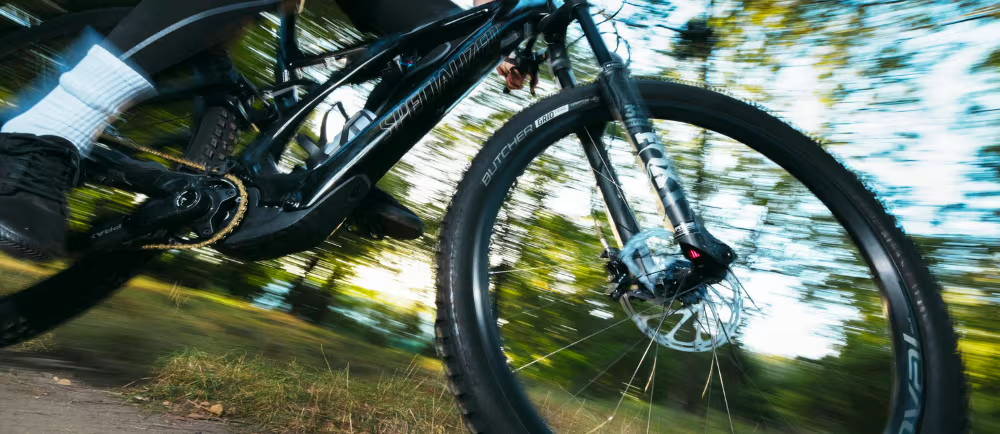
Under Texas Parks and Wildlife Department policy, e-Bikes are classified as motor vehicles inside state parks. That means you can ride them only on paved roads and parking areas. Park trails are off limits, including trails where regular bikes are perfectly welcome.
A bill to change this died in committee in June 2025, so the rule remains for 2026. If you’re visiting a state park, check its website for any separate policies. National parks differ: Big Bend allows e-Bikes on roads only; Padre Island permits them on park roads and the Gulf beach.
Helmet Requirements
There’s no statewide e-Bike helmet law in Texas, though many cities have local requirements:
- Houston: Riders under 14 must wear a helmet
- Dallas: Riders under 18 must wear a helmet
- Fort Worth: Riders under 18 must wear a helmet
- Austin: Riders under 18 must wear a helmet
- Highland Park: All riders under 21 must wear a helmet (since January 2025)
Even when not required, wearing a helmet is wise, especially on a Class 3 bike. I always wear one, even on short rides.
Age Requirements
There is no statewide minimum age for riding a Class 1 or Class 2 e-Bike in Texas. Class 3 requires riders to be at least 15 years old. Younger passengers are allowed if the bike is designed for multiple people, but not as the rider.
Equipment Requirements
For night riding, Texas law requires:
- A white front headlight visible from at least 500 feet
- Either a red rear reflector visible from 50 to 300 feet when lit by car headlights, or a red rear lamp visible from at least 500 feet
- Brakes capable of stopping the bike on dry, level, clean pavement
Class 3 e-Bikes need a speedometer on top of that. All e-Bikes sold in Texas must also meet Consumer Product Safety Commission standards.
Local Ordinances and Exceptions
State law is the starting point, but local governments in Texas have been busy adding their own rules. There are two worth knowing about:
Highland Park (January 2025): Operators need a valid driver’s license and a permit from Highland Park DPS. Riders under 21 must wear a helmet. Speed in Town parks is capped at 10 mph.
Town of Prosper (December 2025): Registration required. Riders must follow traffic laws, walk e-Bikes through crosswalks, and keep them under 10 mph in parks. Headphones are banned while riding.
A growing number of greenways in DFW and Houston are also posting their own Class 3 speed limits. We are starting to see the implementation of more local rules, not fewer, so always check signage wherever you’re riding.
Buying an E-Bike in Texas

If you’re looking for an e-Bike in Texas, buying pre-owned is one of the most cost-effective ways to get into a quality bike. Every e-Bike on Upway undergoes a 50-point inspection before going on sale, and each listing shows the class label, motor wattage, and completed charge cycle count.
Texas is more straightforward than many states on licensing and registration, but the local rules on sidewalks, helmets, and trail access are worth getting your head around. Understanding how e-Bike regulations work across the US can help you ride confidently wherever you end up.
Browse Class 1 e-Bikes, Class 2 e-Bikes, or Class 3 e-Bikes on Upway, or explore electric mountain bikes and the full range of certified pre-owned e-Bikes available for Texas riders.
Frequently Asked Questions
Do I need a license or registration to ride an e-Bike in Texas?
What is the minimum age to ride a Class 3 e-Bike in Texas?
15 years old under state law. Some cities and towns, including Highland Park, have stricter requirements on top of that.
Are e-Bikes allowed on Texas State Park trails?
No. Under TPWD policy, e-Bikes are classified as motor vehicles in state parks and are limited to paved roads and parking areas. Park trails are off limits.
Is there a helmet law for e-Bikes in Texas?
No statewide requirement. Several cities require minors to wear helmets, including Houston (under 14), Dallas, Fort Worth, Austin (under 18), and Highland Park (under 21).
Can I ride my e-Bike on sidewalks in Texas?
State law doesn’t ban it, but most cities have their own rules. Houston bans sidewalk riding in business districts; Dallas allows it outside the CBD; Austin generally permits it with yield-to-pedestrian rules.
What is the speed limit for Class 3 e-Bikes in Texas?
28 mph motor-assisted speed under state law. Some local greenways and paths post their own lower limits.
Key Takeaways
- Texas follows the standard three-class e-Bike system, with no new state legislation passed in 2025. The rules are unchanged heading into 2026.
- E-Bikes are not allowed on Texas State Park trails under the current TPWD policy, and a bill to change this died in June 2025.
- Local ordinances vary a lot across Texas cities and towns. Always check the specific rules where you’re riding, particularly around helmets, sidewalks, registration, and trail access.