


As wet leaves break down, they leave a greasy film on the road that reduces grip.

Riding an E-Bike on Wet Leaves: How to Avoid a Slide
Written by: Tom Fortune | October 26, 2026 | Time to read 5 min
Wet leaves turn roads and trails into ice every fall. Here’s why they’re so slippery and how to keep your e-Bike upright.

More about the Author: Tom Fortune
Tom is a Brit living in the French Alps. When he's not creating written and video content for various brands, he's either pedalling or snowboarding around his local mountains. E-Bikes have unlocked the potential for Tom to explore Alpine terrain and get away from the crowded bike parks. He is only too keen to share his knowledge and experience with other riders.
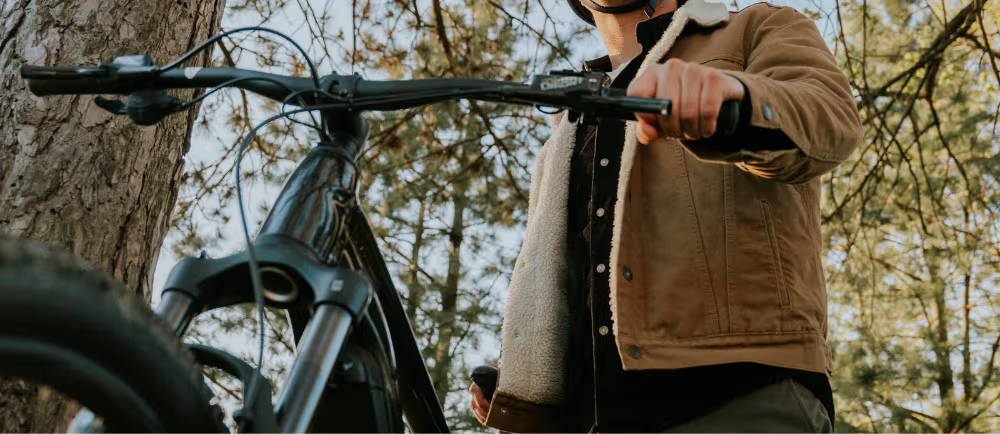
Last fall, I was riding my electric mountain bike with my wife and a couple of friends on a damp day. I heard an almighty clattering noise and saw my wife lying on her side with her bike on top of her. It was a flat river path, but she misjudged how slippery a small, leaf-covered wooden bridge was. The greasy film left by the decomposing, wet leaves made riding over the bridge like ice. Luckily, she was OK, with just a bruise on her thigh that was the exact shape of her phone.
On an e-Bike, you’re carrying more weight and speed, so a slide can happen quicker than you expect. The good news is that with the right technique and tires, you can keep riding all season.
👋 Welcome to Upway!
Upway is your top destination for buying and selling e-Bikes online. Discover your next e-Bike at up to 60% off retail prices, available in new or like-new condition.
Why Wet Leaves Are So Slippery
Freshly fallen leaves sit loosely on the ground and can move around under your tires. Once they get wet, they start to break down and leave a greasy film on the surface. Cars, hikers, and bikes then crush them into a slick paste that sticks to the ground, which becomes even more slippery when it rains.
Wet leaves also stay wet for a long time, especially in shaded corners where the sun never reaches. So even on a dry afternoon, the leaves may still be wet.
E-Bikes With More Grip on Wet Leaves
Some e-Bikes handle slippery surfaces much better than others, and it mostly comes down to their tires. Wider tires put more rubber on the ground, which gives you more grip and traction. You can also run them at lower pressures, which increases the contact patch with the ground and improves grip.
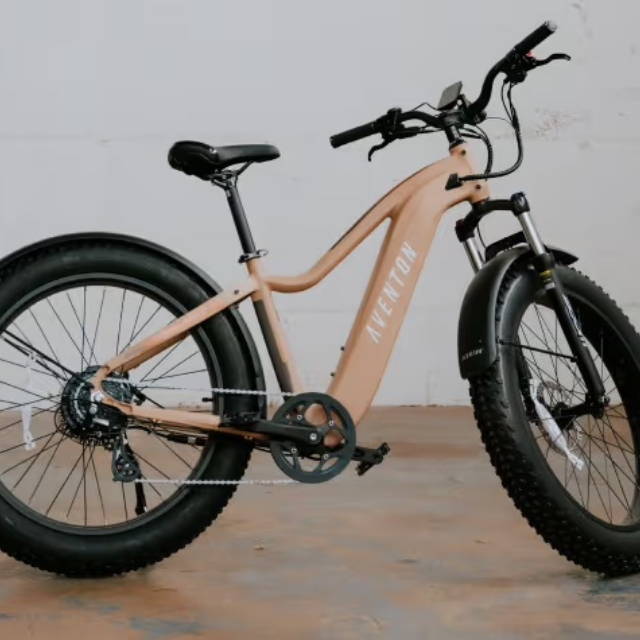
Fat tire e-Bikes are the easiest choice for leafy roads, with tires over 3.8 inches wide. The Aventon Aventure has 4-inch knobby tires that grip well on soft, loose ground. The Velotric Nomad 2 also has fat knobby tires, built for everything from city streets to snowy trails.
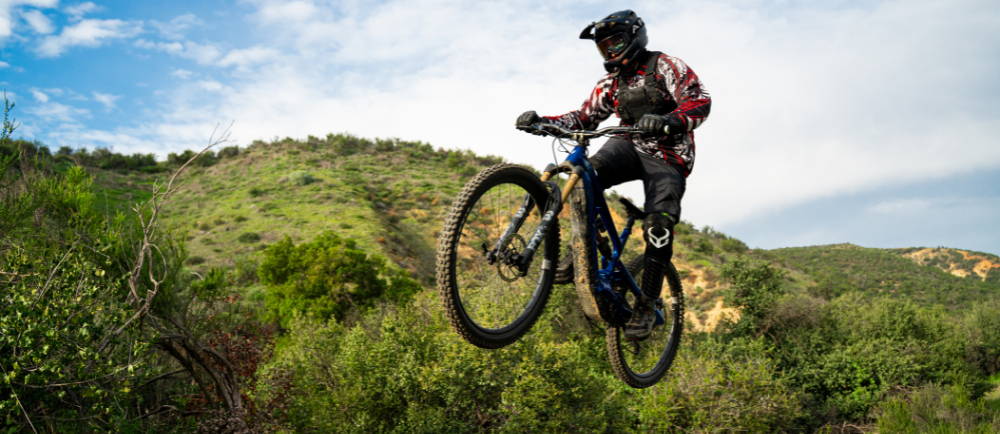
If you ride trails, electric mountain bikes, you’ll know that they have lots of traction. Their wide, knobby tires and suspension help keep your wheels on the ground over roots and leaves.
How your e-Bike delivers its power is something a lot of riders don’t think about when it comes to slippery conditions. Bikes with a torque sensor add power in line with how hard you pedal, so it builds up gently. A cadence sensor can give a sudden burst of power, which is the last thing you want on leaves.
Road Hazards That Hide Under Leaves
The leaves themselves aren’t the only danger; they can also hide whatever is underneath. A pile of leaves can cover a pothole deep enough to throw you off your bike. They also hide a lot of surfaces that are already slippery in damp weather, including:
- Metal covers: manhole covers, utility hole covers, and storm drains.
- Painted markings: road markings, painted lines, and bike lane markings.
- Wooden bridges or boardwalks: over streams and around parks.
Leaves also collect along the edges of the road and in bike lanes, exactly where most of us ride. Storm drains can get blocked too, leaving puddles hidden under the leaf piles. I always treat a pile of leaves as if something nasty is hiding underneath it.
How to Ride Over Wet Leaves
The most important rule is to treat wet leaves like a patch of ice. Here are the techniques that I find make the biggest difference:
- Brake before the leaves: slow down on clear ground, then ease off the brakes as you ride over the leaves.
- Stay upright: keep the bike as straight as you can, and avoid leaning into corners on leaves.
- Don’t turn and brake together: do your braking first, then turn once you’ve slowed down.
- Drop your assist level: a lower mode gives you gentler power, so your rear wheel is less likely to spin.
- Pedal steadily: avoid sudden bursts of power or hard stops while you’re on the leaves.
- Look further ahead: spot leaf piles early so that you can plan your braking points and line.
Wet leaves are most likely to catch you out in turns, so keep your cornering speeds lower than usual. If leaves cover the edge of the road, you might need to ride further out. Check behind you and signal before you move, so other road users know what you’re doing.
On trails, roots and rocks covered by leaves are especially tricky, even for experienced riders. I try to cross roots as straight as possible and keep my weight centered over the bike. Using both brakes gently well before the roots also helps keep the front wheel from washing out. I also try not to pedal too hard on wet roots to avoid wheel spin.
Getting Your E-Bike Ready for Leaf Season
You can do a few quick things that can make a big difference to how well your e-Bike grips during fall. Look over your tires for worn tread, cuts, and bald patches, especially on the rear tire. Dropping your tire pressure by a few PSI adds grip, but stay within the recommended range on the sidewall. Finally, make sure your brake pads have plenty of material left and your braking surface is clean.'
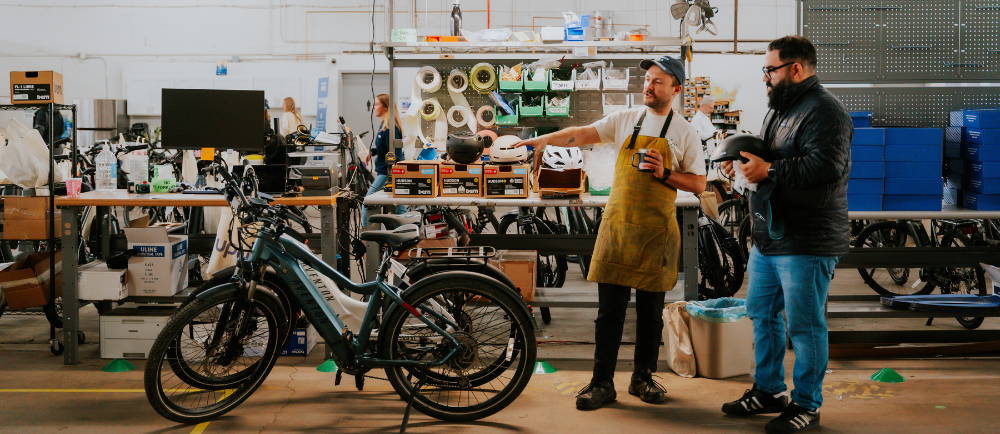
At Upway, our technicians inspect every certified pre-owned e-Bike before it ships. Each one comes with a one-year warranty, and we ship across the US.
Frequently Asked Questions
Why are wet leaves so slippery on a bike?
Are fat tire e-Bikes better on wet leaves?
Yes, wider tires put more rubber on the ground, which gives you more grip.
Should I lower my tire pressure for wet leaves?
Dropping a few PSI can help, but stay within the range on your tire’s sidewall.
How do I brake safely on wet leaves?
Brake before you reach the leaves, then ease off the brakes as you ride over them.
Key Takeaways
- Wet leaves break down into a greasy film that reduces grip and can hide potholes and slippery surfaces.
- Brake before you reach the leaves, stay upright, and avoid turning and braking at the same time.
- Wide, knobby tires and a torque sensor give an e-Bike more grip and gentler power on wet leaves.
MY WISHLIST
Your wishlist is empty.
Continue shopping
Drop Us A Line
We’re happy to answer any questions you have or provide you with an estimate. Just send us a message in the form below with any questions you may have.
Continue shopping