CPSC standards came about before scientists had a way to test for things like rotational forces and environmental impacts. The system is outdated, but there are alternatives.
NTA 8776 vs. CPSC: Helmet Safety Standards Explained
Written by: Nick Cowie | July 13, 2026 | Time to read: 5 min
As electric bikes grow in popularity, head protection is more important than ever. Let’s take a look at two helmet safety standards and decide which one you need for your riding style.

More about the Author: Nick Cowie
Nick is a writer with seven years of experience in the cycling industry. In his free time, he enjoys swimming, Jiu Jitsu, and spending time outdoors.
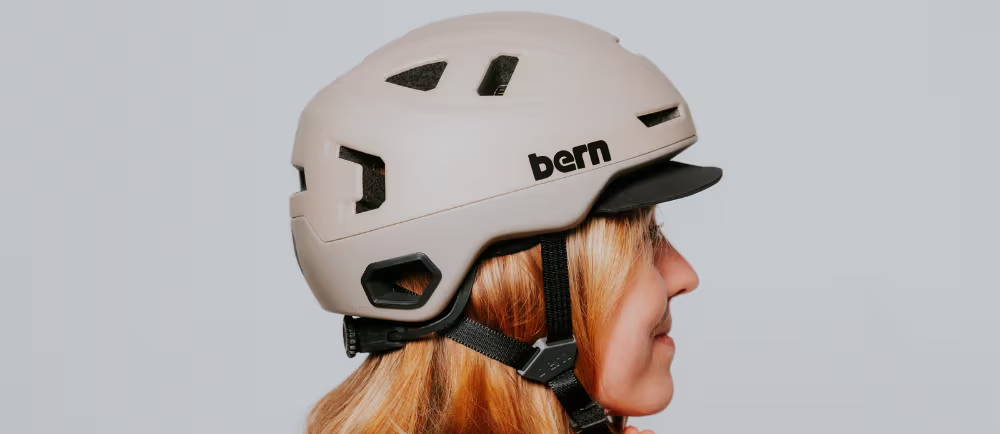
Some electric bikes can offer assistance at speeds up to 28 mph. This relatively new part of cycling means that helmet technology needs to be on point. With riders going faster on heavier electric bikes, some helmet safety standards are simply outdated. Let's take a look at an older standard and a newer one to see the differences and decide what you need for how you ride.
👋 Welcome to Upway!
Upway is your top destination for buying and selling e-Bikes online. Discover your next e-Bike at up to 60% off retail prices, available in new or like-new condition.
Table of Contents
CPSC helmet standard
CPSC comes from a federal safety law that requires helmet manufacturers to meet a certain set of standards when making their products. It was created by the US Consumer Product Safety Commission to make sure that every standard helmet provides baseline protection in a bike crash. The issue is that this law was made in 1999, long before electric bikes became the norm.
These are the requirements for CPSC helmet certification:
- Impact testing: The bicycle helmet is dropped onto flat, hemispherical, and curbstone anvils from various heights up to 2 meters. This simulates the impact from bike crashes at about 14 mph.
- Force Testing: When dropped, the force of the impact that is transferred from the helmet to the head must not exceed 300 grams to be considered safe under CPSC guidelines.
- Helmet fit retention: The chin strap and buckle of the helmet undergo heavy testing to make sure that they do not break or come loose during a fall. This ensures that a proper-size helmet will stay secured during a crash.
- Vision: All CPSC-certified helmets must have at least a 105-degree field of vision. This is a preventative measure, helping riders stay alert and aware of their surroundings, reducing the risk of a crash.
NTA 8776 helmet standard
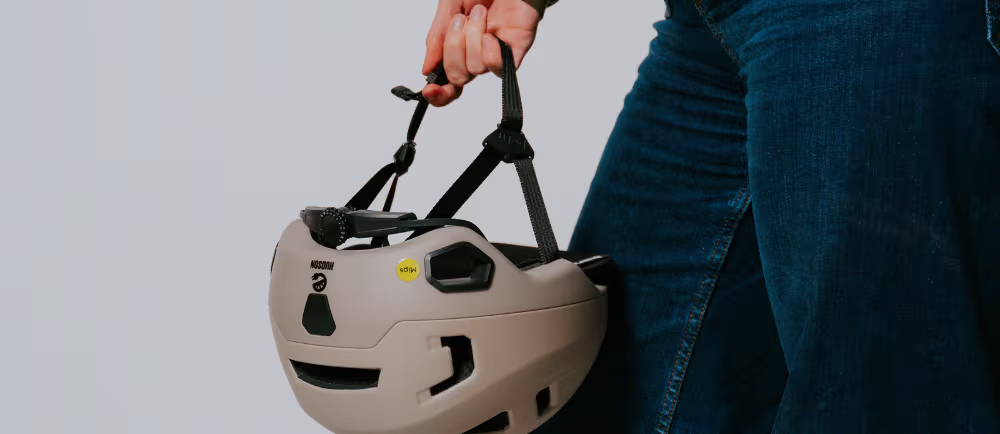
Because they are specifically directed at e-Bike riders, NTA 8776 standards are more rigorous. Helmets with this certification are designed to withstand crashes on e-Bikes, including Class 3 e-Bikes that assist up to 28 mph or so-called “speed pedelecs” in Europe that travel faster than standard e-Bikes.
Here are the requirements for a helmet to get NTA 8776 certified:
- Impact testing: Similar to the CPSC helmet testing, NTA 8776 helmets are dropped onto anvils to test their resistance. They are dropped from heights up to 2.15 meters (7 feet) to simulate high impact speeds.
- Force Testing: When dropped, the impact force that is transferred from the helmet to the headform cannot exceed 250 grams to be certified as an NTA 8776 safe helmet. Force is tested on anvils of different shapes to better simulate real-world crashes.
- Fit retention: The chin strap, ear webbing, and dial are all mechanically pulled under sudden forces to make sure that they will not stretch or break during a bike crash.
- Coverage area: For NTA 8776 helmet certification, a helmet must protect a 10 percent larger area than a standard bicycle helmet, including the back of the head and temples. This part of the helmet must pass drop tests as well.
- Environmental testing: Before undergoing impact testing, the helmet will be exposed to extreme conditions like heat, water, or cold air. This is to make sure that the EPS foam and plastic shell do not degrade over time in real-world conditions.
💸 Want to sell your electric bike?
- In case you didn't know yet, you can sell your e-Bike to Upway and get your cash in 3 simple steps.
- Want an estimation -> It takes only 2 minutes to complete this form
Comparing the standards
CPSC certification standards are fine for most analog bike riders, but the bottom line is that their standards are outdated. Anyone riding an electric bike should have an NTA 8776-certified helmet, as should regular bike riders who regularly descend or sprint. When in doubt, go with the more modern option.
- Speed and force: NTA 8776 helmets are tested at higher speeds than CPSC helmets and require a lower amount of energy to be transferred to the head. This helps them withstand the higher energy of an e-Bike crash.
- Coverage: NTA 8776 standards require about 10 percent more head coverage than CPSC standards. This is important for non-linear crashes, protecting more of the rider’s head as it moves.
- Legal requirements: CPSC standards are federally required for bike helmets in the United States. NTA 8776 is a voluntary European standard that is highly recommended for e-Bike riders.
If you like to ride fast in any form, whether it’s on an electric bike or not, look for an NTA 8776-certified helmet. These helmets provide higher energy impact protection, consider rotational impact forces, and feature ratings, rather than a simple pass or fail. NTA 8776 e-Bike helmets help bridge the gap between casual bike helmets and motorcycle helmets by offering a high-speed option for electric bikes and cyclists. Invest in your safety and find the right helmet for you.
Upway sells a large selection of high-quality bicycle helmets for kids and adults, from top brands like Bern, Kali, and Giro. Getting a new electric bike for yourself, your family, or a gift for someone special? Include a helmet to ensure each rider (and passenger) stays as safe as possible.
Frequently Asked Questions
Why did CPSC become the standard?
Do e-Bike helmets have to be NTA 8776 certified?
No, NTA 8776 safety certification is a voluntary Dutch standard, but it is highly recommended for electric bike users to protect against high-speed crashes.
Why is the pass/fail system flawed?
Any helmet that meets the minimum requirements for CPSC standards receives a simple “pass.” This covers large discrepancies in quality and impact absorption that can be seen better with a rating system.
Key Takeaways
- Invest in your safety: We all look for deals, but when it comes to your head and brain, it is smart to go with the best. Look for an NTA 8776 helmet, especially if you ride an electric bike.
- There is still merit to CPSC: A lot of companies still make CPSC-only helmets because it is less expensive. Still, riders who just like to cruise and don’t plan on hitting high speeds can benefit from them.
- Testing is evolving: As scientists learn more about helmet technology and crashes, helmet testing will improve, and so will the technology. This will likely lead to updated safety standards.