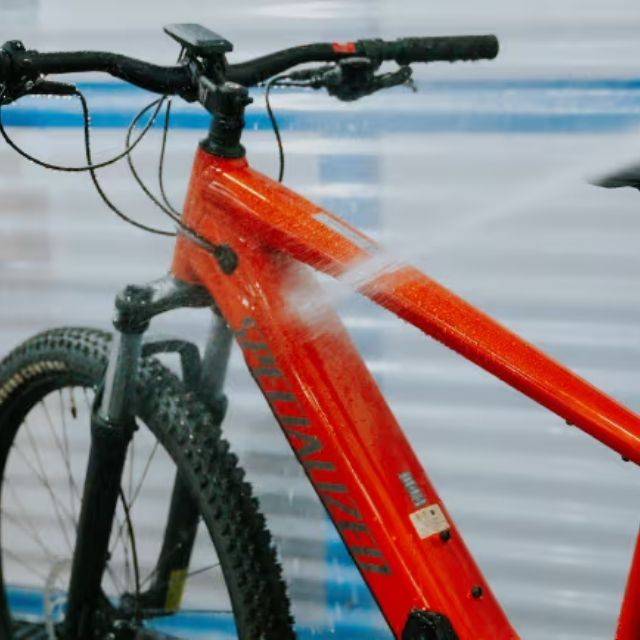
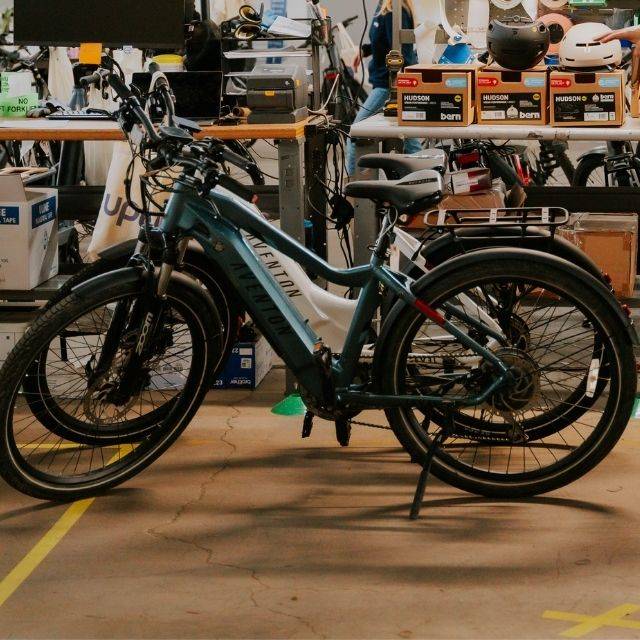
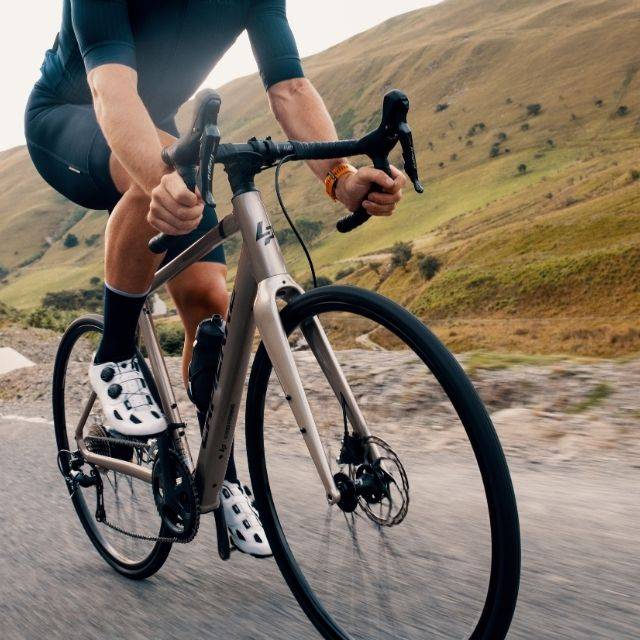
The most common causes are contaminated brake pads or rotors, caliper misalignment, worn pads, or brakes that haven't been properly bedded in yet.
How to Fix Squeaky Disc Brakes on an E-Bike
Written by: Tom Fortune | June 26, 2026 | Time to read 5 min
Squeaky disc brakes are one of the most common e-Bike problems. The good news is that most causes are fixable at home in under an hour.

More about the Author: Tom Fortune
Tom is a Brit living in the French Alps. When he's not creating written and video content for various brands, he's either pedalling or snowboarding around his local mountains. E-Bikes have unlocked the potential for Tom to explore Alpine terrain and get away from the crowded bike parks. He is only too keen to share his knowledge and experience with other riders.

Disc brake noise is one of those things that's hard to ignore. Once it starts, it is incredibly annoying. Most of the time, it's not serious, but it does mean something needs attention. E-Bikes are heavier than regular bikes and tend to put more demand on the braking system, so keeping on top of brake condition is more important than it is on a standard bicycle.
Why E-Bike Disc Brakes Squeak
Squeaking disc brakes usually come down to one of four things: contamination, misalignment, wear, or glazing. New brakes that squeak before they've been properly bedded in are a fifth cause that's easy to overlook.
| What you hear | Likely cause | First move |
|---|---|---|
| Squeak or squeal on every stop | Contaminated pads or rotor | Clean rotor with isopropyl alcohol, inspect pads |
| Rubbing noise when not braking | Caliper misalignment | Loosen caliper bolts, re-center caliper, retighten |
| Grinding or scraping sound | Worn brake pads, metal on metal | Check pad thickness, replace if worn |
| Squeak only in wet conditions | Water, grit, or mud on rotor | Clean rotor, dry ride usually clears it |
| Squeak with new brakes | Pads not yet bedded in | Run through bedding-in procedure |
👋 Welcome to Upway!
Upway is your top destination for buying and selling e-Bikes online. Discover your next e-Bike at up to 60% off retail prices, available in new or like-new condition.
Contaminated Brake Pads
Pad contamination is the most common cause of squeaky disc brakes, and it can happen even if you're not doing anything obviously wrong. Chain lube, bike polish, oil from a greasy hand, or water carrying brake dust can all find their way onto the rotor or pads. Once contamination is in the pad material, the squeak tends to be persistent.
The first thing you need to do is clean the brake rotor with isopropyl alcohol and a clean cloth. Wipe it down thoroughly and let it dry before riding. If the squeak clears up after that, the rotor was the culprit, and you may have gotten away with the pads staying clean. If it comes back, the pads have likely absorbed contamination and need to be replaced. Contaminated brake pads can't be cleaned back to full performance. Disc brake cleaner spray works on rotors, but once the pad material is contaminated, replacement is the only reliable fix.
To avoid contamination in the future, be careful when lubricating the chain near the rear brake. Apply lube to the chain away from the rotor and wipe off any excess before riding. Keep bike polish and any spray products away from the braking surfaces.
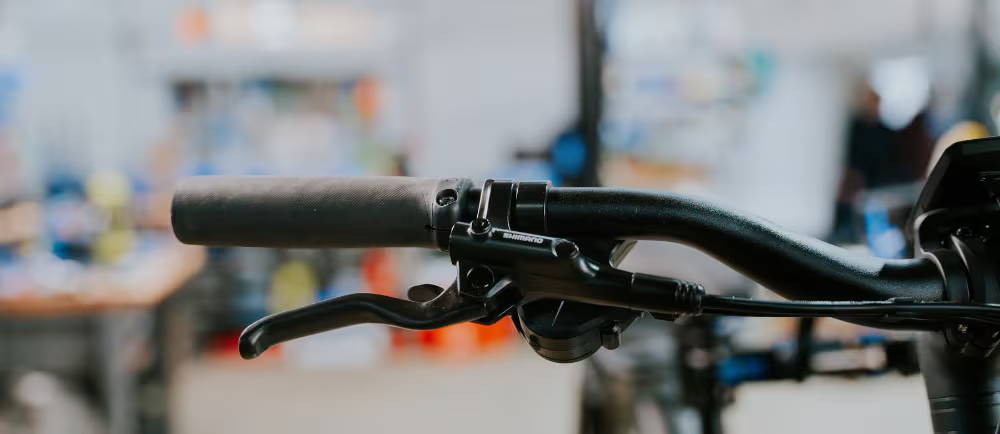
Misaligned Brake Caliper
A caliper that isn't perfectly centered over the rotor will cause the pads to rub, which produces a persistent rubbing or squealing noise that's often present even when you're not braking. You'll usually be able to see it if you look closely at the gap between each pad and the rotor while spinning the wheel.
To realign the caliper, loosen the caliper bolts slightly to allow it to move. Squeeze the brake lever firmly to center the caliper over the rotor and hold it there, then tighten the bolts back up while keeping the lever pressed. Release the lever and spin the wheel to check. The noise should be gone, and the pads should have an even gap on each side of the rotor.
If the noise comes back after realignment, check the caliper mounting points and the rotor itself. A bent disc rotor will cause contact points to move around as the wheel spins, and realigning the caliper alone won't fix it.
Worn Brake Pads
Brake pads on an e-Bike wear faster than on a regular bicycle. The extra weight of the motor and battery requires more braking force at every stop. Some brake pads have a wear indicator groove. When the pad material wears down to that groove, or past it, it's time to replace them.
Leaving worn pads in place for too long can cause metal-on-metal contact between the pad backing plate and the rotor, resulting in a grinding noise and potentially scoring the rotor surface. A scored rotor may need to be replaced alongside the pads, making ignoring pad wear an expensive mistake.
Check pad thickness by looking through the caliper at the pads from above or from the side. If you can see the metal backing plate through a thin layer of material, replace the pads before your next ride.
Glazed Pads or Rotor
Glazing happens when the brake pads or rotor surface overheat and develop a hard, shiny layer that reduces friction. It tends to happen after heavy braking on long descents, particularly on heavier e-Bikes. The result is reduced braking power and a squealing or high-pitched noise. I'm pretty sure that this is what I'm experiencing at the moment, as I did a very steep descent at the weekend on my e-MTB. I think I'll treat myself to some new pads before my next ride.
You can sometimes identify glazing by looking at the rotor surface. A glazed rotor appears polished and almost mirror-like, compared to the usual dull grey finish. Glazed pads have a similar shiny appearance on the contact surface.
Light glazing on the rotor can s
ometimes be removed by lightly sanding it with fine-grit sandpaper, then cleaning with isopropyl alcohol. Glazed pads are harder to recover and are usually worth replacing. If glazing is a recurring problem, it's worth looking at your braking technique on descents. Using both brakes and applying them earlier reduces the heat build-up that causes it.
Bedding In New Brakes
New brake pads and rotors need to be bedded in before they'll perform quietly and consistently. The factory coating on new rotors can cause squeaking until it's worn off through normal use, and new pads need to transfer an even layer of material onto the rotor surface before they bite cleanly.
The bedding-in process is simple. Find a quiet stretch of road or trail and accelerate to a moderate speed, then apply the brakes firmly to almost a stop without fully stopping. Repeat this ten to fifteen times, letting the brakes cool slightly between each run. Do this for both the front and rear brakes separately. After that, the brakes should bed in within the first few rides and the squeaking should settle down.
If new brakes are still squealing after proper bedding in, contamination from the factory coating is the most likely cause. Clean the rotor with isopropyl alcohol and repeat the process.
When To See a Bike Shop
If you've worked through the checks and e-Bike maintenance above and the noise is still there, or the braking power still feels reduced, take the bike to a shop.
Hydraulic disc brakes that feel spongy or don't improve after pad replacement may need a brake bleed. This involves removing air from the hydraulic system and topping up the fluid, and is a job for a mechanic with the right tools. Don't keep riding on brakes that don't feel right on an e-Bike. The additional speed and weight compared to a regular bicycle mean braking performance is a safety issue, not just a comfort one.
Buying a Pre-Owned E-Bike? Here's What to Know
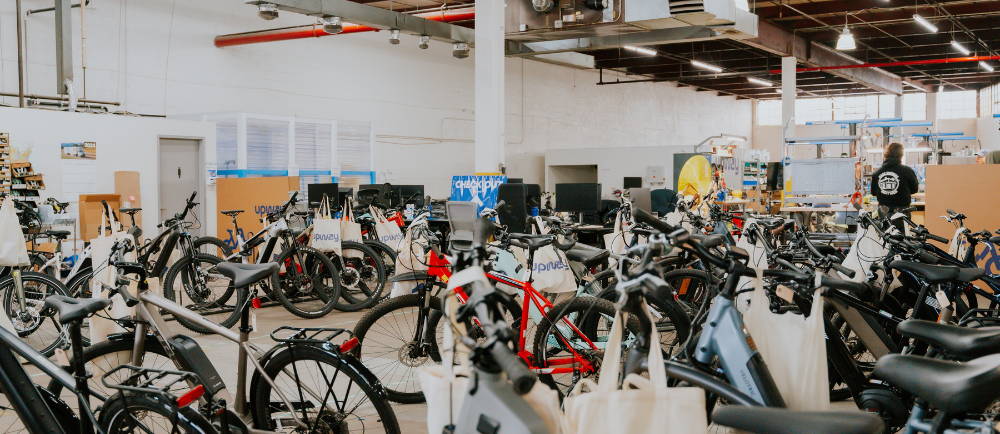
Brake condition is one of the first things to check on a used e-Bike. Worn pads, contaminated rotors, and misaligned calipers are all easy to miss on a quick test ride, particularly if the seller has cleaned the bike before showing it.
Every e-Bike on Upway undergoes a 50-point inspection before going on sale, covering the braking system, pad wear, rotor condition, and caliper alignment. Any components that don't meet the standard are replaced before the listing goes live. Browse electric mountain bikes, electric city bikes, or the full range of certified pre-owned e-Bikes on Upway.
Frequently Asked Questions
Why are my e-Bike disc brakes squeaking?
Can I fix squeaky disc brakes myself?
Yes, in most cases. Cleaning the rotor, realigning the caliper, and replacing worn pads are all straightforward jobs that don't require specialist tools.
How do I clean e-Bike disc brakes?
Wipe the rotor down with isopropyl alcohol and a clean cloth. Don't use chain lube, bike polish, or water near the braking surfaces.
When should I replace my e-Bike brake pads?
When the pad material has worn down to the indicator groove, or when you can see the metal backing plate. Don't wait for a grinding noise before replacing them.
Why do my new disc brakes squeak?
New brakes often squeak until they're properly bedded in. Run through the bedding-in process ten to fifteen times, and the noise should settle within the first few rides.
Key Takeaways
- Squeaky disc brakes on an e-Bike are almost always caused by contamination, caliper misalignment, worn pads, or glazing. Work through these in order before assuming something more serious is wrong.
- Contaminated brake pads can't be cleaned back to full performance. If cleaning the rotor doesn't fix the squeak, replace the pads.
- E-Bikes put more demand on braking systems than regular bicycles due to their weight, so checking pad wear regularly and replacing pads before they're fully worn helps protect the rotor and keep braking safe.