Sometimes. If the battery has tripped a BMS lockout from deep discharge, leaving the charger connected for several hours can bring it back. If the cells have failed, they can't be recovered at home.
How to Fix a Dead E-Bike Battery and Restore Battery Performance
Written by: Tom Fortune | June 28, 2026 | Time to read 5 min
A battery that won’t respond isn’t always finished. Here’s how to work out what’s wrong before you write it off.

More about the Author: Tom Fortune
Tom is a Brit living in the French Alps. When he's not creating written and video content for various brands, he's either pedalling or snowboarding around his local mountains. E-Bikes have unlocked the potential for Tom to explore Alpine terrain and get away from the crowded bike parks. He is only too keen to share his knowledge and experience with other riders.
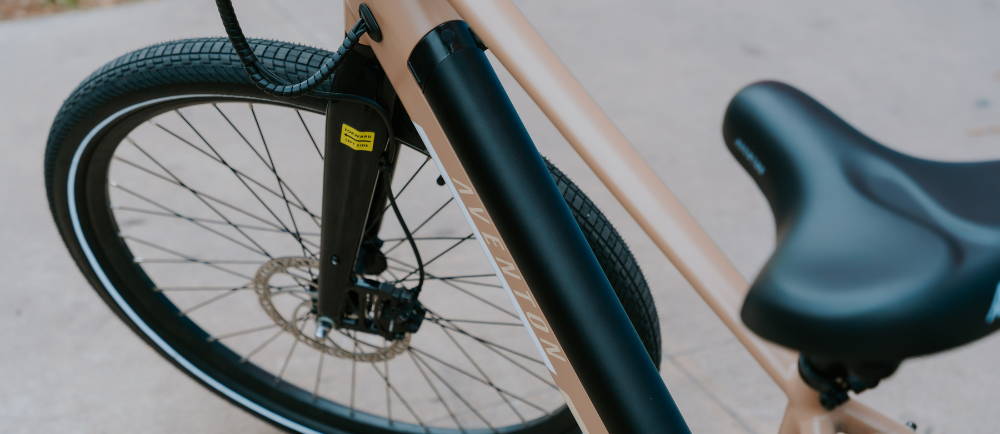
A completely unresponsive e-Bike battery looks like the worst-case scenario, but it isn’t always. Some dead batteries can’t be recovered. But yours may have tripped a protection circuit, gone into deep discharge, or developed a connection fault that looks like a complete failure but isn’t. This guide will help you work out which e-Bike issue you’re dealing with.
Table of Contents
Why E-Bike Batteries Stop Working
Most dead or underperforming e-Bike batteries fall into one of four categories.
- Deep discharge is the most recoverable when the battery has been left with no charge for too long, and the battery management system has locked it out as a protection measure.
- Cell imbalance is common in older packs, where individual cell groups within the battery have degraded at different rates.
- Connection faults at the terminals or within the wiring harness can look identical to a battery failure.
- End-of-life capacity loss after several hundred charge cycles is usually not fixable.
| What you notice | Likely cause | First move |
|---|---|---|
| No response at all, no lights | Deep discharge, BMS lockout, connection fault | Check battery contacts, try a long charge |
| Charger light comes on but battery doesn't charge | BMS protection triggered, faulty charger | Try a different outlet, check charger, try longer charge |
| Battery shows charge but bike has no power | BMS fault, low voltage under load, connection fault | Reseat battery, check contacts, look for error codes |
| Range has dropped significantly | Cell imbalance, capacity loss, aging pack | Check charge cycles, run a full discharge-recharge |
| Battery cuts out under load | Voltage sag, weak cell groups, protection circuit | Check battery health, reduce assist level, get pack tested |
👋 Welcome to Upway!
Upway is your top destination for buying and selling e-Bikes online. Discover your next e-Bike at up to 60% off retail prices, available in new or like-new condition.
The Battery Won’t Charge At All
Before you do anything else, check the obvious stuff. Try a different power outlet, check the charger cable for damage, and make sure the charging port is clean and dry. A charging port with corrosion or bent pins can completely stop charging, even if the battery itself is not the problem.
Remove the battery and reseat it firmly. Check the contacts on both the battery and the frame mount. Dirty or corroded contacts cause many charging failures that riders assume are battery faults. Clean them with a dry cloth and try again before going any further.
If the battery has been stored completely flat for several weeks or months, the BMS may have triggered a deep discharge lockout. Some batteries won’t respond to a standard charger when it’s like this. Leaving the charger connected for a few hours, even if nothing seems to happen, can sometimes bring the voltage up enough for the BMS to accept a normal charge. It doesn’t always work, but it’s worth trying before writing the battery off.
If it still won’t charge after all of that, take it to a shop. Don’t try to bypass the BMS or use a higher-voltage charger to force a charge.
The Battery Charges But Has No Power
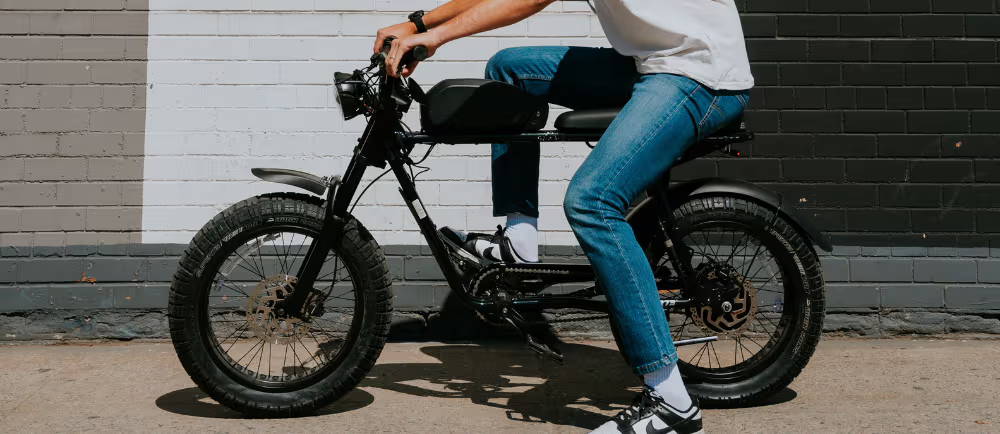
A battery that lights up and shows charge but leaves the bike with no assistance is a specific fault that’s easy to misread. The indicator showing bars or LEDs doesn’t mean the battery can deliver enough current to run the motor under load. It just means there’s enough voltage to power the indicator.
Check the battery connection first. To do this, remove it, check the contacts for dirt, corrosion, or bent pins, and reseat it firmly until it clicks. A battery that looks properly installed but is missing that last contact point can power the display and do nothing else.
It’s also worth checking the display for error codes. A battery communication error or undervoltage code points toward the battery and its connection. A motor or controller error suggests the fault is further down the chain. Look up whatever code you’re seeing in your user manual before assuming anything needs replacing.
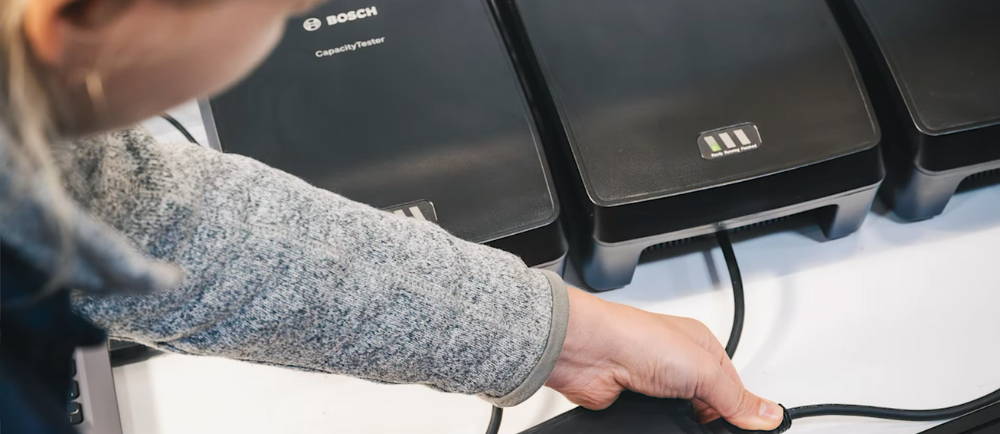
If the contacts are clean and there are no relevant codes, voltage sag under load is a potential culprit. A battery with degraded cell groups can show a full charge at rest and drop too low to run the motor the moment you start riding. That kind of fault needs a shop with battery testing equipment to properly assess.
Cell Imbalance and What It Means
Inside every e-Bike battery pack, there are dozens of individual lithium-ion cells grouped in series. Over time, those cells age at different rates. When one group drops significantly below the rest, the BMS cuts power to protect the weaker cells, which can cause sudden shutdowns, erratic percentage readings, or a battery that appears charged but delivers very little usable range.
It gets worse as the battery ages, and it’s one of the main reasons battery performance becomes unpredictable after a few years. Running a full discharge-recharge cycle occasionally helps the BMS recalibrate and can improve things in mildly imbalanced packs. If the battery is cutting out well before the displayed percentage reaches zero, the imbalance has usually progressed beyond what a recalibration can fix.
This isn’t something you can fix at home. A shop with battery diagnostic equipment can test individual cell group voltages and tell you whether the battery is repairable or needs replacing.
What You Cannot Fix At Home
Whatever you do, don’t open the battery casing. Lithium-ion packs store a considerable amount of energy, and working inside one without proper training is dangerous. This includes replacing individual cells, resoldering connections, or modifying the BMS. You’ll find forum guides for all of these things, but the risks include short circuits, thermal runaway, fire, and screaming.
Don’t use a higher-voltage charger to try to wake up a deeply discharged battery. The BMS lockout is a protection measure. Bypassing it can cause internal damage even if the battery appears to recover.
If the battery shows signs of physical damage, swelling, an unpleasant smell, or gets warm during charging, stop immediately. Don’t charge it again until it’s been looked at by someone who knows what they’re doing.
When To Replace the Battery
Most lithium battery packs are rated for 500 to 1,000 full charge cycles before capacity starts to noticeably decline. If the pack is several years old and the range loss or unreliable behavior has crept in recently, battery replacement is probably the right call.
When batteries decline, you may notice unexpected shutdowns, significant range loss, or irregular readings that haven’t responded to any of the checks above. A shop can run a load test and give you an accurate picture of what’s left.
When you do replace it, use the manufacturer’s battery or a confirmed compatible one. A cheaper aftermarket battery might not be compatible and could be risky.
Buying a Pre-Owned E-Bike? Here's What to Know
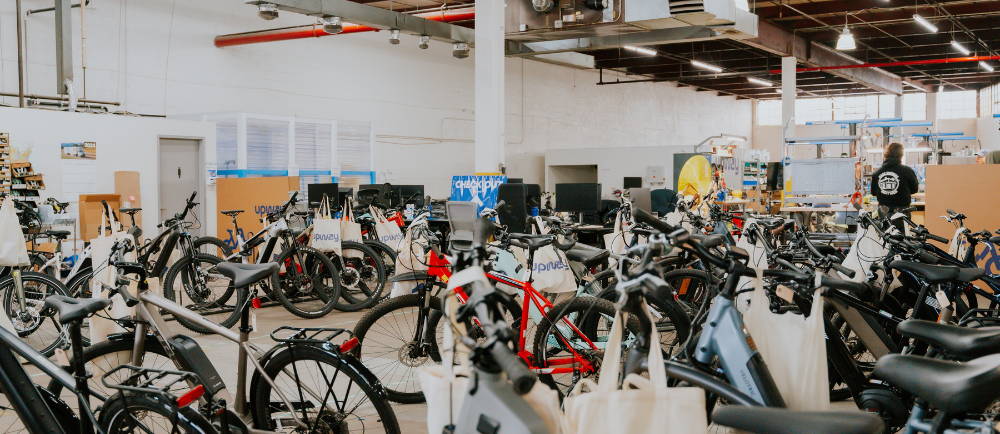
Battery condition is the most important thing to verify when buying a used e-Bike privately, and the hardest to assess on a short test ride. A pack with a significant cell imbalance or a deep discharge history can feel fine for the first ten minutes and behave completely differently once you’re on a long climb.
Every e-Bike on Upway goes through a 50-point inspection before going on sale. Any battery with a capacity below 80% is replaced before the listing goes live, and each listing shows the number of completed charge cycles, so you know exactly what you’re buying. This is great, as a new battery is incredibly expensive. Browse electric mountain bikes, electric city bikes, or the full range of certified pre-owned e-Bikes on Upway.
Frequently Asked Questions
Can a completely dead e-Bike battery be revived?
Why does my e-Bike battery show a charge, but the bike has no power?
The indicator only shows there's enough voltage to power the display. A degraded pack can show charge at rest and then fail to deliver enough current to run the motor under load.
What is cell imbalance in an e-Bike battery?
It's when individual cell groups within the pack have aged at different rates. The BMS protects weaker cells by cutting power, which causes unexpected shutdowns and erratic percentage readings.
Is it safe to open an e-Bike battery to replace cells?
No. Lithium-ion packs store a lot of energy and require specialist training to work on safely. Opening the casing at home risks short circuits, thermal runaway, and fire.
How do I know when to replace my e-Bike battery?
Unexpected shutdowns, significant range loss, erratic percentage readings, and a pack with over 500 charge cycles that hasn't responded to basic checks are all signs it's time for a replacement.
Key Takeaways
- A battery that won’t respond isn’t always beyond recovery. Check the contacts, clean the charge port, and try a long charge before assuming the pack has failed.
- A battery that shows a charge but leaves the bike with no power points to a cell imbalance, voltage sag under load, or a connection problem, not necessarily a dead pack.
- Don’t open the battery casing or bypass the BMS protection circuit at home. If basic checks don’t resolve the fault, take the pack to a shop for a proper load test.