Generally, yes. However, if tuning changes the bike's legal classification, you may need to update the manufacturer's label and comply with different state laws before riding it legally.
Can You Modify an Electric Bike for More Speed? What The Law Says
Written by: Kazim Ladimeji | July 14, 2026 | Time to read 6 min
Many e-Bike owners eventually wonder whether they can unlock more speed from their bike. The answer is yes, but tuning an electric bike can have significant legal consequences. Increasing your bike's speed may change its legal classification, affect where you can ride it, and even mean it is no longer treated as a bicycle.

More about the Author: Kazim Ladimeji
Kazim is a UK-based cyclist and writer who discovered his passion for riding during lockdown six years ago and hasn’t looked back since. He now rides around 100 miles a week, exploring road and light gravel routes from his base in the Cotswolds, a cycling paradise. When he’s not riding or writing about e-Bike trails in the US, he’s exploring cafés, cooking, and keeping busy as a soccer dad
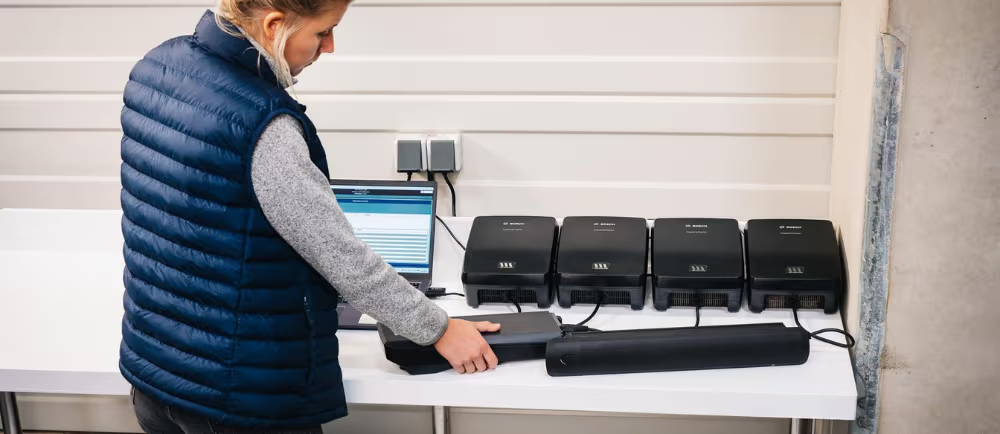
Electric bikes are designed to comply with strict legal performance limits, allowing them to enjoy many of the same rights and privileges as conventional bicycles. However, modern e-Bikes can often be modified or "tuned" to increase their assisted speed, and tuning kits are now widely available.
While modifying an e-Bike for more speed is generally legal, doing so may move the bike into a different legal category. Depending on the state you live in, that could mean updating the bike's classification label, complying with different age restrictions, or even registering and insuring the bike if it no longer qualifies as a low-powered electric bicycle under the law.
In this article, I explain when you can legally tune an electric bike, how modifications affect Class 1, Class 2, and Class 3 e-Bikes, and when a tuned e-Bike becomes an e-Moto.
👋 Welcome to Upway!
Upway is your top destination for buying and selling e-Bikes online. Discover your next e-Bike at up to 60% off retail prices, available in new or like-new condition.
Table of Contents
What is an electric bike?
There is no federal definition of an e-Bike in the US, but most states follow a three-class system (or something similar) to define a low-powered electric bicycle.
Low-powered electric bicycles
These are the legal electric bikes sold by popular, long-standing brands like Trek, Specialized, and many others. Newer brands like Aventon also make these electric bicycles, typically classified into three classes based on speed and assistance type.
Class 1 e-Bike: Motor assists only while pedallng and stops assisting at 20 mph.
Class 2 e-Bike: Motor can propel the bike without pedaling (throttle assist) and stops assisting at 20 mph.
Class 3 e-Bike: Motor assists only while pedallng and stops assisting at 28 mph.
They should also have:
- A saddle
- Fully operable pedals
- A maximum 750-watt motor
As a result of these limited performance parameters, most US states treat low-powered electric bikes in a similar way to conventional bicycles in terms of access to paths, age restrictions and licensing requirements. However, Class 3 e-Bikes often face additional restrictions because of their higher 28 mph assisted speed.
High-powered electric vehicles
- Mopeds
- Motor-driven cycles
- e-Motos
Generally, any bike that falls outside the three-class system is considered a high-powered electric bike or e-Moto. These bikes can typically reach speeds of between 30 and 50 mph. In practice, they face far more restrictions than low-powered electric bikes in terms of access to paths, minimum rider age, and the need for licensing, registration, and insurance before they can be ridden legally.
Can I upgrade the class or speed of an e-Bike?
Yes, but with caveats. If you live in a state that follows the three-class system, you are generally permitted to tune an electric bike so it can go faster.
However, if the classification of the bike changes as a result, for example, increasing the assisted speed from 20 mph to 28 mph and upgrading from a Class 1 to a Class 3 e-Bike, you must take the following steps before selling or riding the bike; otherwise you may be committing an offence.
Update the labelling on the bike (which is normally a legal requirement in three-class-system states) to reflect the new performance parameters, including:
- Class
- Top assisted speed
- Motor wattage
You should also:
- Check your state's age requirements, as Class 3 e-Bikes are often restricted to riders aged 16 and over. You may no longer be able to legally ride the bike yourself or sell it to someone under 16.
- Check with your state's DMV, particularly where Class 3 bikes are classified as motorized cycles, such as Georgia, as additional licensing requirements may apply.
What if my upgraded bike no longer fits into the three-class system?
If, after modification, the electric bike no longer fits within the three-class system, for example, its pedal-assist speed exceeds 28 mph, or its throttle-assist speed exceeds 20 mph, it will no longer qualify as a low-powered electric bicycle and will instead become a high-powered e-Moto.
E-Motos usually fall under motorcycle laws. This means the modified bike may require the following before it can be ridden legally:
- A driver's licence
- Registration
- Insurance
Can I freely modify my e-Bike to go faster in states that don't follow the three-class system?
No. States that don't formally adopt the three-class system generally have an alternative legal framework that closely mirrors it. If you modify or tune the bike so it can travel faster, you may need to take additional steps under state law before continuing to ride it legally.
Georgia, for example, groups Class 1 and Class 2 equivalent bikes into one category as Electric Bicycles, while Class 3 equivalent bikes fall under a separate Motorized Bicycle category.
If you modify an electric bike in Georgia so that it becomes a Motorized Bicycle (Class 3 equivalent), you must:
- Be at least 15 years old to ride it
- Hold a driver's license, instructional permit, or learner's permit.
If you tune the bicycle so it can travel faster than 30 mph in Georgia, it will no longer be classified as a motorized bicycle and may instead be considered a full motorcycle, requiring licensing, registration, insurance, and, most likely, a minimum rider age of 16 before it can be legally ridden.
Frequently Asked Questions
Is it legal to tune an e-Bike to go faster?
Will tuning my e-Bike turn it into an e-Moto?
Potentially. If the modification causes the bike to exceed the legal limits of the three-class system, for example, by providing pedal assistance above 28 mph or throttle assistance above 20 mph, it will often be classified as an e-Moto, moped, or motorcycle under state law.
Can I still ride a tuned e-Bike on bike paths?
Only if it still qualifies as a low-powered electric bicycle under your state's laws. Once a modified bike falls outside that definition, it will generally lose access to bike paths, shared-use trails, and bicycle lanes and instead be treated as a road vehicle.
Key Takeaways
- Tuning an electric bike is generally legal, but it can change the bike's legal classification.
- Once a modified e-Bike exceeds the legal limits of the three-class system, it will often be regulated as an e-Moto or motorcycle.
- Always check your state's laws before riding a tuned e-Bike, as age restrictions, licensing, registration, and insurance requirements can change significantly after modification.