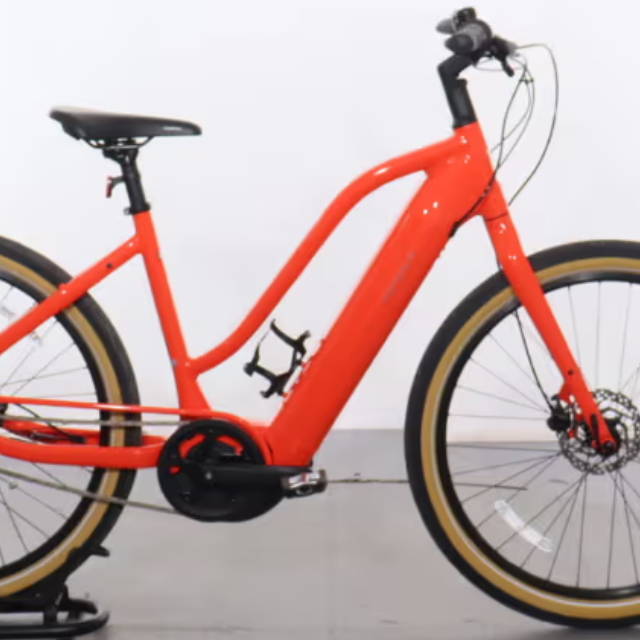
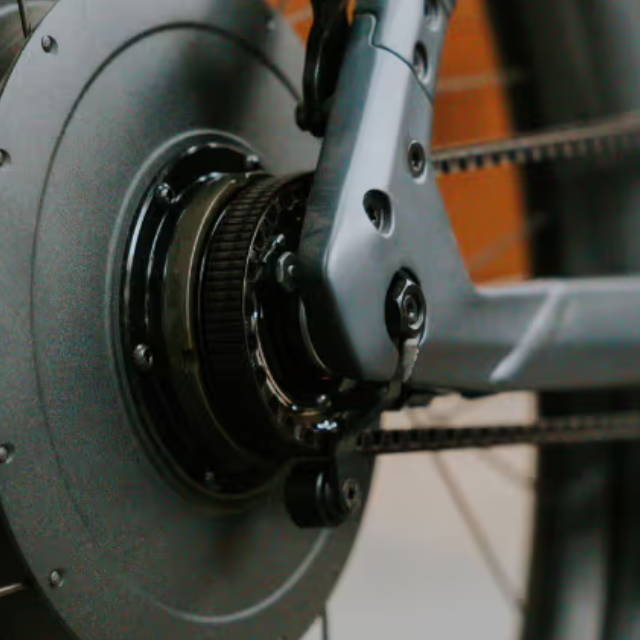
No, not exactly. The naming overlaps, but the D5 Zebra and D5 2.0 are different generations. The Zebra has front suspension, a torque sensor, and a larger 960Wh battery. The D5 2.0 gets full suspension, selectable torque- or cadence-sensing assist, and a smaller 720Wh battery.
Himiway D5 Fat Tire E-Bike Review: D5 2.0 vs. Zebra
Written by: Chris Van Leuven | September 14, 2026 | Time to read: 6-7 min
Himiway D5 fat tire e-Bike review comparing the D5 2.0, Zebra, D5 Pro, and step-through models, including motor, battery, suspension, range, and rider fit.

More about the Author: Chris Van Leuven
Chris is a writer, climber, and founder of Yosemite E-Biking in Mariposa, CA. When he’s not tackling Sierra Foothills trails or scaling rock walls, he’s crafting adventure stories with his boxer, Fenster. His work has appeared in Outside, Men’s Journal, Gripped, and Best American Sports Writing.
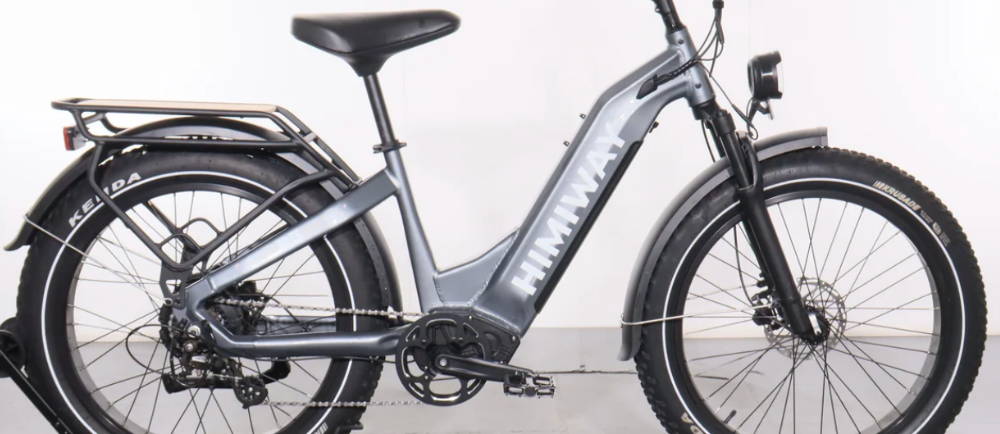
Shopping for a Himiway D5 gets confusing faster than it should. The name can refer to the D5 Zebra, the full-suspension D5 2.0, a step-through, a 20-inch version, or even the mid-drive D5 Pro. They share a name and a general approach, but they aren’t all the same bike.
At its core, the Himiway D5 is a family of fat-tiree-Bikes with big tires, plenty of motor assistance, and the ability to carry substantial cargo. Himiway eventually brought the Zebra under the D5 name, which is why you’ll still see both Zebra and D5 Zebra when you’re shopping.
In this blog, I’ll break down the Himiway D5 family, what changed with the D5 2.0, how it compares with the Zebra and D5 Pro, and what I’d look at before buying one.
👋 Welcome to Upway!
Upway is your top destination for buying and selling e-Bikes online. Discover your next e-Bike at up to 60% off retail prices, available in new or like-new condition.
Table of Contents
Himiway D5 Model Versions
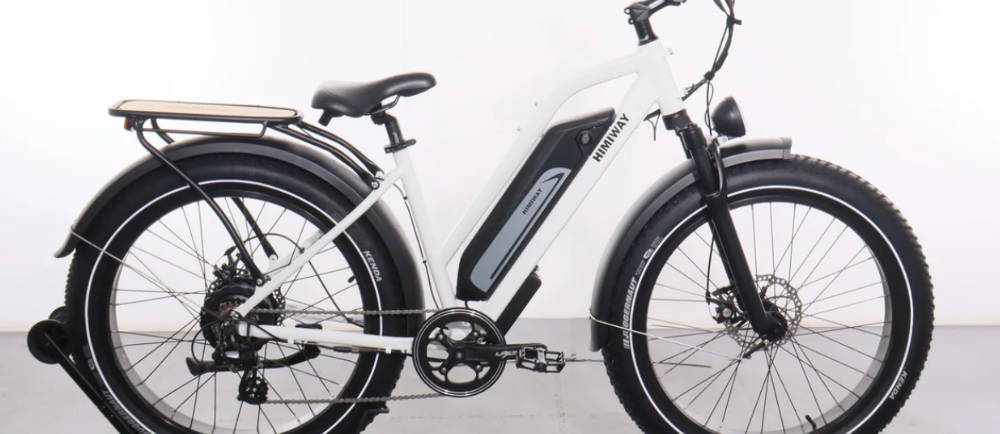
The D5 Zebra has most of the items that still define the family: an aluminum frame, 26 x 4-inch fat tires, a 750W rear hub motor, a large removable battery, and a 400-pound payload rating. The D5 2.0 keeps the 750W rear-hub layout, but bumps torque to 90 Nm, adds rear suspension, and lets riders choose between torque- and cadence-based pedal assist.
Also, Himiway offers the 26-inch D5 2.0 in step-over and step-through configurations. There’s also a smaller 20-inch step-through and a D5 2.0 Camo aimed more specifically at hunting and backcountry use. The Camo retains the same basic 750W, 90 Nm, 720Wh, full-suspension setup as the other 26-inch D5 2.0 models.
The D5 family is broader than the five bikes below. You’ll also come across the Zebra ST and D5 Pro ST, among other variants. Rather than list every frame and color option, these versions best show how the D5 has changed.
| Model | Motor | Battery | Suspension | Frame |
|---|---|---|---|---|
| D5/Zebra | 750W rear hub | 960Wh | Front | Step-over or step-through |
| D5 2.0 | 750W rear hub, 90 Nm | 720Wh | 100mm front, 130mm rear | Step-over |
| D5 2.0 ST | 750W rear hub, 90 Nm | 720Wh | 100mm front, 130mm rear | Step-through |
| D5 2.0 20” | 750W rear hub, 90 Nm | 720Wh | 90mm front, 100mm rear | Step-through |
| D5 Pro | 500W mid-drive, 130 Nm | 960Wh | Front | Step-over |
The D5 Pro is the odd one here. The D5 2.0 drives the rear wheel directly with a hub motor. The D5 Pro sends its power through the drivetrain (mid-drive). That’s worth knowing if you’re comparing D5s based mostly on price, since these aren’t just different component packages.
Step-Over vs. Step-Through
The standard 26-inch D5 2.0 uses a step-over frame, while the D5 2.0 ST lowers the top tube considerably. Easier mounting is useful when you’re stopping frequently, carrying gear on the rear rack, putting a foot down on uneven ground, or simply don’t want to swing a leg over a high top tube every time you ride.
The 20-inch D5 2.0 takes that a step further. Its 17-inch standover height and smaller wheels make it the easiest D5 to get on and off, and it may make more sense if the larger 26-inch bike simply feels like too much.
D5 2.0 Motor and Pedal Assist
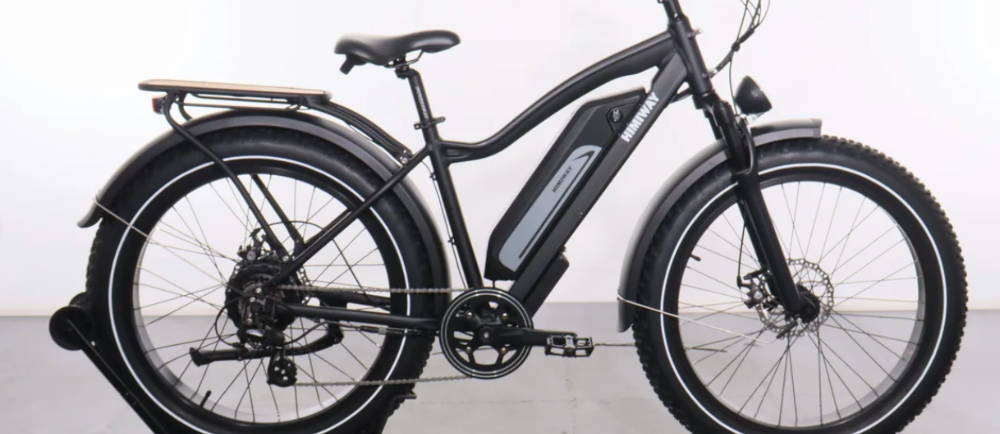
The D5 2.0 uses a 750W geared rear hub motor rated at 90 Nm of torque. That’s plenty for getting a heavy fat-tire bike moving, particularly with a rider and gear aboard. Also, the D5 2.0 lets you switch between torque and cadence sensing. With torque sensing, the motor responds to how hard you’re pushing on the pedals. Push harder, and you get more assistance. Back off and the motor follows. Cadence sensing works differently. It primarily needs to know you’re pedaling, then supplies assistance according to the selected level.
I wouldn’t automatically call torque sensing better (I prefer cadence, but maybe I’m just old school. I also ride and guide a ton of hills, which is easier on a cadence sensor. Some riders prefer the lower-effort feel of cadence assist, particularly on a heavy bike. Others want that closer connection between their legs and the motor (but it’s more work on a torque sensor, though you can get better range). Being able to choose between the two is pretty great.
There’s also a thumb throttle, which is handy for getting a heavy fat-tire bike rolling from a stop, especially when starting on a hill. The D5 Pro takes a different approach. Its 500W mid-drive sends motor power through the drivetrain rather than directly to the rear wheel and produces a claimed 130 Nm. That’s a great advantage if repeated steep climbing is high on your list.
Fat Tires and Full Suspension
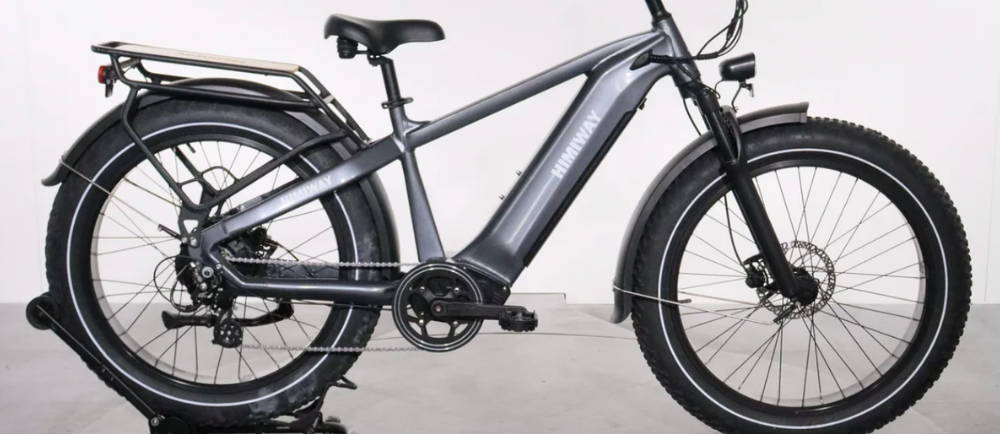
Fat tires have been part of the D5 from the beginning. The 26-inch D5 2.0 pairs its 26 x 4-inch tires with 100mm of front and 130mm of rear suspension, so the tires aren’t doing all the work when the road gets rough.
That combination makes the most sense on:
- Rough pavement and potholes
- Gravel and heinous washboard
- Hard-packed dirt
- Rough access and forest roads
Four-inch tires add volume and traction (you can lower the PSI for a softer ride), while the suspension takes the edge off repeated bumps and rough surfaces.
I still wouldn’t treat the D5 2.0 like a dedicated e-MTB. Its weight and hub motor make more sense for rough mixed-surface riding than technical singletrack.
Upway’s guide to fat-tire e-Bikes for riding on sand goes deeper into tire pressure and traction on loose surfaces.
Himiway D5 Battery and Range
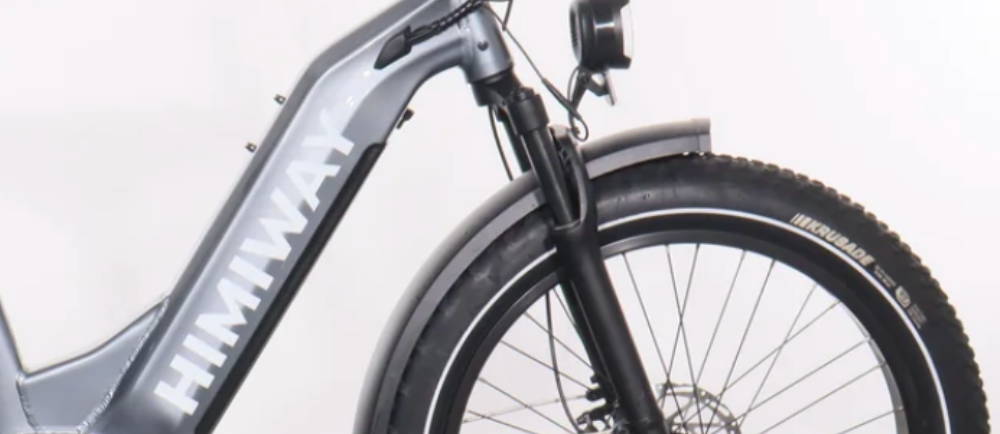
Battery capacity is another reason to know exactly which D5 you’re looking at. The D5 Zebra uses a 960Wh Samsung/LG battery, with Himiway advertising up to 80 miles of range under favorable conditions. Here’s where newer doesn’t necessarily mean bigger. The D5 2.0 uses a 48V 15Ah Samsung/LG battery, or 720Wh. That’s considerably less capacity than the Zebra’s 960Wh pack.
Himiway advertises up to 70 miles of pedal-assist range for the D5 2.0, but I wouldn’t treat that number, or the Zebra’s 80-mile figure, as a promise (just top range). Rider and cargo weight, climbing, wind,
temperature, tire pressure, road surface, assist level, and throttle use can all change how far an e-Bike travels on a charge. That’s particularly relevant here. Four-inch tires give the D5 some of its rough-road ability, but they also take more energy to move than narrower commuter tires.
If you’re looking at a used D5, check the battery on the individual listing rather than assuming the model name tells you its capacity.
Who Is the Himiway D5 For?
I’d put the D5 on your list if you regularly ride rough pavement, gravel, or dirt roads; want the traction and volume of 4-inch tires; carry gear; or simply prefer a substantial e-Bike over something lighter and sportier.
There are trade-offs. A large fat-tire e-Bike takes up space. It’s harder to lift (they’re heavy) onto some bike racks and hard to carry upstairs. Four-inch tires are also more bike than most riders need if nearly every trip is on smooth pavement. I regularly ride fat-tire bikes, and they work great for mixed terrain and general stability.
Buy a Himiway D5 From Upway & Save Big
Because the D5 name covers several different bikes, pay attention to the individual listing. Check whether you’re looking at a D5/Zebra, D5 2.0, D5 2.0 ST, or D5 Pro, along with the battery, mileage, and condition.
And remember, Upway’s certified pre-owned e-Bikes go through a 50-point inspection before they’re sold. They also include a 1-year warranty and a 14-day return period. Inventory changes, but a certified pre-owned D5 is a great, less expensive way to get one than buying new.
Frequently Asked Questions
Is the Himiway D5 the same as the Zebra?
Does the Himiway D5 come in a step-through?
Yes. The D5 family includes several step-through options. There’s a 26-inch D5 2.0 ST, the compact 20-inch D5 2.0, and step-through versions of the Zebra and D5 Pro.
Is the Himiway D5 good for off-road riding?
For gravel, hard-packed dirt, forest roads, and rough mixed-surface routes, yes. For steep, technical singletrack, I’d choose a purpose-built e-MTB.
Key Takeaways
- The version matters. The Zebra has a bigger battery, the D5 2.0 adds full suspension, and the D5 Pro gets a mid-drive.
- Check the individual bike. Motor, battery, suspension, frame, and wheel size vary across D5 models.
- Buy it for the terrain. The D5 makes more sense for rough roads, cargo, and longer rides than short trips on smooth pavement.