It depends on how much you ride (I ride about 400 miles per month on my Aventure). A daily commuter needs more frequent service than a weekend rider. Do quick checks before rides, clean and lubricate the chain regularly, inspect brakes and tires often, and plan for a professional tune-up at least once a year, or more often if you ride super often. I replace my brake pads and chains a few times per season.
Aventon E-Bike Maintenance Guide: What to Check
Written by: Chris Van Leuven | June 16, 2026 | Time to read: 6-7 min
Learn how to maintain an Aventon e-Bike, including battery care, tire pressure, brake checks, chain cleaning, drivetrain wear, storage tips, washing advice, service schedules, and Upway buying tips.

More about the Author: Chris Van Leuven
Chris is a writer, climber, and founder of Yosemite E-Biking in Mariposa, CA. When he’s not tackling Sierra Foothills trails or scaling rock walls, he’s crafting adventure stories with his boxer, Fenster. His work has appeared in Outside, Men’s Journal, Gripped, and Best American Sports Writing.
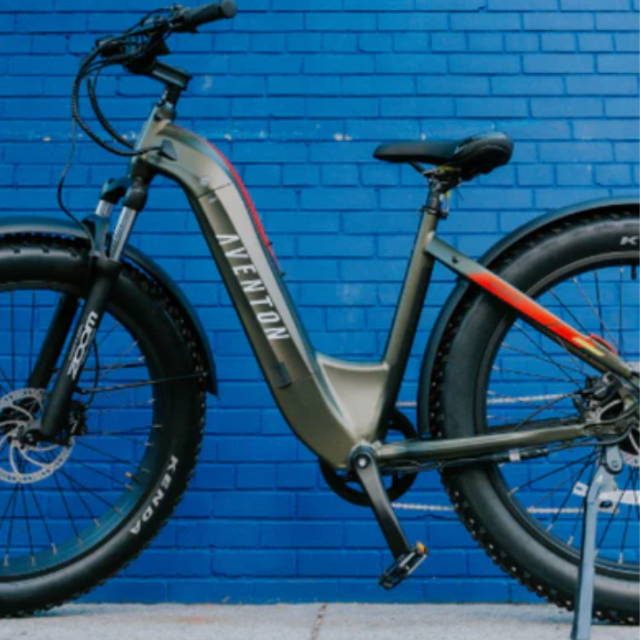
Aventone-Bikes are easy to like because they’re a blast to ride, hold up to continuous use, and are straightforward for mechanics to work on. The Pace, Level, Aventure, Soltera, Abound, and Ramblas are built for real riding: commuting, errands, bike paths, gravel roads, school runs, beach days, and all the short trips that are way more fun on two wheels than in a car.
That said, an Aventon still needs regular checks that keep an electric bike safe, smooth, and ready to ride. I’ve put thousands of miles on my Aventon Aventure, and it’s only needed the basics of e-Bike repair: regularly scheduled adjustments, new tires once in a while, plus new brake pads and new chains.
The best Aventon e-Bike maintenance plan is simple: check the parts that wear out the most, take care of the battery, keep the drivetrain clean, and don’t ignore small noises. A loose bolt, low tire pressure, dirty chain, worn brake pad, or poorly stored battery will cost you more money in the long run.
In this blog, I’ll walk through the basic Aventon e-Bike maintenance checks that matter most, including tire, brake, and chain care, battery storage, washing, service intervals, and what to look for when shopping for a certified pre-owned Aventon on Upway.
👋 Welcome to Upway!
Upway is your top destination for buying and selling e-Bikes online. Discover your next e-Bike at up to 60% off retail prices, available in new or like-new condition.
Table of Contents
What should you check before riding an Aventon?
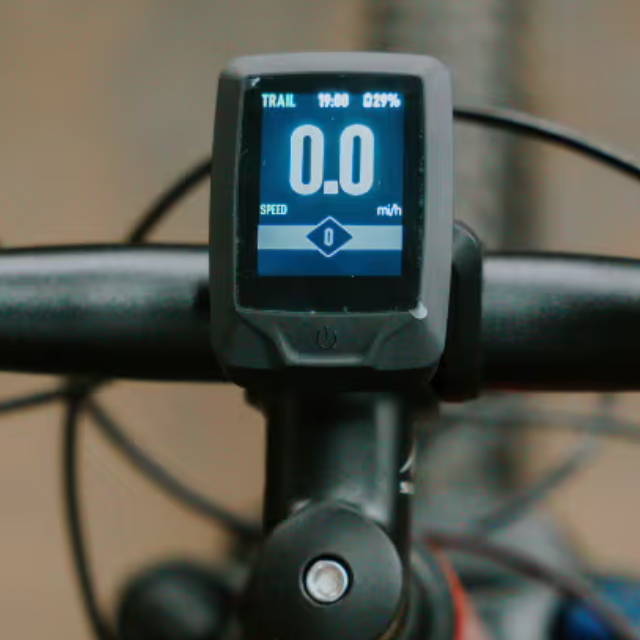
Start with the regular bike stuff. The motor and battery get most of the attention, but tires, brakes, chain, bolts, wheels, and accessories tell you first when something needs work. Before a ride, squeeze the brakes. Check that both wheels are secure. Check the tires and add air if they’re low. Make sure the handlebars, seatpost, rack, fenders, and kickstand aren’t loose.
Aventon e-Bikes are heavier and faster than regular bikes, so small problems show up sooner. Low tire pressure will make the bike feel slow and can increase the chance of flats. Loose rack hardware can rattle, making it seem like something serious is wrong. A bent fender stay can rub the tire (I take my fenders off since I don’t like when they rattle, and it’s generally dry where I live). A dry chain is bad for the drivetrain.
| When to check | What to inspect | Why it matters |
|---|---|---|
| Before each ride | Tires, brakes, wheels, lights, display, throttle, handlebar, seatpost | Catches obvious safety issues before you’re moving |
| Every week or two | Tire pressure, chain lube, brake feel, rack bolts, fenders, kickstand, accessories | Keeps the bike quiet, smooth, and predictable |
| Monthly | Brake pad wear, drivetrain wear, spoke tension, derailleur shifting, frame hardware | Helps catch wear before it becomes a bigger repair |
| Every few months | Battery contacts, charger condition, tire wear, brake rotors, electrical connections | Good for riders who commute, carry cargo, or ride in wet weather |
| Once or twice a year | Professional tune-up, firmware or system check if needed, full brake and drivetrain inspection | Best for long-term reliability and safety |
If you ride daily, your schedule should be tighter. Even if you ride only once in a while, you still need to check the bike after it sits for a long time.
How should you care for an Aventon battery?
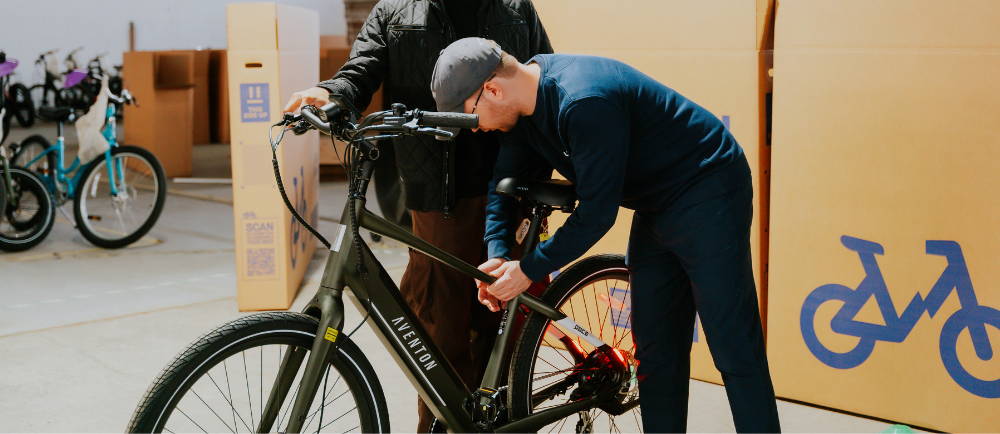
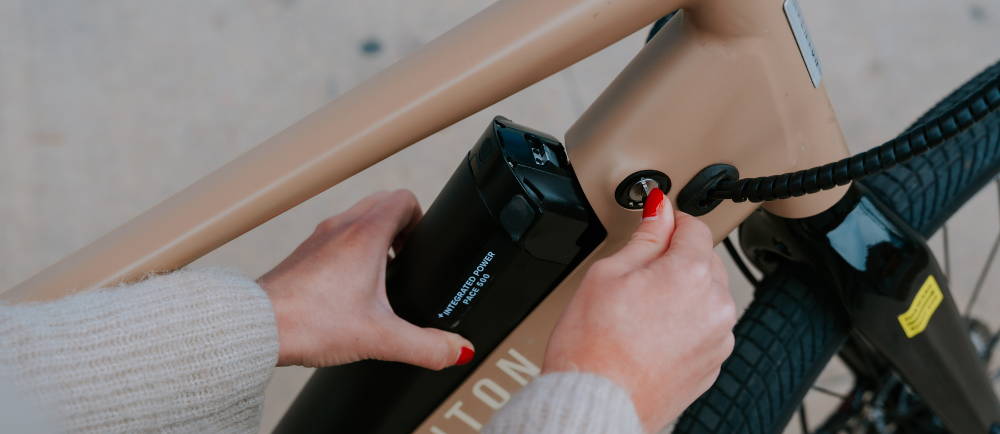
The battery is the expensive part (and spares cost upwards of $500), so treat it with care. Use the Aventon charger that came with the bike, charge in a dry indoor place, and don’t leave the battery sitting empty for long periods.
Heat and cold are hard on lithium-ion batteries. If you store the bike in a garage, shed, or vehicle, pay attention to temperature. For longer storage, remove the battery, keep it indoors, and check the battery charge periodically.
Don’t try to revive a dead battery with a random charger, a homemade adapter, or an internet trick. That’s not maintenance; that’s gambling with expensive electronics, and it’s potentially dangerous.
Also, don’t pressure wash your Aventon. E-Bikes can handle normal road spray and light weather (even heavy weather, as I’ve experienced firsthand), but blasting water into bearings, connectors, displays, the battery mount, and motor areas is a no-no. Use a damp cloth, mild cleaner when needed, and a light touch around electrical parts. Dry the bike before storing it. For battery care, charge it safely, store it sensibly, avoid extreme temperatures, and use the right charger.
Which parts wear fastest on an Aventon e-Bike?
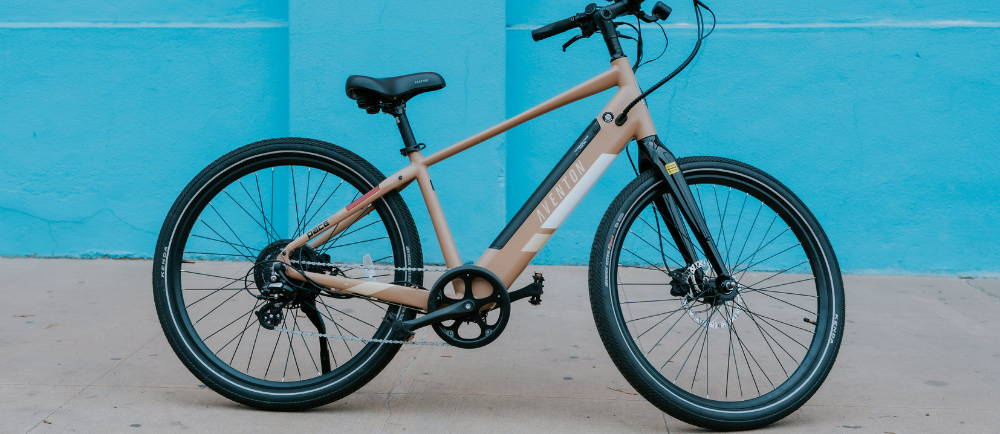
Brakes, tires, and drivetrain parts do a lot of work on an Aventon. That’s true for any electric bike, but it matters more when the bike is heavier, faster, and used for real transportation.
Brakes are super important. E-Bikes carry more weight, move faster, and are used in stop-and-go riding. If the brake lever pulls too close to the bar, the bike squeals more than just a little bit, or stopping power feels weak, replace the pads right away. Brake pads and rotors are wear items. Prepare to replace them often.
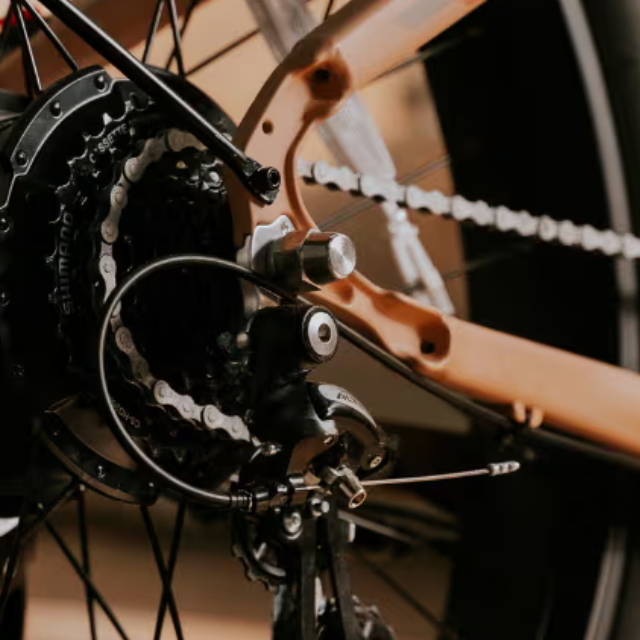
The drivetrain is next. On chain-drive Aventon models, keep the chain clean and lubricated. A dry chain wears faster and makes shifting worse, and it can damage your cassette. If your bike has a derailleur, check that it shifts cleanly and that the derailleur hanger doesn’t look bent. If the chain skips under load, it may be worn, dirty, or paired with a worn cassette.
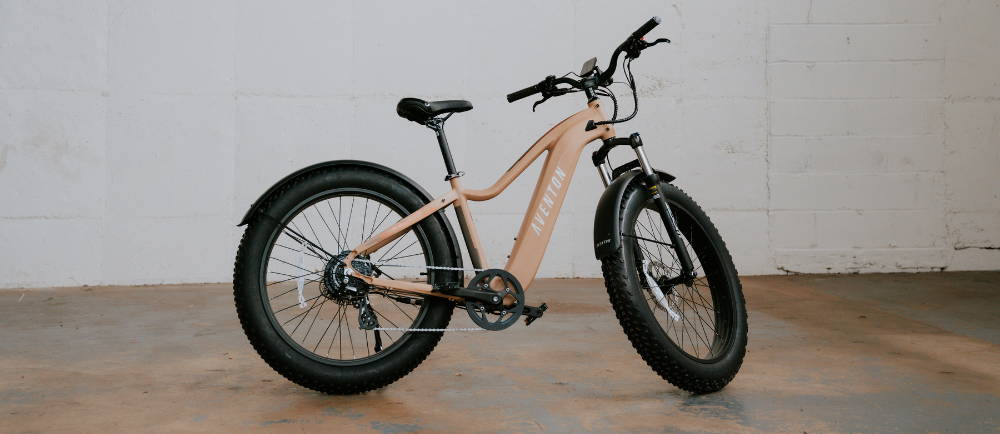
Tire PSI is simple but important. Keep them inflated, inspect for cuts, and pull out small bits of glass or wire before they become flats. I use Tannus Armour tire liners, and they keep most flats from happening (except giant nails, and I’ve hit a few of those). Fat-tire models like the Aventure can hide low pressure, and a simple pinch test doesn’t work. I run them at 15 to 20 PSI for daily use. Cargo models like the Abound (which I love to ride) deserve frequent tire checks because payload capacity and rider weight affect how hard the tires work.
Spokes are worth a quick look, too. A rear wheel on an e-Bike deals with motor torque, rider weight, cargo, bumps, and braking forces. If you hear pinging, clicking, or a new wheel noise, don’t wait to have the wheel checked.
When should you use Aventon support or visit a shop?
There’s a line between owner maintenance and repair work. Cleaning, lubricating, pumping tires, checking brake pads, tightening obvious bolts, and looking over the frame are normal owner tasks. Electrical diagnosis is different.
Use Aventon support or your local e-Bike shop if you see repeated error codes, battery problems, charging issues, damaged wiring, a display that cuts out, motor noise under load, brake problems you can’t adjust, or anything that smells hot or electrical.
Aventon has customer support and a vast dealer network, and that’s great (and they’ve been very responsive when I’ve put in orders). A good shop can check spoke tension, brake wear, drivetrain condition, firmware, electrical connections, torque settings, battery health, and error codes in a way most casual riders can’t.
Find great deals on Aventon e-Bikes from Upway
If you’re shopping for a certified pre-owned Aventon on Upway—where you save up to 60% on certified pre-owned e-Bikes—look closely at the exact bike. Check mileage, battery information, tire wear, drivetrain photos, frame condition, accessories, and model details. A certified pre-owned Aventon doesn’t have to look brand new, but since Upway’s e-Bikes go through a 50-point inspection by master mechanics and come with a 1-year warranty and a 14-day return policy, it’s a great place to shop and save online!
Frequently Asked Questions
How often should I service an Aventon e-Bike?
Can I wash my Aventon e-Bike with a hose?
Don’t use a hose or pressure washer. Use a damp cloth, mild cleaner, and careful hand cleaning. Avoid putting water on the display, battery mount, motor area, connectors, and bearings.
How should I store an Aventon battery?
Store it indoors in a dry, temperature-controlled place. Don’t leave it fully drained for long-term storage. Check the charge periodically and use the Aventon charger, not a random replacement.
Key Takeaways
- Aventon maintenance begins with basic bike care: tires, brakes, chain, tightening bolts, tire inspection, and proper PSI.
- Battery care matters, too: charge safely, store indoors, avoid extreme temperatures, and don’t use random chargers.
- Use Aventon support or your local e-Bike shop for electrical problems, repeated error codes, brake issues, motor trouble, damaged wiring, or anything that smells hot.