The most common causes are a misaligned magnet ring, a dirty sensor face, a loose connector, or a stuck brake cutout switch. Check those in order before assuming the motor or battery is at fault.
How to Fix an E-Bike Pedal Assist Sensor
Written by: Tom Fortune | June 15, 2026 | Time to read 5 min
If your pedal assist has stopped working, cuts out randomly, or feels different from how it used to, the sensor is usually the first place to look. Here’s how to check it.

More about the Author: Tom Fortune
Tom is a Brit living in the French Alps. When he's not creating written and video content for various brands, he's either pedalling or snowboarding around his local mountains. E-Bikes have unlocked the potential for Tom to explore Alpine terrain and get away from the crowded bike parks. He is only too keen to share his knowledge and experience with other riders.
There are some symptoms that make most electric bike riders automatically assume the motor has died. But, in most cases, it hasn’t. The pedal-assist sensor is a very common source of assist problems on an electric bike, and a lot of the time, the fix takes 5 minutes and no special tools. Here are my tips for working through it, when to admit defeat, and when to take it to a bike shop.
What Is a Pedal Assist Sensor?
The pedal-assist sensor tells the motor that you are pedaling. Without it, the motor has no way of knowing your feet are moving and won’t provide any assistance.
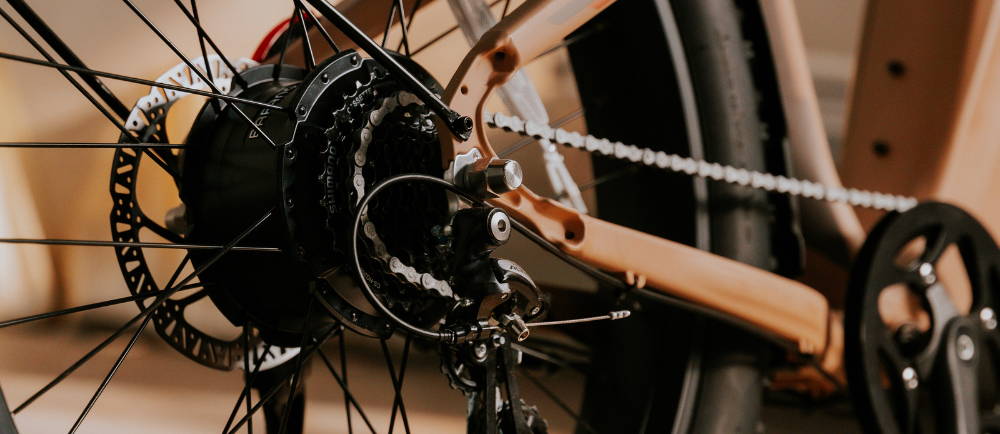
On most e-Bikes, especially commuters, this is a cadence sensor. It works using a magnet ring mounted on the crank arm or bottom bracket area and a small sensor mounted just beside it on the frame. As you pedal, the magnets on the ring pass the sensor, and each time one does, the sensor sends a signal to the motor controller.
The motor reads those signals as pedaling and kicks in to help.
It is worth knowing the difference between a cadence sensor and a speed sensor. The speed sensor reads a magnet on the wheel or spoke and tells the display how fast you are going. The cadence sensor reads the magnet ring near the crank and tells the motor you are pedaling. They are separate components, and a fault with one does not necessarily affect the other.
Some bikes use a torque sensor instead, which measures how hard you are pushing on the pedals. I'll cover torque sensors separately later because they work differently, and any issues need a different approach.
👋 Welcome to Upway!
Upway is your top destination for buying and selling e-Bikes online. Discover your next e-Bike at up to 60% off retail prices, available in new or like-new condition.
What Does a Failing PAS Sensor Feel Like?
You’ll get pedal assist sensor problems in one of a few ways.
You might find that the motor does nothing at all when you pedal, even though the display shows power and the battery is charged. Or you might notice that assistance cuts in and out while riding, which can feel like the motor is surging and then dying.
Another common symptom is a delay before the motor engages. This can happen if the sensor is dirty, partially misaligned, or has a damaged magnet on the ring. If this is the case, the motor might only receive a signal from some of the magnets as they pass. That means it takes longer to detect that you are pedaling, and the assist feels sluggish or uneven.
Occasionally, you’ll see error codes on the display showing a problem with the sensor. These vary by brand, so check your user manual, but any code referencing the pedal assist system, cadence sensor, or speed sensor is worth taking seriously. But don’t panic straight away, as it might be a minor problem that is easy to fix.
Check These First
Before you touch the sensor itself, do a few quick checks.
Is the battery charged? An almost-flat battery will sometimes power the display but not the motor. Charge it fully and test again.
Are the brake sensors working correctly? Many e-Bikes have brake cutout switches that cut motor power when you pull the brake lever. If one of these is sticking or partially engaged, the motor thinks the brakes are always on. Squeeze each lever, then fully release it. If the lever feels sticky or doesn't spring back cleanly, that might be your problem, not the PAS sensor.
Has the bike been in storage or had a knock? The magnet ring and sensor can move during a crash, a hard landing, or even during transport on a car rack. If the problem appeared suddenly after one of these, that is a good place to start.
Does the display show an error code? Check your user manual for what it means before doing anything else.
How to Inspect and Realign the Sensor
This is the most common fix and the first thing I check when the assistance stops working.
Find the magnet ring. On most e-Bikes, it is a plastic ring with small magnets embedded, mounted on the left crank arm or around the bottom bracket. It sits right next to a small sensor attached to the frame. The gap between the ring and the sensor should be small, typically around 1 to 3mm, but the exact figure depends on your bike.
Look at both components. Is the magnet ring still in its correct position? If it has moved, rotate it back so the magnets are evenly spaced and pass directly in front of the sensor as you pedal.
Check the sensor mounting too. If the sensor bracket has bent or the bolt has worked loose, the sensor may have moved away from the ring. The gap between the two is critical for the assistance to work correctly. If they are too far apart, the sensor can't detect the magnets' signal. In this case, push the sensor gently back toward the ring and tighten the mounting bolt if it has come loose.
Once you've made any adjustments, give the crank a spin by hand and watch the sensor (be careful not to hit your fingers). You should be able to see the magnets passing the sensor face. Some sensors have a small indicator light that flashes each time a magnet passes, making this much easier to check.
Cleaning and Connections
If the alignment looks fine, the next step is to check cleanliness and connections.
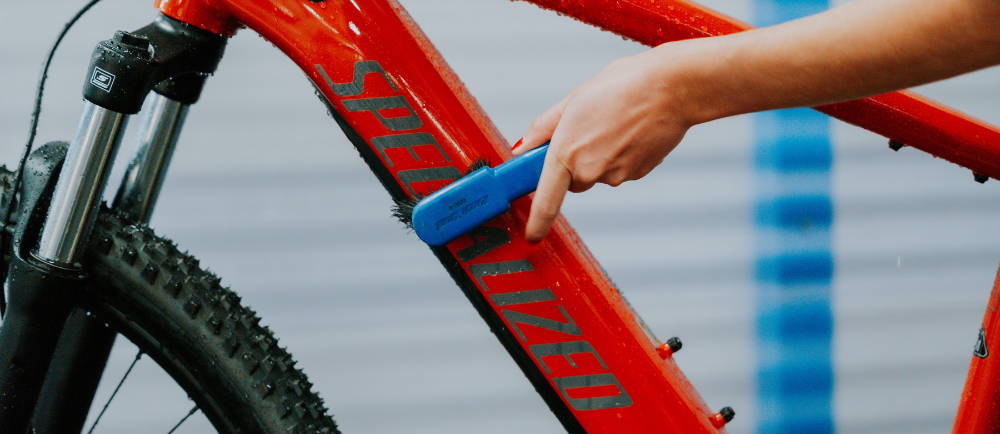
The sensor face can pick up mud, grease, and debris over time, more so on bikes used in wet or dirty conditions. A dirty sensor face can give inconsistent readings, which explains the cut-in-cut-out symptoms I mentioned earlier. Wipe the sensor face with a clean cloth. Don't use a pressure washer on it. If there is built-up grime, a soft brush and some water is enough.
Clean the magnet ring too. Grease on the magnet surfaces reduces the signal strength.
Then find the sensor cable and trace it back to where it connects to the wiring harness. Disconnect it and check the connector. Look for bent pins, corrosion, moisture, or debris inside the plug. If the connector looks dirty, a gentle cleaning with a dry cloth is usually enough. If there is visible corrosion, a small amount of dielectric grease on the pins after cleaning can help protect against future moisture damage.
Reconnect the cable, making sure it clicks or locks into place, and test the assist.
When the Sensor Needs Replacing
If realignment and cleaning haven't fixed the problem, the sensor or magnet ring itself may be damaged or faulty.
Inspect the magnet ring carefully. Look for cracks, missing magnets, or areas where the plastic has broken. If one or more magnets are missing, the motor will only receive a partial signal as you pedal, which explains intermittent or slow-to-respond assist. A damaged magnet ring is usually cheap to replace and is one of the easier DIY jobs on an e-Bike.
If the ring looks fine but the problem persists, there may be a problem with the sensor itself. Before replacing it, check whether your display supports live sensor data. Some systems, including Bosch and Shimano, let you view pedal sensor readings on the display or in the brand's app. If the sensor is sending no signal at all, or a constant signal even when you stop pedaling, it has likely failed.
How difficult it is to replace the sensor varies a lot by bike. On some models, it is a simple unplug-and-swap job. On others, you need to remove the crank arm or the bottom bracket assembly. Take it to a bike shop if you are not comfortable doing that.
Torque Sensors Are Different
If your bike uses a torque sensor, the above steps are mostly irrelevant. Torque sensors measure the force you apply to the pedals and are usually built into the bottom bracket or crank. They are more complex, more expensive, and not something you can adjust with a screwdriver.
The most common torque sensor issue is a loss of calibration after a crash or a software update. If the assistance feels weaker than it used to, or responds inconsistently to your pedaling effort, and the bike has a torque sensor, check if your brand's app allows you to reset or recalibrate the sensor. Some systems do, some don't. It is worth trying before taking your bike to a shop for help.
If a reset doesn't help, this is a dealer job. Don't try to open or disassemble the bottom bracket assembly to access a torque sensor. The components are precision-calibrated and not designed for home repairs.
When To Stop and Get Help
Everything in the sections above is safe to do yourself. Here is where to stop.
- Don't cut into the wiring harness.
- Don't try to open the sensor housing.
- Don't attempt to replace the bottom bracket assembly unless you have the correct tools and experience.
- Don't keep riding a bike with intermittent assistance if you can't find the cause. Riding with a faulty pedal assist sensor can put extra strain on the motor controller as it tries to interpret bad signals.
Get the bike to a shop if the problem persists after you've checked alignment, cleaned the sensor, and inspected the connectors. The same applies if you see a repeated error code that comes back after every restart, or if the sensor cable has any visible damage.
Buying a Pre-Owned E-Bike? Here's What to Know
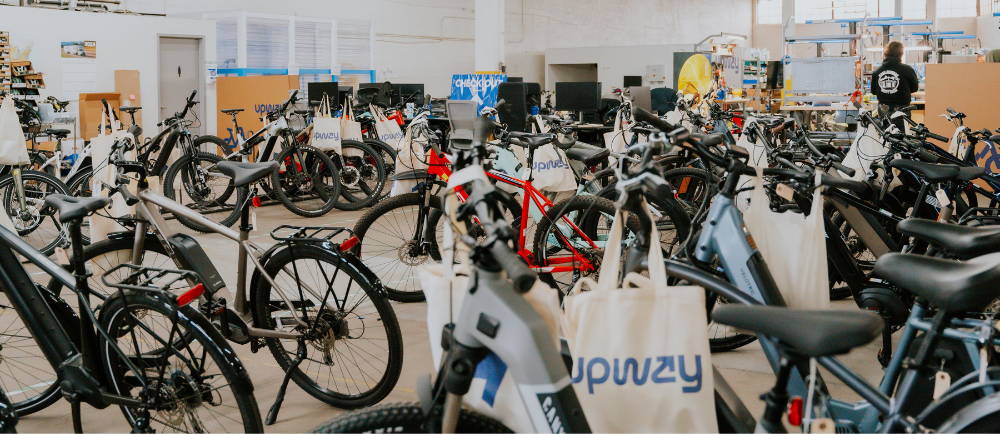
If you are in the market for a used e-Bike, it can be hard to know if it is in good condition, especially with electrical components like the pedal-assist system, which is difficult to test on a short ride.
That's where Upway can help. Instead of taking a chance on a private listing, you can browse certified pre-owned e-Bikes from brands like Specialized, Trek, Aventon, and others at significantly lower prices than new. That often makes premium models much more accessible than they would be otherwise.
There's also the convenience factor. You can browse everything online, compare different bikes side by side, and have one delivered to your door, rather than relying on what a single local shop happens to have in stock.
Each bike is inspected by professional mechanics before being listed, so you're buying one that has been checked and is ready to ride.
You also get:
- A 1-year warranty
- A 14-day return period
- Delivery of a bike that arrives mostly assembled
Frequently Asked Questions
Why has my pedal assist stopped working?
Can I fix a PAS sensor myself?
For cadence sensors, yes. Realigning the magnet ring, cleaning the sensor face, and reseating the connector are all straightforward. Torque sensor problems are more complex and often require dealer tools or software.
How do I know if my magnet ring is damaged?
Look for cracks, missing magnets, or broken sections in the plastic ring. If one or more magnets are gone, assistance will be intermittent or slow to respond. A replacement magnet ring is usually inexpensive and easy to fit.
Key Takeaways
- Most pedal assist problems are caused by a misaligned magnet ring, a dirty sensor, or a loose connector. Check these before assuming the motor has failed.
- Cadence sensor issues are usually fixable at home. Torque sensor problems need dealer diagnostics or software, not a screwdriver.
- If the problem recurs after every restart, the sensor cable shows visible damage, or you can't find the cause, get the bike to a shop.