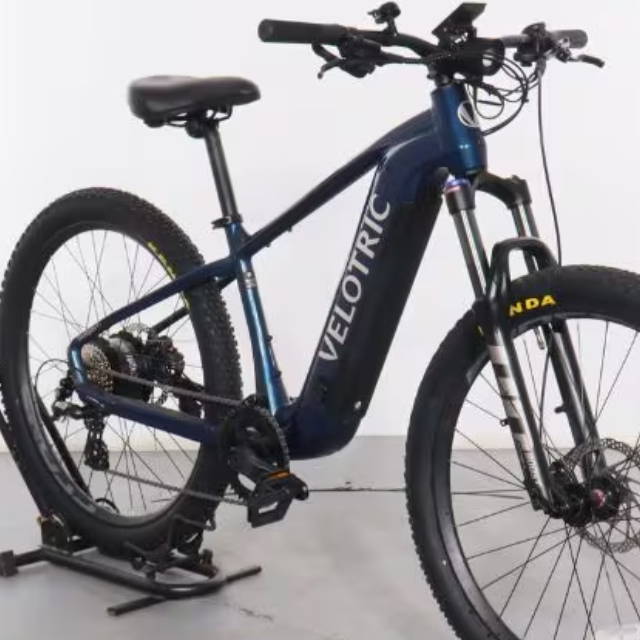
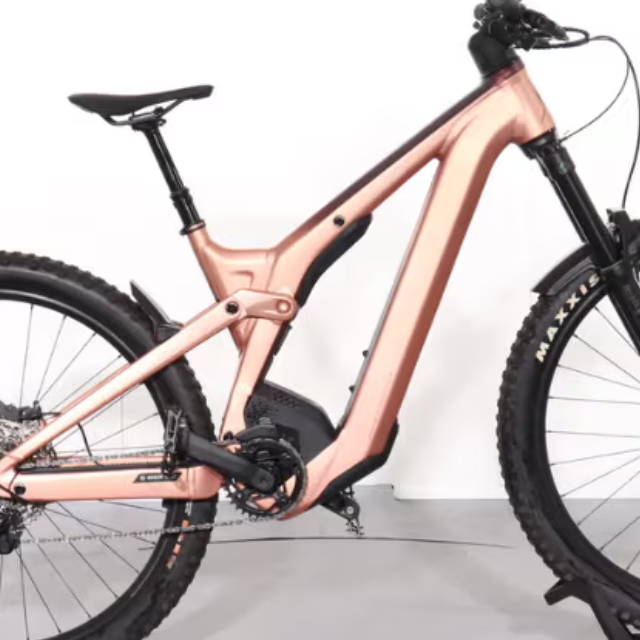
The Orbea Rise is better for technical climbing, rougher trails, and riders who want more motor support. The Scott Lumen eRIDE is lighter, quieter, and better suited to fast singletrack and XC-influenced riding.
Orbea Rise vs Scott Lumen eRIDE E-Bike Comparison
Written by: Chris Van Leuven | July 23, 2026 | Time to read: 8 min
Compare the Orbea Rise and Scott Lumen eRIDE, including their motors, batteries, suspension, ride feel, and what to inspect before buying used.

More about the Author: Chris Van Leuven
Chris is a writer, climber, and founder of Yosemite E-Biking in Mariposa, CA. When he’s not tackling Sierra Foothills trails or scaling rock walls, he’s crafting adventure stories with his boxer, Fenster. His work has appeared in Outside, Men’s Journal, Gripped, and Best American Sports Writing.
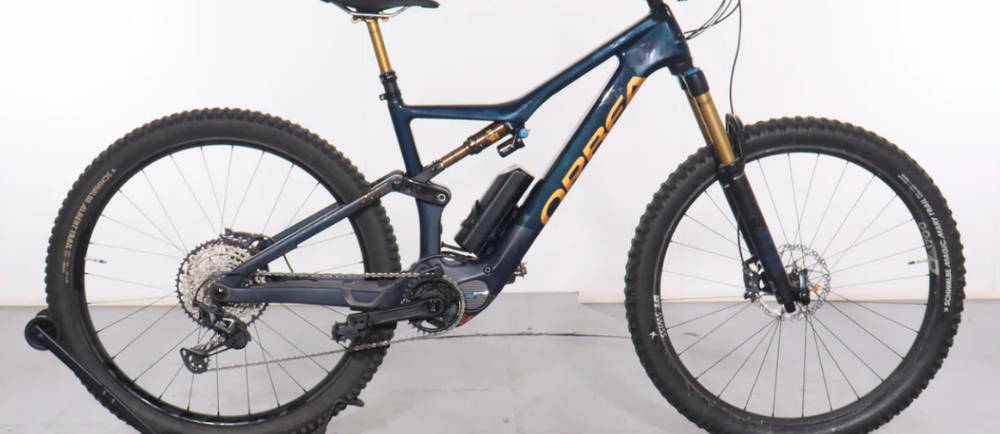
The Orbea Rise and Scott Lumen eRIDE sit in the same lightweight e-MTB category, but they don’t feel like the same electric bike. The Rise gives you more power, travel, and battery choice. The Lumen stays closer to an efficient cross-country bike, with quieter assistance and less weight to manage.
In this Orbea Rise vs. Scott Lumen eRIDE comparison, I’ll look at how they ride, where each one works best, and what to inspect before buying either bike used or certified pre-owned on Upway.
👋 Welcome to Upway!
Upway is your top destination for buying and selling e-Bikes online. Discover your next e-Bike at up to 60% off retail prices, available in new or like-new condition.
Table of Contents
Orbea Rise vs. Scott Lumen eRIDE specs compared
Different approaches to full-suspension e-mountain biking
How the Rise and Lumen feel on the trail
Shimano RP8 vs. TQ HPR50 mid-drive motors
Which lightweight e-MTB would I choose?
What to inspect before buying either bike used
Buying a certified pre-owned lightweight e-MTB on Upway
Orbea Rise vs. Scott Lumen eRIDE specs compared
| Specification | Orbea Rise | Scott Lumen eRIDE |
|---|---|---|
| Motor | Shimano EP801 RS Gen2 on current models; earlier bikes may use an RS-tuned EP8 | TQ HPR50 on many used models; HPR60 on newer versions |
| Maximum torque | Up to 85 Nm in RS+ | 50 Nm with HPR50 or 60 Nm with HPR60 |
| Internal battery | 420Wh or 630Wh | 360Wh |
| Range extender | 210Wh | 160Wh |
| Maximum battery capacity | Up to 840Wh | Up to 520Wh |
| Rear suspension | 140mm on Rise SL or 150mm on Rise LT | 130mm |
| Front suspension | 140mm on Rise SL or 160mm on Rise LT | 130mm or 140mm, depending on build |
| Wheel size | 29-inch | 29-inch |
| Frame material | Carbon or aluminum, depending on model | Primarily carbon |
| Best suited to | Technical climbing, mixed trail riding, and rougher descents | Fast singletrack, long rides, and XC-influenced trails |
Exact specifications depend on the year and build, especially when shopping used. An earlier Rise or HPR50-equipped Lumen may ride and perform differently from the newest version.
Different approaches to full-suspension e-mountain biking
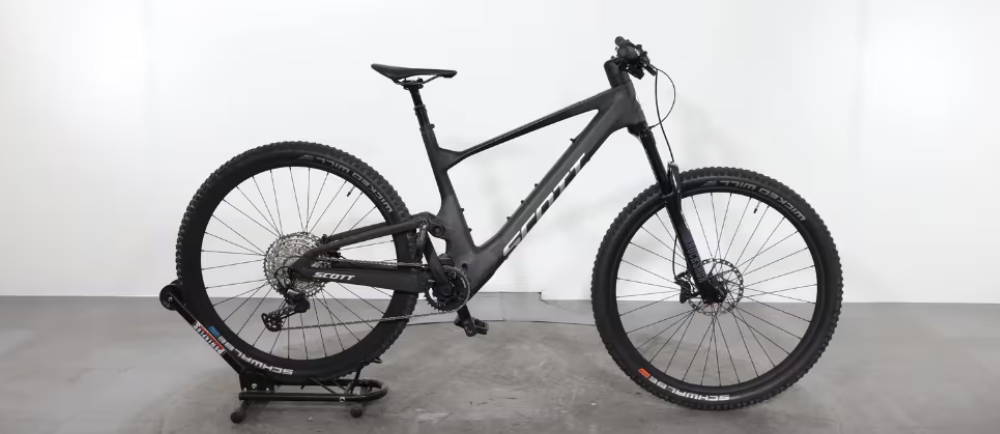
Both bikes are for riders who want assistance without the weight and feel of a full-power e-MTB. The Rise offers more motor support, larger battery options, and a wider range of trail capability. The Lumen goes the other direction, prioritizing lower weight, quieter assistance, and a ride that stays closer to a traditional mountain bike.
The Rise approaches the category like a trail bike. Orbea gives it enough motor support and suspension for technical terrain without making it feel oversized on normal trails. The Rise SL stays quicker and more efficient, while the LT adds travel and adjustability for steeper riding.
Scott starts with the Spark’s cross-country roots. The Lumen is lighter and quieter. Its motor shortens climbs and helps extend the ride, but the bike still expects you to contribute.
How the Rise and Lumen feel on the trail
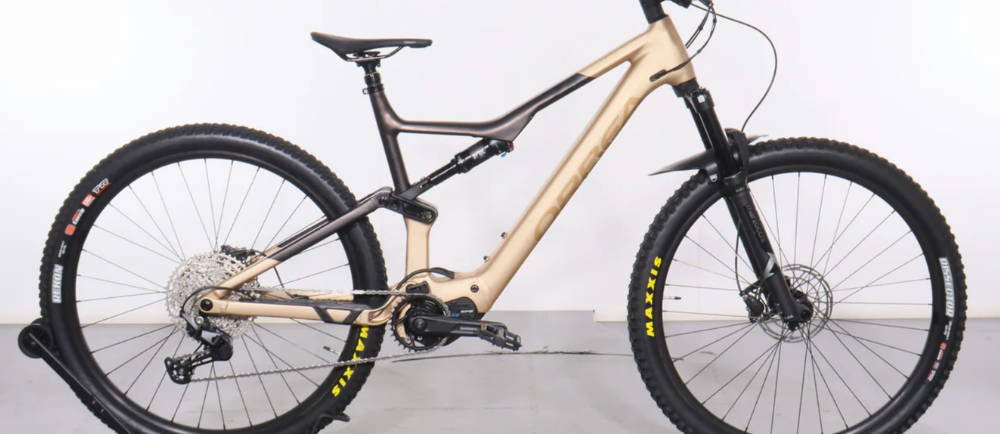
The Rise covers a wider range of terrain. The 140mm Rise SL makes sense for long trail rides, technical singletrack, and riders who still care about efficiency. The Rise LT adds 150mm of rear travel, a 160mm fork, and adjustable geometry for steeper, rougher descents.
I wouldn’t automatically choose the LT. If most rides involve flowing singletrack with a few rough sections, the SL will probably feel livelier. The LT earns its extra weight when the descents are rough enough to use the travel.
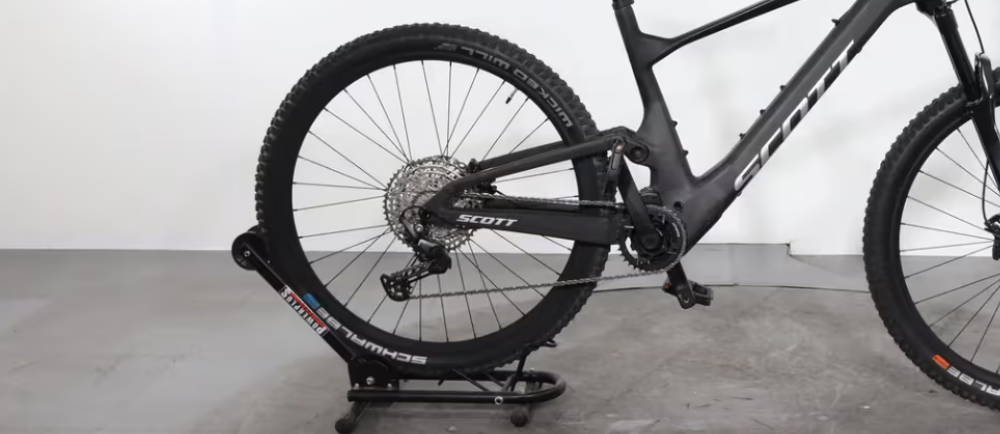
The Lumen feels sharper and more connected. Its 29-inch wheels, shorter suspension, and low weight suit rolling terrain where maintaining momentum matters. It changes direction quickly and is easier to lift over an obstacle or correct after a poor line. Scott hides the rear shock inside the frame, keeping weight low and leaving room for a bottle and range extender. It looks clean, although access and service are less straightforward than on the Rise.
The TwinLoc remote changes the suspension between Descend, Traction Control, and Lockout settings. Riders who regularly firm up the bike on climbs may appreciate it. Riders who prefer a simpler cockpit may not. The Lumen can handle technical trails, but it gives you less room for mistakes and rewards accurate line choice. The Rise LT is the better option when you want the suspension to settle rough terrain.
Shimano RP8 vs. TQ HPR50 mid-drive motors
The Rise has the stronger motor. Current Shimano EP801 RS Gen2 builds can provide 60 Nm in RS mode and up to 85 Nm in RS+. That extra support is most noticeable on slow climbs, loose switchbacks, and tricky restarts.
Many used Lumens have the 50 Nm TQ HPR50, while newer models may use the 60 Nm HPR60. Both are compact, quiet, and natural-feeling. There’s little drag with the assistance switched off, and the power feels more like stronger legs than a separate machine pushing the bike.
That subtle delivery suits the Lumen, but steep climbs require more rider effort. Anyone moving over from a full-power e-MTB may find the TQ motor surprisingly restrained. The Lumen uses a 360Wh internal battery and can add a 160Wh range extender for 520Wh total. Scott leaves enough room to carry the extender and a water bottle together.
Current Rise models use either a 420Wh or 630Wh battery, with a 210Wh range extender available. The smaller battery keeps the bike lighter. The larger one makes more sense for long climbs, cold weather, or frequent use of higher assistance modes.
I wouldn’t choose the largest battery just because it’s available. Extra capacity only helps if you regularly use it. The Lumen stretches a smaller battery by asking more from the rider. The Rise carries more energy and gives you more help when the trail gets awkward.
Which lightweight e-MTB would I choose?
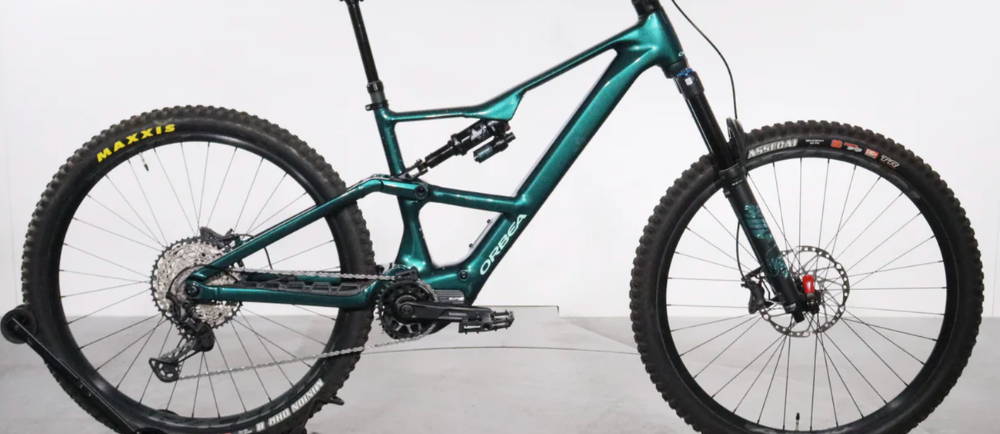
If my local trails included technical climbs, rough descents, and enough variety that I wanted one bike to handle almost everything, I’d start with the Rise. The Rise SL would be my choice for long trail rides and mixed terrain. I’d move to the LT if the descents were consistently steep and rocky.
The Lumen makes more sense for riders who already like cross-country bikes. If my weekends were spent covering long distances and linking fast singletrack, I’d have a hard time arguing against it. It’s also the bike that disappears underneath you sooner. The motor is quiet, the handling is quick, and the bike doesn’t constantly remind you that assistance is available.
Maintenance may influence the decision. The Rise uses a more conventional suspension layout and comes in more battery and travel combinations. The Lumen’s integrated shock, TwinLoc system, and internal routing make it distinctive, but they also add proprietary parts that need to work correctly. The Rise covers more situations. The Lumen is the more specific choice, which is exactly why the right rider may prefer it.
What to inspect before buying either bike used
Start by confirming the model year, motor, battery, and exact build. The names have stayed familiar while the systems underneath them have changed. Check the motor and controls for smooth assistance, unusual noise, error messages, damaged remotes, and support modes that don’t work as expected. Charge the battery fully, watch for sudden percentage drops, and confirm that the correct charger, range-extender mount, and connection cable are included.
Inspect the frame closely around the motor, battery, head tube, bottom bracket, and chainstays. Look for cracks, deep rock strikes, repairs, or damage hidden beneath frame protection. The fork, rear shock, and pivot bearings should move smoothly without leaks, scratched stanchions, roughness, or side-to-side play. Ask when the suspension was last serviced rather than assuming a clean bike has been maintained.
Check the wheels for dents, loose spokes, and bearing play. Measure chain wear and inspect the cassette, chainring, and derailleur for damage or poor shifting under motor load. The brake levers should feel firm, and the pads and rotors should have enough life left to avoid an immediate replacement.
On the Lumen, test every TwinLoc position and make sure the suspension responds correctly. Inspect the integrated-shock access cover and ask whether the bike has been serviced by a shop familiar with Scott’s system. On the Rise, confirm whether it’s an SL or LT and which Shimano motor generation it uses. Test every assistance mode and any electronic shifting or integrated controls fitted to that build.
A clean frame doesn’t mean the expensive parts are healthy. I’d take recent suspension service, a strong battery, and straight wheels over spotless paint.
Buying a certified pre-owned lightweight e-MTB on Upway
The Rise and Lumen combine expensive motors, internal batteries, suspension, and integrated electronics. A few neglected systems can quickly erase the savings from buying used.
Shopping for a certified pre-owned Orbea Rise or Scott Lumen eRIDE on Upway makes it easier to compare mileage, motor generation, battery, suspension, drivetrain, wheels, and overall condition. Every certified pre-owned e-Bike also goes through a 50-point inspection and includes a 1-year limited warranty and a 14-day return period.
Frequently Asked Questions
Which is better, the Orbea Rise or Scott Lumen eRIDE?
Is the Orbea Rise more powerful than the Scott Lumen?
Yes. Current Rise models can provide up to 85 Nm in RS+ mode. Depending on the year, the Lumen uses either the 50 Nm TQ HPR50 or the 60 Nm HPR60.
Can you ride the Scott Lumen without motor assistance?
Yes. Its low weight and minimal motor drag make it easier to pedal without assistance than most full-power e-MTBs.
Key Takeaways
- The Orbea Rise offers stronger Shimano RS assistance, more battery capacity, and SL or LT options for different kinds of trail riding.
- The Scott Lumen eRIDE prioritizes low weight, quiet TQ assistance, and handling influenced by the Scott Spark.
- When buying used, confirm the model year and inspect the motor, battery, suspension, frame, wheels, drivetrain, brakes, controls, and charger.