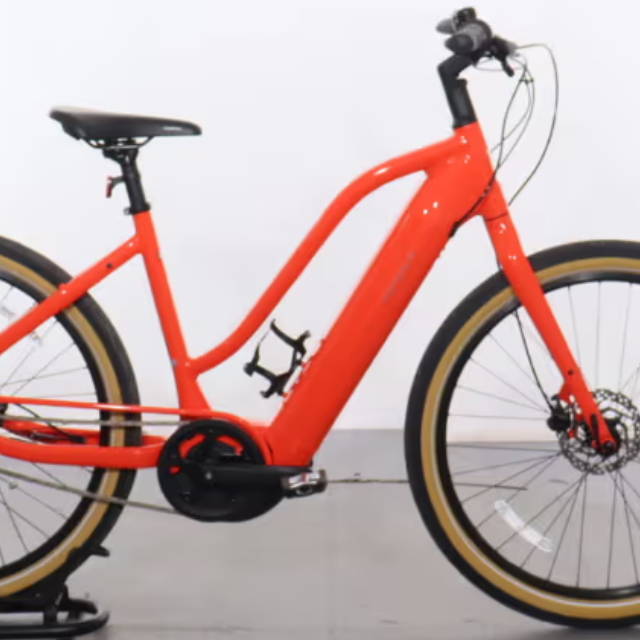
Generally, yes. Co-op isn’t trying to reinvent the e-Bike here. REI has paired its frames with familiar components from Bosch, Shimano, SRAM, RockShox, SR Suntour, microSHIFT, and Tektro. I’d still judge a used one by the specific year, battery, components, fit, and condition rather than assuming every CTY or DRT is equally good.
Co-op Cycles CTY vs. DRT: E-Bike Comparison
Written by: Chris Van Leuven | September 14, 2026 | Time to read: 5-6 min
Compare Co-op Cycles CTY vs. DRT e-Bikes, including motors, drivetrains, suspension, hydraulic disc brakes, wheels, and terrain to find the right Co-op e-Bike.

More about the Author: Chris Van Leuven
Chris is a writer, climber, and founder of Yosemite E-Biking in Mariposa, CA. When he’s not tackling Sierra Foothills trails or scaling rock walls, he’s crafting adventure stories with his boxer, Fenster. His work has appeared in Outside, Men’s Journal, Gripped, and Best American Sports Writing.
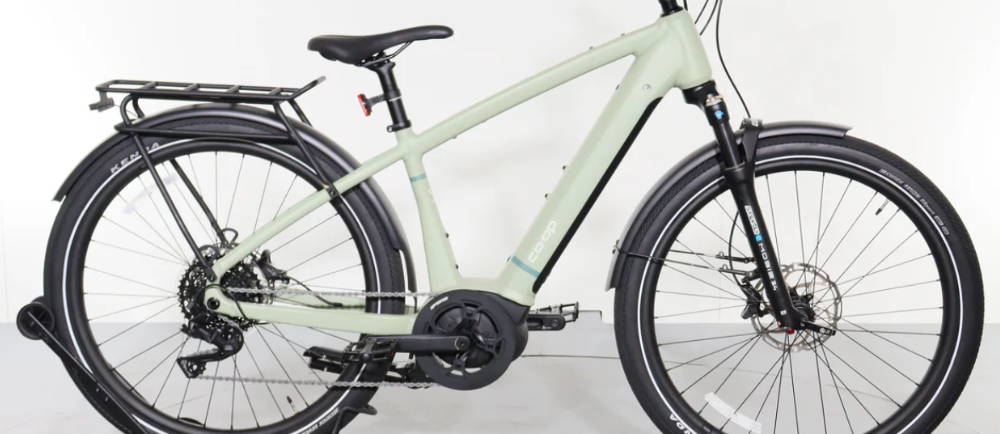
The Co-op Cycles CTY and DRT e-Bikes come from the same brand, but they’re built for different kinds of riding. CTY is the side of REI’s Co-op Cycles lineup aimed mostly at pavement: commuting, bike paths, errands, rough streets, and some gravel. DRT is where things turn toward mountain biking, with wider tires, trail geometry, and suspension meant for dirt.
However, there’s some crossover. You can still ride a CTY on dirt and commute on a DRT. But I wouldn’t buy a mountain bike just because part of my ride leaves the pavement. Smooth gravel and maintained dirt roads are one thing. Regular singletrack is another.
In this blog, I’ll compare the CTY and DRT e-Bikes, where the two overlap, and how much of a trail bike you actually need.
👋 Welcome to Upway!
Upway is your top destination for buying and selling e-Bikes online. Discover your next e-Bike at up to 60% off retail prices, available in new or like-new condition.
Table of Contents
Co-op CTY and DRT E-Bikes Are Built for Different Terrain
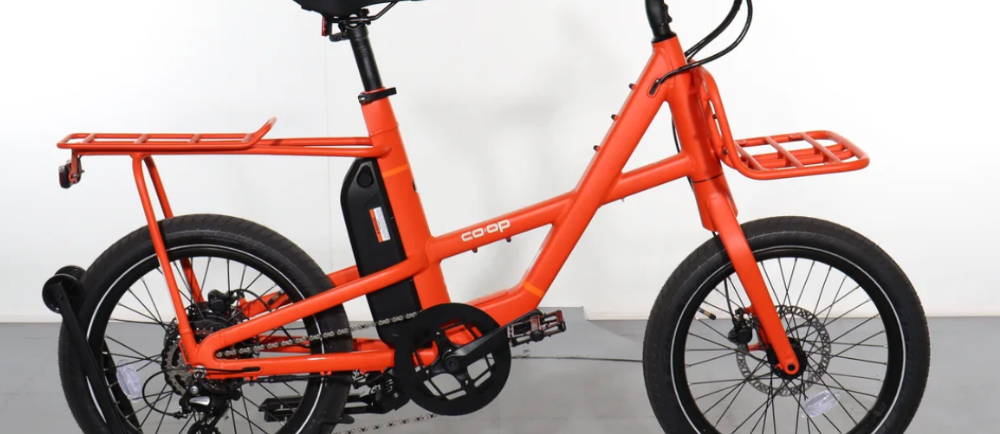
Co-op Cycles is REI’s in-house bike brand. CTY covers its urban and hybrid bikes, while Co-op Cycles DRT is the mountain-bike family. Both names also appear on conventional bicycles, so look for the “e” in the model name if you’re shopping for an e-Bike.
Most CTY models lean toward pavement and mixed-surface riding, but Co-op has stretched the name pretty far over the years. Some are straightforward hybrid-style e-Bikes. Others come with suspension, big tires, racks, fenders, and mountain-bike influence, which can be confusing.
The CTY e3.1 is a good example. It’s a full-suspensionClass 3 e-Bike with a Bosch Performance Line Speed motor, 625Wh battery, dropper post, rack, and fenders. That’s a lot more bike than the CTY name might suggest.
DRT comes from the opposite direction. The DRT e1.1 is a hardtail mountain bike with a Bosch Performance Line mid-drive, 500Wh battery, 100mm suspension fork, 2.6-inch Maxxis Rekon tires, tubeless-ready wheels, and a wide gear range. The full-suspension DRT e3.1 steps up to a Bosch Performance Line CX motor with 85Nm of torque and 140mm of front and 130mm of rear suspension travel.
For a wider look at the brand and its other models, Upway’s Co-op Cycles e-Bike guide covers the rest of the lineup.
CTY vs. DRT E-Bike Specs
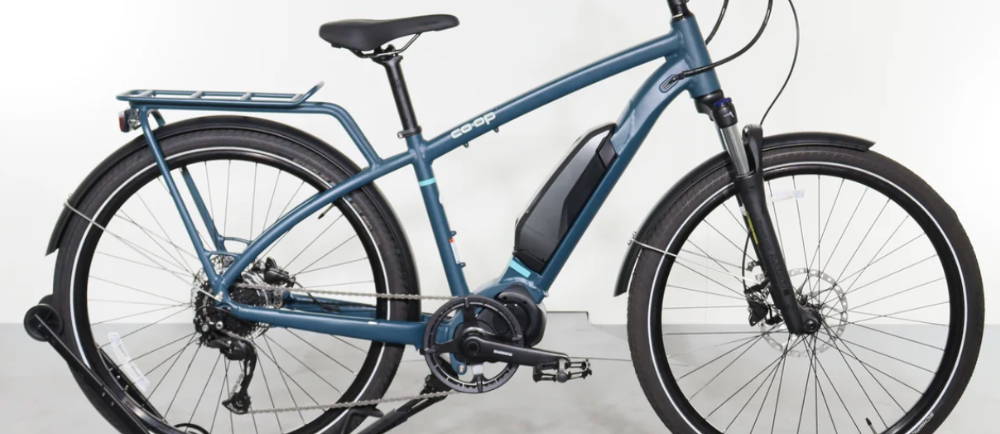
Keep in mind that Co-op hasn’t made the model names easy to follow. Names such as CTY e2.1 and CTY e2.2 have been reused across eras with substantially different motors and components. The first 2020 CTY e2.1, for example, used a Shimano STEPS E5000 mid-drive motor, a 418Wh battery, a 75mm suspension fork, and a 9-speed drivetrain. Later versions carrying the CTY e2.1 name used a different drive system and build.
So instead of treating every CTY or DRT as though it’s the same, here’s the more useful family-level comparison:
| CTY e-Bikes | DRT e-Bikes | |
|---|---|---|
| Primary terrain | Pavement and mixed surfaces | Off-road terrain and singletrack |
| Riding style | Commuting and recreational riding | Mountain biking |
| Suspension | Front or full, depending on model | Hardtail or full suspension |
| Tires | Mixed-surface or urban-oriented | Wider mountain-bike tires |
| E-Bike class | Class 1 or Class 3, depending on model | Class 1 on the electric models discussed here |
| Components | Urban/hybrid-oriented, model-dependent | Trail-oriented drivetrains, brakes, wheels, and suspension |
| Best fit | Riders spending most of their time on pavement | Trail riders regularly riding rough dirt |
The individual model still matters. A Bosch-powered CTY can have as much or more motor torque than a lower-priced DRT, and some CTY models have surprisingly capable suspension and brakes. The difference is what Co-op adds around the motor. DRT puts more emphasis on tire traction, suspension travel, trail geometry, tubeless-ready wheels, and components that make sense on singletrack. That’s why I wouldn’t choose between them based on motor output alone.
What the CTY Does Better Around Town
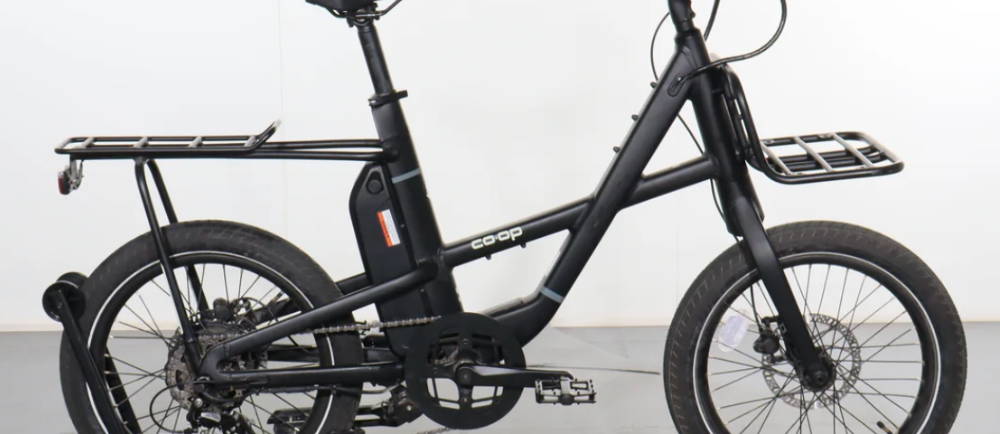
If the bike is going to spend most of its life on pavement or be used for commuting, CTY makes more sense. A DRT works perfectly well there, but you just may not need everything that makes it a mountain bike. Wide trail tires, aggressive tread, a dropper post, and extra suspension make more sense once rocks, roots, loose surfaces, and steeper terrain come into play.
CTY models put more attention on daily usability. The exact equipment changes by model year, but the family includes bikes with more upright geometry, quicker-rolling tires, lights, fenders, racks, and other components that are useful when you’re cruising on pavement. They’re not necessarily commuter-only bikes, either. A CTY can make plenty of sense if your commute includes rough pavement or your weekend ride wanders onto a gravel road. Larger tires and a suspension fork add some forgiveness without turning the bike into a full-on mountain bike.
If the dirt portion of your ride is a maintained forest road or crushed-gravel path, I wouldn’t buy a DRT just because you’re leaving pavement. Buy for the terrain you’re actually riding, not the category printed on the product page.
For more bikes built around daily transportation, Upway’s commuter e-Bike guide covers other city-oriented options.
Why the DRT Makes More Sense on Trails
Once singletrack becomes part of the normal ride, the DRT earns its keep. The DRT e1.1 is the simpler place to start. It’s a hardtail, so there’s no rear shock, but its 100mm suspension fork and 2.6-inch tires provide more traction and control on rocky trails and loose surfaces. The wide gear range also helps when climbing steeper dirt.
The DRT e3.1 is built for rougher riding. Its 140mm RockShox fork and 130mm rear shock let the wheels track uneven terrain, while the Bosch Performance Line CX motor produces 85Nm of torque. A 12-speed SRAM drivetrain, four-piston hydraulic disc brakes, tubeless-ready wheels, and a dropper post round out the trail-focused build.
I prefer a hardtail and a high-end suspension seatpost, but full suspension earns its keep when you’re regularly hitting roots, rocks, drops, and rough descents. On smooth dirt or forest roads, you’re carrying around suspension and components you may rarely use, but it does make the ride softer.
The dropper post (I love dropper posts) is a good example. On a technical descent, lowering the saddle from the handlebar gives you room to move around the bike and shift your weight. The point isn’t just more suspension. The tires, geometry, brakes, gearing, and suspension are all aimed at mountain biking.
If singletrack is the priority, Upway’s electric mountain bike guide gets further into what to look for in an e-MTB.
Which Co-op Cycles E-Bike Would I Choose?
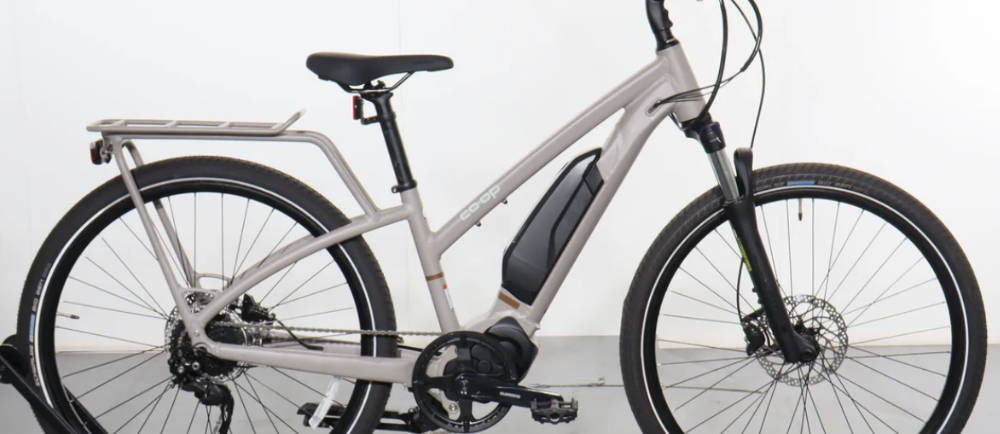
The easy calls are pavement and technical dirt. CTY for the first, DRT for the second. Gravel is where the choice gets less obvious. Gravel roads, mellow dirt paths, and mixed-surface recreational rides don’t automatically require a mountain bike. A CTY gives you a bike that’s better suited to the pavement you’ll probably ride getting there while still leaving room for easier unpaved terrain. Once the route regularly includes rocks, roots, steeper descents, and technical singletrack, I’d want the DRT’s wider tires, trail geometry, suspension, and braking.
Used Co-op e-Bikes add one thing to keep in mind: the model names aren’t always enough. Co-op has reused names while changing motors, batteries, drivetrains, and even e-Bike classifications.
Before buying one, I’d confirm:
- The exact year and version. Don’t assume the model name tells you what’s on the bike.
- Motor and battery. Co-op has used different drive systems across CTY generations.
- E-Bike class. It determines assisted speed and can affect where an e-MTB is allowed.
- Suspension and tires. More isn’t automatically better if your riding doesn’t require it.
- Fit and condition. A better-equipped bike isn’t much of a bargain if it’s the wrong size or needs expensive work.
I wouldn’t dismiss an older CTY or DRT simply because REI has moved on to another generation. A well-maintained Bosch- or Shimano-equipped bike can still make a lot of sense at the right price. With Co-op, I’d pay more attention to the actual bike: where it was designed to be ridden, and whether that matches what you’re going to do with it. On a used one, I’d also want to know exactly which generation I’m looking at.
Upway’s certified pre-owned Co-op Cycles e-Bikes are professionally inspected before they’re listed, and each listing gives you the specifications for that individual bike. That’s especially useful with a design that has changed this much over the years.
Frequently Asked Questions
Are Co-op Cycles e-Bikes any good?
Is a Co-op CTY or DRT better for commuting?
CTY makes more sense for most commuters. It’s the urban side of the lineup and generally has tires, geometry, and equipment better suited to pavement and everyday riding. DRT is the better choice if mountain biking is also a regular part of your week.
Can you ride a Co-op CTY e-Bike on dirt?
Yes. Gravel roads, hard-packed paths, and mellow forest roads are within the range of many CTY models. For rocky trails, roots, steep dirt descents, and technical singletrack, the DRT’s wider tires, trail geometry, and additional suspension are the better fit.
Key Takeaways
- CTY makes more sense for pavement-heavy riding. It’s better suited to commuting, bike paths, errands, and mixed-surface recreational rides.
- DRT earns its advantage on actual trails. Wider mountain-bike tires, trail geometry, tubeless-ready wheels, suspension, and a wider gear range become useful when the terrain gets rough.
- Check the exact version before buying. Co-op has reused model names while changing motors, batteries, drivetrains, components, and e-Bike classifications between generations.