Yes. Its upright position, Bosch mid-drive motor, HeadShok suspension, integrated lights, fenders, and rear rack make it well suited to commuting, errands, and longer city rides.
Cannondale Mavaro Neo Review: Premium City E-Bike
Written by: Chris Van Leuven | July 21, 2026 | Time to read: 8 min
Read Upway's Cannondale Mavaro Neo review to compare models, learn how it rides, and see what to inspect before buying used.

More about the Author: Chris Van Leuven
Chris is a writer, climber, and founder of Yosemite E-Biking in Mariposa, CA. When he’s not tackling Sierra Foothills trails or scaling rock walls, he’s crafting adventure stories with his boxer, Fenster. His work has appeared in Outside, Men’s Journal, Gripped, and Best American Sports Writing.
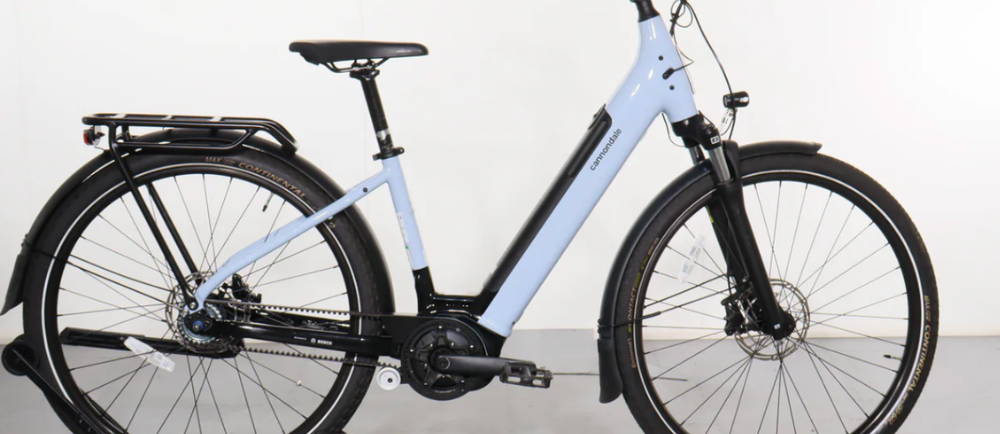
A comfortable city e-Bike shouldn't feel out of its element once the commute gets longer or the road turns uphill. That's where the Cannondale Mavaro Neo stands out. It combines an upright riding position, Bosch mid-drive power, practical commuter equipment, and one feature you don't often see on city bikes: Cannondale’s HeadShok suspension.
Cannondale has sold several Mavaro Neo generations, while newer U.S. models are simply called Mavaro 1, 2, and 3. The motor, battery, drivetrain, and electronics vary enough that the model year matters when you're shopping used.
In this blog, I'll look at how the Mavaro Neo rides, how the different versions compare, and what I'd inspect before buying a used one on the Marketplace or a certified pre-owned one on Upway.
👋 Welcome to Upway!
Upway is your top destination for buying and selling e-Bikes online. Discover your next e-Bike at up to 60% off retail prices, available in new or like-new condition.
Table of Contents
The Mavaro Neo is built for everyday comfort
The Mavaro’s riding position tells you exactly what Cannondale had in mind. Swept-back handlebars, a low-step frame, wide tires, and a suspension seatpost all reduce the little annoyances that add up during daily riding. It's built for commuting, errands, recreational rides, and replacing short car trips, not for pretending to be a mountain bike.
Cannondale also includes the equipment that many riders end up adding anyway. Full fenders help on wet streets, integrated lights improve visibility, and the rear rack is ready for panniers, groceries, or work gear. The result isn’t flashy. It just makes everyday riding easier.
The Mavaro should feel most convincing after the first half hour, when an upright position and a little suspension start mattering more than a quick parking-lot impression. On a route with aged bike lanes, frequent stops, and a few hills, the motor, HeadShok fork, suspension seatpost, and wide tires are all working toward the same goal. You arrive feeling less like you spent the ride bracing against the bike. That's more useful to me than a commuter that feels quick for five minutes but wears you down over an hour.
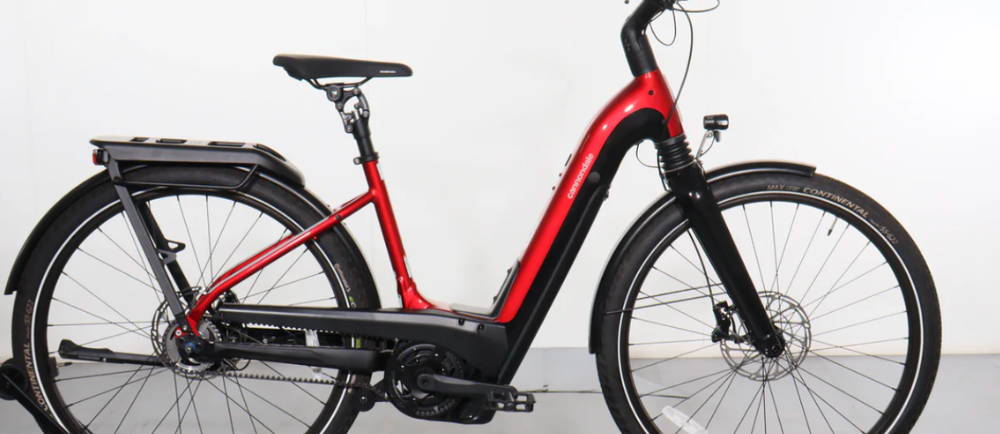
Cannondale Mavaro models vary by year and build
One mistake I see when people shop used is assuming every Mavaro Neo is basically the same bike. They’re not. Older models may use Bosch PowerPack batteries, Active Line Plus motors, Shimano derailleur drivetrains, or Shimano Nexus internal hubs.
Newer versions moved toward integrated PowerTube batteries, Bosch Smart System electronics, Gates belt drives on some trims, Enviolo continuously variable hubs, larger batteries, and optional rear-facing radar.
The current lineup generally looks like this:
- Mavaro 1: Bosch Performance Line Speed, 750Wh battery, pedal assist to 28 mph, and a range of up to 108 miles.
- Mavaro 2: Bosch Performance Line motor with a claimed range of up to 87 miles.
- Mavaro 3: Bosch Active Line Plus motor with a claimed range of up to 70 miles.
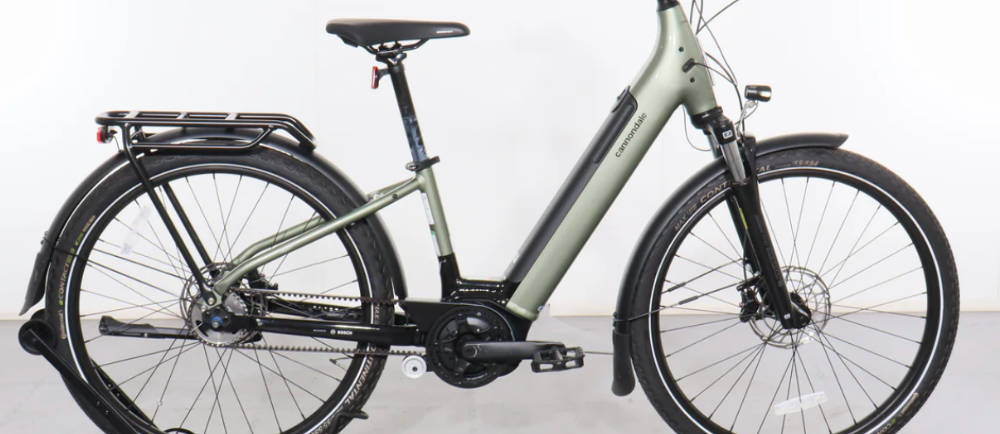
Real-world range depends on terrain, rider weight, weather, tire pressure, cargo, and the level of assistance.
The Mavaro 1 isn't automatically the best choice. Its 28-mph assistance and large battery make sense for long suburban commutes, but the Mavaro 3 may be the better bike for slower city routes, bike paths, and riders who don't need Class 3 speeds. The middle model fills the space between those two jobs.
Before comparing prices, I’d confirm the model year, Bosch motor, battery size, drivetrain, and display. Those details matter much more than the number printed on the frame.
Bosch motors and drivetrain options
The Bosch system is one of the biggest differences between Mavaro models.
- Active Line Plus feels quiet and natural around town. It’s a good fit for flatter neighborhoods, bike paths, and daily commuting.
- Performance Line adds stronger assistance for hills, cargo, and longer rides.
- Performance Line Speed extends pedal assist to 28 mph, where Class 3 e-Bikes are allowed. That's useful if your commute includes faster suburban roads, but it also puts more importance on brakes, tires, and visibility.
Drivetrains vary, too. Some Mavaro Neo models use a conventional Shimano derailleur. Others pair a Gates carbon belt with either a Shimano Nexus hub or an Enviolo continuously variable transmission. A belt drive stays cleaner and needs less routine maintenance. Internal hubs also let you shift while stopped, which is handy at traffic lights. A derailleur is simpler, more familiar, and often less expensive to service.
I'd match the bike to your commute rather than automatically buying the highest-spec version.
HeadShok suspension softens rough streets
The HeadShok fork is the part that gives the Mavaro its own personality. Instead of using a conventional suspension fork, the suspension mechanism sits inside the head tube. You don't get mountain-bike travel, but you don't need it. The goal is to smooth out potholes, rough pavement, and curb transitions without making the steering feel too bumpy. Combined with the suspension seatpost and upright position, it makes long rides noticeably less tiring.
Some higher-end versions also include the Garmin Varia rear-facing radar, which alerts you to approaching traffic. It won't replace a shoulder check, but another warning about a fast-approaching car is useful.
What to inspect before buying a used Mavaro Neo
A Mavaro can accumulate thousands of commuter miles without looking heavily used, so I'd worry less about paint chips than a worn battery or neglected HeadShok.
| Mavaro Neo area to check | What I'd want to know |
|---|---|
| Bosch motor and display | Smooth assistance, no error codes or unusual noises. |
| Battery and charger | Correct battery, healthy charging, original Bosch charger. |
| HeadShok fork | Smooth movement with no knocking or play. |
| Suspension seatpost | No excessive movement or corrosion. |
| Belt or chain | Proper wear and adjustment. |
| Internal hub or derailleur | Smooth shifting through the full range. |
| Hydraulic brakes | Pad life, rotor wear, lever feel, stopping power. |
| Wheels and tires | Loose spokes, rim damage, worn tread, or sidewall cuts. |
| Rack, lights, and fenders | Secure mounting and working electronics. |
| Radar, if equipped | Confirm all safety electronics function properly. |
I'd also ask whether the HeadShok has ever been serviced. It's one of the Mavaro’s signature features, but not every shop works on Cannondale's proprietary suspension.
Buying a certified pre-owned Cannondale Mavaro Neo on Upway
The Mavaro combines several expensive systems on one bike: Bosch electronics, hydraulic brakes, HeadShok suspension, integrated lighting, and, on some models, Gates belts, Enviolo hubs, or Garmin radar.
Shopping online with Upway makes it easier to compare battery size, motor, drivetrain, mileage, and overall condition before buying. And every certified pre-owned e-Bike also goes through a 50-point inspection and includes a 1-year limited warranty and a 14-day return period.
Frequently Asked Questions
Is the Cannondale Mavaro Neo a good commuter e-Bike?
What is the difference between Cannondale Mavaro models?
The biggest differences are the Bosch motor, battery size, drivetrain, assisted speed, and electronics. Be sure to verify the exact model year when buying used.
How far can a Cannondale Mavaro Neo go?
Depending on the model, Cannondale claims a range from roughly 70 miles to 108 miles under ideal conditions. Real-world range depends on terrain, weather, cargo, rider weight, and the level of assistance.
Key Takeaways
- The Cannondale Mavaro Neo is a comfort-focused city e-Bike built around Bosch power, HeadShok suspension, and practical commuter equipment.
- Different model years use different Bosch motors, batteries, drivetrains, and electronics, so verify the exact specifications before buying.
- On a used Mavaro Neo, inspect the Bosch system, battery, HeadShok fork, brakes, drivetrain, wheels, and commuter accessories.