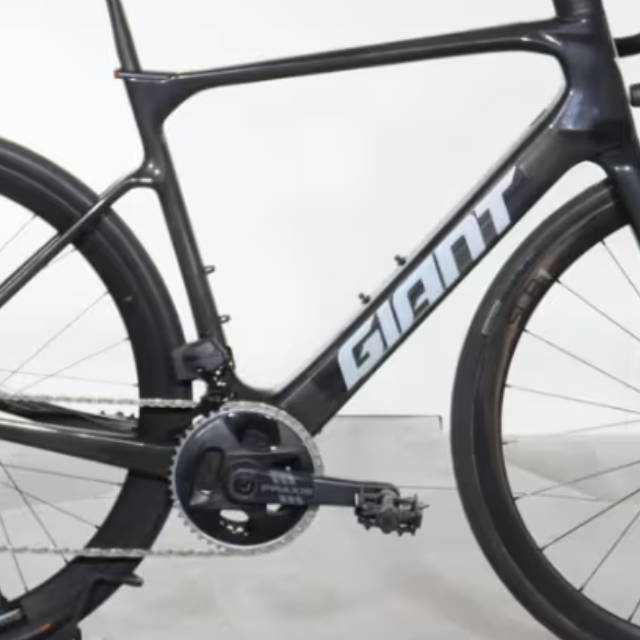
BULLS lists the Bosch-powered Grinder EVO at about 52 pounds. The Grinder EVO Lite is considerably lighter at roughly 36 pounds, largely because it uses a smaller Fazua system and rigid carbon fork instead of the Bosch system and suspension fork.
BULLS Grinder EVO Review: Class 3 Gravel E-Bike
Written by: Chris Van Leuven | August 18, 2026 | Time to read: 6-7 min
Read our BULLS Grinder EVO review comparing the Bosch Grinder EVO and Grinder EVO Lite, including gravel performance, bikepacking potential, specs, and used buying tips.

More about the Author: Chris Van Leuven
Chris is a writer, climber, and founder of Yosemite E-Biking in Mariposa, CA. When he’s not tackling Sierra Foothills trails or scaling rock walls, he’s crafting adventure stories with his boxer, Fenster. His work has appeared in Outside, Men’s Journal, Gripped, and Best American Sports Writing.
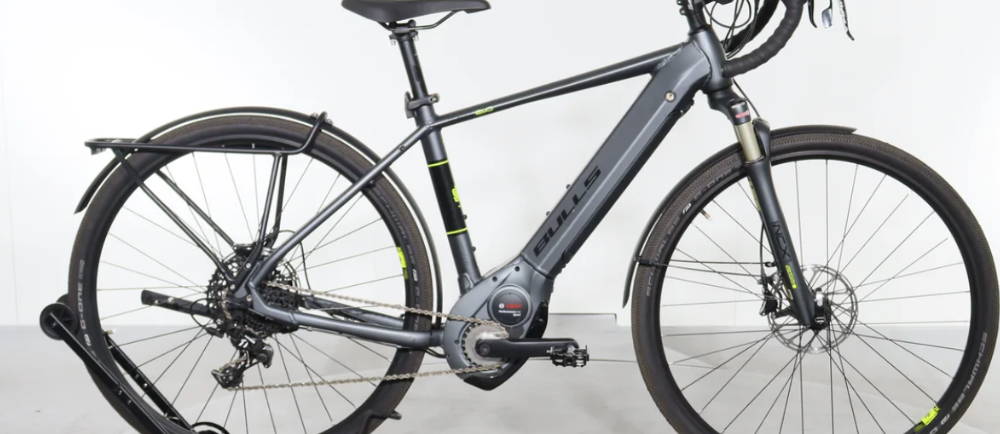
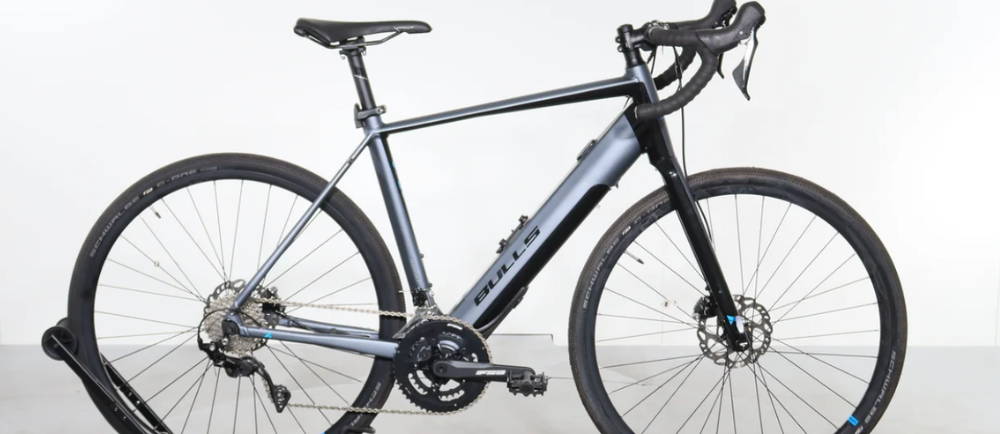
The BULLS Grinder EVO is tricky to pin down, and that’s most likely its biggest strength. Sure, it has drop bars, 40mm gravel tires, and an SRAM Apex drivetrain, but there’s also a 63mm suspension fork and a Bosch Performance Line Speed motor that provides pedal assistance up to 28 mph. Add a rack and fender capability, and this isn’t just a gravele-Bike. It can commute, cover long paved miles, handle rough backroads, and still remain comfortable when the route leaves the asphalt behind.
There’s also a Grinder EVO Lite, but despite the similar name, it’s a very different bike. I’ll get into that below, along with where the Bosch-powered Grinder EVO fits best and what matters when shopping for one on Marketplace, from a private seller or looking at certified pre-owned models on Upway.
👋 Welcome to Upway!
Upway is your top destination for buying and selling e-Bikes online. Discover your next e-Bike at up to 60% off retail prices, available in new or like-new condition.
Table of Contents
Why the Grinder EVO Works Across So Many Surfaces
Many gravel e-Bikes rely almost entirely on tire volume for comfort. The Grinder EVO adds a 63mm SR Suntour NCX-E air fork, which changes what you can reasonably ask of it. Sixty-three millimeters isn’t mountain-bike travel, and I wouldn’t pretend it is. But it’s enough to take some of the harshness out of washboard gravel, broken pavement, potholes, and rough dirt roads. That matters on a bike that may spend one hour on asphalt and the next on a county road that hasn’t seen fresh grading in years.
The Schwalbe G-One RaceGuard 700×40 tires reinforce that all-road personality. They’re wide enough to add grip and comfort on gravel without making the bike feel out of place on pavement. The drop bars are an important part of the equation, too. Multiple hand positions matter when rides get longer, especially if you’re coming from road or gravel riding rather than upright commuting. The Grinder EVO retains the familiar riding feel while adding the extra comfort and assistance of an e-Bike.
At roughly 52 pounds, it’s heavy compared with a traditional gravel bike. But that comparison only goes so far. You’re also carrying a Bosch speed motor, an integrated battery, suspension, hydraulic brakes, and commuter-ready hardware. I wouldn’t think of the Grinder EVO as a lightweight gravel bike with a motor added. It’s closer to an all-road bike built around longer, faster rides where the surface can change several times before you get home.
What the Bosch System Adds
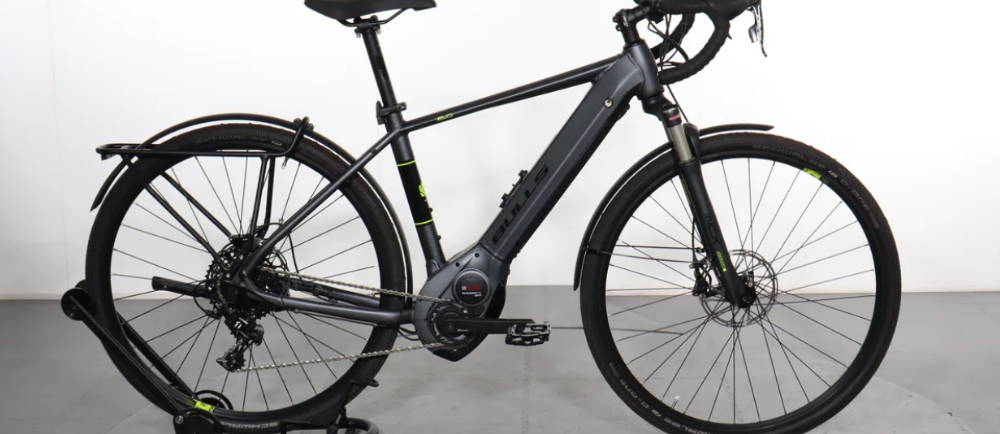
The Bosch motor is what sets the Grinder EVO apart from lighter electric gravel bikes. BULLS uses the Performance Line Speed Gen2 system, which provides Class 3 pedal assistance up to 28 mph. BULLS lists the System 2 motor at 73 Nm of torque, paired with a 500 Wh Bosch PowerTube battery and a Purion display. Charging time is listed at roughly 4.5 hours with the 4A charger.
That extra speed is useful in a different way here than it is on a pure commuter. On a mixed ride, you might spend 15 miles on pavement before reaching the gravel you actually came for. Class 3 assistance makes those connecting miles easier to cover without turning them into the main event.
The SRAM Apex 11-speed drivetrain fits that idea well. The 11–42T cassette gives you usable climbing range, while SRAM Apex HRD hydraulic disc brakes with 160mm rotors handle stopping duties. Nothing about that setup appears overly fancy. That’s a good thing. Apex is a familiar gravel drivetrain, hydraulic discs make sense on a bike this heavy and fast, and the Bosch system is widely supported.
The Grinder EVO still asks you to ride it like a bike. You shift, manage cadence, pick lines, and decide how much assistance you want. The motor gives you more options without changing the basic gravel-bike setup.
Grinder EVO vs. Grinder EVO Lite
The similar names hide a pretty big difference:
| Feature | Grinder EVO | Grinder EVO Lite |
|---|---|---|
| Motor | Bosch Performance Line Speed Gen2 | Fazua Evation Black Pepper |
| Assisted Speed | Class 3, up to 28 mph | Class 1, up to 20 mph |
| Battery | Bosch PowerTube 500Wh | 255Wh |
| Fork | SR Suntour air, 63mm travel | BULLS carbon rigid fork |
| Drivetrain | SRAM Apex 11-speed | Shimano 105 2×11 |
| Tires | Schwalbe G-One RaceGuard 700×40 | Schwalbe G-One Allround 700×38 |
| Weight | About 52 lb | About 36 lb |
| Best For | Speed, rougher gravel, commuting, mixed-surface distance | Lighter road and gravel feel, fitness riding, subtler assistance |
The Grinder EVO Lite is almost the opposite interpretation of an electric gravel bike. BULLS lists it at roughly 36 pounds, with a Fazua Evation motor, a 255Wh battery, a carbon fork, a Shimano 105 drivetrain, and assistance up to 20 mph.
That 16-pound difference is significant. If you’re coming from a traditional gravel or road bike and want the e-Bike part to stay as subtle as possible, the Lite makes more sense. The Bosch Grinder EVO goes the other direction. The larger battery, suspension fork, and 28-mph assistance make more sense for longer outings, rougher gravel, steeper climbs, and commuting.
These aren’t two trims of the same bike. The choice comes down to whether you value lighter weight and a more traditional gravel-bike feel or more motor, battery, and suspension.
Where the Grinder EVO Makes the Most Sense
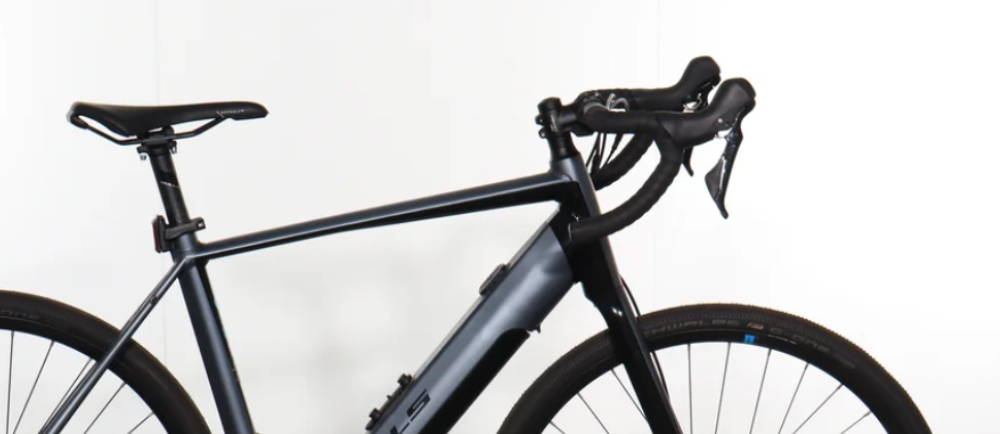
The Grinder EVO gets more interesting the less predictable your route becomes. It’s easy to ride for a fast commute during the week and a 50-mile mixed-surface ride on Saturday. A bike path can turn into gravel. A gravel road can dump you onto pavement. A long climb can show up when you’re already 30 miles from home. That’s where the combination of drop bars, 40mm tires, suspension, Bosch power, and a 500Wh battery earns its keep.
I’d look at it for:
- Long mixed-surface and bikepacking rides that combine pavement and gravel
- Fast commuting with rough-road or dirt-road options
- Riders who want drop bars but more comfort than a stiff road e-Bike
- Anyone who likes building routes instead of sticking to one type of terrain
I’d look elsewhere if nearly all your riding happens on smooth pavement. In that case, the suspension fork and 40mm tires are probably more bike than you need. And despite the fork, this still isn’t an e-MTB. Technical singletrack, larger rocks, drops, and rough trail descents call for more suspension and different geometry.
Buying Certified Pre-Owned on Upway
The Grinder EVO has enough going on mechanically and electrically that a professional inspection is important. That’s why every e-Bike Upway sells goes through a 50-point inspection. Its online listings include bike-specific information such as model year, mileage, frame size, battery details, drivetrain components, overall condition, and inspection findings. Upway also diagnoses the battery, motor, and display, repairs or replaces components that don’t meet its standards, updates software when applicable, and completes a test ride and final quality-control check.
That takes a lot of the guesswork out of comparing used bikes. Two Grinder EVOs with similar mileage can have very different histories, and knowing more about the battery and mechanical condition is considerably more useful than trying to make that call from a few marketplace photos.
Certified pre-owned e-Bikes also include a 1-year warranty and 14-day test ride policy, offering another layer of protection when you’re buying a used Bosch-powered e-Bike.
Frequently Asked Questions
How much does the BULLS Grinder EVO weigh?
Can the Grinder EVO handle bikepacking?
Yes, particularly on mixed-surface bikepacking routes. The 500Wh battery, 700×40 gravel tires, suspension fork, drop bars, and rack capability make sense for trips that combine pavement and gravel. Battery range will still depend heavily on load, terrain, assist level, and speed.
Is the Grinder EVO closer to a road bike or an e-MTB?
It’s much closer to a gravel or all-road bike. The drop bars, SRAM Apex drivetrain, and 700C wheels keep the road and gravel foundation intact, while the 63mm suspension fork and Bosch motor add comfort and capability when the surface gets rough.
Key Takeaways
- The Grinder EVO combines drop bars and 700×40 gravel tires with a 63mm suspension fork and Class 3 Bosch power, giving it more rough-road capability than a typical electric road bike.
- The Grinder EVO Lite is a very different proposition: roughly 16 pounds lighter, with a smaller Fazua system and rigid carbon fork for riders who want something closer to a traditional gravel bike.
- On a used Grinder EVO, battery health, fork condition, drivetrain wear, brakes, and wheels matter more than cosmetic scratches or mileage alone.
There is more to Explore
Visit below articles for more info about electric bikes