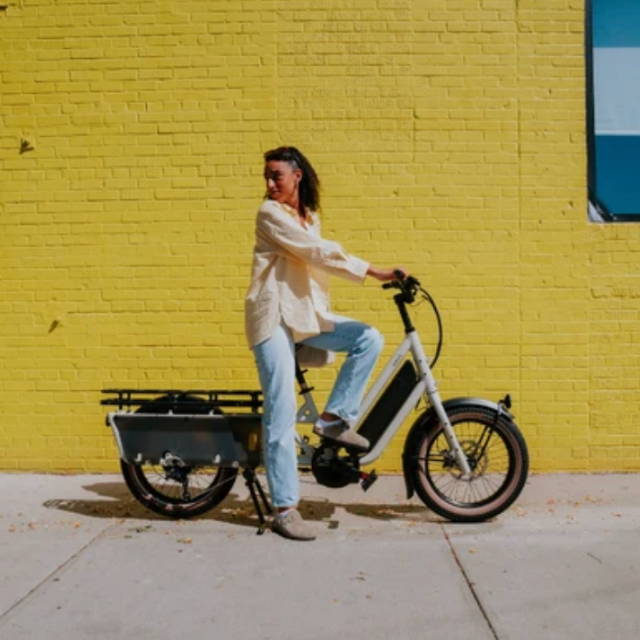
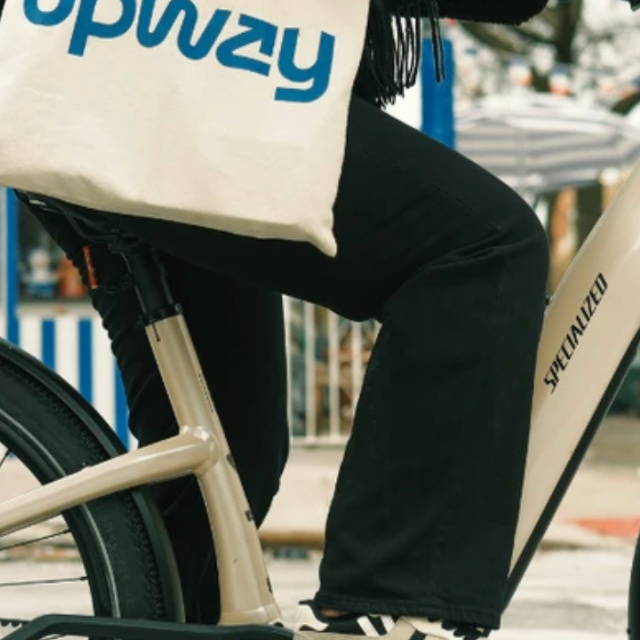
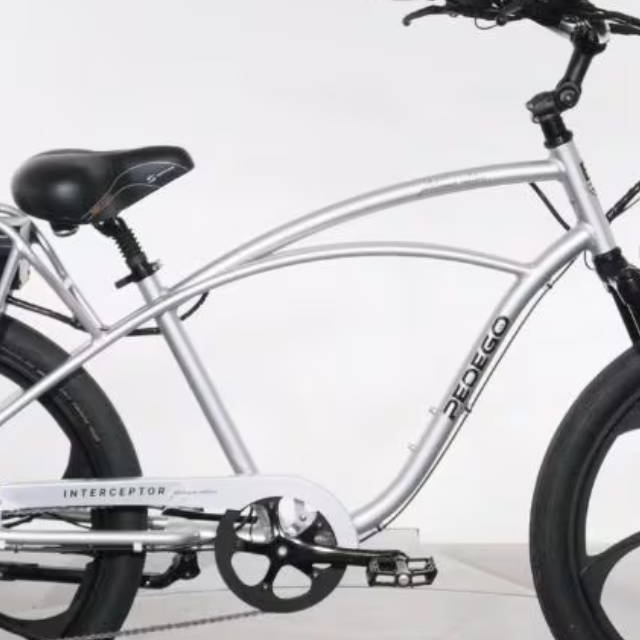
Not always. A commuter e-Bike with a rear rack and panniers can handle lighter grocery trips. If you’re bringing home a full cart or regularly carrying heavier loads, a cargo e-Bike gives you much more room to work with.
Can You Take an E-Bike Grocery Shopping? Top Tips
Written by: Chris Van Leuven | September 20, 2026 | Time to read 6-7 min
Can you take an e-Bike grocery shopping? Compare commuter, utility, and cargo e-Bikes from Specialized, Cannondale, Momentum, Aventon, and Lectric, plus practical grocery-hauling tips.

More about the Author: Chris Van Leuven
Chris is a writer, climber, and founder of Yosemite E-Biking in Mariposa, CA. When he’s not tackling Sierra Foothills trails or scaling rock walls, he’s crafting adventure stories with his boxer, Fenster. His work has appeared in Outside, Men’s Journal, Gripped, and Best American Sports Writing.
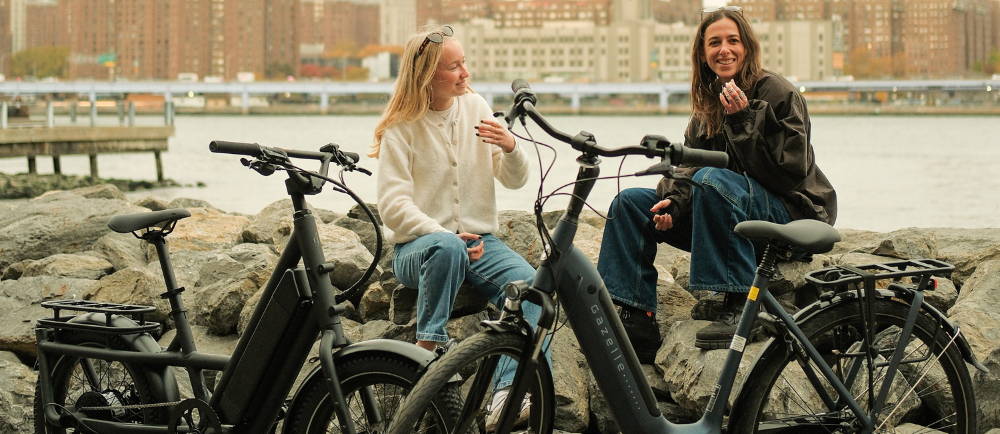
The simple answer is yes! How much you’re buying will determine the type of e-Bike you’ll want, of course. A commuter with panniers can handle a lighter grocery run. For a full cart, a cargo e-Bike makes a lot more sense. I use an Aventon Abound and have loaded it enough to get funny looks in the parking lot, sometimes with Gatorade bottles draped over the rear carrier. Then I throttle the whole load home up a huge hill. It may not look elegant, but it works.
In this blog, I’ll cover e-Bikes that work for different grocery runs, how to carry the load, and what changes once you’re riding home with a week’s worth of food.
👋 Welcome to Upway!
Upway is your top destination for buying and selling e-Bikes online. Discover your next e-Bike at up to 60% off retail prices, available in new or like-new condition.
Table of Contents
Match the E-Bike to the Grocery Run
You don’t necessarily need a cargo e-Bike to buy groceries. If you’re stopping for a few things on the way home, a commuter e-Bike with a rear rack and panniers may be plenty. Add a front basket, and there’s somewhere to put bread, fruit, or anything else you don’t want buried under the heavy stuff. A full grocery run is different.
Juice, drinks, canned food, fruit, vegetables, and everything else in the cart get heavy quickly. They’re also delicate. That’s where a cargo e-Bike makes more sense. Cargo bikes give you more room for large panniers, baskets, crates, and other storage. Many also have sturdy kickstands and racks designed to carry considerably more load than a typical commuter rack. But before getting too deep into motor specs, think about how you actually shop. A couple of bags on the way home from work and a week’s worth of groceries are different jobs.
E-Bikes That Work for Grocery Shopping
There’s plenty of room between a commuter and a full-size cargo bike. These five models show some of the options.
| Brand and model | Bike style | Motor | Rack/cargo setup |
|---|---|---|---|
| Specialized Turbo Vado 3.0 IGH | Commuter | 250W mid-drive | Integrated rear rack, 59.5-lb limit |
| Cannondale Tesoro Neo SL EQ | Lightweight commuter | 250W rear hub | Equipped for racks and everyday carrying |
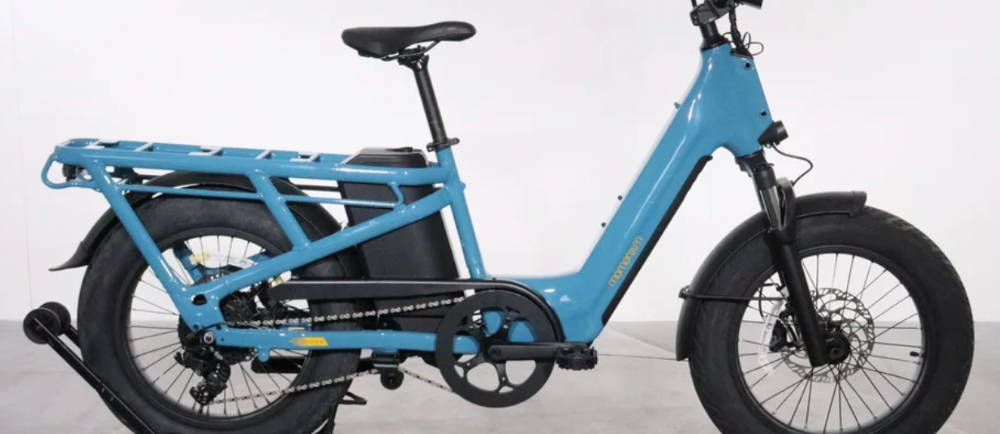
| Momentum Cito E+ | Utility | 250W mid-drive | Heavy-duty rear rack, 132-lb limit |
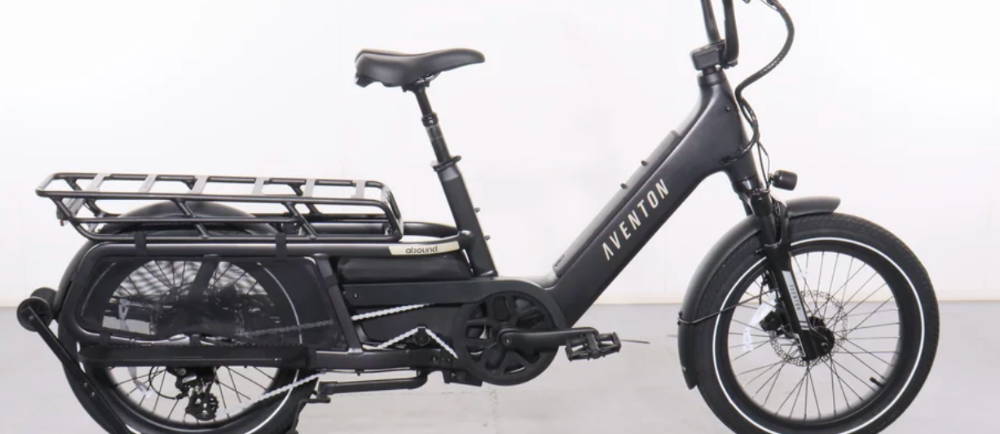
| Aventon Abound LR | Longtail cargo | 750W rear hub | Long rear deck, 143-lb rack limit |
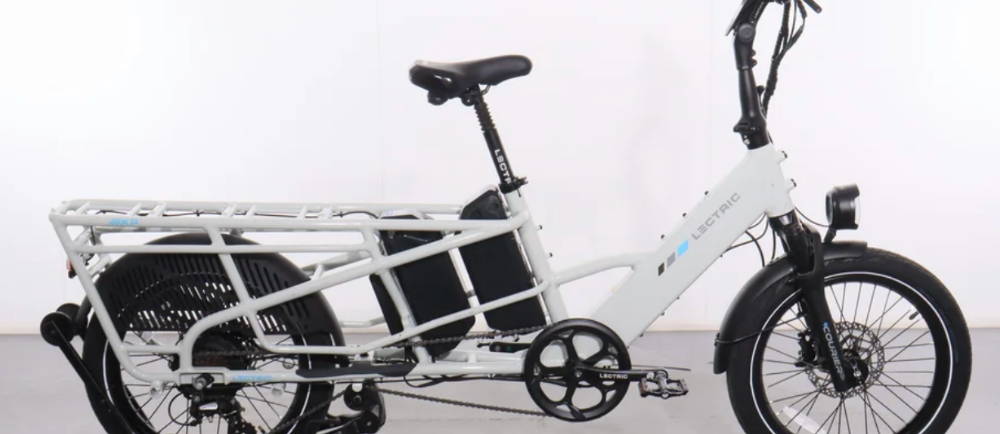
| Lectric XPedition 2.0 | Longtail cargo | 750W rear hub | Long integrated rear rack, up to 300 lbs |
The Specialized Turbo Vado 3.0 IGH shows how far a regular commuter can go. Its 250W Specialized 2.0E mid-drive is paired with an integrated MIK HD rear rack rated for 27 kg, or about 59.5 pounds. Add panniers, and there’s plenty to work with for a lighter grocery run.
The Cannondale Tesoro Neo SL EQ takes a lighter approach. Its Mahle X35 system uses a 250W rear-hub motor, and the bike comes equipped for commuting and more. Grocery shopping doesn’t have to be its main job.
The Momentum Cito E+ moves into utility-bike territory. Its 250W SyncDrive Sport mid-drive is paired with a much heavier-duty cargo setup, including a rear rack rated for 132 pounds. That’s a substantial step up from a typical commuter rack without moving to a full longtail.
Then there are the Aventon Abound LR and Lectric XPedition 2.0. Both use 750W rear-hub motors and long rear cargo areas. Aventon rates the Abound LR’s rear rack for 143 pounds, while Lectric rates the XPedition 2.0’s integrated rear rack for up to 300 pounds.
The wattage numbers don’t tell the whole story. Motor type, gearing, torque, bike weight, and how the power is delivered all matter. The bigger distinction here is what the bike is built to carry.
Set Up the Bike for Groceries
The bike is only part of the setup. You still need somewhere to put the food. For heavier groceries, panniers or cargo bags work well because they keep juice, cans, sports drinks, jars, and other dense items lower on the bike instead of piling everything on top of the rear rack. A basket or crate is useful for grocery bags you want to drop in and go. A front basket works well for bread, chips, berries, or anything else you’d rather not crush.
A backpack is fine for a few light items, but carrying 20 pounds of food on your back doesn’t make much sense when the bike can carry it instead. A bike trailer is another option for occasional bigger loads. You can use e-Bikes with trailers as long as you choose the right hitch for the bike and trailer.
For a regular grocery setup, panniers, a basket or crate, and a good lock cover a lot of ground. A sturdy center kickstand is surprisingly useful too, since loading a heavy bike is easier when you’re not trying to hold it upright at the same time. And skip the grocery bags hanging from the handlebars since they can swing around, interfere with steering, and get too close to the front wheel.
Pack for the Ride Home
The cashier packs your groceries for the parking lot; once outside, you pack them for the ride home. Keep heavy items low in panniers or cargo bags. Fruit and vegetables can ride higher, while eggs, bread, and chips need some protection from everything underneath them. For a longer trip, an insulated bag is great for frozen and refrigerated food.
There’s no need to make each side perfectly even. But if you put heavy items in one pannier and bread and lettuce in the other, you’ll notice. Spread the heavier groceries around and keep them low. Delicate food goes on top. And strap down anything sitting on an open rack. Before leaving the parking lot, give everything a quick check. It’s easier to move a couple of cans around there than after the first hard turn.
🤝 Why you can trust us for buying an e-Bike?
- Great prices: Get your next e-Bike for up to 60% off retail prices, in new or like-new conditions.
- Quality Guaranteed: Every e-Bike is rigorously certified by a team of professional mechanics, and comes with a 1-year warranty.
- Delivered to Your Door: Delivered to your home within a week. Change your mind? Return it thanks to our 14-day return policy.
🚲 We also buy e-Bikes. Click here for an estimation!
Riding a Loaded E-Bike
The motor can hide how much weight you’re carrying. The brakes won’t. Give yourself more room to stop with a loaded bike, especially in traffic or on a downhill. The bike can feel different through corners too, particularly when most of the weight is behind the rider. That’s why hydraulic disc brakes are worth looking for if you regularly carry heavy grocery loads.
Then there are hills. A throttle can be useful here if the bike has one and local laws allow it. On a heavily loaded Aventon Abound, I’ve found it particularly useful for the steep climb home from the grocery store. And remember, a heavier load can also cut into battery range. Hills, wind, stop-and-go traffic, low tire pressure, and higher assist levels all add to that. On a short grocery run, it may not matter, but if the store is farther away and down a steep hill, save some battery for the loaded ride home. Watch tire pressure, too. A soft rear tire becomes a much bigger problem once you add groceries.
Plan the Grocery Run
After a few grocery trips by e-Bike, the route matters almost as much as the distance. The shortest way home isn’t always the best choice with a loaded bike, and a slightly longer route with a quieter road or bike lane can be worth it, particularly when the alternative is heavy traffic. Parking matters too. Look for somewhere you can lock the frame securely, and consider removable panniers that can come into the grocery store rather than staying on the bike.
Think about heavy items before filling the cart. Drinks are a good example. A few large bottles don’t look like much in the store, but they take up space and add weight quickly once you’re loading the bike. With a commuter, that may mean keeping the grocery run relatively small. A cargo bike leaves much more room to work with.
Buy a Grocery-Ready E-Bike on Upway
If grocery shopping will be one of the bike’s regular jobs, don’t get too hung up on top speed or the biggest motor. Look at the rack and what it’s rated to carry. Check whether panniers will fit, what kind of brakes the bike has, and whether there are good options for adding a basket or other cargo accessories.
Upway carries certified pre-owned e-Bikes across commuter and cargo categories, so a grocery bike doesn’t necessarily have to be a longtail. Upway’s existing grocery guide also makes that distinction: lighter grocery loads can work on a commuter, while compact cargo and longtail bikes make more sense as the job gets bigger.
Every Upway e-Bike goes through a 50-point inspection before it’s listed, and buying pre-owned can also leave room in the budget for panniers, a basket, and a good lock.
Frequently Asked Questions
Do you need a cargo e-Bike for grocery shopping?
What’s the best way to transport groceries on an e-Bike?
Panniers, cargo bags, baskets, crates, and racks all work. Keep heavier groceries low, spread the weight between both sides of the bike, protect eggs and bread, and secure anything that can move.
Can you use an e-Bike throttle while carrying groceries?
If the bike has a throttle and throttle use is legal where you’re riding, it’s useful with a heavy load or on a climb. Throttle availability varies by bike, and local e-Bike regulations vary as well.
Key Takeaways
- Match the bike to the grocery run. A commuter can handle a few bags, while utility and cargo e-Bikes make more sense as the loads get bigger.
- Pack for the ride home. Keep heavy food low, balance the load, protect delicate groceries, and secure anything that can move.
- Don’t forget the ride itself. Hills, traffic, braking, parking, tire pressure, and battery use all become more noticeable once the bike is loaded.