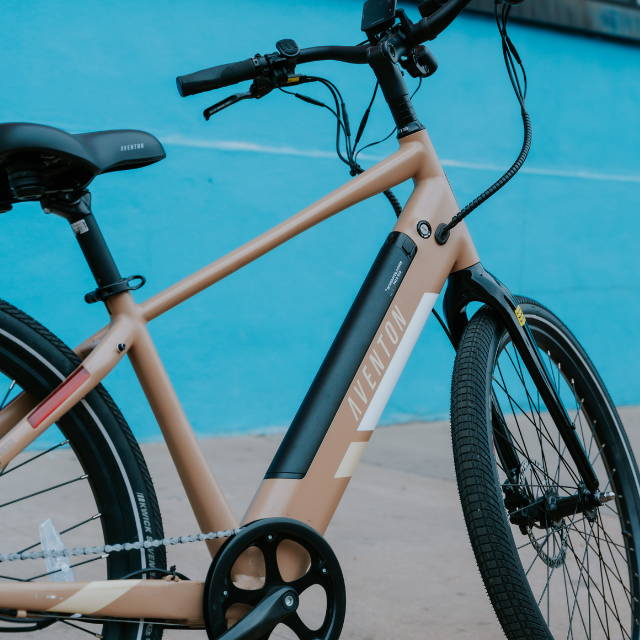
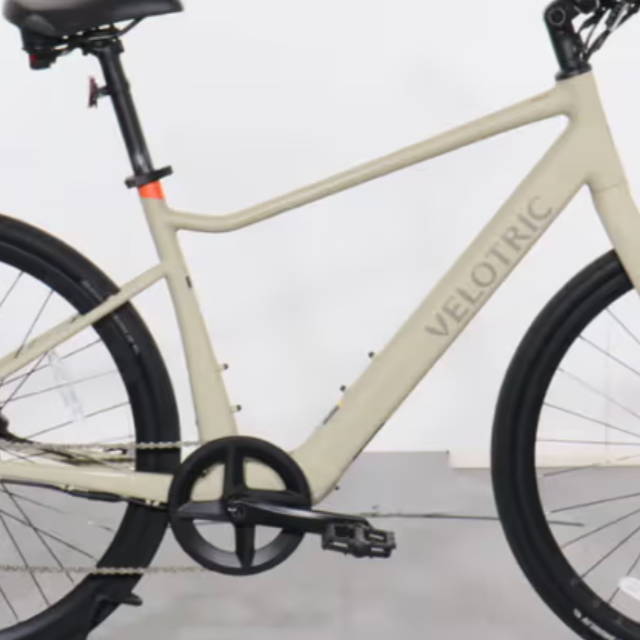
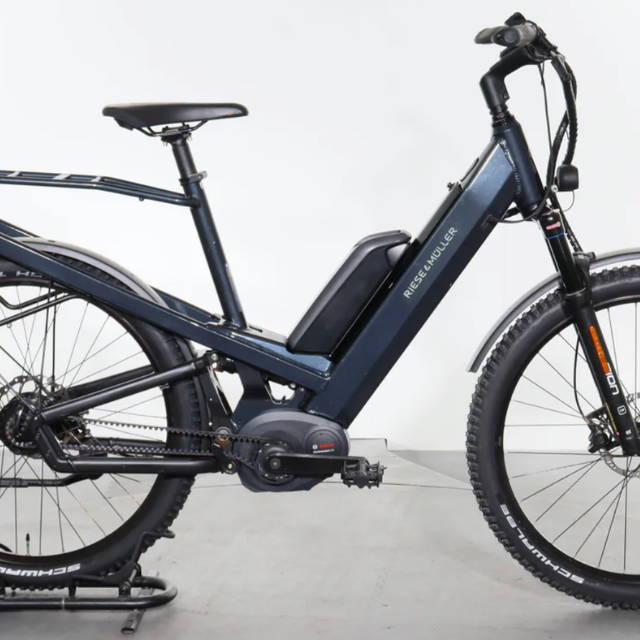
For most riders, it is a compact cargo bike or short-tail cargo e-Bike. That style gives you noticeably better carrying ability and low-speed stability than a standard commuter bike without the full size of a huge front-loader.
Best Electric Bike For Getting Groceries: Pannier Picks
Written by: Chris Van Leuven | March 25, 2026 | Time to read: 6 min
What’s the best electric bike for getting groceries? We explain which cargo e-Bike styles work best for errands, grocery runs, and everyday hauling.

More about the Author: Chris Van Leuven
Chris is a writer, climber, and founder of Yosemite E-Biking in Mariposa, CA. When he’s not tackling Sierra Foothills trails or scaling rock walls, he’s crafting adventure stories with his boxer, Fenster. His work has appeared in Outside, Men’s Journal, Gripped, and Best American Sports Writing.
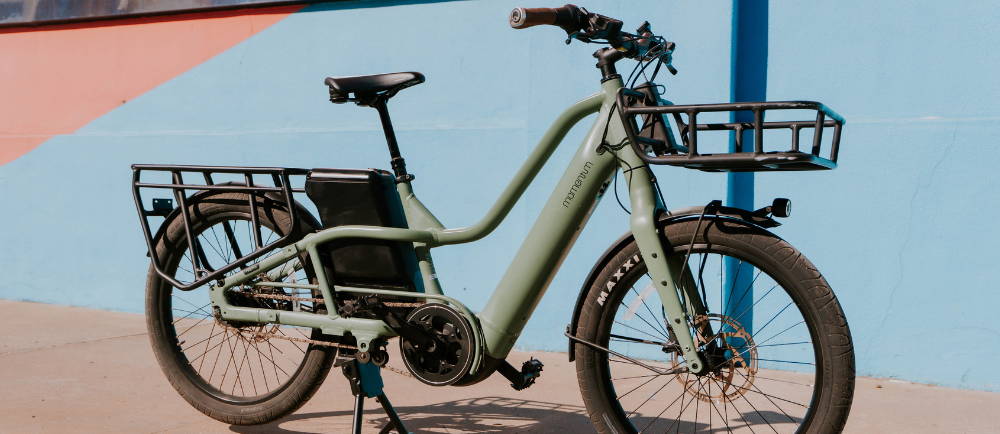
When you think of grocery runs by e-Bike, oversized cargo bikes might spring to mind. But for many riders, the best grocery bike is the one that feels steady at low speed, carries bags securely, parks easily, and keeps quick store trips simple instead of turning them into a production.
For most grocery trips, a compact cargo bike makes the most sense. That kind of bike gives you real rack space, room for panniers, a step-through frame, and enough motor support to stay powerful when loaded.
Price matters too. Cargo bikes are useful, but they cost more than many other electric bikes. That's why shopping for certified pre-owned e-Bikes on Upway opens up better options than paying full price.
In this blog, you’ll learn what makes an electric cargo bike great for grocery runs, which styles make the most sense for different kinds of errands, and which current models are worth a closer look.
👋 Welcome to Upway!
Upway is your top destination for buying and selling e-Bikes online. Discover your next e-Bike at up to 60% off retail prices, available in new or like-new condition.
Table of Contents
What makes an e-Bike good for getting groceries?
Groceries change the ride more than people expect. Once you add several bags, big bottles, or a week’s worth of food, the big issue is not just motor power. It is stability, carrying setup, and how the bike feels at low speeds when loaded.
The features that matter most are:
- A real cargo setup, not just a token rear rack
- Enough rack and bag space for panniers or baskets
- Hydraulic brakes
- Steady low-speed handling
- A useful payload
- Enough battery and motor support for hills and stop-and-go riding
- Step-through access
- Accessories that make daily hauling simpler
That is why cargo-bike tests focus on weight capacity, braking, comfort, pedal-assist, and range rather than just top speed. The best grocery bikes are usually the ones that feel stable, predictable, and practical when loaded. That’s why cargo bikes are sorted into categories by purpose, emphasizing longtails, front-loaders, and compact utility bikes based on what you need to carry.

The best type of e-Bike for most grocery runs
For most people, the best electric bike for grocery shopping is a compact cargo bike. These offer more carrying capacity than a typical commuter bike, but they do not feel as long or cumbersome as a full-size front-loader. It is easier to store, park, and live with if you use it for errands, grocery trips, and regular commutes.
That also lines up with how the cargo category is usually broken down. Front-loading bikes make more sense for bulky loads and bigger hauling jobs. Longtails are great once groceries start mixing with kids or gear. Compact or utility cargo bikes are often the easiest answer for urban errands and everyday store runs.
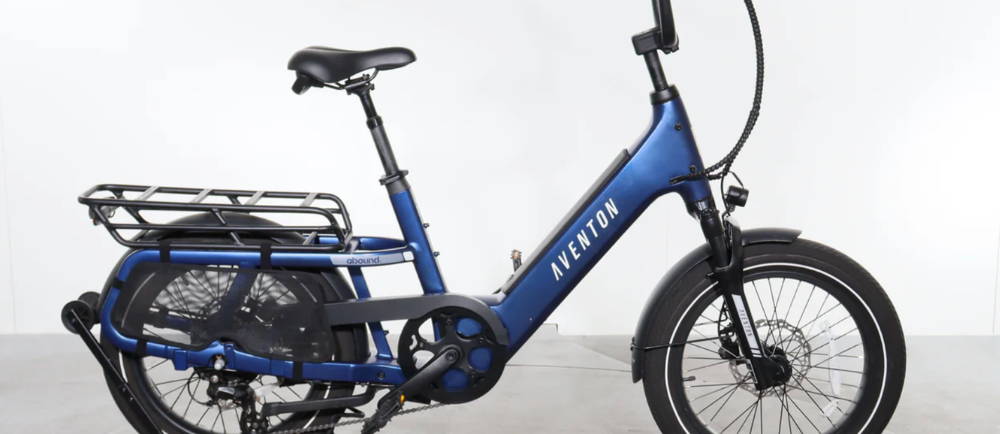
A few current bikes show why this category works so well. Models like the Aventon Abound SR, Momentum PakYak E+, and RadRunner 2 all point toward the same idea: You get real grocery-hauling utility without jumping straight to a full longtail. They keep the carrying setup practical and the day-to-day ownership a little easier.
If your usual store run looks like this:
- Two to four grocery bags
- A backpack plus panniers
- One weekly run and a few quick midweek stops
- Some hills, traffic lights, and parking headaches
A compact cargo e-Bike usually makes the most sense for that kind of shopping routine because it offers more carrying capacity without the size and hassle of a full longtail.

When a longtail cargo e-Bike is worth it
A longtail starts to make more sense when groceries are not the only thing you are carrying.
If you are mixing:
- Getting groceries
- Transporting kids
- Carrying pet gear
- Hauling work supplies
- Climbing hills
- Doing bigger weekly grocery runs
The extra rear platform, carrying stability, and accessory range are usually worth it.
This is where bikes like the Tern GSD really separate themselves. It is the kind of bike that makes sense once groceries are only part of the job and you also need room for kids, gear, or bigger weekly loads. Longtails are also easier to navigate in tighter spaces than front-loaders while still giving you serious rear-rack carrying ability.
A longtail is not the best answer for everyone. It is bigger, heavier, and more expensive. But if you want your grocery getter to replace more car trips and not just handle one tote bag and a few other items, this is where the category makes sense.
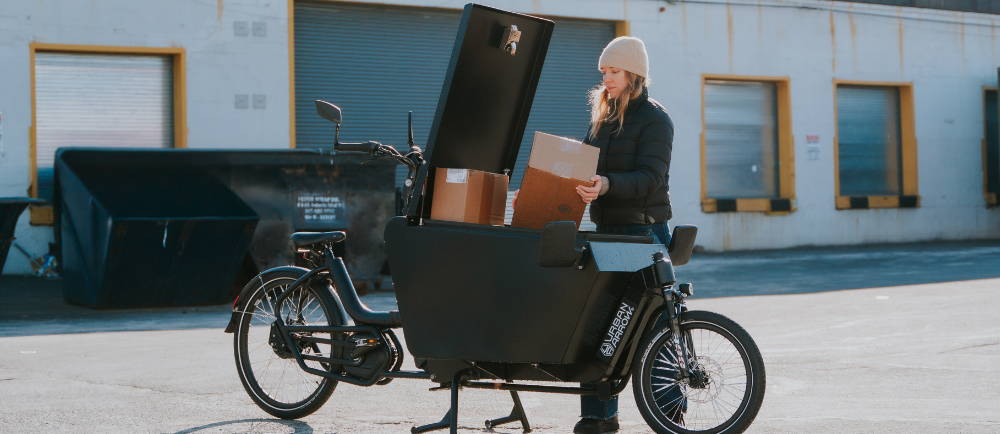
Good grocery-hauling models to look for
When it comes to cargo bikes, you need the right kind of bike for the way you shop. Still, a few names keep coming up for good reason.
- Tern GSD: Longtail cargo bike with a 463 lb max gross vehicle weight, 220 lb rear rack capacity, and Bosch Cargo Line support up to 85 Nm. It is ideal if you need to carry more than groceries.
- Momentum PakYak E+: Practical grocery-runner with a 500 Wh battery, optional second battery, 361 lb total load limit, 33 lb front basket capacity, and 102 lb rear rack capacity. It works especially well for errands, family use, and everyday hauling.
- Aventon Abound SR: Compact electric cargo bike with a 750W motor, 440 lb payload, 20 mph top speed, and up to 60 miles of range. A good fit if you want utility without extra bulk.
- Benno Boost: Compact cargo electric bike with Bosch mid-drive options up to 85 Nm, 20 mph or 28 mph assist depending on version, 400 Wh or 500 Wh battery options, and a 440 lb gross vehicle weight rating. It is a strong middle-ground choice if you want real hauling ability without a bigger longtail frame.
- Specialized Globe Haul: City-friendly cargo model with a 700W rear hub motor, 772 Wh battery, up to 419 lb total payload, and strong accessory options for baskets, panniers, and passenger gear.
- Rad Power Bikes RadRunner 2: Compact utility electric bike with a 750W motor, 45+ miles of range, 300 lb payload, and a simpler, lower-cost setup that can still work well for smaller grocery runs.
That does not mean these are the only good options. But it does mean the best grocery bikes usually share the same traits: Stable handling, useful rack and basket options, enough battery and motor support for loaded riding, and a realistic payload.
When a regular commuter e-Bike is enough
An electric cargo bike is not necessary for every rider, especially if your grocery trips are short, light, and close to home. If your grocery runs are flatter and more manageable, a regular commuter e-Bike can still work really well, especially if it has:
- A solid rear rack
- Big panniers
- Maybe a front basket
- Hydraulic brakes
- Good low-speed stability
Cargo electric bikes are best when you truly need to move a lot of goods, but not every errand rider needs one. The bike should match your carrying needs.
A simple rule:
- For light grocery loads, a commuter electric bike may be enough.
- For heavier or more frequent loads, a compact cargo e-Bike usually makes more sense.
- For family rides, bigger grocery runs, and hilly routes, a longtail cargo bike is often the better fit.
Why shop on Upway
Cargo e-Bikes are useful, but they aren’t the most affordable e-Bikes on the market, so this is one of the categories where used pricing can provide a considerable difference. Shopping for certified pre-owned on Upway opens up better options than paying full price, especially as accessories, panniers, etc., add up.
That matters even more with grocery getting bikes, because the right setup can help with school drop-offs, regular commutes, bigger errands, and replacing short car trips. Models like the Tern GSD, Benno Boost, Momentum PakYak E+, Specialized Globe Haul, and other cargo-ready utility bikes become much more realistic once the price gap narrows.
Certified electric bikes on Upway go through a 50-point inspection and come with a 1-year warranty and a 14-day return window.
Frequently Asked Questions
What is the best electric bike for carrying groceries?
Do I need a cargo e-Bike for grocery shopping?
Not always. If your trips are short, flat, and fairly light, a commuter electric bike with a good rear rack and panniers may be enough. But once the loads get heavier, more frequent, or more challenging, a cargo bike starts to feel like the right tool rather than just a nice extra.
Is a folding e-Bike good for groceries?
Sometimes, but mostly for lighter errands. A folding electric bike can work for a couple of bags and short rides. Once the loads get heavier or the runs get more frequent, a purpose-built cargo e-Bike is usually the better answer.
Key Takeaways
- The best electric bike for grocery shopping is usually a compact cargo bike or a short-tail cargo e-Bike.
- A longtail cargo electric bike makes more sense once groceries, kids, hills, or larger weekly runs start to stack up.
- Certified pre-owned pricing can make a much better grocery-hauling setup feel realistic.