Yes. Pennsylvania allows pedalcycles with electric assist as long as they meet the state definition, including working pedals, a motor of 750W or less, a 100-pound weight limit, and a 20 mph motor-powered speed limit.
Pennsylvania E-Bike Laws and Regulations (2026 Update)
Written by: Chris Van Leuven | June 29, 2026 | Time to read: 5-6 min
Pennsylvania e-Bike laws 2026: learn the 750W motor limit, 20 mph speed rule, age requirement, license and registration rules, sidewalks, DCNR trails, and Upway buying tips.

More about the Author: Chris Van Leuven
Chris is a writer, climber, and founder of Yosemite E-Biking in Mariposa, CA. When he’s not tackling Sierra Foothills trails or scaling rock walls, he’s crafting adventure stories with his boxer, Fenster. His work has appeared in Outside, Men’s Journal, Gripped, and Best American Sports Writing.

Pennsylvania e-Bike laws are not as simple as “Class 1, Class 2, Class 3.” That’s the first thing to know. A lot of states now use the three-class e-Bike system, but Pennsylvania’s Vehicle Code uses its own definition of a “pedalcycle with electric assist.” That wording matters because it tells you what counts as a legal electric bike in Pennsylvania and what might be treated differently.
If your e-Bike fits the state definition, it’s generally treated much like a bicycle. If it’s too heavy, too powerful, too fast, or doesn’t have working pedals, you may be dealing with something closer to a motor vehicle.
In this blog, I’ll cover Pennsylvania e-Bike laws for 2026, including the 750W motor limit, 20 mph assist rule, age requirements, helmet basics, license and registration rules, sidewalks, DCNR state parks and forests, and what to check before buying on Upway.
👋 Welcome to Upway!
Upway is your top destination for buying and selling e-Bikes online. Discover your next e-Bike at up to 60% off retail prices, available in new or like-new condition.
Table of Contents
What counts as an e-Bike in Pennsylvania?
PennDOT and the Pennsylvania Vehicle Code define a legal e-Bike as a “pedalcycle with electric assist.” This means: it needs pedals; it can’t weigh more than 100 pounds; it must have two or three wheels, each more than 11 inches in diameter; the motor must be rated at 750 watts or less; and it can’t go more than 20 mph on level ground under motor power alone.
That’s Pennsylvania’s angle. Instead of starting with Class 1, Class 2, and Class 3 labels, the state starts with the vehicle itself.
| Pennsylvania rule | Why it matters |
|---|---|
| Must have operable pedals | Keeps it in the bicycle category |
| Motor must be 750W or less | Higher-powered bikes may not qualify |
| Weight must be 100 pounds or less | Heavy cargo-style bikes may need a closer look |
| Motor-powered speed is capped at 20 mph | Faster bikes may fall outside the definition |
| Two or three wheels over 11 inches | Helps separate e-Bikes from scooters and small devices |
That 100-pound rule is worth paying attention to. Many commuter e-Bikes fit under it easily. Some cargo e-Bikes, fat-tire bikes, passenger setups, and accessory-loaded bikes may get closer than you think.
Does Pennsylvania use Class 1, Class 2, and Class 3 e-Bike rules?
Not in the same clean way as states like New York, Ohio, Oklahoma, or Oregon. You’ll still see e-Bikes sold as Class 1, Class 2, or Class 3, because manufacturers use those labels nationally. They’re useful shopping terms. But Pennsylvania law focuses on whether the bike qualifies as a pedalcycle with electric assist.
That means a typical Class 1 or Class 2 e-Bike with a 750W motor, working pedals, and a 20 mph motor-assist limit is usually the safer fit for Pennsylvania rules. A Class 3 e-Bike that assists up to 28 mph can be a problem if it exceeds Pennsylvania’s 20 mph motor-powered limit.
That doesn’t mean every faster-looking e-Bike is illegal everywhere. It means you need to know what the bike actually does, not just what the listing calls it.
Do you need a license, registration, or insurance?
For a legal pedalcycle with electric assist, Pennsylvania does not treat the bike like a car, motorcycle, or moped. That means no driver’s license, registration, title, or motor vehicle insurance is required for a qualifying e-Bike. There is an age rule, though. Pennsylvania requires riders to be at least 16 to operate a pedalcycle with electric assist.
Helmet rules are a little different. Pennsylvania’s statewide bicycle helmet law applies to children under 12. Even if you’re older, I’d still wear one (I always do). Between wet streets in Pittsburgh, traffic in Philly, and fast rail-trail descents in the Alleghenies, I wouldn’t make helmet use a technicality.
Where can you ride an e-Bike in Pennsylvania?
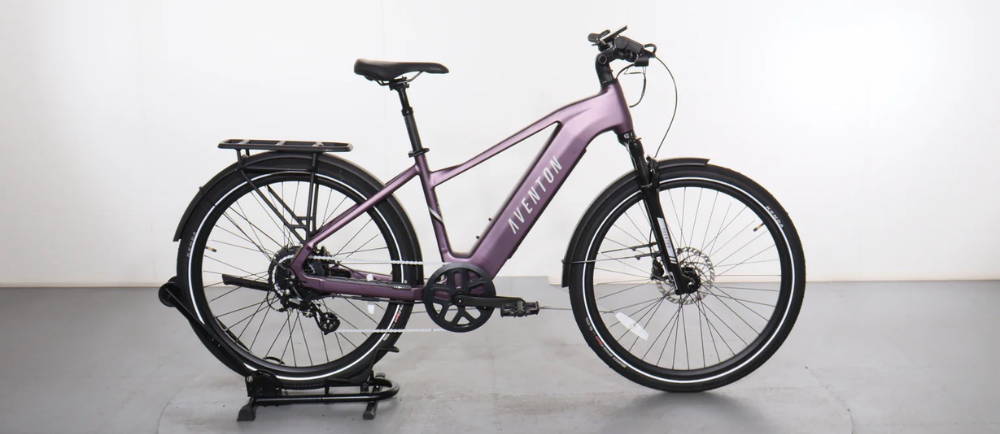
On public roads, a legal pedalcycle with electric assist is generally treated like a bicycle. That means normal bike rules apply: ride predictably, follow signals, use lights at night, yield where required, and don’t assume drivers see you.
Sidewalks are more complicated. Pennsylvania law says a person riding a pedalcycle on a sidewalk or pedalcycle path used by pedestrians must yield to pedestrians and give an audible signal before passing. In business districts, riding on sidewalks is not allowed unless official traffic-control devices permit it, and it’s also restricted when a usable pedalcycle-only lane is provided next to the sidewalk.
For state parks and forests, DCNR allows traditional bikes and e-Bikes on public-use roads unless bikes are posted as prohibited. On trails, access depends on whether the trail is open to bikes and whether the e-Bike complies with Pennsylvania’s Vehicle Code. That matters on DCNR-managed trails, mountain bike routes, and forest roads where signs may be more specific than a statewide summary.
One thing I’d get into the habit of doing is treating roads, rail trails, state forests, local parks, and sidewalks as different riding environments. The bike may qualify under state law, but the place you’re riding can still have its own rules.
Finding the Right Pennsylvania e-Bike on Upway
Before buying, look past the model name and check the details Pennsylvania actually cares about: motor wattage, assisted speed, bike weight, throttle behavior, and working pedals.
For city commuting, errands, and rail-trail cruising, a lighter commuter or hybrid e-Bike with a 750W-or-less motor and 20 mph assist limit is the easiest fit. If you’re hauling kids, cargo, or extra gear, check the bike weight closely.
If you’re shopping on Upway, every certified pre-owned e-Bike goes through a 50-point inspection before it’s listed, and certified e-Bikes come with a 1-year warranty and a 14-day return period. You’ll still need to follow Pennsylvania law, but starting with a clearly described bike removes a lot of the guesswork.
Frequently Asked Questions
Are e-Bikes legal in Pennsylvania?
Do I need a license or registration for an e-Bike in Pennsylvania?
No. A qualifying pedalcycle with electric assist does not need a driver’s license, registration, title, or motor vehicle insurance.
Can I ride an e-Bike in Pennsylvania state parks and forests?
Often, yes, but it depends on the road or trail. DCNR allows bikes and compliant e-Bikes on public-use roads unless posted otherwise. Trail access depends on the specific trail, posted rules, and whether the e-Bike complies with Pennsylvania’s Vehicle Code.
Key Takeaways
- Pennsylvania does not rely on the same clean Class 1, Class 2, and Class 3 framework that many states use.
- A legal Pennsylvania e-Bike must fit the “pedalcycle with electric assist” definition, including pedals, a 750W max motor rating, a 100-pound max weight, and a 20 mph motor-powered speed limit.
- Riders must be at least 16, and access can vary on sidewalks, state parks, forests, trails, and local paths.