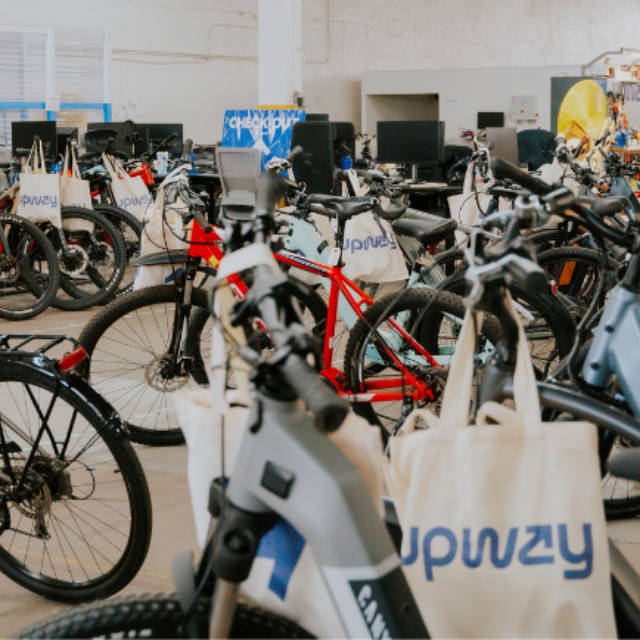
Yes, in most cases. If the e-Bike battery has run out of charge, you can keep riding using pedal power. You won’t have motor assistance, and a heavy e-Bike will be considerably harder to pedal, especially on hills.
Can You Ride an E-Bike with a Dead Battery?
Written by: Chris Van Leuven | September 25, 2026 | Time to read: 7-8 min
Can you ride an e-Bike with a dead battery? Learn which e-Bikes are easiest to pedal without power and what to do if your battery dies mid-ride.

More about the Author: Chris Van Leuven
Chris is a writer, climber, and founder of Yosemite E-Biking in Mariposa, CA. When he’s not tackling Sierra Foothills trails or scaling rock walls, he’s crafting adventure stories with his boxer, Fenster. His work has appeared in Outside, Men’s Journal, Gripped, and Best American Sports Writing.
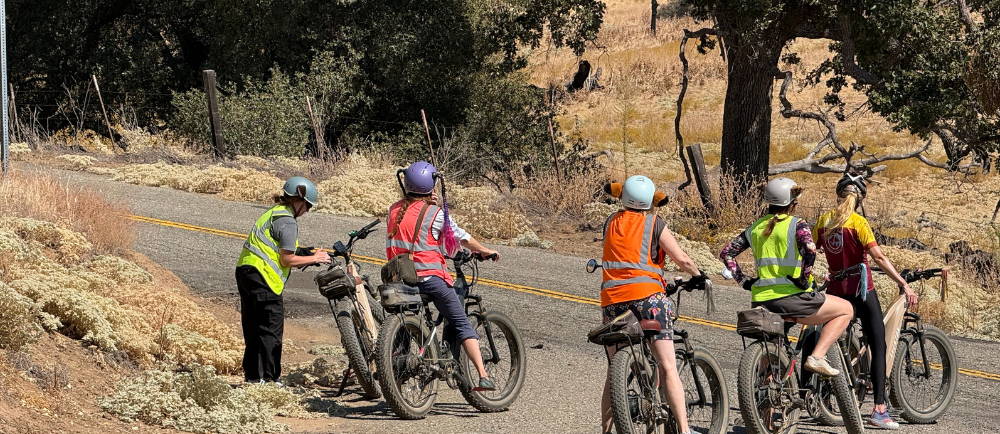
Yes, you can ride an e-Bike with a dead battery. But how much you’ll enjoy it depends a lot on the bike. For example, one of my electric bikes is an old beach cruiser I converted with a front hub motor. For reasons I still haven’t figured out, the electric system stopped working. I keep riding it around town anyway. Without the motor, it really doesn’t feel much different from a regular beach cruiser.
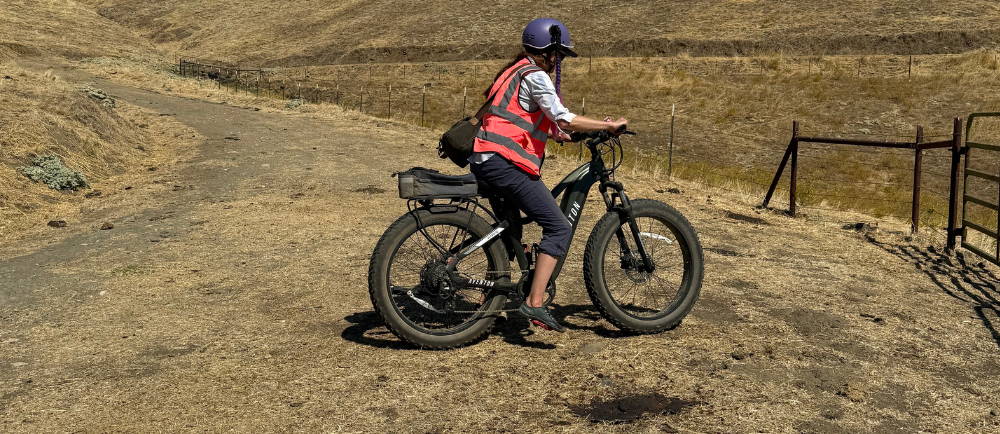
That is definitely not my experience when the battery dies on one of my 70-pound fat-tire e-Bikes. I’ve pedaled those up the steep roads around California’s Sierra Foothills without power, and it can be done, but it’s awful.
So, can you ride an e-Bike with a dead battery? Usually, yes. The more useful question is how hard that particular e-Bike will be to pedal without the motor, how steep the terrain is, and how long you have to do it for.
In this blog, I’ll explain which e-Bikes are easier to ride without power, what to do if your battery dies mid-ride, how to tell an empty battery from an electrical problem, and how to avoid getting stuck in the first place.
👋 Welcome to Upway!
Upway is your top destination for buying and selling e-Bikes online. Discover your next e-Bike at up to 60% off retail prices, available in new or like-new condition.
Table of Contents
Can You Pedal an E-Bike with a Dead Battery?
Usually. If you ride until the battery level reaches zero, the electric motor stops assisting you. On most e-Bikes, the mechanical parts still work, so you can pedal, shift gears, steer, and use the brakes. Now you’re providing all the power. “Dead battery” can also mean different things. You may have simply used the available battery charge. The battery pack itself may have a problem. Or the battery may still have power while something else in the electrical system has stopped working.
This blog is mostly about the first situation: You’re out riding, the battery runs out, and you still need to get home. With my old beach-cruiser conversion, riding without the electric system isn’t a big deal. I wouldn’t say the same thing about every e-Bike I own (I own 11, not counting the converted beach cruiser).
Which E-Bikes Are Easiest to Pedal with a Dead Battery?
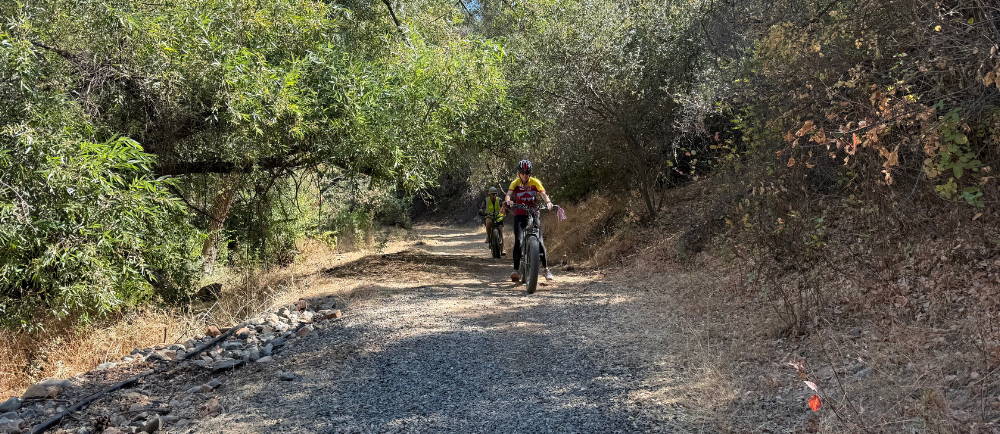
Start with weight. A lightweight commuter, city e-Bike, or electric road bike will generally be easier to pedal without motor assistance than a 70-pound fat-tire e-Bike, loaded cargo bike, or heavy full-suspension e-MTB. A lighter e-Bike is simply a different bicycle to pedal home than one weighing 70 pounds before you’ve added a lock, water, bags, groceries, or other cargo.
Tires matter a lot too. Wide fat tires and big knobby mountain-bike tires have more rolling resistance on pavement than narrower, smoother tires. Tire pressure also matters. A soft tire makes an already heavy bike feel even slower. Then there’s gearing. If the battery dies before a climb, having a sufficiently low gear lets you settle in and pedal slowly. However, having few gears, combined with a heavy bike and a steep hill, can make walking the better option. Motor design can affect how an e-Bike feels without assistance, but bike weight, tires, gearing, and terrain are easier things for a shopper to evaluate.
And terrain can change everything. A heavier e-Bike may be manageable on flat pavement once you get it moving. Put the same bike at the bottom of a long climb, and you’re dealing with something completely different (and you’ll be pouring sweat). That’s where I’ve ended up pushing fat-tire e-Bikes instead of riding them.
What to Do if the Battery Dies While Riding
If you notice the battery level dropping quickly, don’t wait until the display reaches zero to change what you’re doing. Lower the pedal-assist level, shift properly, and pedal more. If there’s a flatter route home, consider taking it even if it adds a little distance. Once the motor assistance is gone, shift into an easier gear and forget about maintaining your normal e-Bike speed. Then look at what remains between you and home. Five flat miles on a lightweight commuter might be no big deal. Five miles uphill on a loaded cargo bike is another matter. That’s when I call for a pickup.
Depending on where you are, you may be able to walk the bike to somewhere safe and lock it up, take public transportation that allows bikes, find a legitimate place to recharge, or call someone for a ride. On longer rides, carrying a second e-Bike battery gives you another option. I carry a spare when there’s significant climbing or nowhere dependable to charge. But another battery also adds weight, so it doesn’t make sense for every ride.
Dead Battery or Electrical Problem?
A battery that reaches 0% after a long ride is one thing. A battery that still shows a charge while the motor provides no assistance is another, and a battery pack that won’t charge or turn on at all is something else again. If the display still shows battery power but the motor stops working, the problem may be somewhere else in the electrical system.
Upway has separate guides for an e-Bike battery that turns on, but the bike has no power, and for a dead e-Bike battery. Those are better places to dig into the charger, charging port, Battery Management System (BMS), battery cells, deep discharge, cell degradation, and other electrical problems.
Don’t open a lithium-ion battery pack, bypass the BMS, or try to jump-start it. If a lithium-ion battery is swollen, cracked, leaking, unusually hot, smells strange, or has obvious impact damage, stop using it and follow the manufacturer’s guidance for service or disposal.
How to Keep from Running Out of Battery
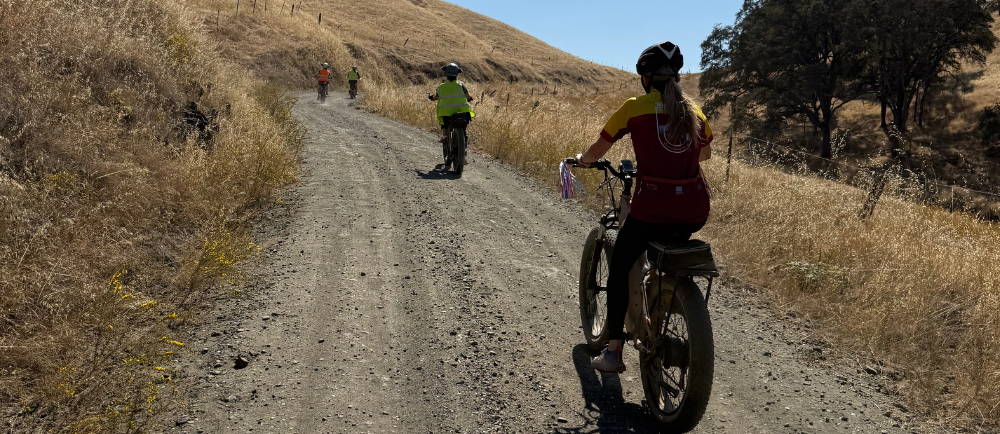
Running out of battery usually gives you some warning. Pay attention before the display reaches zero and don’t treat the advertised range as a promise. Hills, rider weight, cargo, wind, temperature, tire pressure, speed, battery condition, and assist level can all change real-world performance. And climbing is one of the biggest variables I watch. A 20-mile route with a lot of elevation gain will require much more battery than 20 relatively flat miles. That’s why e-Bike range makes more sense when you look at distance and terrain together.
Your riding habits matter, too. If you use maximum assistance on every easy section, you’re spending battery power you may want later (and you’re likely going quite fast). Dropping the assist level on flatter terrain will leave more charge for the climbs.
For a longer ride, I pay particular attention to three things:
- Look at both mileage and elevation gain.
- Reduce assist before the battery gets critically low.
- Leave some margin for wind, wrong turns, or unexpected climbing.
A spare battery, range extender, dual-battery system, or charger will add more range when you need it. I’ve also planned longer rides around charging stops. One thing I don’t like doing anymore is planning around getting home with 1% left. Sometimes it works. Sometimes you’re calling someone for a ride. You’re simply cutting it too close.
Buy an E-Bike on Upway Today
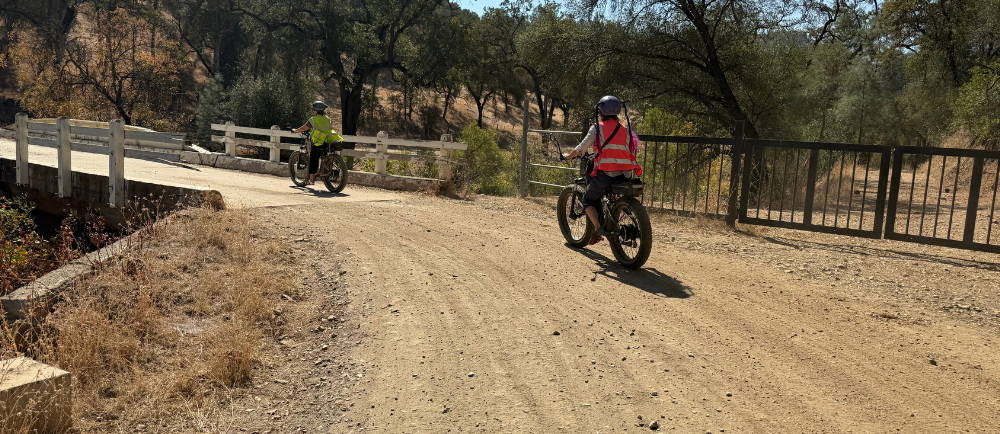
If riding without motor assistance matters to you, don’t shop on battery range alone. Look at bike weight, tires, gearing, battery capacity, and the terrain you normally ride. A lighter commuter or city e-Bike can make sense if you live upstairs, combine riding with public transportation, or simply want a bike that’s reasonably easy to pedal with the motor off.
For steep hills or hauling kids and cargo, battery capacity may matter more. Those are also the bikes you don’t want to pedal home empty. That’s why Upway makes it easy to compare certified pre-owned e-Bikes across these categories. Start with the riding you’ll actually do, not the biggest advertised range number.
Frequently Asked Questions
Can you ride an e-Bike after the battery dies?
Which e-Bikes are easiest to pedal with a dead battery?
Lightweight commuter, city, and road e-Bikes are easier to pedal without power than heavy fat-tire, cargo, or full-suspension e-Bikes. Overall weight, tire rolling resistance, gearing, cargo, and terrain all affect how hard the bike is to ride.
Does pedaling an e-Bike with a dead battery hurt the motor?
Normally, pedaling an e-Bike after its battery runs out of charge shouldn’t hurt the motor. If the wheel or drivetrain binds, makes strange noises, or resists movement, stop and figure out what’s wrong.
Key Takeaways
- A dead battery doesn’t automatically make an e-Bike hard to ride. A lightweight city e-Bike may pedal reasonably well without assistance, while a 70-pound fat-tire or loaded cargo e-Bike will be a workout.
- Weight, tires, gearing, cargo, and terrain matter. The hill between you and home will matter more than the number of miles remaining.
- An empty battery isn’t necessarily a failed battery. Running out of charge, losing motor assistance with charge remaining, and having a battery that won’t charge are different problems.