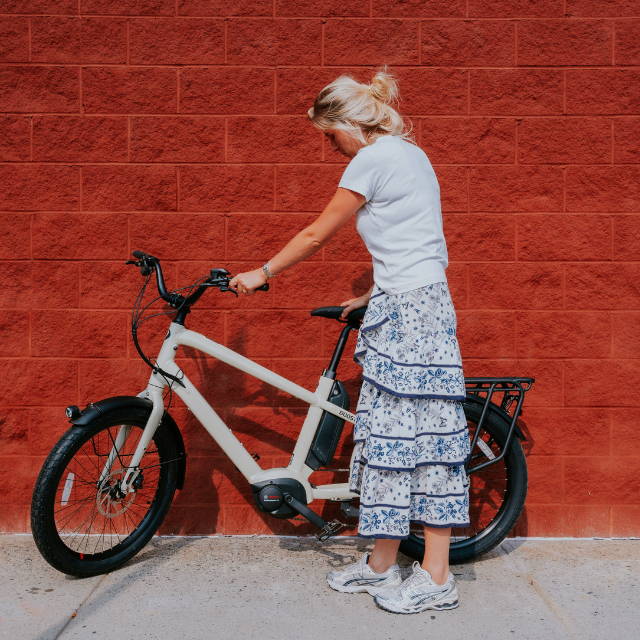
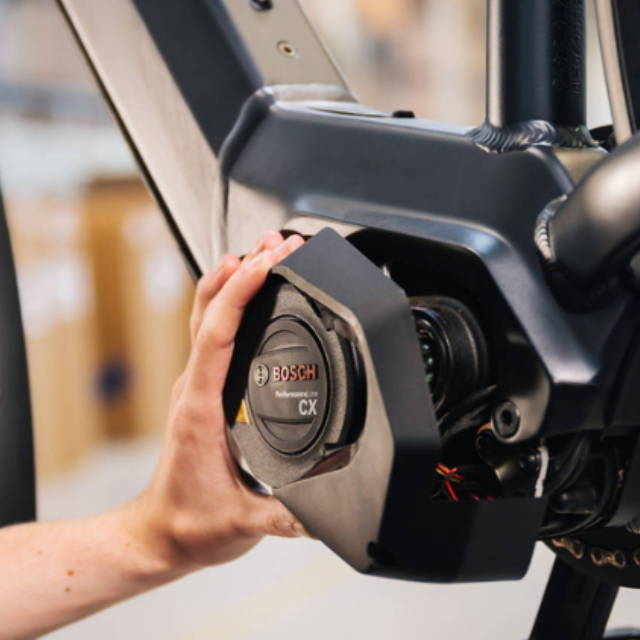
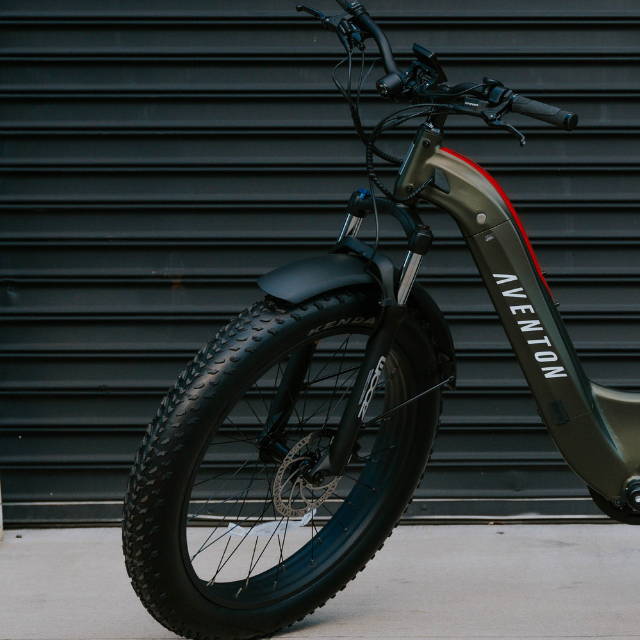
For steep paved hills, I’d start with a powerful mid-drive commuter like the Specialized Turbo Vado 5.0, Trek Allant+ 8S, or Riese & Müller Charger4 GT Vario. For cargo on hills, look at the Tern HSD. For dirt or gravel climbs, look at the Aventon Ramblas ADV.
Best E-Bikes for Hills: Upway Picks for Real Climbs
Written by: Chris Van Leuven | June 2, 2026 | Time to read: 7-8 min
Find hill-ready e-Bikes for 2026, from fast commuters to cargo, hybrid, and rough-road picks on Upway.

More about the Author: Chris Van Leuven
Chris is a writer, climber, and founder of Yosemite E-Biking in Mariposa, CA. When he’s not tackling Sierra Foothills trails or scaling rock walls, he’s crafting adventure stories with his boxer, Fenster. His work has appeared in Outside, Men’s Journal, Gripped, and Best American Sports Writing.
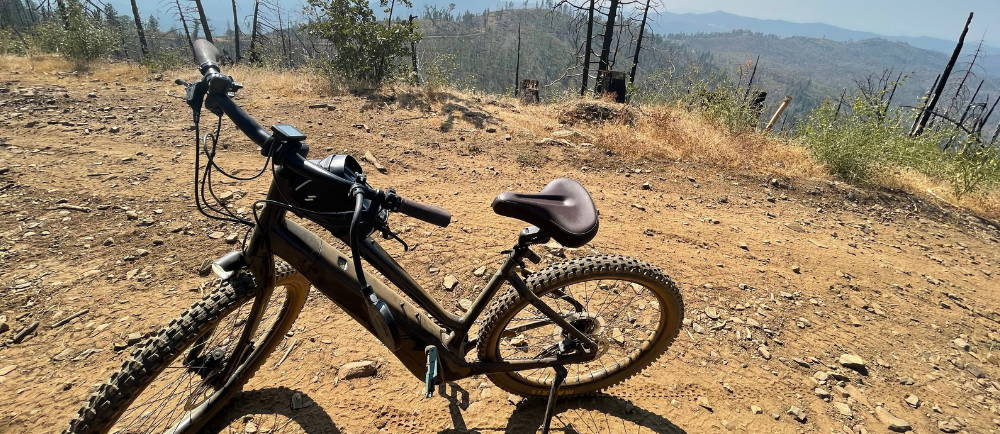
A hill tells you a lot about an e-Bike within a few minutes. The motor either does its job and keeps helping, or the bike starts to feel heavy, under-geared, and underpowered. That can happen on a steep city block, a loaded cargo ride, or a dirt road where the grade kicks up as the surface gets loose.
I live in the Sierra foothills, so I don’t trust flat-ground test rides very much. My average ride climbs 3,000 feet or more, and out here it’s big country. Here is where I learned that an e-Bike can feel quick in the flats and still bog down halfway up a long climb and turn off once overheat protection sets in, heavy groceries on the rack, or a headwind making everything more challenging.
For climbing, I care more about steady electric support than top speed, since top speed is more common on the flats. Torque matters. Gearing matters. Battery capacity matters. So do premium brakes, bike weight, the right tires, and whether the riding position lets you keep pedaling instead of working against the bike.
👋 Welcome to Upway!
Upway is your top destination for buying and selling e-Bikes online. Discover your next e-Bike at up to 60% off retail prices, available in new or like-new condition.
Table of Contents
What makes an e-Bike better at climbing hills?
A great hill e-Bike requires more than a powerful-sounding motor on the specs. It needs steady pedal assist at low speeds, a drivetrain that lets you keep spinning rather than grinding, and hydraulic brakes you can trust on the way back down. Don’t fall for top speed but low watts, as that is likely not a great hill-climbing bike.
Before I’d buy an e-Bike for the hills, I’d check:
- Motor type: mid-drive or a 750W hub motor
- Torque, especially for the steeps
- Wide gear range
- Battery capacity built for real elevation gain
- Hydraulic disc brakes (which today are very common)
- Bike weight and rider position
- Tires, suspension fork, and suspension seatpost if the route is rough
- Whether it’s a commuter e-Bike, cargo e-Bike, or e-MTB built for the riding you’re doing
A one-block climb home isn’t the same as a 45-minute uphill grind in the foothills or in the mountains. A paved commuter hill isn’t the same as a loose dirt road. That’s why I wouldn’t buy a hill bike from a flat test alone, since that doesn’t tell you how it will work in the field.
Best e-Bikes for hills in 2026
| If your hill looks like this | Start with this Upway pick | Why |
|---|---|---|
| Fast paved commute with real climbing | Specialized Turbo Vado 5.0 | 90 Nm motor, 710Wh battery, commuter build |
| Longer suburban climb or Class 3 route | Trek Allant+ 8S | Bosch Performance Speed motor, 85 Nm torque |
| Hills with groceries, kid gear, or panniers | Tern HSD S11 or P5i | Bosch Performance Line power, compact cargo frame |
| Premium hill commuting and touring | Riese & Müller Charger4 GT Vario | Bosch power, 750Wh battery, comfort-first build |
| Everyday hybrid riding in hilly areas | Giant Explore E+ | SyncDrive support, commuter, and touring build |
| Dirt roads, steep gravel, or trail climbs | Aventon Ramblas ADV | 100 Nm mid-drive, e-MTB design |
Specialized Turbo Vado 5.0: Best fast commuter for hills
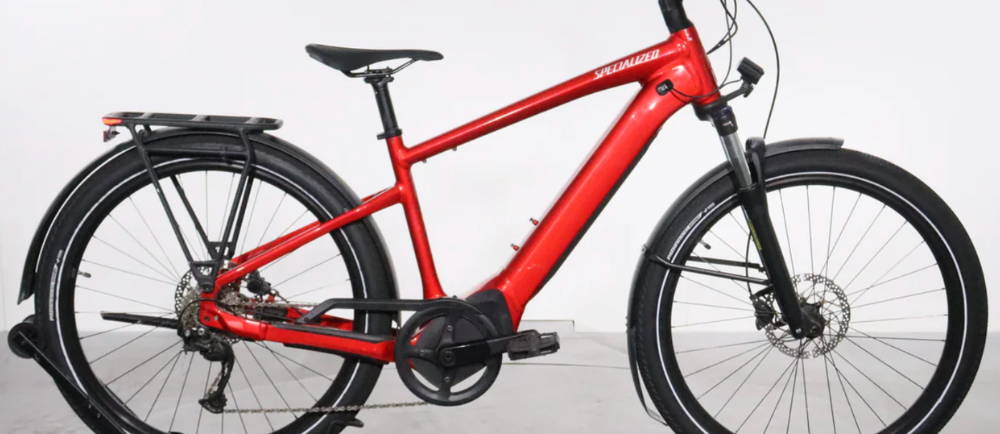
The Specialized Turbo Vado 5.0 is the paved hill commuter I’d start with. It’s quick, but the better reason to look at it is its motor-and-battery pairing. Specialized lists the Turbo Vado 5.0 with its Turbo Full Power 2.2 motor, a 710Wh battery, assistance up to 28 mph, and 90 Nm of torque. That’s the kind of support I’d want for steep neighborhoods, rolling commutes, and longer rides where the climb is only part of the day.
I’d use the Vado for riders who want one polished commuter e-Bike that can handle hills without changing every ride into an e-MTB mission.
Trek Allant+ 8S: Best speed commuter for longer climbs
The Trek Allant+ 8S is great for a faster, paved commute with hills. Trek lists it with a Bosch Performance Speed motor, 85 Nm of torque, a Bosch PowerTube 625 Wh battery, and up to 28 mph of assist.
That 28 mph assist (Class 3) isn’t what gets you up the steepest part of the hill. On a real climb, you’ll be going much slower. The Allant+ 8S is for the rider who climbs, rolls, descends, and still wants to cover real ground once the road opens up.
Tern HSD S11 or P5i: Best compact cargo bike for hills
Cargo can work great on hills if you pick the right bike. Add a heavy grocery run, a kid, work gear, or other heavy stuff, and a climb that seemed mild on an electric normal bike can suddenly feel like a real leg workout.
Tern lists the HSD S11 with a Bosch Performance Line Sport motor, 75 Nm of torque, Class 3 support up to 28 mph, and 340% pedal-assist support. I’d use the HSD for hilly cities, storing in an apartment, errands, school runs, and riders who want cargo capacity without a giant bike.
Riese & Müller Charger4 GT Vario: Best premium hill and touring e-Bike
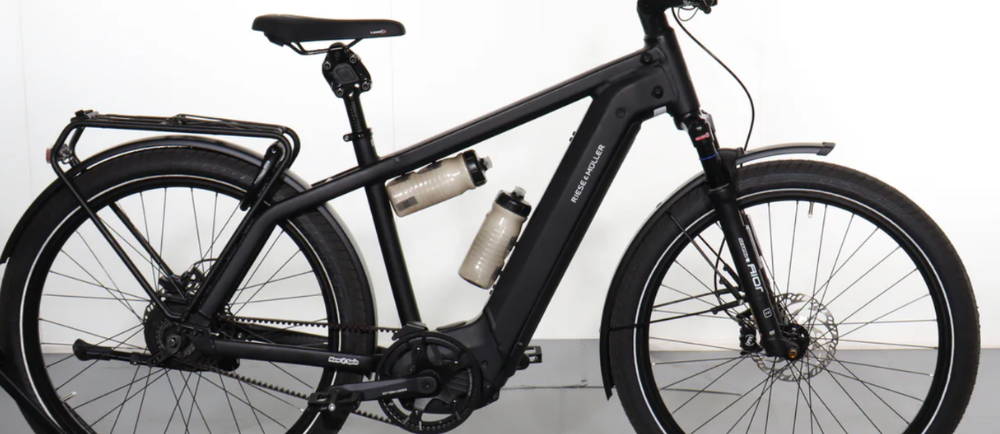
The Riese & Müller Charger4 GT Vario is the premium pick here because it’s built for more than just a steep commute. This is the bike I’d choose for riders who want hills, distance, and comfort in the same package. Think rough pavement, longer commutes, weekend routes, and town-to-town rides with hills thrown in, where a lower-end commuter may not cut it.
The Charger4 GT Vario isn’t the budget answer. It’s the “I ride a lot, I climb often, and I want the bike to feel right doing it!” answer.
Giant Explore E+: Best practical hybrid for hilly everyday riding
The Giant Explore E+ is a hybrid-style e-Bike for commuting, bike paths, errands, light gravel, and everyday riding.
I recommend the Explore E+ for riders who don’t need a premium touring bike or a full-suspension e-MTB, but do need real hill-climbing help. It’s the everyday rider's pick: enough motor for hills, enough comfort for longer rides, and not so specialized that it only makes sense on complex terrain.
Aventon Ramblas ADV: Best rough-road hill bike
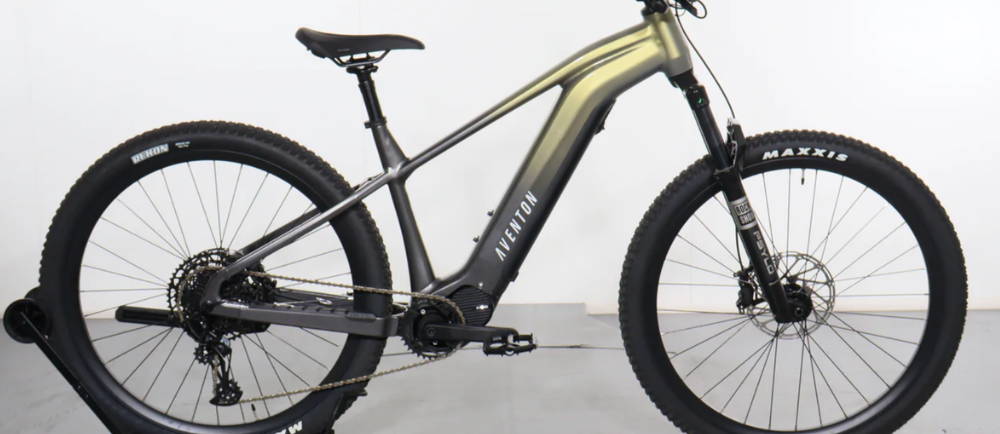
The Aventon Ramblas ADV is the pick for hills that aren’t just paved streets. Aventon lists the Ramblas ADV with its A100 mid-drive motor, 100 Nm of torque, and 750W peak power.
I wouldn’t buy it just because your commute has one steep paved section. But if your climbs include fire roads (like I have here), rough dirt, steep gravel, or trail systems that allow this type of bike, the Ramblas ADV has the motor and build for that kind of riding.
Why torque, gears, and battery size matter on climbs
Torque gets the bike moving and helps it maintain speed when the terrain gets steeper. That’s why torque numbers matter more on hills than top speed (which isn’t the primary factor to consider). Gears matter because the motor still needs help. A strong motor with the wrong gearing will likely feel underpowered and put too much strain on your chain and legs.
Battery size matters because climbing uses power, so your range decreases the longer you climb. Rider weight, cargo weight, a strong headwind, assist level, and especially steep sections all affect range. I recommend avoiding maximum assist on long hills when possible.
Brakes are also very important. If an electric bike is powerful enough to climb fast or carry weight uphill, it needs responsive brakes that perform well on descents. For hilly riding, hydraulic disc brakes are the standard.
Mid-drive or hub motor: which is better for hills?
For serious hills, I’d go with a mid-drive motor. A mid-drive works through the bike’s drivetrain and is more responsive when climbing hills than a hub motor. That makes it an ideal fit for long climbs, steep grades, cargo, and routes where you need to keep a steady cadence.
A hub motor can still climb hills, especially if the route is short, paved, not too loaded, or the motor is powerful enough. I recommend a 750W hub motor or something in that range for hilly terrain. A strong rear hub motor with a torque sensor can work great on rolling streets and moderate climbs because the assist responds to how hard you pedal, not just how fast the cranks are turning. That said, I’ve had great experience with hub motors, but a better hill-climbing experience with a mid-drive.
Shopping for hill-ready e-Bikes on Upway
On Upway, I’d shop by the climbs you’re intending to ride first. For steep paved streets, start with mid-drive commuter e-Bikes and hybrids. For kids, groceries, or loaded panniers, look at compact cargo e-Bikes. For dirt climbs or rough, technical terrain, look at an e-MTB or trail-capable hardtail.
Then check the parts that matter: motor type, torque, battery capacity, gear range, premium hydraulic brakes, drivetrain wear, mileage, bike weight, and condition. That’s what makes Upway great: you can browse certified pre-owned e-Bikes for your type of riding and save up to 60%. Plus, Upway bikes come with a 1-year warranty and 14-day return policy.
Frequently Asked Questions
What is the best e-Bike for steep hills?
How much torque do you need for hills on an e-Bike?
For moderate hills, 50–65 Nm can work just fine. For steep hills, cargo, or longer climbs, I’d look closer to 75–90 Nm or more. Torque helps, but gearing, rider weight, cargo, tires, battery size, and motor power all matter.
Are Class 3 e-Bikes good for hills?
A Class 3 e-Bike can be great on hilly commutes because it assists up to 28 mph, but the class rating alone doesn’t make it a great climber (a Class 3 bike can still be underpowered for hills; that’s happened to me). For hills, motor power and torque, gearing, battery capacity, and the right brakes matter more than top assisted speed.
Key Takeaways
- For prolonged hills, steady pedal assist, torque, gearing, premium brakes, and battery capacity matter more than top speed.
- Mid-drive e-Bikes are the better choice for steep climbs, long grades, and loaded riding, but a powerful hub motor can also work.
- Upway is great for comparing certified pre-owned commuter e-Bikes, cargo e-Bikes, hybrids, and e-MTBs for hills, with savings up to 60%.