The Rail+ is the better choice if long rides and maximum built-in range are your priorities. The Vala makes more sense if your typical rides fit comfortably inside a 600Wh battery and you’d rather have a bike that feels a little more responsive.
Trek Rail+ vs Santa Cruz Vala E-Bike Comparison
Written by: Chris Van Leuven | July 23, 2026 | Time to read: 8-9 min
Compare the Trek Rail+ and Santa Cruz Vala, including battery range, Bosch Performance Line CX motors, handling, suspension, and what to inspect before buying used.

More about the Author: Chris Van Leuven
Chris is a writer, climber, and founder of Yosemite E-Biking in Mariposa, CA. When he’s not tackling Sierra Foothills trails or scaling rock walls, he’s crafting adventure stories with his boxer, Fenster. His work has appeared in Outside, Men’s Journal, Gripped, and Best American Sports Writing.
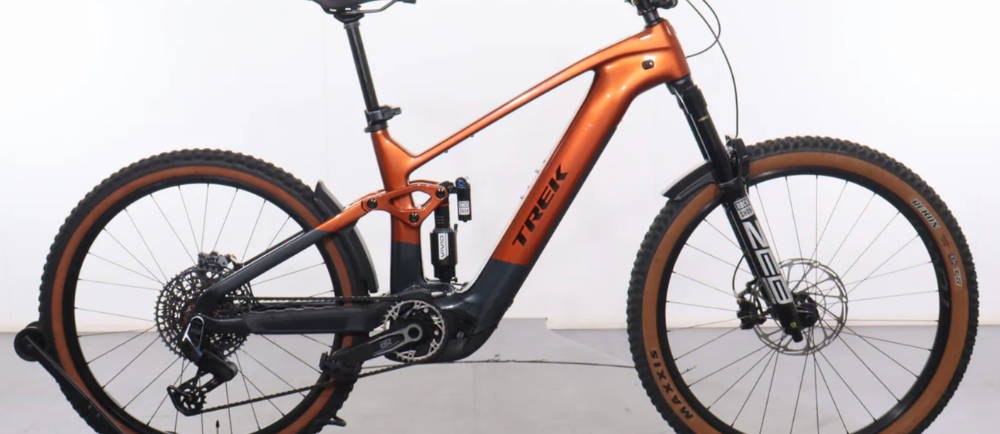
On paper, the Trek Rail+ and Santa Cruz Vala look pretty similar. Both use Bosch’s latest Performance Line CX motor, mixed wheel sizes, and enough suspension for aggressive trail riding. The bigger difference isn’t the motor at all. It’s how Trek and Santa Cruz decided to build around it.
Trek gives the Rail+ an 800Wh battery and 160mm of rear travel for riders who regularly spend long days in the mountains. Santa Cruz trims the battery to 600Wh and backs the rear travel off to 150mm to keep the Vala feeling more like a mountain bike and less like a bike built around its battery. Neither approach is automatically better. It depends on how—and where—you actually ride.
In this Trek Rail+ vs. Santa Cruz Vala comparison, I’ll cover how they differ on the trail, what those design decisions mean in everyday riding, and what to inspect before buying either e-MTB used or certified pre-owned on Upway.
👋 Welcome to Upway!
Upway is your top destination for buying and selling e-Bikes online. Discover your next e-Bike at up to 60% off retail prices, available in new or like-new condition.
Table of Contents
Trek Rail+ vs. Santa Cruz Vala specs compared
| Specification | Trek Rail+ Gen 5 | Santa Cruz Vala |
|---|---|---|
| Motor | Bosch Performance Line CX | Bosch Performance Line CX |
| Maximum available torque | Up to 120Nm on compatible systems | Up to 120Nm on compatible systems |
| Internal battery | 800Wh; compatible with a lighter 600Wh battery | 600Wh |
| Range extender | Compatible with Bosch PowerMore 250Wh | Compatible with Bosch PowerMore 250Wh |
| Front travel | 160mm | 160mm |
| Rear travel | 160mm | 150mm |
| Wheels | MX on most sizes; dual 27.5-inch wheels on size Small | MX |
| Frame | Aluminum or carbon | Aluminum, Carbon C, or Carbon CC |
| Battery removal | RIB 2.0 removable battery | Fixed internal battery |
| Suspension | ABP | Four-bar |
| Geometry adjustment | Mino Link, headset cups, and leverage-rate chip | Independent geometry and progression flip chips |
Specifications vary by model year and build. Earlier Trek Rail models differ significantly from today’s Rail+.
Who should buy each bike?
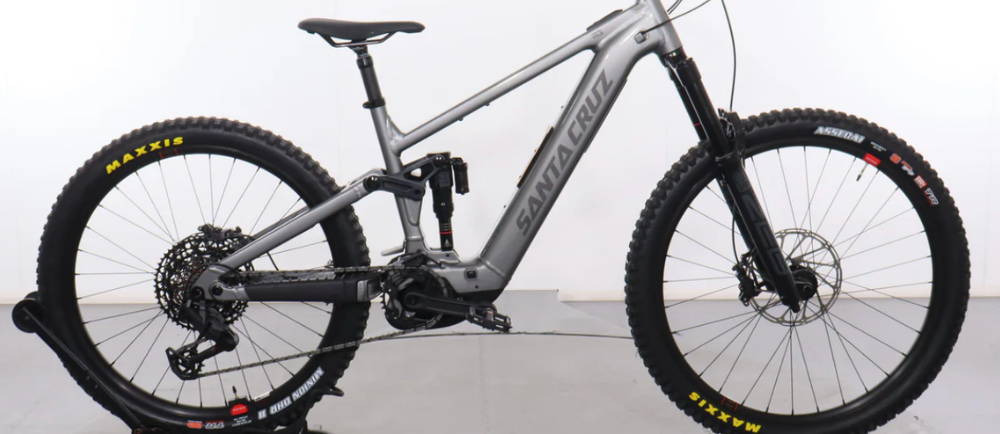
If you’re already thinking, “I usually ride three or four hours and come home with almost no battery left,” I’d start with the Rail+. But if most of your rides are closer to two hours and you’d rather the bike feel a little quicker underneath you, I’d start with the Vala. The biggest difference is that Trek prioritizes built-in range, while Santa Cruz prioritizes a lighter, more responsive ride.
The Rail+ is built for riders who routinely ask a lot from the motor, whether that means long climbs, bike-park laps, shuttle replacements, alpine rides, or days when you honestly don’t know when you’ll be back at the trailhead. The Vala feels built for someone who still wants a full-power e-MTB but doesn’t want every decision to revolve around maximum range. Six hundred watt-hours is enough for a lot of trail rides, especially if you aren’t riding in Turbo all day.
I also wouldn’t buy either bike because one has 10mm more rear travel. Most riders are going to notice the battery long before they notice that extra bit of suspension.
Bigger battery, different priorities
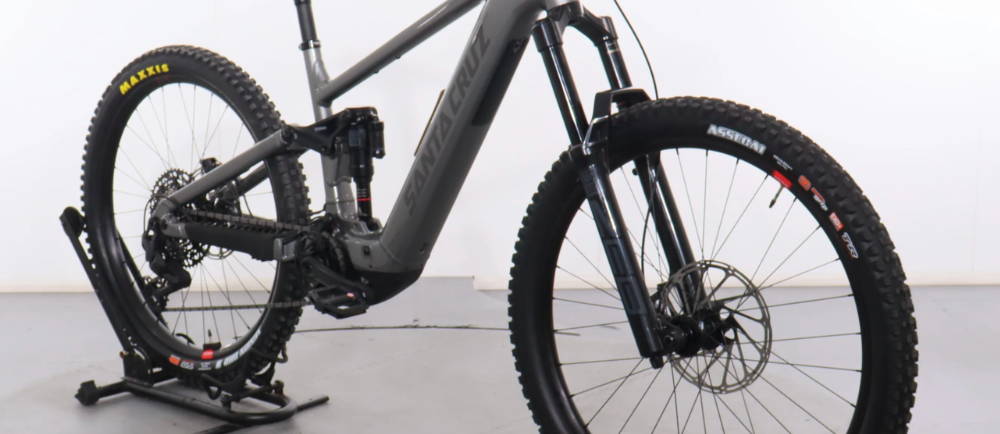
The Rail+’s 800Wh battery changes the ride before you even leave the parking lot. You stop thinking about assistance levels quite as much, and taking one more climb or checking out a trail you didn’t originally plan to ride doesn’t feel like a decision you have to calculate. That confidence is probably the Rail+’s biggest advantage.
Trek’s removable RIB 2.0 battery is also useful. If you store your bike somewhere without power or transport it often, being able to remove the battery is something you’ll appreciate regularly. The Vala approaches the problem differently. Its 600Wh battery is lighter, and Santa Cruz clearly resisted the temptation to chase the biggest number on the market. For riders who occasionally need more range, Bosch’s 250Wh PowerMore extender pushes total capacity to 850Wh.
But adding the extender also adds weight and occupies the bottle mounts. If you’d leave it installed most weekends, I’d probably skip that compromise and buy the Rail+ instead. If you only need it a handful of times each season, the Vala’s approach makes a lot more sense.
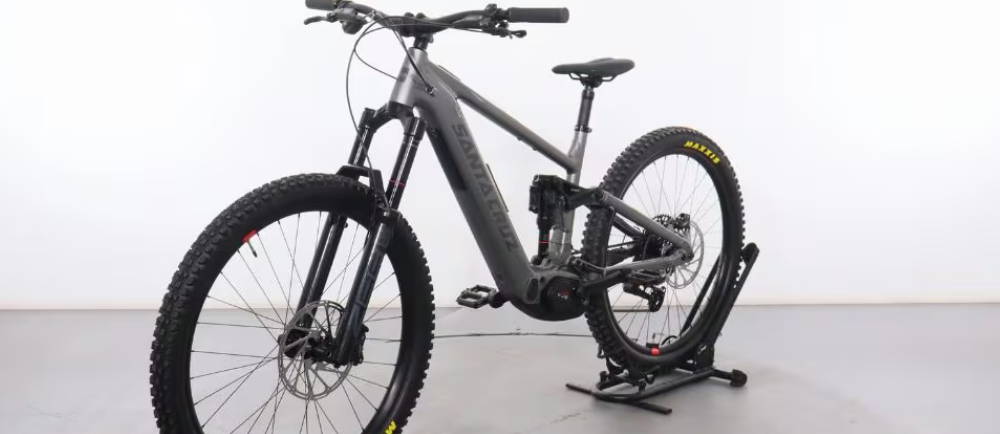
They stop feeling similar once the trail points downhill
On paper, these bikes look remarkably close, but they stop feeling similar once the trail points downhill. The Rail+ feels like it was built to erase rough terrain. Its 160mm rear suspension, large battery, and stout frame encourage you to stay off the brakes and let the bike work underneath you. That’s great when the trail is genuinely rough, although on smoother terrain it can feel like you’re carrying around capability you never really use.
Trek also gives riders plenty of ways to tune the chassis with Mino Link, optional headset cups, and a leverage-rate chip. Personally, I wouldn’t rush to touch any of those adjustments. I’d spend time dialing in suspension pressure, rebound, and tire pressure first because those changes usually matter far more than flipping geometry chips.
The Vala takes a different approach. It feels more interested in accuracy than outright stability, and Santa Cruz switched away from its familiar VPP suspension layout to a four-bar platform that packages the Bosch system cleanly while keeping the handling sharp.
Its independent flip chips are also smart. Geometry and suspension progression can be adjusted separately, so you can add more bottom-out resistance without also changing the steering. The Vala still belongs on difficult trails. It just asks a little more from the rider instead of trying to flatten everything in front of it.
Both have Bosch Performance Line CX motors
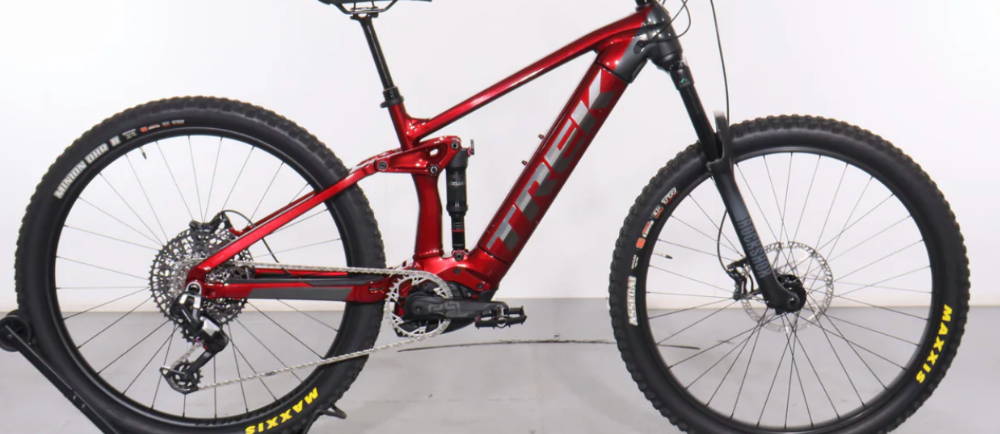
Both bikes use Bosch’s latest Performance Line CX motor. Compatible systems can be configured for up to 120Nm depending on the drive unit, firmware, and settings approved by the bike manufacturer. That’s why I don’t think the motor should decide this comparison. The bigger question is how much battery you want feeding it.
The Rail+ lets you use higher assistance more freely because there’s simply more capacity available, while the Vala rewards a rider who’s a little more selective with support modes. Neither approach is wrong. The Rail+ assumes you’ll use every watt-hour available, while the Vala assumes you probably won’t.
Which one would I actually buy?
If someone handed me both bikes tomorrow, I’d probably ride the Vala more often. Most of my trail rides simply don’t require 800Wh, and I’d rather have a bike that feels a little easier to throw into corners than carry around battery capacity I rarely use. That changes if I’m riding somewhere unfamiliar, spending all day climbing, or know I’m going to lean heavily on the motor. Then I’d happily take the Rail+. It’s one of those bikes where the extra battery quietly removes stress from the day.
That’s also why I don’t think these bikes are really competing for the exact same rider. Trek built the Rail+ to eliminate range anxiety. Santa Cruz built the Vala to keep a full-power e-Bike from seeming heavier than it has to.
Buying a certified pre-owned e-MTB on Upway
The Rail+ and Vala are expensive bikes with expensive components. Saving money on the purchase price doesn’t help much if the motor, battery, or suspension immediately needs attention.
Shopping for a certified pre-owned Trek Rail+ or Santa Cruz Vala on Upway makes it easier to compare battery size, mileage, motor generation, components, and overall condition. Every certified pre-owned e-Bike also goes through a 50-point inspection and includes a 1-year limited warranty plus a 14-day return period.
Frequently Asked Questions
Is the Trek Rail+ better than the Santa Cruz Vala?
Do the Trek Rail+ and Santa Cruz Vala use the same motor?
Yes. Both use Bosch’s current Performance Line CX drive unit, although available torque depends on the motor version, firmware, and manufacturer-approved settings.
Can the Santa Cruz Vala match the Rail+’s battery capacity?
Yes. Add Bosch’s optional 250Wh PowerMore range extender and total capacity increases to 850Wh.
Key Takeaways
- The Trek Rail+ prioritizes maximum built-in range, 160mm of rear travel, and all-day riding.
- The Santa Cruz Vala gives up some battery capacity to keep the bike feeling more responsive on the trail.
- Since both bikes use Bosch’s latest Performance Line CX motor, battery size and ride character are the real deciding factors.