No. As of September 2026, H.R. 7839 is still at the introduced stage. The House referred it to the Committee on Energy and Commerce on March 5, 2026.
Safe SPEEDS Act Update 2026: Where the Federal E-Bike Bill Stands
Written by: Chris Van Leuven | September 25, 2026 | Time to read: 5 min
Six months after the Safe SPEEDS Act was introduced, where does H.R. 7839 stand? Here’s what the proposed federal e-Bike law would change.

More about the Author: Chris Van Leuven
Chris is a writer, climber, and founder of Yosemite E-Biking in Mariposa, CA. When he’s not tackling Sierra Foothills trails or scaling rock walls, he’s crafting adventure stories with his boxer, Fenster. His work has appeared in Outside, Men’s Journal, Gripped, and Best American Sports Writing.

Six months after Congress introduced the Safe SPEEDS Act, it hasn’t moved much. H.R. 7839 is still at the introduced stage after being sent to the House Committee on Energy and Commerce in March, so none of the proposed changes are federal law yet. In this blog, I’ll cover where the Safe SPEEDS Act stands, what electric bike laws would change, and what e-Bike riders and shoppers should know.
👋 Welcome to Upway!
Upway is your top destination for buying and selling e-Bikes online. Discover your next e-Bike at up to 60% off retail prices, available in new or like-new condition.
Table of Contents
What’s the Latest Update on the Safe SPEEDS Act?
The Safe SPEEDS Act is H.R. 7839, short for the Safe Standards for Personal E-bike and E-moto Device Specifications Act. Rep. Dave Min of California introduced it on March 5, 2026, and the bill went to the House Committee on Energy and Commerce that same day. And that’s where it remains.
As of September 2026, Congress.gov still lists H.R. 7839 as “Introduced,” and it hasn’t passed the House or Senate and hasn’t become law. Congress hasn’t moved the bill forward, so current federal e-Bike laws haven’t changed just quite yet.
What Would the Safe SPEEDS Act Change?
A big part of the bill is clarifying what you’re actually buying and how it fits into existing e-Bike regulations. If passed, it would give the Consumer Product Safety Commission (CPSC) one year to create a federal standard for classifying and labeling low-speed e-Bikes and certain other electric vehicles.
The bill also calls for the CPSC to analyze five years of crash, injury, and fatality data and review existing federal, state, and local laws, industry practices, and international standards. The CPSC would use that information to develop the new classifications.
The bill doesn’t create a new nationwide speed limit or replace the state e-Bike laws that govern where people ride. Much of it focuses on how these vehicles are classified and labeled, along with better safety data and guidance.
What Would Go on the New E-Bike Label?
Covered e-Bikes would need a permanent, clearly visible label showing:
- Classification
- Electric motor power
- Maximum motor-only speed
- Minimum age recommendation
You’ve probably already seen similar labels on e-Bikes showing the class, motor power, and assisted speed. States already use the Class 1, Class 2, and Class 3 e-bike system. The difference here is that the CPSC would establish a federal classification and labeling standard for the products covered by the bill.

Where Do E-Motos Fit In?
The line between an e-Bike and an e-moto isn’t always obvious when you’re shopping online. Some electric two-wheelers have pedals and look a lot like e-Bikes but can produce considerably more power or speed. The Safe SPEEDS Act would draw a clearer line between the two.
Under the bill, something couldn’t be sold as a low-speed electric bicycle if it doesn’t actually meet the federal definition. The bill also addresses products designed or sold so they can be configured or modified beyond the speed or motor-power limits for a low-speed e-Bike. An off-road electric vehicle without working pedals couldn’t simply be sold as a low-speed e-Bike. Certain off-road electric vehicles would also need a label saying they aren’t intended for road use and don’t meet federal motor-vehicle safety standards.
Changing a seat, tires, lights, or other components is one thing. Modifications that increase the bike’s speed or power enough that it no longer meets the legal definition of an e-Bike are another.

Would State E-Bike Laws Change?
The Safe SPEEDS Act wouldn’t wipe out the e-Bike rules your state already has. The bill mostly covers how e-Bikes and other covered electric vehicles are classified and labeled when sold in the U.S. Where you can actually ride one is another matter.
States and cities can still have their own rules for helmet requirements, rider age, bike paths, trails, and different e-Bike classes. That’s the key distinction between federal and state e-Bike laws.
A federal label could make it clearer what you’re buying, but it still wouldn’t tell you whether you can ride that bike on your local trail.
What Would This Mean for E-Bike Shoppers?
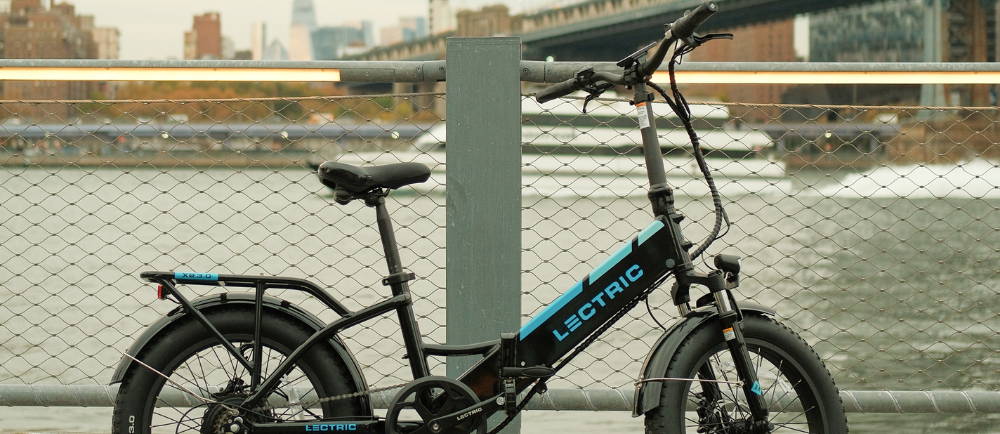
If the bill becomes law, one of the clearest changes for shoppers would be the label on the bike. It would give you the classification, electric motor power, maximum motor-only speed, and minimum age recommendation before you buy. More importantly, sellers couldn’t call something a low-speed e-Bike if it didn’t actually qualify as one. That matters when two electric bikes look similar online but fall into very different legal categories.
Frequently Asked Questions
Is the Safe SPEEDS Act a law?
What does Safe SPEEDS stand for?
Safe SPEEDS stands for the Safe Standards for Personal E-bike and E-moto Device Specifications Act.
Would the Safe SPEEDS Act create new e-Bike classes?
It would direct the CPSC to establish classifications for low-speed e-Bikes and other covered off-road electric vehicles. Before doing that, the commission would evaluate existing laws and standards, including the Class 1, Class 2, and Class 3 system many states already use.
Key Takeaways
- The Safe SPEEDS Act hasn’t become law. Six months after its introduction, H.R. 7839 is still at the introduced stage.
- The bill focuses on what gets sold as an e-Bike. It would establish federal classification and labeling requirements for low-speed e-Bikes and other covered electric vehicles.
- State and local rules would still matter. A new federal standard wouldn’t replace many of the rules governing where and how you can ride an e-Bike.