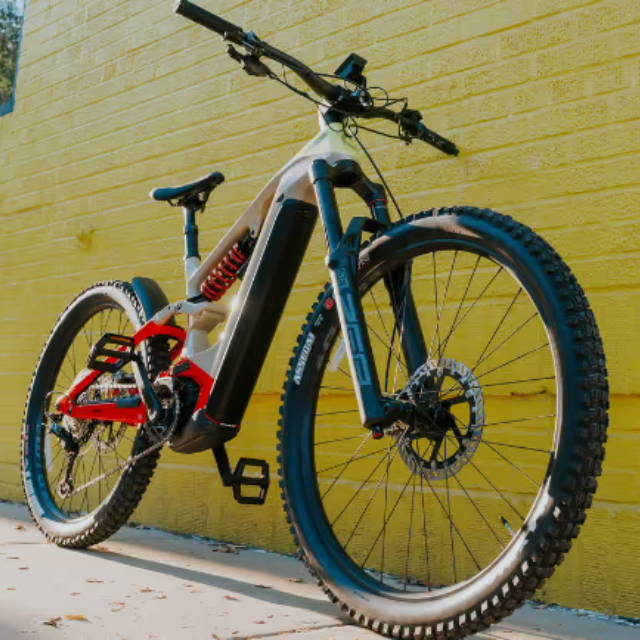
29-inch wheels roll over rough terrain more easily, and 27.5-inch wheels are more agile and often suit shorter riders better.
26-Inch vs 27.5-Inch vs 29-Inch E-Bike Wheels
Written by: Tom Fortune | September 23, 2026 | Time to read 5 min
Wheel size can change a lot about how an electric bike rides. Learn about different wheel sizes and what to expect from each.

More about the Author: Tom Fortune
Tom is a Brit living in the French Alps. When he's not creating written and video content for various brands, he's either pedalling or snowboarding around his local mountains. E-Bikes have unlocked the potential for Tom to explore Alpine terrain and get away from the crowded bike parks. He is only too keen to share his knowledge and experience with other riders.
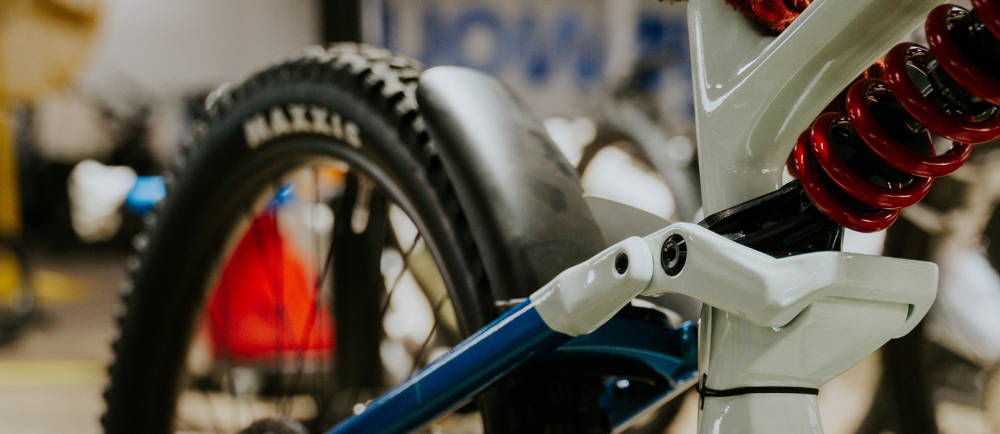
The wheel size of bikes has evolved over time, and there’s still a wide range of wheel diameters on bikes, depending on what they’re built for. I used to prefer smaller wheels on my mountain bikes, but my opinion has evolved as well, as you will soon find out.
Wheel size on an electric bike affects how it rolls over obstacles and how quickly it turns and accelerates. Bigger wheels and smaller wheels handle these differently, which changes how the bike feels and performs.
👋 Welcome to Upway!
Upway is your top destination for buying and selling e-Bikes online. Discover your next e-Bike at up to 60% off retail prices, available in new or like-new condition.
26-Inch Wheels
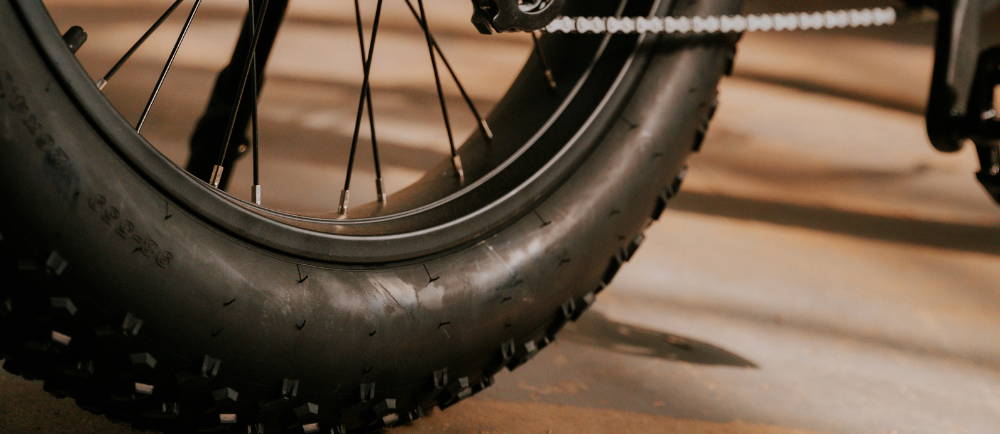
26-inch wheels used to be the standard size across most bike categories. My first mountain bike had 26” wheels, and I loved how agile they made it. These days, they’re mostly found on kids’ bikes and a handful of fat tire bikes, since larger-diameter wheels have taken over almost everywhere else.
This size is lighter and accelerates faster than 27.5- or 29-inch wheels, and it turns tighter too, while being stronger, which is great for aggressive mountain bike terrain. The compromise is that the wheel doesn’t roll as cleanly over roots, rocks, or potholes as a larger one would.
27.5-Inch Wheels
As soon as I could afford a new mountain bike, I went with one with 27.5-inch wheels, sometimes labeled 650b. I was convinced that this was the best wheel size straight away, sitting in the sweet spot between 26-inch and 29-inch. They keep some of the smaller wheel’s agility while adding some of the bigger wheel’s rollover ability.
On a mountain bike, this size tends to feel more playful through technical, twisty singletrack. It’s often the better fit for shorter riders too, since 29-inch frames can feel stretched out underneath them.
29-Inch Wheels
When I first rode a mountain bike with 29-inch wheels, I wasn’t convinced. Looking back, I think it was because I wasn’t used to them and I had to adjust my riding style. One of my issues was that when I landed a jump or drop, I often buzzed the back of my shorts on the rear tire, which was quite alarming and potentially painful.
29ers have the largest contact patch and diameter of the three main sizes. This lets them roll over obstacles and hold momentum on rough ground more easily than smaller wheels. For this reason, cross-country riders and anyone covering long, steady climbs tend to prefer them. They are also great for straight-line speed, which is why they are used on downhill mountain bikes.
The trade-off is more rotational mass. On a regular bike, this makes acceleration feel slower and the bike less flickable in tight corners. You have to take a slightly wider line through berms and flat corners. However, taller riders generally find 29-inch frames fit them better.
When I was looking for a good enduro electric mountain bike, there wasn’t much choice for bikes with 27.5”, so I figured I’d just have to get used to it, which I did, and loved how well the larger wheel rolls over rocks and routes, giving me more confidence when it gets gnarly.
Mixed Wheel Sizes on Mountain Bikes
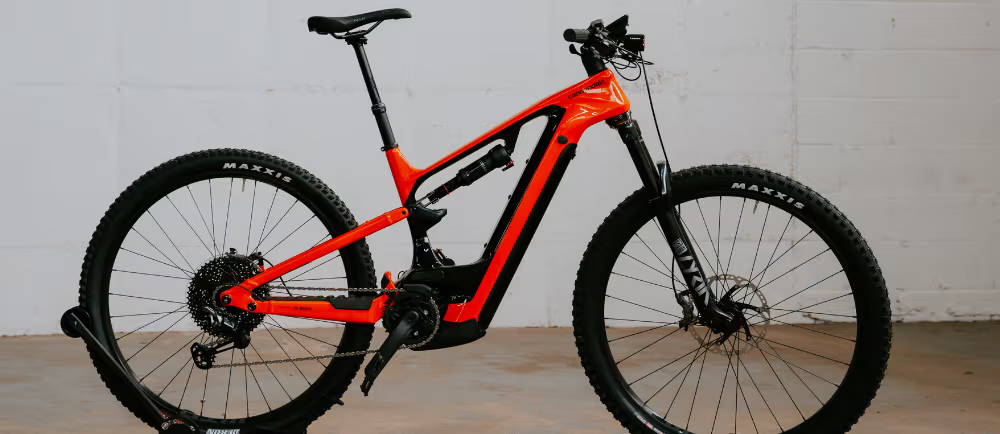
Some mountain bikes have a 29-inch wheel up front and a 27.5-inch wheel at the rear. This is commonly called a mullet build, as it’s business up front and party in the back.
Many people love this setup, but not everyone does. My Focus SAM2 can take a 27.5” rear wheel, which I find suits me better. The bigger front wheel gives you rollover and stability through rough terrain, while the smaller rear wheel keeps the back end nimble through corners, making it more fun.
Standover Height and Frame Fit
Larger wheels raise standover height, as the frame has to clear a bigger wheel and tire. Shorter riders feel this most, and a 29-inch frame can be harder to swing a leg over than the same size frame built for 27.5-inch wheels. This is one of the reasons why I put a 27.5” wheel on the back of my Focus, as along with the flip chip, the smaller wheel size dropped the standover height to compensate for my little legs.
Cost and Where You’ll Find Each
Cadence sensors are the more common choice on budget, commuter, and mid-range e-Bikes, since they’re cheaper to manufacture and simpler. You’ll often find torque sensors on more expensive bikes and mid-drive electric mountain bikes, though that’s changing as they are becoming cheaper to produce. It’s increasingly common now to find torque sensors on rear hub motors, on bikes that wouldn’t have had one a few years ago.
Which One Should You Choose?
If you ride mostly flat and paved, smaller wheels are the better fit. They're lighter and easier to maneuver in traffic. A folding e-Bike is a good example, since smaller wheels also help it pack down smaller.
If you're a mountain biker, you might prefer the rollover ability of 29-inch wheels. A mullet build is another option if you want the confidence of a larger wheel at the front without losing rear-end agility. Shorter riders should check standover height no matter which size they're leaning toward.
Whatever wheel size you decide on, every bike Upway sells goes through a 50-point inspection before it's listed, so you can compare wheel sizes across models without worrying about the condition of what you're buying. Browse the used electric bikes collection to see what's currently available.
Frequently Asked Questions
Are 29-inch wheels better than 27.5" wheels?
Why do some mountain bikes have two different wheel sizes?
This is called a mullet build, a 29-inch wheel at the front and a 27.5-inch wheel at the rear. It combines the front wheel's rollover ability with the rear wheel's cornering agility.
Does wheel size affect standover height?
Yes. Larger wheels need more frame clearance, which raises standover height. Shorter riders notice this most, and may find a smaller wheel size or a mullet build fits them better.
Key Takeaways
- Bigger wheels roll over rough terrain more easily and hold momentum better, while smaller wheels are lighter, quicker to accelerate, and more agile in tight corners.
- Mixed-wheel, or mullet, builds pair a 29-inch front wheel with a 27.5-inch rear wheel.
- Wheel size affects standover height and ride feel.