The Orbea Wild LT is the better option for riders who prioritize aggressive descending, adjustability, and race-inspired handling. The Cannondale Moterra is the more versatile option for riders who want a single e-MTB for climbing, descending, and long trail days.
Orbea Wild vs Cannondale Moterra Neo E-Bike Comparison
Written by: Chris Van Leuven | July 21, 2026 | Time to read: 8 min
Compare the Orbea Wild and Cannondale Moterra Neo to see how their motors, suspension, batteries, and handling differ and what to inspect before buying used.

More about the Author: Chris Van Leuven
Chris is a writer, climber, and founder of Yosemite E-Biking in Mariposa, CA. When he’s not tackling Sierra Foothills trails or scaling rock walls, he’s crafting adventure stories with his boxer, Fenster. His work has appeared in Outside, Men’s Journal, Gripped, and Best American Sports Writing.
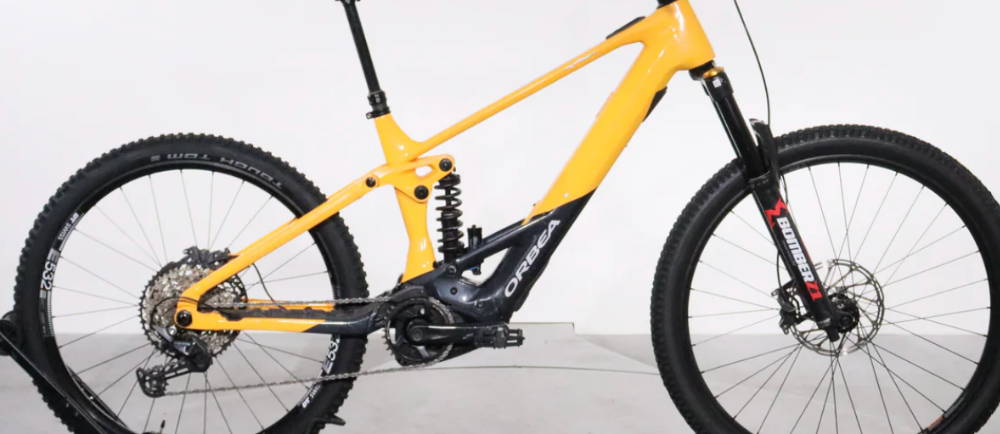
Two full-power electric mountain bikes can have similar suspension travel and battery sizes yet feel completely different once the trail points downhill. That’s the case with the Orbea Wild and Cannondale Moterra Neo. The Orbea Wild leans toward aggressive, race-inspired riding. The Moterra Neo is steadier over a long day on the trail. Both climb extremely well, but they reward different riders.
In this blog, I’ll compare how they ride, where each one works best, and what I’d check before buying either bike used or certified pre-owned on Upway.
👋 Welcome to Upway!
Upway is your top destination for buying and selling e-Bikes online. Discover your next e-Bike at up to 60% off retail prices, available in new or like-new condition.
Table of Contents
Orbea Wild vs. Cannondale Moterra Neo at a glance
The Orbea Wild is built for aggressive riding
The Moterra Neo prioritizes balance and control
Motor, battery, and suspension differences
Which bike makes more sense for your riding?
What to inspect before buying either bike secondhand
Buying a certified pre-owned e-MTB on Upway
Orbea Wild vs. Cannondale Moterra Neo at a glance
| Category | Orbea Wild LT | Cannondale Moterra |
|---|---|---|
| Overall personality | Race-oriented and aggressive | Balanced, versatile, and confidence-inspiring |
| Best terrain | Steep enduro trails, bike parks, and technical descents | Trail networks, all-mountain riding, and long backcountry days |
| Ride feel | Quick to change lines and highly responsive | Stable and predictable over rough ground |
| Motor | Avinox M2S with Orbea RS tuning on select current builds | Bosch Performance Line CX |
| Peak torque | Up to 120Nm | Up to 120Nm on the latest Bosch CX system |
| Battery options | 600Wh or 800Wh | 600Wh or 800Wh |
| Suspension | 170mm front and rear; 180mm fork on some builds | 160mm front and 150mm rear on the standard Moterra; longer-travel LT versions are also available |
| Wheel size | 29-inch; mixed-wheel setups available on select builds | 29-inch |
| Frame options | Carbon OMR and Hydro aluminum | Carbon and aluminum |
| Geometry | Adjustable geometry | Proportional Response geometry tuned by frame size |
| Best for | Riders chasing maximum downhill performance | Riders wanting one e-MTB for climbing, descending, and everyday trail riding |
The Orbea Wild is built for aggressive riding
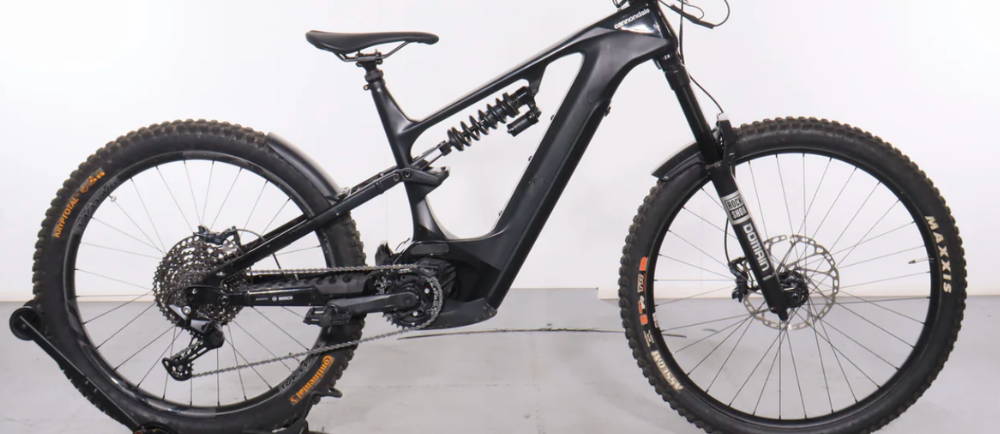
The Wild LT feels like a bike that expects you to push harder, and everything begins with descending. The 170mm suspension, low center of gravity, and adjustable geometry encourage speed when the trail gets steep. Instead of trying to hide the weight of a full-power e-MTB, Orbea concentrated it where it’s less likely to fight you in corners. That helps in fast rock gardens, repeated drops, and off-camber turns. The Wild is meant to stay balanced when a lighter-duty trail bike starts getting knocked off line.
The current Wild LT also introduces the Avinox M2S motor platform on select models. Paired with Orbea’s RS tuning, the assistance reacts quickly to changes in pedal pressure. On a technical climb, that response can help you maintain momentum over a ledge or through loose rock. RS-equipped bikes can integrate the motor controls, ride information, smart dropper post, and, on certain builds, the FOX eNeo shock. It’s a sophisticated setup, though it also gives a used buyer more electronics to test.
The Wild LT is surprisingly approachable. As the terrain gets steeper and rougher, its suspension, geometry, and quick reactions become even more rewarding.
The Moterra Neo prioritizes balance and control
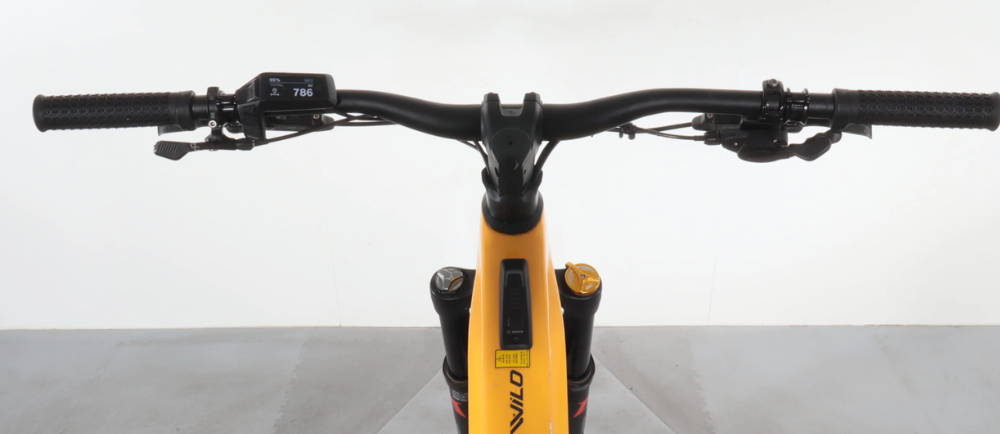
The Moterra approaches the same terrain with a steadier personality. On long descents filled with loose rock, roots, and braking bumps, it settles into the trail rather than constantly attacking the next feature.
The current Moterra combines Bosch’s Performance Line CX motor with Cannondale’s Proportional Response design. Each frame size has its own geometry and suspension kinematics, rather than Cannondale simply scaling one layout up or down. That’s useful because a rider on a small frame shouldn’t have a completely different connection to the wheels and suspension than someone on an XL frame.
The Moterra family also spans a wider range of price points. Aluminum and carbon frames, 600Wh and 800Wh batteries, and drivetrains ranging from Shimano CUES to XT Di2 give riders more ways to buy into the platform.
The Wild feels like the more specialized bike. The Moterra is easier to picture handling a regular mix of climbing, rough descents, and long trail days without requiring a race-focused build.
Motor, battery, and suspension differences
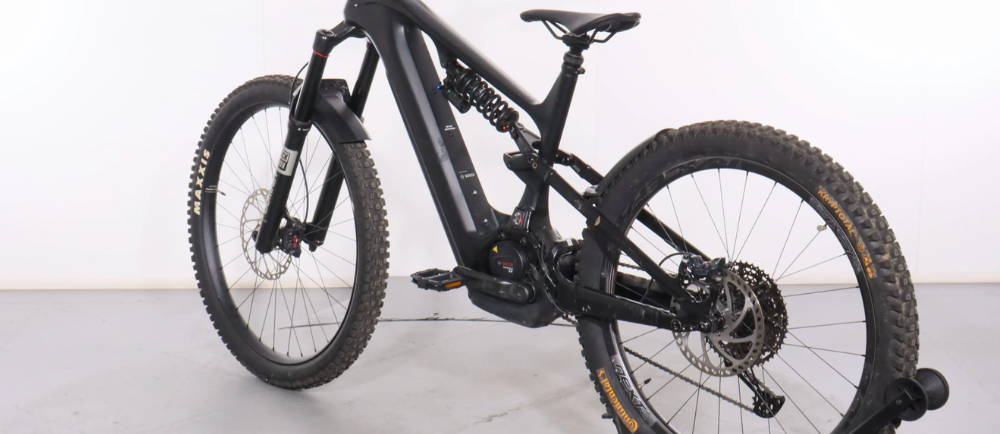
The biggest mechanical difference isn’t the amount of suspension. It’s how the motors deliver power. Orbea’s Avinox M2S responds quickly when you add pedal pressure. That helps when clearing ledges, restarting on a steep pitch, or keeping the rear tire moving through slow technical terrain.
Bosch’s Performance Line CX feels more progressive. The power builds predictably, which can make it easier to find traction on loose climbs where stomping harder only breaks the rear tire free. I’d lean toward Bosch if I planned to own the bike for years and wanted broad dealer and service support. I’d choose Avinox if instant response and integrated controls mattered more than familiarity. Both families offer 600Wh and 800Wh batteries on select models.
The larger battery makes sense for long climbing days, cold weather, repeated laps, and frequent use of higher assistance modes. The smaller battery cuts weight and may help the bike feel more responsive when changing direction.
That lighter setup fits the Wild’s personality especially well. An 800Wh Moterra is easy to justify for long all-mountain rides where a little added weight matters less than finishing with battery remaining. However, the advertised range only tells part of the story. Elevation, rider weight, temperature, tire pressure, mud, and assistance level all change how far either bike will go.
Which bike makes more sense for your riding?
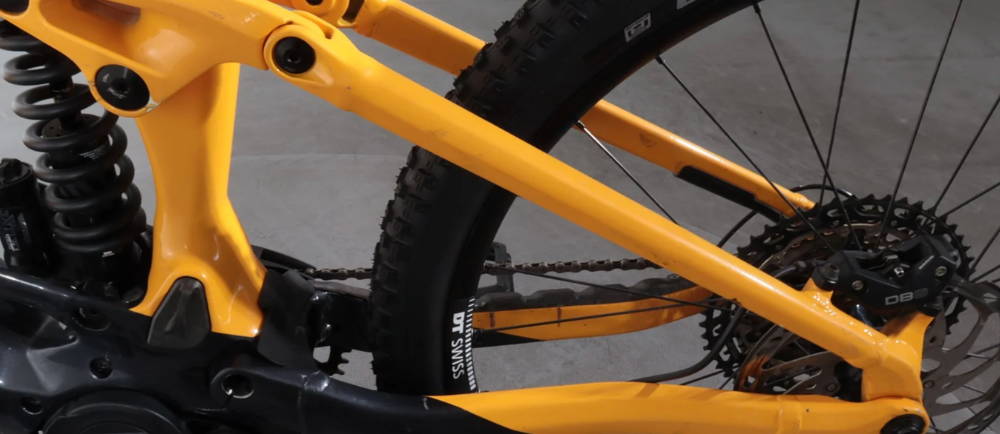
I’d choose the Orbea Wild LT for steep enduro terrain where descending performance matters most. It’s the bike for riders who enjoy adjusting geometry, tuning suspension, and riding fast enough to notice those changes.
I’d choose the Cannondale Moterra if I wanted one e-MTB for almost everything. Technical climbs, rocky descents, long trail rides, and normal weekend riding all suit it. The Wild rewards riders who naturally push harder. The Moterra asks less from you as the ride gets longer. Buy for the trails you ride every weekend, not the hardest trail you’ve watched someone else ride.
What to inspect before buying either bike secondhand
These bikes are built to take hard trail miles, so scratches rarely tell the whole story. I’d spend more time inspecting expensive parts than worrying about chipped paint. Start with the motor and battery. Make sure assistance engages smoothly, check the display for warning messages, and confirm that the correct charger is included. Ask about battery condition and storage history when possible.
Inspect the fork and rear shock for oil around the seals, scratched stanchions, clunks, or excessive play. Suspension records are especially useful if the bike has spent time in bike parks. Check the pivot bearings, wheels, and frame. Loose pivots, rim dents, uneven spoke tension, and deep strikes around the motor or downtube tell you more than ordinary cosmetic wear.
Hydraulic brakes also work hard on a full-power e-MTB. Check rotor thickness, pad life, and lever feel. Shift through every gear and inspect the chain, cassette, and derailleur for wear or impact damage.
Finally, test the electronics. On the Wild LT, confirm that the RS controls and any connected suspension or dropper functions work. On the Moterra, verify the motor generation and battery before comparing it with other listings.
Buying a certified pre-owned e-MTB on Upway
The Wild LT and Moterra combine expensive motors, batteries, suspension, wheels, brakes, and electronics. Repairing several neglected systems at once can quickly wipe out the savings from buying used.
Shopping on Upway makes it easier to compare the motor generation, battery, frame material, mileage, suspension, and overall condition before buying. Every certified pre-owned e-Bike also goes through a 50-point inspection and includes a 1-year limited warranty and a 14-day return period.
Frequently Asked Questions
Which is better, the Orbea Wild or Cannondale Moterra Neo?
Which bike climbs better?
Both are capable climbers. The Wild LT’s quick-reacting Avinox motor suits technical moves where timing matters. The Bosch-powered Moterra delivers smoother, more progressive assistance that can make it easier to find traction on loose terrain.
Is a used Orbea Wild or Cannondale Moterra worth buying?
Yes, provided the battery, motor, suspension, brakes, drivetrain, wheels, and frame have been inspected carefully. Confirm the exact model year because both families have changed substantially.
Key Takeaways
- The Orbea Wild LT is a race-oriented full-power e-MTB built around aggressive descending, adjustable geometry, and quick motor response.
- The Cannondale Moterra delivers a calmer, more versatile ride with Bosch Performance Line CX power and a wider selection of builds.
- When buying used, prioritize battery condition, suspension service, motor health, wheels, brakes, and maintenance history over cosmetic wear.