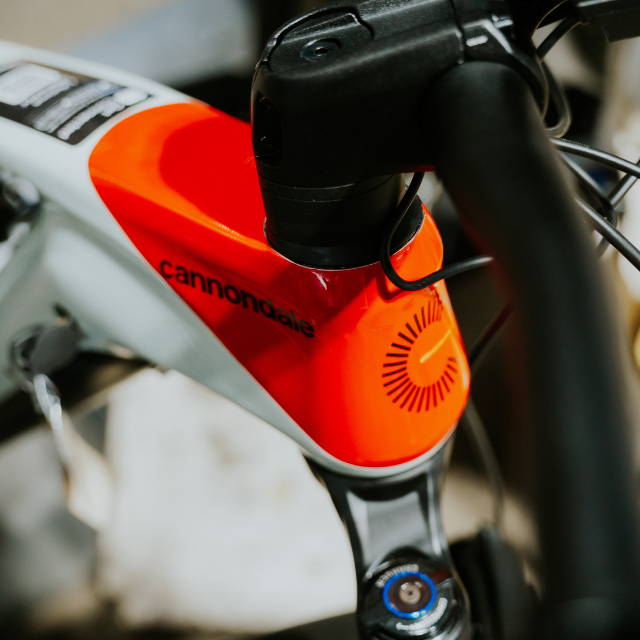
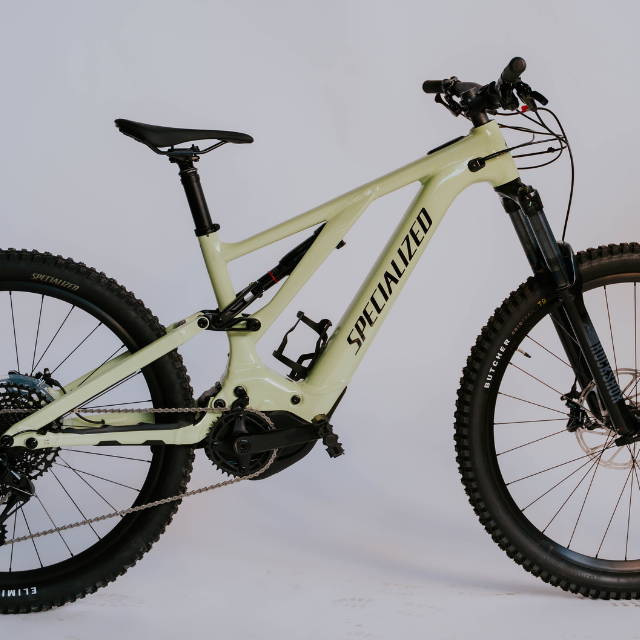
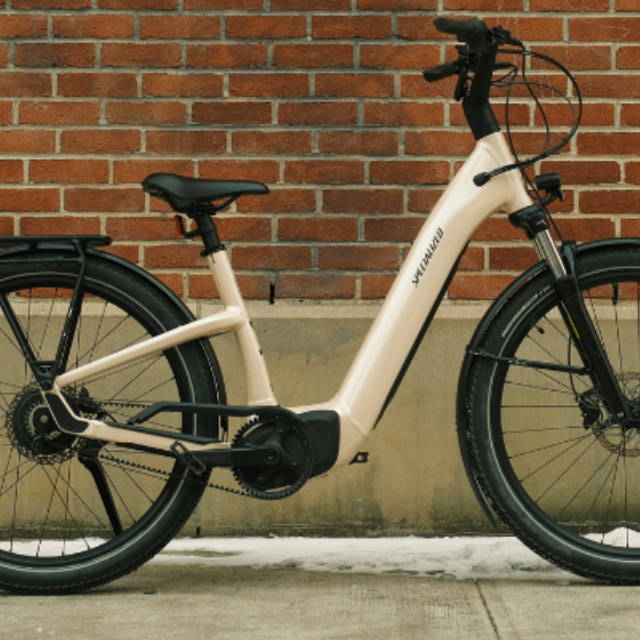
Only if you let it. Ride in lower settings most of the time, and it stays honest. Many riders end up doing more total riding each week.
Is An E-MTB Worth It Compared To A Regular MTB?
Written by: Chris Van Leuven | February 22, 2026 | Time to read 7 min
Is an e-MTB worth it vs a regular MTB? Compare ride feel, workout, cost, trail access, wheel size, and who should choose an electric mountain bike for actual mountain biking.

More about the Author: Chris Van Leuven
Chris is a writer, climber, and founder of Yosemite E-Biking in Mariposa, CA. When he’s not tackling Sierra Foothills trails or scaling rock walls, he’s crafting adventure stories with his boxer, Fenster. His work has appeared in Outside, Men’s Journal, Gripped, and Best American Sports Writing.
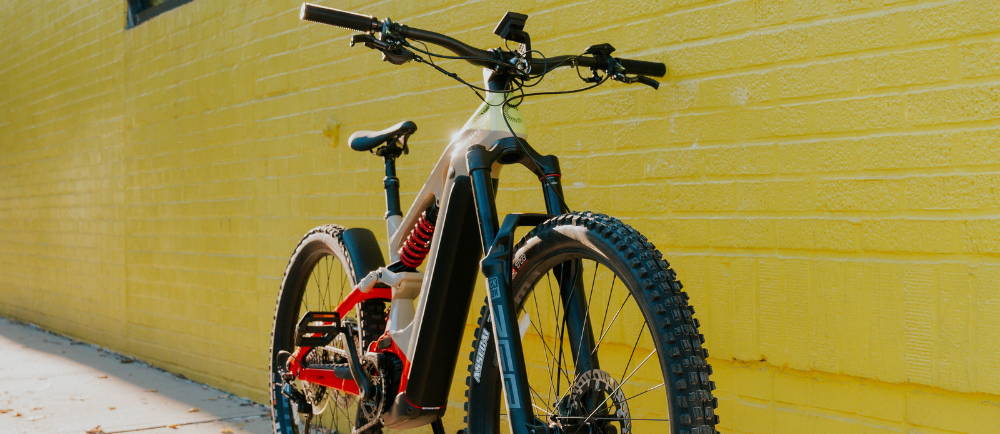
A regular MTB will always be the cleanest way to ride singletrack. It is light, quiet, and simple in a way that makes you feel plugged into the trail. But an e-MTB, or an electric mountain bike, can motivate you to ride more often, especially if your local loop starts with a steep climb or you are trying to fit mountain biking into a crowded week.
What you are really choosing is not a “better bike.” Rather, you are choosing what kind of riding life you want— more laps and more consistency, or the pure, unfiltered feel of a classic mountain bike.
This guide breaks down what changes when you add pedal-assist technology, what stays the same across mountain bikes, and how to decide which option makes sense for your terrain, your fitness goals, and your budget.
If you already know you are leaning toward an electric mountain bike, a smart move is to browse certified pre-owned models on Upway and compare them in one place.
👋 Welcome to Upway!
Upway is your top destination for buying and selling e-Bikes online. Discover your next e-Bike at up to 60% off retail prices, available in new or like-new condition.
Table of Contents
The quick difference
A regular MTB is all rider input, all the time. An e-MTB is an electric mountain bike with pedal assist. You still pedal, but the motor adds support, changing how climbing feels and how long you can keep riding at a steady effort. The biggest shift is the power delivery. On a regular bike, you get what you give. On an e-MTBthe bike gives back.
In the U.S., most trail-friendly e-MTBs are sold as Class 1 electric bikes, meaning pedal assist only (no throttle) with a top assisted speed of 20 mph. Class 2 also tops out at 20 mph but adds a throttle, allowing the motor to propel the bike without pedaling, depending on the model. Class 3 is pedal-assist and often with a throttle, with assistance up to 28 mph, and it is often treated differently under local trail rules, so do not assume access. The fastest reality check is always the land manager’s website for the trail system you actually ride.
Types of electric mountain bikes
Within the e-MTB lineup, there is another split that matters more than most people think: Lightweight e-MTBs versus full-powered e-MTBs. Lightweight builds are trying to preserve that “normal bike” feel.
Full-powered e-MTBs are built for maximum assist and range, so climbs feel shorter and you can fit more descents into the same ride window. A bike like the Trek EXe often comes up in discussions of lightweight because it is designed to feel more like a traditional trail bike, with quieter, subtler support from a smaller drive system.
If you are shopping online, it helps to narrow your search early by suspension type (hardtail, fat-tire, or full-suspension), because that choice affects handling, comfort, service needs, and cost as much as the motor does. On Upway, that’s an easy filter to use right away, so you can compare certified pre-owned electric mountain bike options within the same suspension style instead of bouncing between totally different builds.
Where an e-MTB feels worth it
An e-MTB makes the most sense when your trails are the kind that punish tight schedules. If your “quick loop” still includes long climbs, punchy grades, or a lot of stop-and-go elevation, assist can change your week in a very real way.
For many riders, electric mountain bikes feel worth it for one simple reason: You get more riding for the same time investment. You can stack more descents, take a longer route without turning it into a suffer-fest, or ride after work without needing a full recovery day afterward.
It can also change how you use lift-served terrain. A bike park day is not always just pure chairlift laps. Sometimes you are pedaling to connectors, climbing to side hits, or lapping terrain where the uphill is still part of the day. That is where an electric mountain bike can keep the day rolling.
One more honest reason e-MTBs matter: They keep people riding. That includes riders returning from injury, riders dealing with physical limitations, and riders who want to be out more often without every ride becoming a full-gas effort. Over a season, that consistency adds up.
Where a regular MTB still wins
A regular MTB still wins on feel. It is the cleaner, simpler tool, and that simplicity matters when trails are tight, technical, and you care about precision.
It is also the easiest bike to live with. Less weight to move around. Less charging and battery routine. Less worry about electronics. And if your trail system is strict about access, a regular MTB stays the safest choice, because you do not have to wonder whether an electric mountain bike is allowed.
If you want a quick gut check, here are the cases where I keep leaning toward analog:
- You travel with your bike a lot: Traditional MTBs are easier to fit on racks, carry up stairs, and fit into tight storage.
- Your rides are steep and technical, and you like earning climbs with fitness and line choice.
- You want less complexity and fewer expensive systems in your week.
Weight is part of it, too. Even the lighter electric mountain bike builds are heavier than comparable regular mountain bikes, and you notice it most at low speeds, during awkward maneuvers, and when lifting the bike.
🤝 Why you can trust us for buying an e-Bike?
- Great prices: Get your next e-Bike for up to 60% off retail prices, in new or like-new conditions.
- Quality Guaranteed: Every e-Bike is rigorously certified by a team of professional mechanics, and comes with a 1-year warranty.
- Delivered to Your Door: Delivered to your home within a week. Change your mind? Return it thanks to our 14-day return policy.
🚲 We also buy e-Bikes. Click here for an estimation!
Workout and fitness reality
The workout question is not “Do you work out on an e-MTB?” The question is how you ride it.
A commonly cited finding in e-MTB research is that riders can still achieve a heart rate response comparable to conventional mountain biking, even with pedal-assist. In plain terms, it can absolutely count as real training.
If you care about fitness, the simplest approach is to use assist levels with intention. Ride lower settings most of the time, then bump it up only when you are time-crunched or facing a long, sustained climb. Done right, the effort stays honest, the ride stays fun, and you often end up doing more total minutes of mountain biking each week.
Cost, maintenance, and ownership
This is where the decision gets real.
E-MTBs cost more up front and often more over time. Part of that is normal wear. More laps and higher average speeds may lead to faster wear of brake and drivetrain components, especially on steep terrain. Part of it is complexity. An electric mountain bike has more systems that can fail, and troubleshooting can be more involved than it is on a simple pedal bike.
A few ownership realities that tend to matter after the first couple of months:
- You now have a battery routine.
- You have more parts to protect.
- You may find yourself caring more about component spec than you expected, because replacing e-bike-specific parts is rarely cheap.
It is also worth knowing that the e-MTB world is not one single “feel.” Motor tuning varies a lot. You will see systems like Shimano EP801 on performance builds, and lighter-feeling setups that emphasize a more natural ride experience, like a TQ motor. Specs are helpful, but the way the bike delivers assistance matters just as much as the numbers.
Wheel size, setup, and downhill feel
This is the stuff people gloss over while shopping, then start thinking about nonstop once they have a few rides on the bike.
On both regular and electric mountain bike builds, wheel size affects the ride. Bigger wheels hold speed and feel steadier in rough terrain, which matters even more when an e-MTB has motor-assisted pace.
If you care about downhill performance, treat tires and brakes as first-class decisions, not accessories. More weight and more laps can quickly expose weak points, especially if your rides include fast descents or repeated laps in the bike park.
Battery routine and range reality
Range is useful for rough comparisons, but it is not a guarantee. Any published number is basically a range test run under certain conditions, not a promise you can bank on. Your result shifts with temperature, hills, rider weight, tire pressure, wind, and the amount of support you use.
Another way to think about it: your “range” is really your battery system plus your habits. Same bike, same loop, different assist choices equals a completely different day.
Charging is simple, but take it seriously. Use the manufacturer’s charger. Keep the charging area clear. If something looks damaged, smells hot, or behaves inconsistently, stop and get it checked. That one good habit matters more than any marketing claim.
Save big on E-MTBs with Upway and Upway Flex
Mountain bikes are a category where shopping smart matters as much as choosing the right bike style.
If you are leaning toward an electric mountain bike, certified pre-owned can make the jump feel more reasonable, especially when you are trying to balance suspension, motor system, and condition without paying full retail. It also gives you more chances to find the right build, rather than settling for whatever a shop happens to have in your size.
If you are still undecided, Upway Flex is a subscription-style way to live with an e-Bike for a while before you commit. Flex currently runs through pickup and return at the Upway UpCenter in Redondo Beach, California.
Flex has a 3-month commitment, after which it reverts to month-to-month. It includes a $100 refundable security deposit, a setup session at pickup, comprehensive insurance covering theft and accidental damage, and scheduled maintenance every 6 months. You can also swap once for free during the first three months if you realize you chose the wrong style for your trails.
Frequently Asked Questions
Will an e-MTB make me lazy?
Can I ride with friends on regular MTBs?
Yes, but keep it social. Match the pace, use reasonable assistance, and treat it like a shared ride, not a climbing contest.
What should I watch for when buying a used e-MTB?
Battery condition, drivetrain and brake wear, suspension service history, and whether the bike’s class setup fits your local access rules. It is also fair to ask about any prior range-test notes, but treat them as context, not a guarantee, because range can change with conditions and riding style.
Key Takeaways
- A regular MTB is still the cleanest choice: If you want pure simplicity, lower weight, and the fewest questions about trail access.
- An e-MTB feels worth it when it turns one ride into two descents: E-MTBs keep your riding consistent through a busy week, or help you ride terrain you would otherwise skip.
- If you are on the fence, your best test is time on the trail: Compare certified pre-owned electric mountain bikes, or try Upway Flex long enough to learn what actually changes for your ride experience.