Yes, corrosion can interrupt the electrical connection between the battery, display, controller, motor, or sensors. That can cause power loss, motor stutter, display shutdowns, charging issues, or random error codes.
How To Fix Corroded Connectors on Your E-Bike
Written by: Chris Van Leuven | June 14, 2026 | Time to read: 8 min
Learn how to clean corroded e-Bike connectors safely, spot battery terminal corrosion, prevent moisture damage, and know when connector corrosion needs electric bike repair.

More about the Author: Chris Van Leuven
Chris is a writer, climber, and founder of Yosemite E-Biking in Mariposa, CA. When he’s not tackling Sierra Foothills trails or scaling rock walls, he’s crafting adventure stories with his boxer, Fenster. His work has appeared in Outside, Men’s Journal, Gripped, and Best American Sports Writing.
Corrosion on an e-Bike connector usually starts small, with a little green crust or white film on a battery contact. It could also be a rusty-looking mark near the charging port. Or maybe the bike still turns on, so it’s easy to pretend it isn’t there. But I wouldn’t ignore it.
In this blog, I’ll walk through what corroded e-Bike connectors look like, what’s safe to clean, what not to use, how to protect connectors after cleaning, and when the bike belongs in a shop.
👋 Welcome to Upway!
Upway is your top destination for buying and selling e-Bikes online. Discover your next e-Bike at up to 60% off retail prices, available in new or like-new condition.
Table of Contents
What is corrosion?
Corrosion is different from a loose plug or a one-time glitch. It means moisture, salt, road grime, or storage conditions have been working on the metal contact points for a while. Sometimes it shows up after winter riding, and sometimes it appears after the bike has sat in a damp shed. Other times, it starts around a charging port cover that was never sealed properly. Corrosion is one of those problems I’d rather catch early than troubleshoot on the side of the road.
Before you assume it’s the battery or controller, check the contact points. A corroded connector can make a healthy e-Bike act less healthy: flickering display, motor stutter, charging problems, random power loss, or error codes that come and go.
The trick is knowing the difference between light corrosion you can clean and damage you shouldn’t touch. Surface grime is one thing. Melted plastic, blackened pins, exposed wire, a swollen battery, or anything that smells hot is another. Call your shop.
How corrosion starts
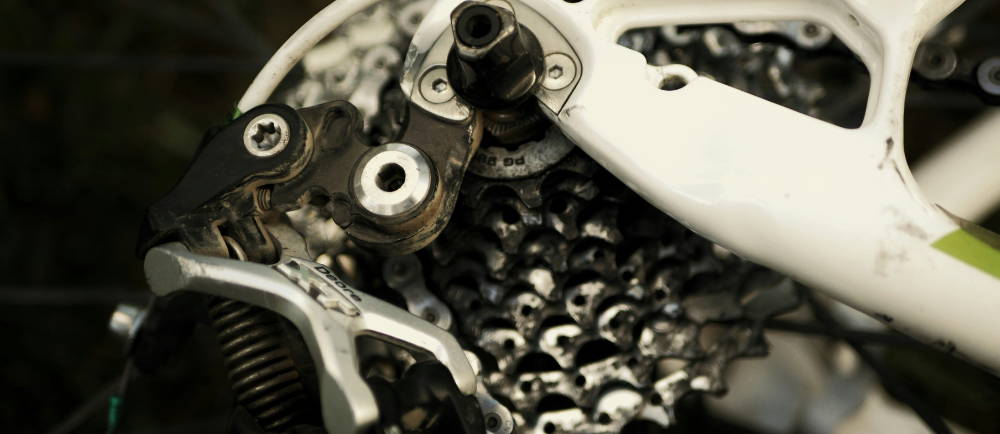
Corrosion starts with water sitting where it shouldn’t. Add some road grime, winter salt, sweat, coastal air, a loose rubber cover, or damp storage, and the metal contacts can start to oxidize. The battery mount is the first place I’d look. On many e-Bikes, the battery slides into a cradle or locks onto frame-side contacts. That area sees dust, moisture, vibration, and repeated battery removal. If those contacts corrode, the electric bike can shut off, not power up, or appear to have a dead battery.
The charging port is another common spot for it to start. The rubber cover may not seal perfectly, or it may be missing, cracked, or left open after charging. Once moisture and dirt get inside, charging can become inconsistent. Other areas can corrode, too, including display wires, brake sensor plugs, throttle wiring, motor cables, and visible controller wiring. I wouldn’t take the whole bike apart looking for trouble, but I would check the obvious contact points first.
What corrosion looks like
Corrosion can show up as green or blue buildup, white powder, rust-colored staining, dull metal, black marks, or pitting on the contacts. Sometimes it looks minor. Sometimes it’s more.
A corroded connector can increase resistance in the electrical connection. That can lead to power loss, motor stutter, charging problems, display shutdowns, or random error codes. It can also make the bike more sensitive to bumps, vibration, and wet weather.
Typical signs include:
- Green, blue, white, or rusty buildup on contacts
- Battery won’t seat cleanly in the mount
- Display flickers or shuts off
- Motor cuts out under load
- Bike loses power after wet rides
- Charger plug feels loose or inconsistent
- Error codes show up and then disappear
- Contacts look dull, pitted, blackened, or burned
The question isn’t just whether you see corrosion; it’s how bad it is. Light surface oxidation may clean up. Heavy corrosion, black arcing marks, melted plastic, or damaged pins mean the connector needs repair or replacement.
What not to use on e-Bike connectors
This is where people can make things worse. Don’t use water, household cleaners, vinegar, or baking soda. Don’t scrape small contacts with sandpaper, and don’t scrape battery terminals with a knife, screwdriver, or file. Also (perhaps obviously), don’t blast the bike with a pressure washer. E-Bike connectors are smaller, often plated, and tied into a battery, controller, display, and wiring system that doesn’t like short circuits.
Sandpaper is especially tempting and useful in some areas, but I’d avoid it on small e-Bike contacts. It can remove protective plating and cause corrosion to return faster. A metal pick can bend pins or bridge contacts. Too much pressure will turn a dirty connector into a broken one.
How to clean light corrosion safely
Before touching anything, turn the e-Bike off and remove the battery. Be careful not to clean connectors while the system is powered on, and don’t insert metal tools into battery contacts. Also, don’t bridge pins. A short circuit will quickly damage the battery, controller, display, or wiring.
Work somewhere dry and well-lit, and if the bike is wet, dry it first. And for light dust or dirt, start simple: use a clean, dry cloth. A soft brush will help around the connector housing or battery mount. The goal is to remove loose grime without scratching contacts or bending anything.
For light corrosion, use an electrical contact cleaner. Use only what you need and let everything dry completely before reinstalling the battery or turning the bike back on. And be gentle with small contacts. If a pin is bent, loose, blackened, pitted, or partly missing, stop cleaning and get help. That’s no longer a cleaning job. Time to call the shop.
After cleaning, reinstall the battery, make sure it locks into place, and test the bike in a safe area. If the same issue returns, don’t keep scrubbing the connector. Something likely requires replacement.
When dielectric grease helps
Dielectric grease can help, but I’d think of it as prevention instead of repair. Its job is moisture protection. A small amount of the right connector grease can help seal out water and slow corrosion around rubber housings, seals, battery mounts, or exposed connector areas. It’s also useful for e-Bikes that see rain, winter roads, salt, coastal air, or regular rack transport.
But it’s not magic. It will not fix burned pins, loose terminals, a cracked connector, a damaged wire, or a bad battery mount. It also should not be packed into tiny plugs like peanut butter. Too much grease makes a mess, attracts dirt, or interferes with small connectors that were not designed for it. Use the product your bike brand or shop recommends. Apply it lightly. Clean first. Dry everything. Then protect the right area with a very small amount.
When corrosion means shop work
Some corrosion is maintenance. Some corrosion means heat, water, or electrical arcing has already damaged the connector. Stop riding and get help if you see melted plastic, burn marks, black arcing marks, a swollen battery case, exposed copper wire, bent pins, broken pins, heavy corrosion inside a battery port, water inside a controller box, or anything that smells hot.
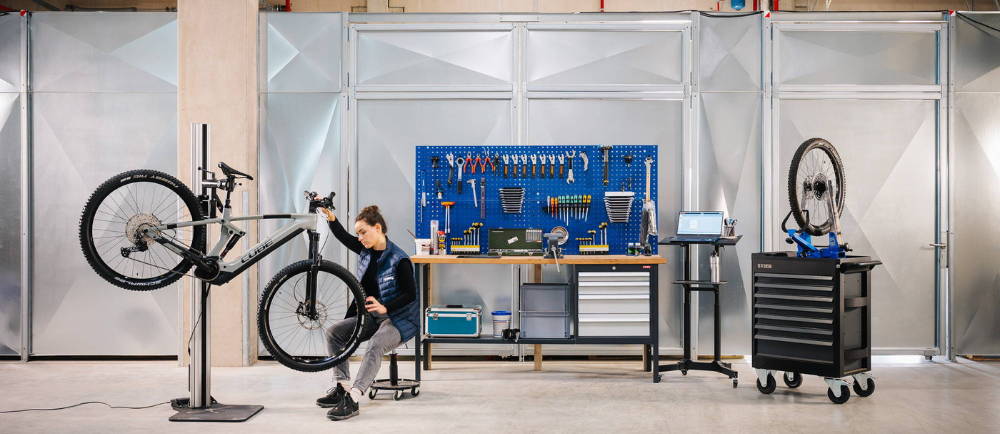
This is where soldering and connector replacement come up. Replacing an e-Bike connector may involve soldering, crimping, heat shrink, waterproofing, wire gauge, polarity, fuses, and safe battery handling. That’s not where I’d learn by trial and error. Again, call your shop.
Warranty matters, too, and you don’t want to lose that. If the bike is under warranty (and even if it is not), don’t cut connectors, open housings, solder wires, or replace plugs before checking with the brand or dealer. Call your shop.
That’s why shopping for certified pre-owned e-Bikes on Upway is such a great idea. Upway’s bikes come with a 1-year warranty, a 14-day return policy, and they undergo a 50-point inspection by master mechanics.
How to keep corrosion from coming back
The best fix is not letting moisture sit there in the first place. After wet rides, dry the bike before storing it. Pay attention to the battery mount, charging port, display area, and motor cable. Make sure rubber charging-port covers are closed and not cracked. If you remove the battery for charging or storage, keep the bike-side contacts clean and dry.
Avoid pressure washing (don’t do that). High-pressure water can push moisture into the motor, battery area, controller, display, and electrical components. Around the electronics, a damp cloth is safer. Storage matters, too. A bike left in a damp shed all winter can develop connector problems even if it was barely ridden. If you ride in winter, on salted roads, near the ocean, or often on wet roads, inspect connectors more often.
You don’t need to take the whole bike apart. Just look at the obvious places: battery contacts, charging port, display, motor cable, and visible wiring near the controller. If something looks dirty, clean it early. If something looks burned, stop early. Corrosion doesn’t get better by itself.
Frequently Asked Questions
Can corroded connectors make an e-Bike lose power?
Can I clean e-Bike battery corrosion myself?
Light surface dirt or minor oxidation may be safe to clean with the battery removed, a dry cloth, and the right electrical contact cleaner. Any of the following: heavy corrosion, burn marks, melted plastic, bent pins, exposed wiring, or battery damage should be taken to a qualified e-Bike shop.
Should I use dielectric grease on e-Bike connectors?
Sometimes, but use it sparingly and only where appropriate. Dielectric grease can help protect against moisture and future corrosion, but it’s not a repair for damaged connectors. Too much will cause problems, especially on small contacts.
Key Takeaways
- Corroded connectors can cause power loss, motor stutter, charging problems, display shutdowns, and confusing error codes.
- Clean only light corrosion, and always turn the bike off and remove the battery first.
- Melted plastic, burn marks, heavy corrosion, exposed wire, bent pins, or a swollen battery mean stop riding and go to a shop.