The Creo 2 has a more powerful motor, a larger removable battery, updated Future Shock suspension, and more tire clearance. The original Creo SL is Class 3 (28 mph assist) while the Creo 2 is Class 1 (20 mph).
Specialized Turbo Creo E-Bike Review
Written by: Tom Fortune | June 10, 2026 | Time to read 5 min
Most e-Bikes are obvious about what they are. The Creo isn’t. It looks like a road bike, rides like a road bike, and just happens to have a motor tucked inside the frame that nobody at the café stop will notice.

More about the Author: Tom Fortune
Tom is a Brit living in the French Alps. When he's not creating written and video content for various brands, he's either pedalling or snowboarding around his local mountains. E-Bikes have unlocked the potential for Tom to explore Alpine terrain and get away from the crowded bike parks. He is only too keen to share his knowledge and experience with other riders.
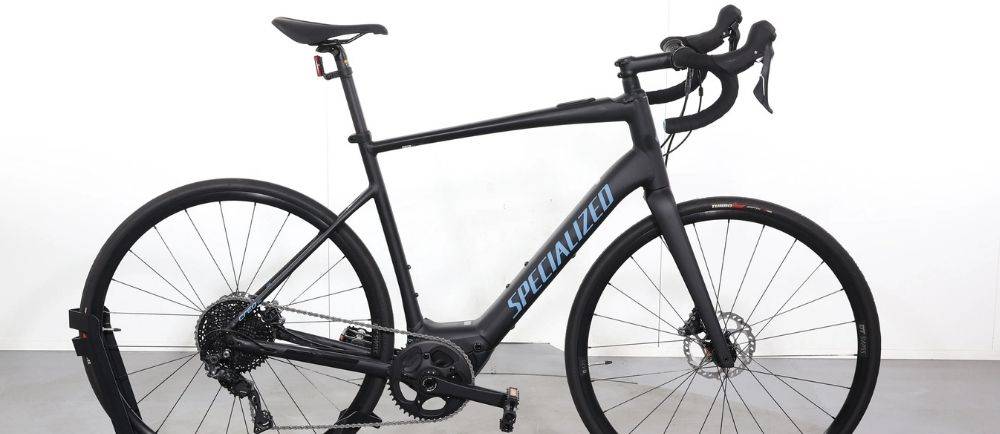
Most electric bikes make a trade-off obvious. You get the range, but the bike weighs as much as a small fridge. You get the power, but it feels like the motor is doing all the work. Specialized has spent years trying to get rid of those trade-offs with the Creo, and the second generation is the closest they’ve got so far.
At 27.5 lbs for the carbon Comp, it’s light enough to ride as a regular bike when you want to, capable enough on gravel to cover terrain most road bikes wouldn’t touch, and discreet enough that you’d have to look closely to know the motor was there.
👋 Welcome to Upway!
Upway is your top destination for buying and selling e-Bikes online. Discover your next e-Bike at up to 60% off retail prices, available in new or like-new condition.
The Original Turbo Creo SL: What It Was
Launched in 2020 and sold until 2023, the Creo SL was Specialized’s first proper attempt at a lightweight e-Road bike. The carbon models used a FACT 11r carbon frame and featured the original SL 1.1 motor, which was upgraded to the SL 1.2 motor from 2022 onward. The internal battery had a capacity of 320Wh. Future Shock suspension, positioned in the headset, provided front-end impact absorption. The carbon models weighed around 29 lbs, notable for an e-Bike then and now.
One important distinction from the Creo 2 is that the internal battery on the original carbon Creo SL models is not removable in the conventional sense. It’s integrated into the frame. Charging is done through a port on the frame rather than by removing the battery. The E5 aluminum model handles charging the same way.
The lineup covered four main builds:
- E5 Comp: aluminum frame, Future Shock 1.5, entry-level spec
- Comp Carbon: FACT 11r carbon, Future Shock 2.0
- Expert: FACT 11r carbon, Future Shock 2.0, higher-spec groupset
- S-Works: top of the range, best components Specialized offered
Two variants existed within the carbon range: standard models with 28c road tires and a fixed seatpost, and EVO models with 38c gravel tires, a dropper post, and flared handlebars for more control off-road. The EVO is the more versatile of the two and is frequently available on the used market.
Something worth knowing about the specs is that the original Creo SL was a Class 3 bike, meaning pedal assist up to 28 mph. The Creo 2 changed this to Class 1 at 20 mph.
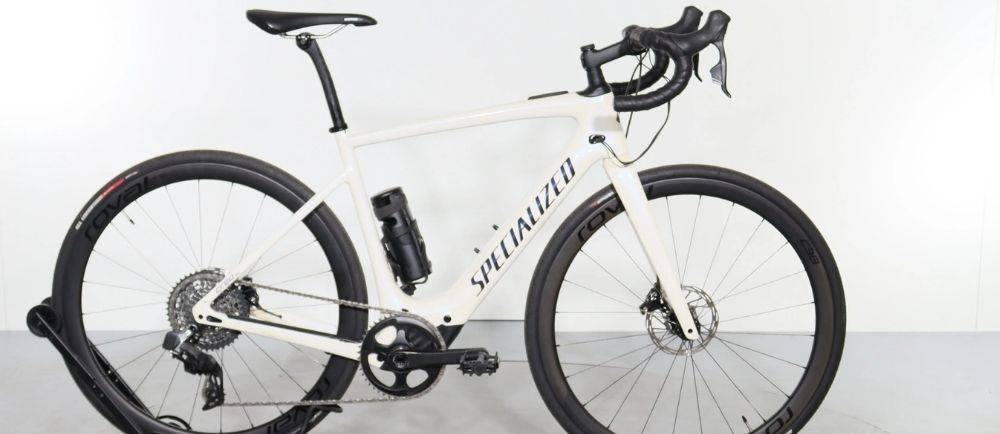
Your The Turbo Creo 2: What Changed
Launched in 2024, the Creo 2 is a significant update rather than a redesign. The SL 1.2 motor carries over, but with 33% more power at 320W and 43% more torque at 50Nm compared to the original SL 1.1. Battery capacity has increased to 430Wh, and it’s now removable. The Future Shock moves to 3.1 or 3.2, depending on the model, and tire clearance increases to 47c across the range.
The class rating changed to Class 1, capping assistance at 20 mph rather than 28. This isn’t really an issue for a gravel bike, but it’s worth knowing if road speed is important to you.
The Lineup: All Current Models Explained
| Model | Retail Price | Key Specs | Best For |
|---|---|---|---|
| Creo 2 Comp E5 | $3,999 | E5 aluminum frame, SRAM Apex eTap AXS, Future Shock 3.1, 700x38c tires with up to 47c clearance | Riders where budget matters more than weight |
| Creo 2 Comp Carbon | $5,999 | FACT 11r carbon frame, Future Shock 3.2, Roval Terra C wheels, approximately 27.5 lbs | Most riders who want the current platform |
| Creo 2 Expert | $7,499 | FACT 11r carbon frame, Roval Terra C wheels, Shimano GRX Di2 or SRAM Rival AXS | Riders who want refined electronic shifting |
| S-Works Creo 2 | $12,999+ | SRAM RED AXS, Roval Terra CLX II carbon wheels, lightest build in the range | Those who want the absolute best of the platform |
Pre-owned original Creo SL models are widely available and represent strong value. Expect to find EVO and non-EVO Expert and Comp Carbon models from 2020 to 2023.
How It Rides
On tarmac, both generations feel closer to a performance road bike than most people expect from an e-gravel bike. The drop bar position, the integrated cockpit, and the Future Shock headset suspension are all familiar to anyone who’s ridden a good road or gravel bike.
The Creo 2 is better on gravel than the original, mainly due to tire clearance and Future Shock upgrades. The EVO version of the original covers similar terrain, but standard non-EVOs with 28c tires are best on tarmac or light gravel.
Climbing is where owners of both generations consistently say the motor impresses. One owner who uses the Creo 2 for rehabilitation after a knee injury described the assist on climbs as allowing him to keep his heart rate under control while still getting out for the rides he loves. Another owner with over 6,000 miles on a Creo SL described it simply as more fun to ride faster. That’s a pretty fair summary of what both bikes are about.
Motor, Battery, and Range
Both generations use a torque sensor, so the motor reads how hard you’re pushing and responds to that rather than just whether your feet are moving. It might seem like a small technical detail, but it makes a big difference in how the bike feels.
The SL 1.1 in the original Creo SL puts out around 240W. The SL 1.2 in the Creo 2 increases that power to 320W with 50Nm of torque, which you’ll really notice on longer climbs. The Creo 2’s 430Wh battery should give you around 60 miles in hilly terrain on Sport mode and over 110 miles on flat routes in Eco. The original Creo SL’s 320Wh battery won’t take you as far, and owners typically report 40-60 miles in mixed conditions. If you need more from either bike, you might want to go for the optional 160Wh Range Extender, which fits into a standard bottle cage and adds roughly 50% more range.
Things to Know Before You Buy
- Class rating changed between generations. The original Creo SL is Class 3 (28 mph assist). The Creo 2 is Class 1 (20 mph assist). If you’re buying pre-owned, confirm which generation you’re looking at.
- Battery accessibility. The original carbon Creo SL has an integrated, non-removable battery. Charging is done through a port on the frame. The Creo 2 battery is accessible and removable.
- Charger cable fragility on the Creo 2. The proprietary charging cable costs around $300 to replace and is fragile at the connector.
- Future Shock maintenance. Both generations use Future Shock headset suspension, which requires specific knowledge and tools to service. Spare parts are not always easy to source quickly.
- Internal cable routing. Fully integrated cables keep the bike clean, but make repairs and replacements more involved than on a conventionally routed bike.
- Motor thermal protection. On long, sustained climbs under heavy effort, the motor can reduce assistance to prevent overheating. A safety feature, not a fault, but worth knowing.
- Not all bike shops service Specialized motors. You’ll need an authorized Specialized dealer for motor-related work on either generation.
Who Should Buy the Creo?
- Cyclists who already ride road or gravel and want a similar experience, but with electric assistance.
- Riders managing injuries, health conditions, or fitness gaps who want to keep covering serious distances.
- Anyone who rides with faster groups and wants to close the gap without switching to a heavier, more upright bike.
- If budget is the priority and you don’t mind the older motor and non-removable battery, a pre-owned original Creo SL EVO is good value on the used market.
- The Creo is not the right bike if you want racks, fenders, or a more upright commuter position. The Vado handles that better.
Find a Turbo Creo on Upway

Both generations appear on Upway, and both offer significant savings over new retail prices for the Creo 2. Every e-Bike undergoes a 50-point mechanical inspection before listing, and any battery with a capacity below 80% is replaced before sale. There’s a one-year warranty on the frame, motor, and electrical system, plus a 14-day return window. Delivery is fast and secure, and your bike arrives mostly assembled.
Take a look at what’s currently available in the Specialized selection on Upway.
Frequently Asked Questions
What is the difference between the Creo SL and the Creo 2?
Is the Turbo Creo good for gravel riding?
Yes. The Creo 2 handles gravel and light trails well with clearance for up to 47c tires. The original Creo SL EVO with 38c tires is also capable off-road. The standard non-EVO on 28c tires is better suited to tarmac.
Can I add a Range Extender to the Creo?
Yes. Both generations support the optional 160Wh Range Extender, which fits a standard bottle cage and adds around 50% more range.
Key Takeaways
- Two generations of Creo exist on the used market. The original Creo SL is Class 3 with a non-removable battery. The Creo 2 is Class 1 with an accessible battery and a more powerful motor.
- The Creo 2 Comp Carbon is the sweet spot in the current range. A pre-owned Creo SL EVO is good value if the older spec suits your riding.
- Upway’s certified pre-owned Specialized listings cover both generations, with inspections and warranties on every bike and unbeatable prices.