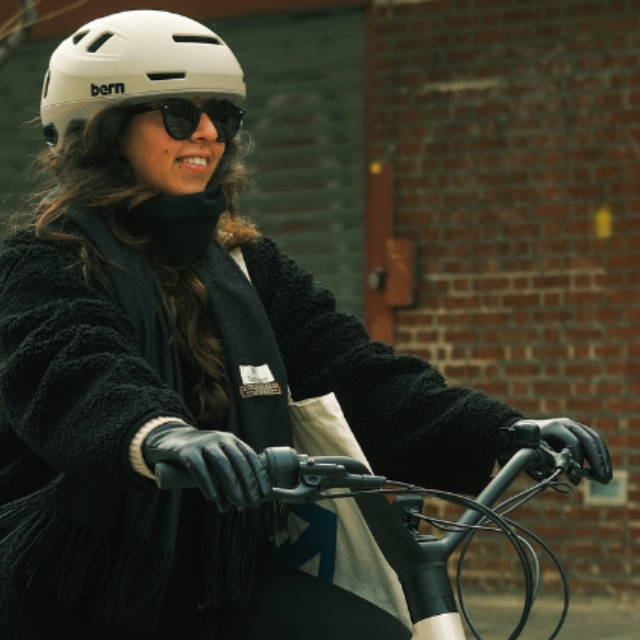
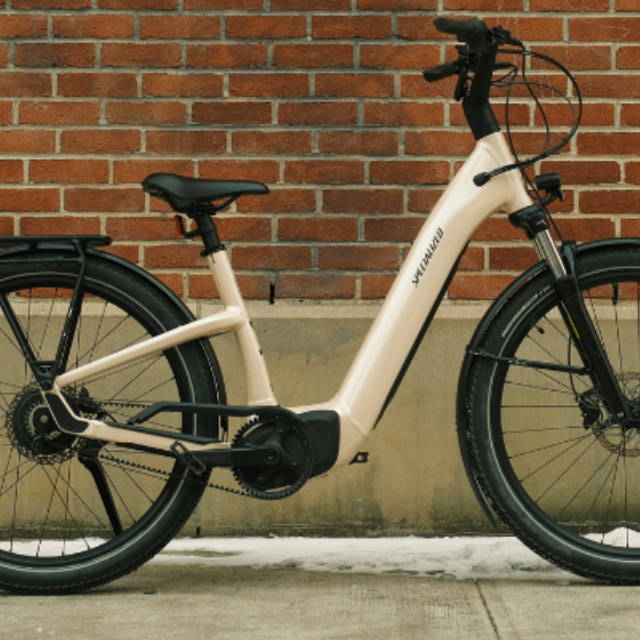
It’s better if it changes your habits. More rides per week. Longer rides without the time penalty. Or the ability to ride the trails you actually have, not the fantasy trails you wish you had.
How Do I Choose the Right E-MTB in 2026? Buyers' Tips
Written by: Chris Van Leuven | February 25, 2026 | Time to read 7 min
Why buying an e-MTB in 2026 makes sense: smarter motors, bigger batteries, better control tech, and the models and motor families worth knowing, plus practical buying tips.

More about the Author: Chris Van Leuven
Chris is a writer, climber, and founder of Yosemite E-Biking in Mariposa, CA. When he’s not tackling Sierra Foothills trails or scaling rock walls, he’s crafting adventure stories with his boxer, Fenster. His work has appeared in Outside, Men’s Journal, Gripped, and Best American Sports Writing.
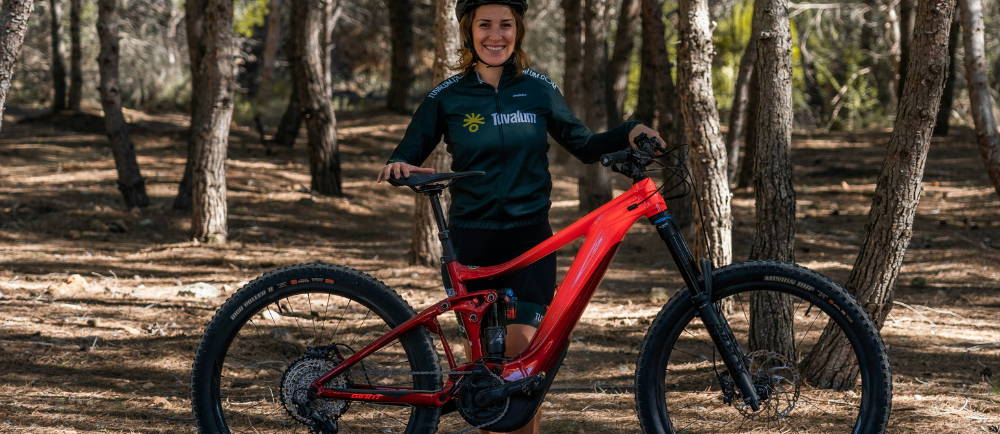
Buying an e-MTB in 2026 feels better than it did even a couple of seasons ago. Buying an e-MTB in 2026 feels better than it did even a couple of seasons ago because electric bike quality has increased significantly.
The lightweight trail-feel category is real now. Full-power bikes have more polish. And the used and certified pre-owned market is big enough that you can be picky about fit, suspension, and motor family instead of settling—especially on Upway, where you can compare certified pre-owned e-MTBs side by side instead of bouncing between totally different builds.
This blog shows you how to shop for an e-MTB in 2026 without getting buried in specs. We’ll start with the big choices that shape ride feel (lightweight vs full-power), then cover the tech that matters on real trails so you can decide if an electric mountain bike is worth it for how you ride.
👋 Welcome to Upway!
Upway is your top destination for buying and selling e-Bikes online. Discover your next e-Bike at up to 60% off retail prices, available in new or like-new condition.
Table of Contents
Match the bike to your trails, your schedule, and your local rules
Pick between lightweight vs full-power e-MTBs
Best e-MTB brands and models in 2026
Best electric mountain bike motors in 2026
Battery size, range-test reality, and charging habits
Newest e-MTB technology and upgrades in 2026
Brakes, traction, and stability tech
Shifting and drivetrain upgrades: Less fuss, more laps
2026 e-MTB safety and rule changes
Upway expands your e-MTB search & savings
Match the bike to your trails, your schedule, and your local rules
Before you compare motors or batteries, run a quick reality check on how you actually ride. The right e-MTB is the one that fits your terrain, your pace, your time window, and what’s allowed where you ride.
Start with three questions:
- Terrain: Are your local trails smooth and rolling, or rocky, steep, and brake-heavy? Chunkier terrain usually rewards more stability, more traction, and suspension that doesn’t get overwhelmed when you’re tired.
- Hilliness and time: Does your typical ride start with a long climb, or a handful of short, punchy climbs? If you’re squeezing rides into a busy week, the right e-MTB can turn “I don’t have time” into a real lap.
- Local e-Bike rules: Access varies. Many U.S. trail systems that allow e-Bikes are specifically thinking of Class 1 pedal-assist. If you travel to ride, treat this as a quick check every time you change trail systems.
Then be honest about tradeoffs. The negatives of e-Bikes usually come down to weight, added complexity, and faster wear on consumables because you’re riding more miles. The goal is to buy a setup that makes those tradeoffs feel manageable, not annoying.
Pick between lightweight vs full-power e-MTBs
This is the fork in the road that makes the rest of the shopping easier.
Lightweight e-MTBs:
These are for riders who want a normal trail-bike rhythm. Quieter feel. Less mass. Assist that stays in the background unless you ask for it. The motor matters, but the vibe matters more.
Full-power e-MTBs:
This is for riders who want climbs to feel dramatically shorter so they can spend their time on descents, not recovery. Full-power bikes are also where you tend to see the newest big-battery setups and the most aggressive push on sustained grades.
Best e-MTB brands and models in 2026
Use these as reference points, not commandments. They’re useful because they represent the main lanes shoppers end up in.
If you want a lightweight, trail-bike feel
- Specialized Turbo Levo SL 2: a common lightweight benchmark; Specialized publishes key output and battery figures for the SL platform.
- Trek Fuel EXe: a long-running light-assist trail-feel reference bike in the category.
If you want full-power support and big-day capability - Specialized Turbo Levo (latest generation). Big torque, big peak power, big battery. This is the modern full-power do-everything template.
- Santa Cruz Bicycles Vala: Bosch-powered full-power platform that’s showing up in 2026 conversations and roundups.
- Canyon Strive: ON. A commonly cross-shopped Bosch-enduro-leaning option, often mentioned for its value relative to capability.
If you’re value-driven but still want a real trail e-MTB - Aventon Ramblas (often cross-shopped as a more budget-reachable trail e-MTB option).
Lists change fast. Treat these as a map of the category, not a final ranking.
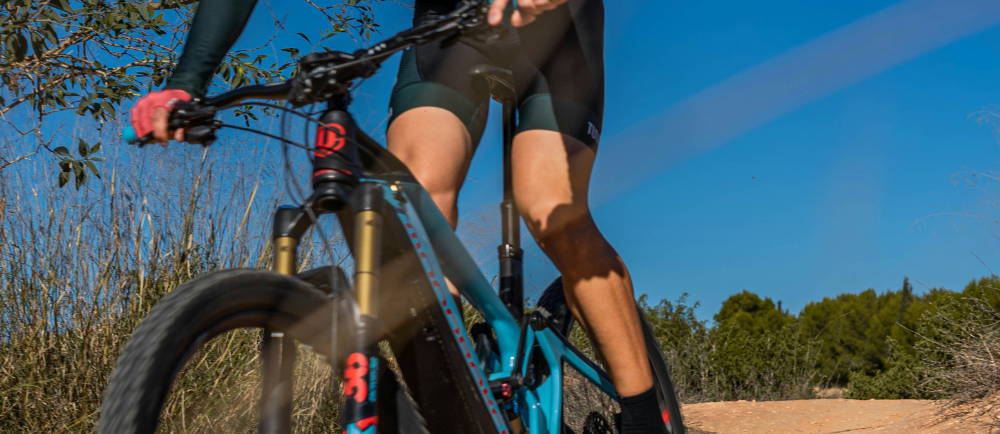
Best Electric Mountain Bike Motors in 2026
Think of motors as ride-feel families, not just spec sheets.
Bosch Performance Line CX
Bosch lists its Performance Line CX (Smart System) with headline numbers that have become a common baseline in the category.
The bigger 2026-style shift: Bosch also offers a Performance Upgrade via the Flow app that can raise torque and peak power on compatible setups. That means you can sometimes tune the bike after purchase instead of changing bikes to get a different feel.
Shimano EP801
Shimano positions EP801 as a high-performance drive unit and publishes its maximum torque figure. This is a core motor family for riders who care about how assist ramps perform on technical climbs and how they behave at low speed.
FAZUA Ride 60
FAZUA publishes Ride 60’s torque and max power, and it’s widely used in bikes aimed at bike first, assist second.
TQ HPR50
TQ publishes core output figures for the HPR50 system. It’s a big player in the keep-it-feeling-like-a-trail-bike lane.
🤝 Why you can trust us for buying an e-Bike?
- Great prices: Get your next e-Bike for up to 60% off retail prices, in new or like-new conditions.
- Quality Guaranteed: Every e-Bike is rigorously certified by a team of professional mechanics, and comes with a 1-year warranty.
- Delivered to Your Door: Delivered to your home within a week. Change your mind? Return it thanks to our 14-day return policy.
🚲 We also buy e-Bikes. Click here for an estimation!
High-output newcomers
Some new systems are pushing very high torque and power numbers (for example, DJI’s Avinox). Most riders don’t need that much output, but it’s part of why 2026 feels like a technological acceleration moment.
Battery size, range-test reality, and charging habits
Here’s the truth: Range claims are only useful for comparison, not prediction. Your real range swings with terrain, temperature, rider weight, tire pressure, wind, and how hard you lean on the assist.
Newest e-MTB technology and upgrades in 2026
- Bigger integrated batteries are becoming more normal in full-power builds (Bosch, for example, publishes an 800 Wh PowerTube option).
- Some flagship bikes publish very large in-frame battery numbers (Specialized’s latest Turbo Levo platform is a clear example).
- Many ecosystems now assume you’ll use an app for setup, modes, firmware, and diagnostics. Less set-it-and-forget-it, more tune it to your week.
Brakes, traction, and stability tech
This is one of the under-talked 2026 upgrades: control systems are improving, not just speed.
Bosch's ABS is designed for performance-oriented riding and is aimed at braking stability and control. Some spec sheets spell this as “e-Bike ABS.” The point is simple: If your riding includes steep pitches, loose corners, or tired-legs descents, this kind of control upgrade can matter more than another 10 Nm of torque.
Shifting and drivetrain upgrades: Less fuss, more laps
Two trends are making 2026 ownership nicer:
- E-Bike shifting systems are getting smarter, including Shimano Auto Shift and Free Shift features. Shimano’s own descriptions focus on shifting automation and shifting without pedaling in certain conditions.
- Modern drivetrains and e-Bike-specific setups are increasingly designed around shifting under load and durability, because e-MTBs make you do more laps, and more laps mean more wear.
This also ties into longevity. People ask what the average lifespan of an e-Bike is, and the practical answer is: The frame can last like any good mountain bike, while the battery and wear parts are the variables. Mileage, charging habits, and service support decide how smooth ownership feels in year three and year five.
2026 e-MTB safety and rule changes
If you’re buying in 2026, two realities are worth respecting:
Classes 1 and 2 are capped at 20 mph. Class 2 is the one defined by a throttle. Class 3 is pedal-assist up to 28 mph and is commonly restricted on multi-use trails. Details vary by state and land manager.
Battery and fire safety standards are getting more attention
Safety standards such as UL 2849 apply to e-Bike electrical systems, and jurisdictions are increasingly directing buyers toward certified products. California’s SB 1271 is one example of a policy move in this direction. Check your local rules if you’re buying or selling in a regulated area.
Upway expands your e-MTB search & savings
If you’re shopping online on Upway, keep it simple: start with electric mountain bikes, then choose full suspension, fat tire, or hardtail. From there, narrow by use case (trail vs. enduro-style builds), and only then compare motor systems and battery size.
Upway’s core pitch is certified pre-owned inventory with inspection and reconditioning, plus policies that reduce the downside of buying without a parking-lot test ride (like a return window and warranty terms).
And if you’re stuck at the “I can’t tell from specs” stage, Upway Flex is designed for real-life testing—on a monthly subscription. Pickup and return through an UpCenter (including Redondo Beach). Program terms are on their subscriptions page and related posts.
Frequently Asked Questions
Is buying an e-MTB in 2026 actually better, or just more expensive?
Do I need full power?
Not always. If you love the feel of a normal trail bike and you’re not trying to delete climbs, lightweight systems are often the sweet spot. If your rides start with a long climb and your goal is more descending, full power earns its keep fast.
What’s the quickest way to narrow options?
Pick your assist personality first (lightweight vs full power). Then pick a suspension type (hardtail vs. full suspension). Then compare the motor family and battery size within that lane.
Key Takeaways
- 2026 e-MTBs feel like a leap because the gains aren’t just power. They’re control, tuning, and better day-to-day usability.
- Choose your lane early (lightweight vs full power). It keeps your comparisons clean and your shortlist honest.
- If you’re buying online on Upway, certified pre-owned inventory and real return policies can make the decision feel a lot less risky.
There is more to Explore
Visit below articles for more info about electric bikes