Cannondale makes more sense for riders who care about geometry, handling, dealer-backed support, and the option to move from commuting to more serious touring or mountain riding.
Cannondale vs Rad Power: Which One Works Better for the Way You Ride?
Written by: Chris Van Leuven | March 23, 2026 | Time to read: 5 min
Cannondale vs Rad Power: compare commuter, cargo, folding, city, and electric mountain bike options to see which brand makes more sense on Upway.

More about the Author: Chris Van Leuven
Chris is a writer, climber, and founder of Yosemite E-Biking in Mariposa, CA. When he’s not tackling Sierra Foothills trails or scaling rock walls, he’s crafting adventure stories with his boxer, Fenster. His work has appeared in Outside, Men’s Journal, Gripped, and Best American Sports Writing.
Cannondale and Rad Power take different approaches to electric bikes. Cannondale comes from a bike-shop background, while Rad Power focuses on direct-to-consumer utility and everyday transportation. The decision is less about subtle differences and more about the kind of riding you do.
Cannondale makes more sense for riders who value ride feel, cleaner design, and category-specific bikes. Rad Power stands out for its cargo space, throttle access, affordable prices, and bikes designed for real-world utility, such as carrying groceries, kids, or pets.
If you commute, run errands, or drop off your kids at school, Rad Power could be what you’re looking for. If you want a bike that feels more traditional or a lineup that stretches from city riding to mountain e-Biking, Cannondale is likely the better fit.
In this blog, you’ll get the real split between Cannondale and Rad Power, the current models that matter most, where Rad Power shines for daily use, where Cannondale pulls away, and how to think about both on Upway.
👋 Welcome to Upway!
Upway is your top destination for buying and selling e-Bikes online. Discover your next e-Bike at up to 60% off retail prices, available in new or like-new condition.
Table of Contents
What separates these brands
Cannondale’s edge is that it still feels like a full bike brand first. Its current electric range includes city bikes, cargo bikes, rugged commuter and touring bikes, and mountain bikes. It leans hard on Bosch within its city, cargo, and touring bikes, and on Bosch or Shimano in its mountain lineup. That gives Cannondale a more polished, category-specific feel from one bike to the next.
Rad Power is more direct. Its lineup is built around practical transportation, accessible pricing, and everyday utility: cargo bikes, commuter bikes, utility bikes, and folding bikes. Payload, throttle access, rider accessibility, and pedal assist are a bigger part of the pitch. The current Rad lineup also shows how much emphasis the brand puts on everyday function, with model families like RadRunner, RadWagon, Radster, and RadExpand.
So the simplest way to put it is this: Cannondale feels more refined and bike-shop-oriented. Rad Power feels more utility-first and more transportation-focused. Neither approach is wrong. They just start from different places.
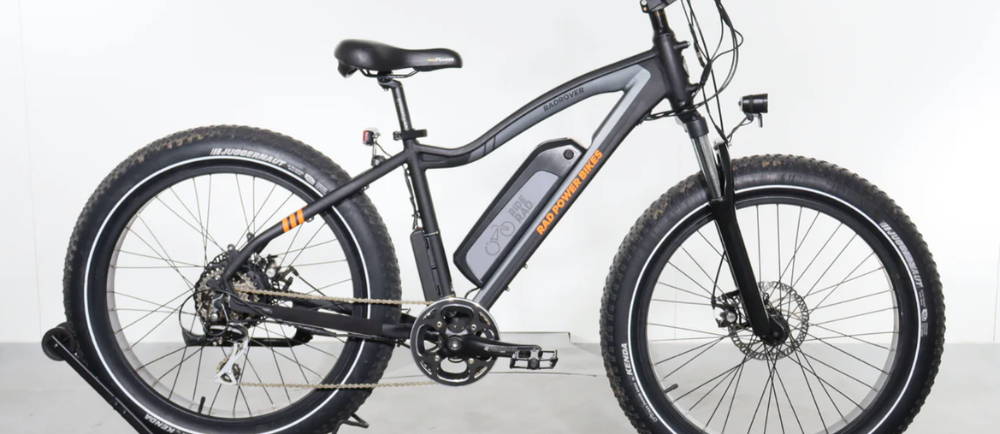
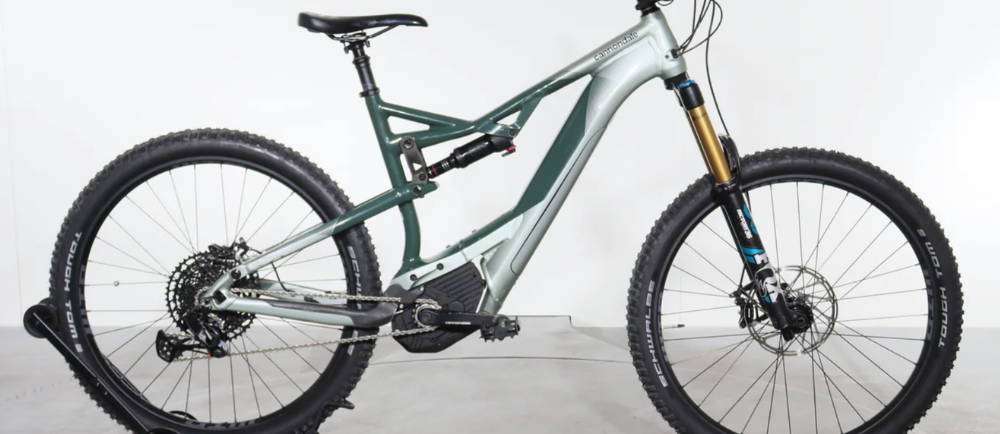
Cannondale vs Rad Power Bikes e-Bike lineup
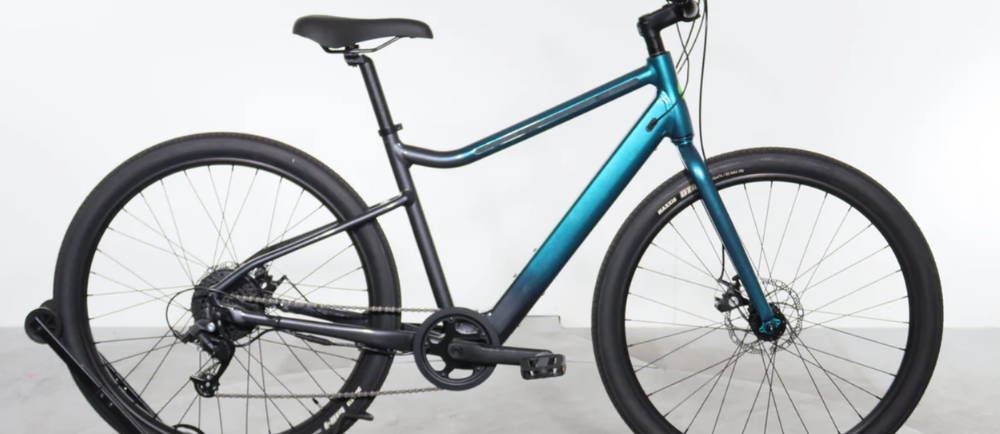
For Cannondale, the key bikes are pretty easy to map:
- Mavaro: premium city bike with a Bosch Sprint 28 mph drive unit, a 750Wh battery, and urban features like integrated lighting and, on some builds, rear-facing radar.
- Tesoro X: commuter model featuring Bosch Performance and the Bosch Smart System, with up to 75 Nm of torque and up to 340% support.
- Cargowagen Neo: longtail cargo option built around the Bosch Cargo Line, a 725Wh battery, and a total capacity of 200 kg, or about 441 lb.
- Moterra family: where Cannondale gets more serious about e-MTB riding; current Moterra SL models use Shimano EP801 with 85 Nm and 600+ watts of max power.
Rad Power’s lineup tells a different story:
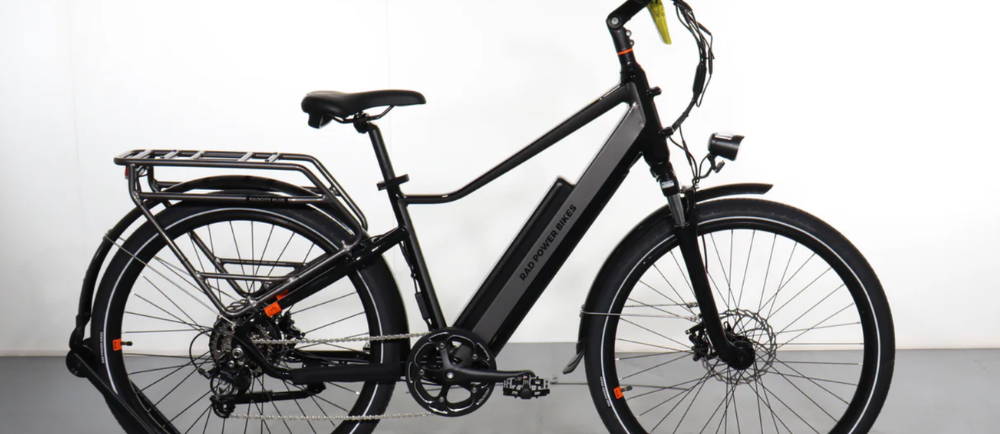
- RadRunner Max: utility-focused cargo bike with a 750W motor, a top speed of 28 mph, 60+ miles of range, and a 420 lb payload.
- RadWagon 5: family cargo bike with a 750W motor, up to 28 mph, 60+ miles of range, and a 375 lb payload.
- Radster Trail: all-around and light off-road option with a 750W motor, 100 Nm of torque, a 28 mph top speed, and 65+ miles of range.
- RadExpand 5 Plus: folding e-Bike with a 315 lb payload.
Those differences are pretty clear: Cannondale organizes more by riding category and ride feel, while Rad Power organizes more by function: cargo, folding, utility, commuting, and carrying capacity.
Best e-Bikes for commuting, cargo, and daily use
Here, Rad Power pulls ahead.
The RadRunner Max and RadWagon 5 are built for riders who want a bike that can get real work done. Carry a kid. Haul groceries. Bring a dog. Replace short car trips. Use a cargo rack without babying it. And in both cases, the numbers back that up. The RadRunner Max is listed at a payload of 420 lb. The RadWagon 5 is listed at 375 lb, with a rear rack rated to 120 lb.
The Radster Trail broadens Rad’s lineup beyond only cargo. With a 750W motor, 100Nm, a 28 mph top speed, and 65+ miles of range, it starts to look like a commuter e-Bike that can also handle rough pavement, bike-path miles, and the occasional dirt-road detour. If your riding is mostly practical but you still want some versatility, it’s worth a look.
Where Cannondale takes the lead
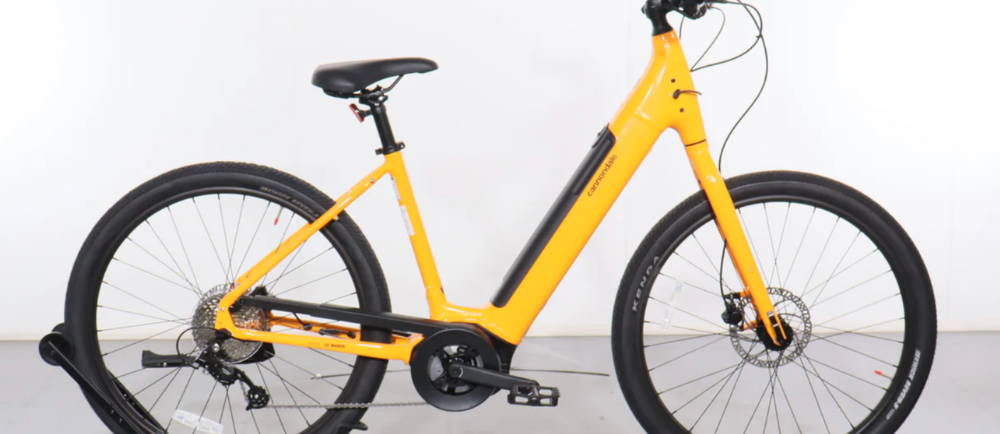
Cannondale pulls away more clearly in ride quality, premium integration, and real e-MTB performance.
Its commuter and touring bikes feel more bicycle-first. The Tesoro X is one of Cannondale’s best commuter and touring models because it offers Bosch Performance support, Bosch Smart System integration, and a ride feel closer to what longtime cyclists usually expect. The Mavaro is a great model too if your priority is comfort, smoother handling, and an electric city bike that feels premium rather than purely practical.
The gap gets wider off-road. Rad Power does not currently have a true answer to something like the Moterra SL, which is built around trail-focused full-suspension, Shimano EP801 drive support, and a much more performance-oriented electric mountain bike design. That’s a different level of bike than the utility model that Rad Power offers.
In other words, in Cannondale’s current lineup, the Mavaro covers premium city use, the Tesoro X handles mixed-surface commuting and touring, the Cargowagen Neo is the cargo and family-hauling option, and the Moterra line covers true e-MTB riding. That’s Cannondale’s biggest strength here.
Where Rad Power is the smarter buy
Choose Rad Power if utility, accessibility, and hassle-free ownership matter more than brand or performance details.
Not everyone wants a Bosch-equipped commuter or a serious e-MTB. Sometimes the question is simpler. You want throttle access. You want something folding. You want a higher payload. You want a bike that can handle errands, school pickup, or a flatter commute without turning it into a precious object. That is exactly where Rad Power makes sense.
A few examples make the point:
- RadRunner Max: 750W, 28 mph, 60+ miles, 420 lb payload.
- RadWagon 5: 750W, 28 mph, 60+ miles, 375 lb payload, 120 lb rear rack.
- Radster Trail: 750W, 100Nm, 28 mph, 65+ miles.
- RadExpand 5 Plus: folding format, 315 lb payload, 59 lb rear-rack payload.
Cannondale is still more likely to feel complete if you care most about ride feel and a more traditional bike design. But Rad Power can be a better option if the bike is more about transportation than a hobby.
Shop Cannondale and Rad Power on Upway
This is where the value equation changes.
With Cannondale, Upway can open the door to more certified pre-owned options across commuter, cargo, city, and mountain categories. With Rad Power, the comparison is a little different. Rad already leans hard on value when new, so the more interesting question is whether a certified pre-owned Cannondale becomes more appealing as the gap narrows. That’s a real shopping question if you’re torn between a premium ride feel and simple utility.
That’s where Upway is useful. Upway’s e-Bikes are inspected and refurbished in U.S. UpCenters, pass a 50-point inspection, come with a 1-year warranty and a 14-day return period, and can save riders up to 60% off retail.
One practical note: some older Rad Power battery packs are subject to a current CPSC safety warning, and the older RadWagon 4 was also subject to a separate recall. If you’re shopping for any used Rad model, it’s worth confirming the exact battery and model year before buying. Upway checks all models and does not sell electric bikes subject to the recent recall.
Frequently Asked Questions
Is Cannondale the better choice if you want a more bike-like ride?
Who gets the most out of Rad Power?
Rad Power makes the most sense for riders who want practical transportation, great cargo options, throttle access, and a simpler buying path. That includes commuters, families, and riders using a bike for errands, hauling, or carrying passengers.
Which brand makes more sense for regular commuting?
It depends on the commute. Rad Power often makes more sense if you want utility, cargo options, and simpler value. Cannondale is usually the better fit if you want a commuter that feels more refined and more like a traditional bicycle.
Key Takeaways
- Cannondale is the better fit if you want a more traditional bike brand with more distinct category separation and higher performance.
- Rad Power is the more utility-first choice, especially for cargo, commuting, folding, passengers, and everyday hauling.
- Upway is a great place to compare the two, especially when a certified pre-owned Cannondale starts to look more appealing next to a new Rad Power bike.