No. U.S. Urban EVO models changed over the years, with differences in Bosch motor generation, battery capacity, display, components, and frame style. Later Urban EVO 10 models use Bosch Performance Line Speed power and were offered in diamond and step-thru frames.
BULLS Urban EVO Review: Fast Commuter E-Bike
Written by: Chris Van Leuven | August 18, 2026 | Time to read: 6 min
Read our BULLS Urban EVO e-Bike review covering the Urban EVO 10, Bosch Performance Line Speed motor, diamond and step-thru frames, and used buying tips.

More about the Author: Chris Van Leuven
Chris is a writer, climber, and founder of Yosemite E-Biking in Mariposa, CA. When he’s not tackling Sierra Foothills trails or scaling rock walls, he’s crafting adventure stories with his boxer, Fenster. His work has appeared in Outside, Men’s Journal, Gripped, and Best American Sports Writing.
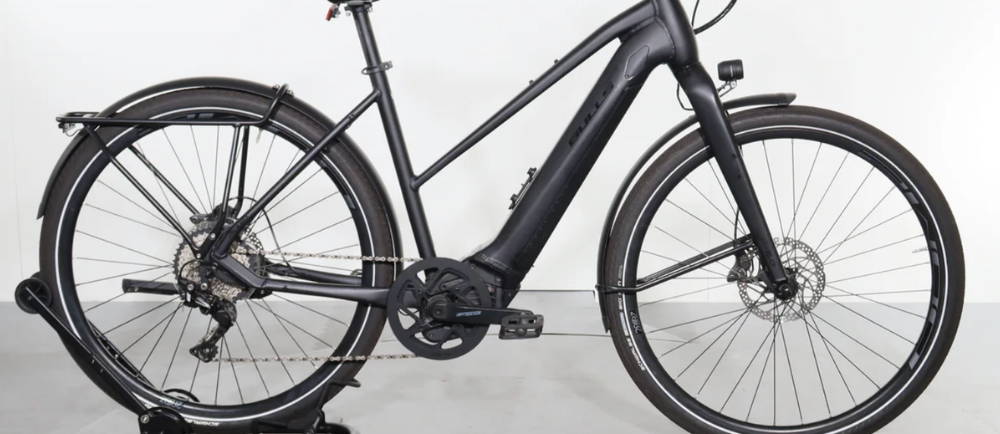
The BULLS Urban EVO gets a lot right about routine commuting. It’s quick, streamlined, and built around parts that make sense when most of your miles happen on smooth pavement. Rather than loading the electric bike with suspension and oversized components, BULLS paired Bosch power with wide Schwalbe tires, dependable Shimano gearing, hydraulic disc brakes, and the equipment you use around town.
Later U.S. Urban EVO 10 models are especially practical. The Bosch Performance Line Speed motor provides Class 3 assistance up to 28 mph, while a 625Wh PowerTube battery offers ample capacity for longer commutes. BULLS also offered both diamond and step-thru frames, making this a fast commuter that works for a fairly broad range of riders.
In this review, I’ll look at what makes the Urban EVO work so well as a commuter, where Class 3 speed matters, how the U.S. versions differ, and what I’d check before buying one used.
👋 Welcome to Upway!
Upway is your top destination for buying and selling e-Bikes online. Discover your next e-Bike at up to 60% off retail prices, available in new or like-new condition.
Table of Contents
Why the Urban EVO Works Without Suspension
The Urban EVO skips the suspension fork, and for a smooth-pavement commuter, that works. A rigid fork is lighter, simpler, and more direct on pavement. If most of your commute is streets and paved bike paths, there’s a good chance you won’t miss the extra hardware. BULLS also gave the Urban EVO wide Schwalbe Big Ben tires, which add enough volume to take some of the sting out of rough asphalt, potholes, and rough bike lanes.
The Urban EVO is more focused than many commuter e-Bikes that borrow heavily from mountain bikes. It isn’t trying to cover every kind of terrain. Its job is to cover city streets efficiently while remaining comfortable enough to ride day after day.
The commuter equipment backs that up. Depending on the model year and configuration, you’ll find practical features such as fenders, integrated lights, and a rear rack. None of that is particularly flashy, but it matters when the bike becomes a means of transportation rather than something you only ride on weekends. The riding position also lands in a useful middle ground. It’s upright enough to watch traffic and navigate intersections without feeling as if all the bike's efficiency has been stripped away.
Where Class 3 Speed Helps
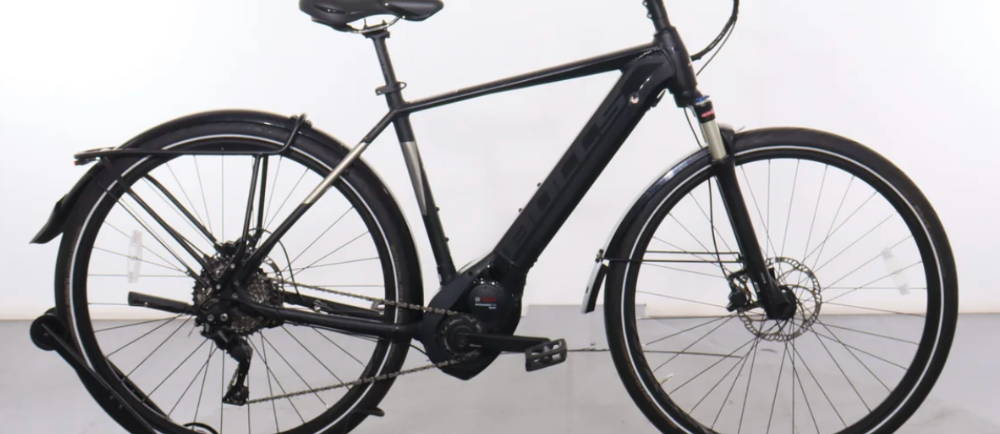
Later U.S. Urban EVO 10 models use Bosch’s Performance Line Speed Gen4 mid-drive, providing pedal assistance up to 28 mph. And, I don’t think 28 mph matters much if your entire ride is three miles through crowded downtown streets, but stretch the commute to 10 or 15 miles, and Class 3 performance makes much more sense.
Long bike lanes, suburban roads, and uninterrupted stretches of pavement give the motor room to work. Holding a higher cruising speed can turn a commute that feels ambitious on a traditional bike into something you’d gladly ride several days a week. That’s when the extra speed starts paying off.
Later Urban EVO 10 models pair the motor with a 625Wh Bosch PowerTube battery. But keep in mind that range will always depend on rider weight, terrain, assist level, weather, and speed, but 625Wh gives the bike useful capacity for longer rides without an extra-large battery on the frame.
Bosch’s Purion display is simple by current standards, but that suits the bike. You get speed, battery status, assist level, and trip information without a large screen taking over the handlebar. The mechanical side is equally straightforward. A Shimano Deore 10-speed drivetrain provides the Urban EVO with useful gearing for city climbs and faster pavement, while hydraulic disc brakes deliver the stopping power you want on a Class 3 commuter.
Nothing here seems to have been added just to look good on a spec sheet. The motor, battery, drivetrain, tires, and brakes all serve the same basic purpose: making everyday rides faster and easier.
Diamond Frame or Step-Thru Frame?
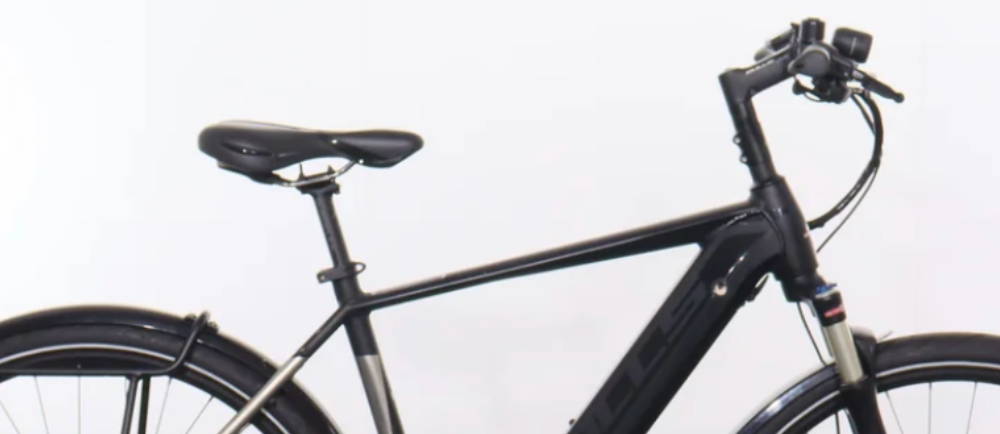
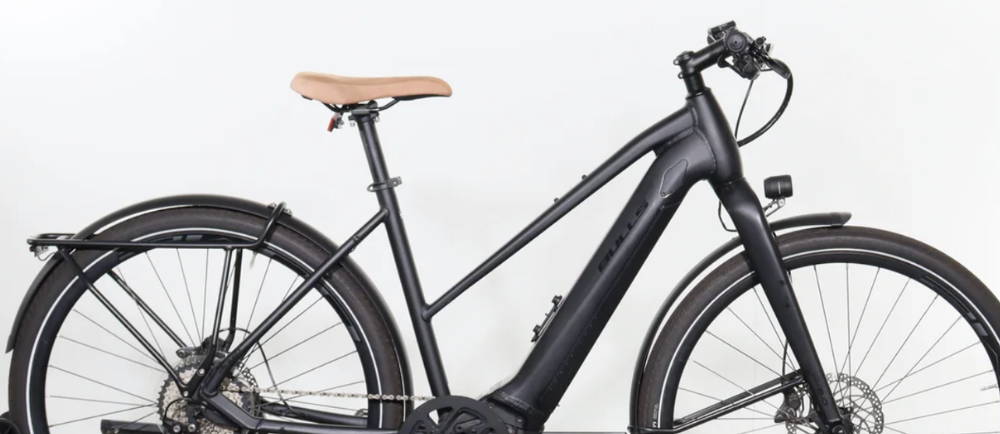
BULLS offered the Urban EVO 10 with both a traditional diamond frame and a step-thru frame. For commuting, the step-thru has a lot going for it. Frequent stops make easier mounting a snap. Add work clothes, groceries, or loaded panniers to the rear rack, and not having to swing a leg over the back of the bike becomes even more convenient.
The diamond frame keeps the traditional layout and will make more sense to riders who already prefer that style. If you’re constantly on and off, the step-thru earns its keep. If you prefer a conventional frame and don’t mind the higher top tube, the diamond is simple. But what’s great is the step-thru still keeps the fast-commuter character that makes the Urban EVO practical in the first place.
How the BULLS Urban EVO Models Differ
BULLS sold the Urban EVO in several U.S. configurations over the years, so the name alone doesn’t tell you exactly what you’re looking at.
| Urban EVO Version | Frame | Drive / Battery | Best For |
|---|---|---|---|
| Urban EVO 10 Step-Thru | Step-through | Bosch Performance Line Speed; later models use 625Wh PowerTube | Longer commutes, frequent stops, easier mounting |
| Urban EVO 10 Diamond | Diamond | Bosch Performance Line Speed; later models use 625Wh PowerTube | Longer commutes and riders who prefer a traditional frame |
| Earlier Urban EVO | Varies by model year | Earlier Bosch Performance Speed systems; battery capacity varies | Used buyers looking for an older Bosch commuter |
The biggest distinction between the Urban EVO 10 versions is the frame. The step-thru makes getting on and off easier, especially with loaded panniers or frequent stops, while the diamond keeps the traditional frame layout.
Model year matters, too. Earlier Urban EVO bikes can use different Bosch motors, batteries, displays, and components from later Urban EVO 10 models. If you’re comparing two used bikes, check the exact year and specifications before comparing price.
What to Check on a Used Urban EVO
Start with the exact model year and frame version. BULLS sold the Urban EVO in several configurations over the years, and battery size, Bosch motor generation, display, and components can vary. Don’t assume two Urban EVO listings are identical just because the name matches. After that, I’d pay more attention to maintenance than cosmetic wear.
A commuter can rack up thousands of miles without being trashed (my main e-Bike has more than 7,000 miles). I’d rather buy one that was ridden regularly and maintained than a low-mileage e-Bike that spent years sitting with a battery that was aging. The rigid fork is an advantage here. There’s no suspension fork service to worry about.
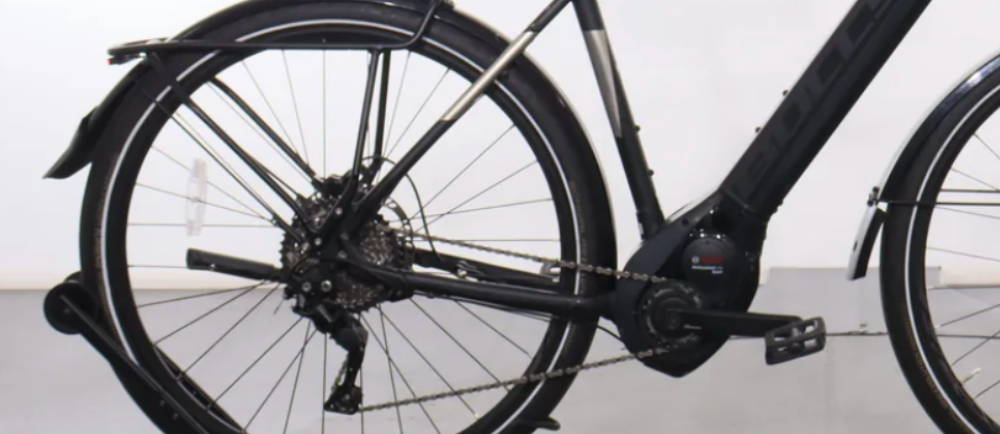
The basic design has aged well. Bosch mid-drive power, a removable PowerTube battery, Shimano Deore gears, hydraulic disc brakes, and wide city tires still make plenty of sense. The condition of the individual bike matters far more than whether its display looks a generation old.
Buying Certified Pre-Owned on Upway
A used Urban EVO can be a great value, but with an older Bosch-powered commuter, knowing the condition of the individual bike matters. That’s why every e-Bike Upway sells receives a professional 50-point inspection before it’s listed. The online listing also includes useful details such as mileage, battery capacity and condition, motor specifications, drivetrain and brake information, repairs completed during inspection, and a mechanic’s assessment.
Plus, each bike also includes a 1-year warranty and 14-day test ride. For the Urban EVO, take your time to make sure the frame size, riding position, and Class 3 performance all fit your size and needs, and work for your commute, rather than making that decision based on a private-sale listing alone.
Frequently Asked Questions
Are all BULLS Urban EVO e-Bikes the same?
Is a rigid fork a disadvantage on the Urban EVO?
Not necessarily. The Urban EVO is primarily designed for city streets and paved bike paths, where a rigid fork keeps the bike simpler and more direct. Its wide Schwalbe Big Ben tires provide some cushioning on rough asphalt. If your rides regularly include dirt roads or rough pavement, a suspension-equipped commuter may make more sense.
What makes the Urban EVO 10 good for a longer commute?
The combination of Bosch Class 3 assistance up to 28 mph, a 625Wh PowerTube battery on later models, Shimano Deore gearing, wide tires, hydraulic disc brakes, lights, fenders, and a rear rack makes it well-suited to longer paved routes.
Key Takeaways
- The U.S. Urban EVO lineup changed over time, so model year matters when comparing the Bosch motor, battery capacity, display, and other components.
- The Urban EVO 10 keeps the commuter formula fairly simple, using a rigid fork and wide Schwalbe tires instead of adding suspension to a bike intended primarily for pavement.
- The diamond and step-thru frames offer the same basic fast-commuter appeal, so I’d choose between them based on mounting, frequent stops, and how much gear you typically carry.